Is Cedar Wood Waterproof? No, But Here’s Why It Resists Rot
Cedar is not waterproof — it is water-resistant, meaning its natural thujaplicin oils slow moisture absorption without blocking it entirely. Decay fungi generally need wood moisture content above roughly 28-30% (the fiber saturation point) to take hold, and well-drained cedar stays below that line for decades. This guide covers why cedar resists water, when it needs sealing, and which uses (docks, saunas, siding) push it closest to that limit.
Why Cedar Resists Water in the First Place
Best Cedar Sealer Pick
 |
Thompson’s WaterSeal Transparent Wood Stain & Sealer, Natural Cedar – $29.94 A penetrating sealer that matches cedar’s own natural-cedar tone while adding UV and water protection — the reseal option this guide recommends once water stops beading on the surface.
|
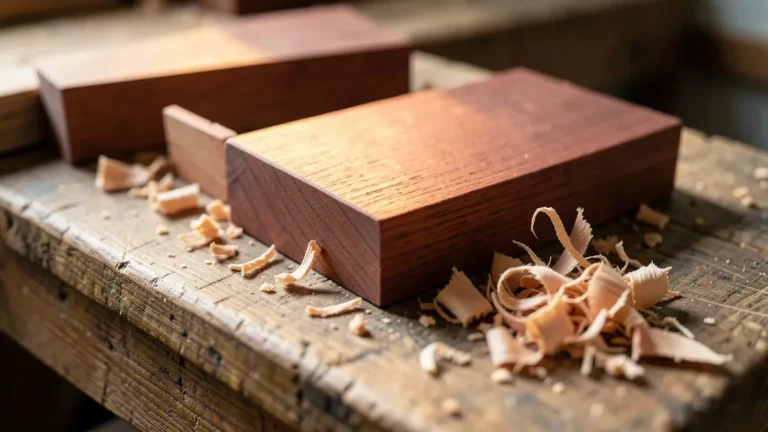
Cedar heartwood contains natural extractives — thujaplicins and thujic acid — concentrated in the wood’s resin canals. These compounds are toxic to the fungi and insects that cause rot, and they also make the cell walls less willing to absorb water in the first place. That combination is why cedar decking, fencing, and siding routinely outlast pine or fir left unsealed in the same yard.
Not every cedar species carries the same amount of these oils. Western Red Cedar (Thuja plicata) has the highest concentration and is rated “resistant to very resistant” to decay in the USDA Forest Products Laboratory’s decay-resistance ratings. Eastern White Cedar and Northern White Cedar are also naturally durable, but slightly less so. Species matters more than most buying guides admit — a cedar 2×6 stamped “cedar” at a big-box store isn’t automatically Western Red Cedar.
Water-Repellent Is Not the Same as Waterproof
Waterproof means water physically cannot pass through a material. Water-repellent means a material slows and sheds water but will eventually let some through under enough time or pressure. Cedar is the second one. A raincoat beads water for hours in a storm before it finally seeps through the seams — new cedar behaves the same way, and the beading itself is a visible sign the surface oils are still active.
| Wood | Natural decay resistance | Typical outdoor life (unsealed) |
|---|---|---|
| Western Red Cedar | Resistant to very resistant | 15-20+ years (fences, siding) |
| Eastern White Cedar | Resistant | 10-15 years |
| Untreated pine/fir | Slight to non-resistant | 3-7 years before rot sets in |

What Happens as Cedar Ages and Gets Wet Repeatedly
UV exposure and repeated wetting slowly leach thujaplicins out of the surface layer of the wood — this is why old, silvered cedar loses some of its rot resistance even though the wood underneath is unaffected. As the surface oils deplete, water starts absorbing faster, and repeated swell-and-shrink cycles from wetting and drying can eventually cause checking (small surface cracks) and cupping. None of this makes the wood rot on its own; it just removes the natural head start.
This is also why cedar rot is almost always a drainage or ventilation problem, not a species problem — a cedar post buried in soil, or cedar siding behind vinyl with no airflow, holds moisture above 20% content for months at a time, which is well past the safety margin the wood was designed to tolerate.
📊 Wood generally needs to stay above roughly 20% moisture content before decay fungi can grow, and the fiber saturation point most species reach at 25-30% MC is where that risk becomes serious — Source: USDA Forest Products Laboratory, Wood Handbook, Chapter 4
Where Cedar’s Water Resistance Runs Out
Cedar handles intermittent exposure — rain, splashback, morning dew — extremely well because it gets time to dry between soakings. It performs worse in constant-contact situations: a dock piling permanently underwater, a planter box holding wet soil against the wood 24/7, or cedar buried directly in ground contact without a barrier. In those cases, even Western Red Cedar will eventually decay, just on a much longer timeline than pine would.
Marine and High-Humidity Uses
Cedar is a traditional choice for sauna interiors and boat docks specifically because it tolerates humidity swings better than most softwoods, not because it’s immune to water. Sauna cedar dries out completely between uses, which is what keeps it from rotting despite near-100% humidity during a session. Dock cedar above the waterline behaves the same way — it’s the permanently submerged sections (pilings, cross-bracing at the tide line) that need pressure-treated lumber or a marine-grade sealant instead, since untreated cedar in constant salt water is also vulnerable to marine borers, not just fungal decay.
Best Outdoor Uses for Cedar’s Natural Water Resistance
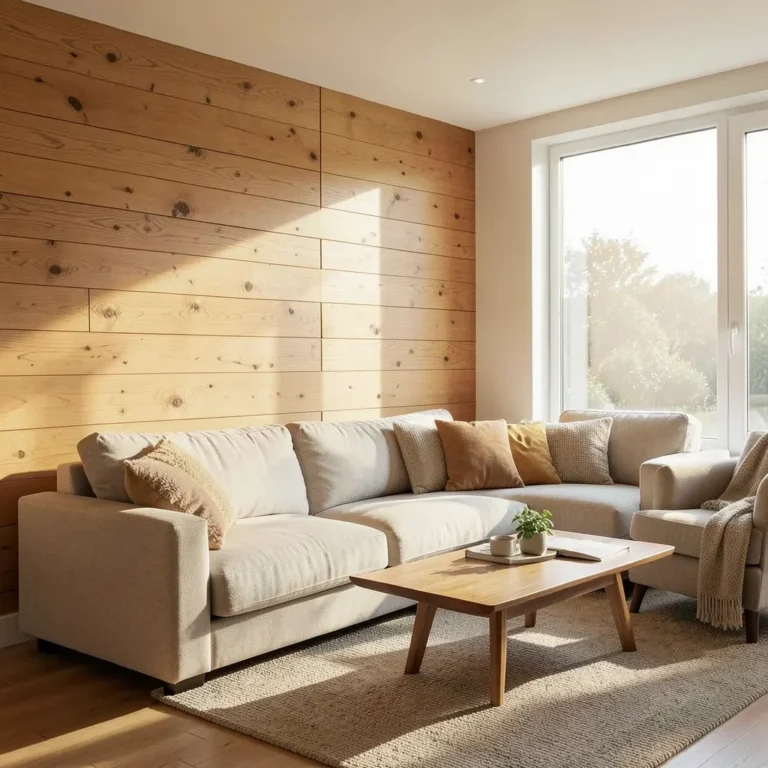
Cedar earns its reputation in projects with intermittent water exposure and good airflow: decking, fencing, outdoor furniture, siding, and roofing shakes and shingles. In every one of these, the wood gets rained on, then dries, then gets rained on again — exactly the cycle cedar’s natural oils are built for.
- Decking: Cedar resists warping better than composite in direct sun and stays cooler underfoot, but still needs a sealant reapplied every 2-3 years once water stops beading.
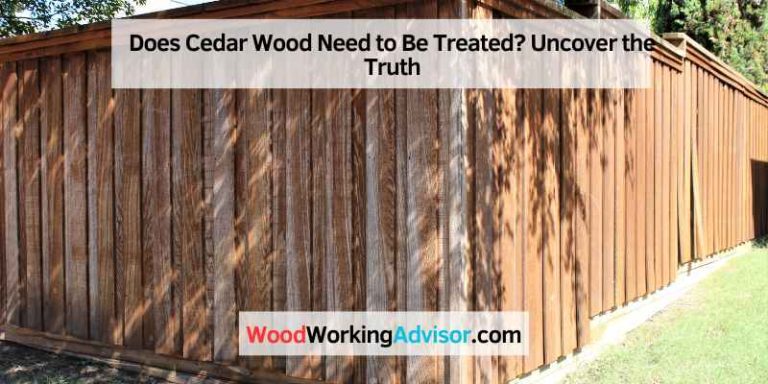
- Fencing: Lowest-maintenance common use — vertical boards shed water fast and rarely sit in standing moisture.
- Siding and shingles: Performs well in heavy-rain climates provided there’s a drainage gap behind the cladding, not direct contact with sheathing.
- Outdoor furniture: Fine left unsealed for years, though a sealant keeps the color from graying as fast.
For comparison on cost between cedar and the pressure-treated alternative, see Cedar Decking vs. Pressure-Treated — pressure-treated lumber resists rot through chemical treatment rather than natural oils, and the upfront cost difference is smaller than most people expect.
Sealing Cedar: When It’s Actually Necessary
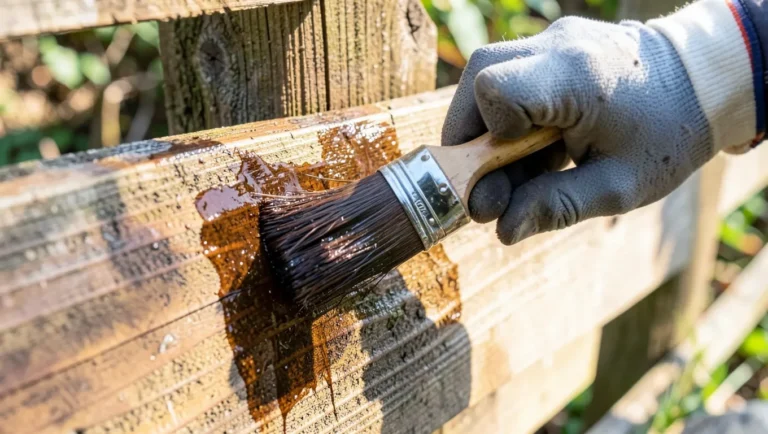
Sealing is not required to keep cedar from rotting — the wood is designed to handle years of rain unsealed. What sealing actually buys you is slower graying, less surface checking, and a longer window before the wood needs to be replaced rather than just refinished. The simplest test for when to reseal: pour a small amount of water on the surface. If it beads up, the oils are still working. If it soaks in within a minute or two, it’s time to clean and reseal.

Penetrating oil sealers (like Thompson’s WaterSeal below) soak into the grain and are the easiest option for a first-time DIY application; film-forming sealers sit on the surface and offer more UV protection but require full paint stripping before the next coat instead of a simple wash-and-reapply.
Frequently Asked Questions
Can I use cedar wood for outdoor furniture left outside all year?
Yes. Cedar’s natural resistance to rot, decay, and insects makes it one of the better woods for furniture that stays outside year-round. A sealant isn’t required for the wood to survive, but it slows graying and keeps the surface from checking as quickly.
Does cedar wood rot if it’s constantly wet?
Yes, eventually. Cedar’s natural oils slow decay, but if the wood stays above roughly 28-30% moisture content with no chance to dry — buried in soil, or permanently submerged — even Western Red Cedar will decay over time. Drainage and airflow matter more than the species once wood is constantly saturated.
Is cedar better than pine for outdoor use around water?
Yes. Pine has little natural decay resistance and typically needs pressure treatment or heavy sealing to survive outdoors, while cedar’s own oils give it years of protection before any finish is applied. Unsealed pine fencing often needs replacing in 3-7 years; unsealed cedar fencing regularly lasts 15-20.
Do I need to seal cedar wood for it to last outdoors?
No, not strictly — cedar will outlast most other softwoods left completely unsealed. Sealing is about appearance and surface longevity (less graying, fewer surface cracks), not about preventing rot, which cedar’s natural oils already handle for years on their own.
Will cedar wood warp or split if it gets wet?
It can, if it repeatedly gets fully saturated and then dries out fast in direct sun. The swelling and shrinking stresses the fibers. Cedar is more dimensionally stable than most softwoods, and proper sealing plus avoiding constant saturation minimizes the risk significantly.
Bottom Line
Cedar is water-resistant, not waterproof — its thujaplicin oils keep moisture content low enough, for long enough, that decay fungi rarely get the 28-30% threshold they need. That’s more than enough for decks, fences, siding, and furniture that dry out between rains. It’s constant, ongoing saturation — buried posts, permanently submerged pilings — where cedar needs help from treatment or a different material entirely.
Sponsored / affiliate links. As an Amazon Associate I earn from qualifying purchases. I may earn additional commission from eligible campaigns.