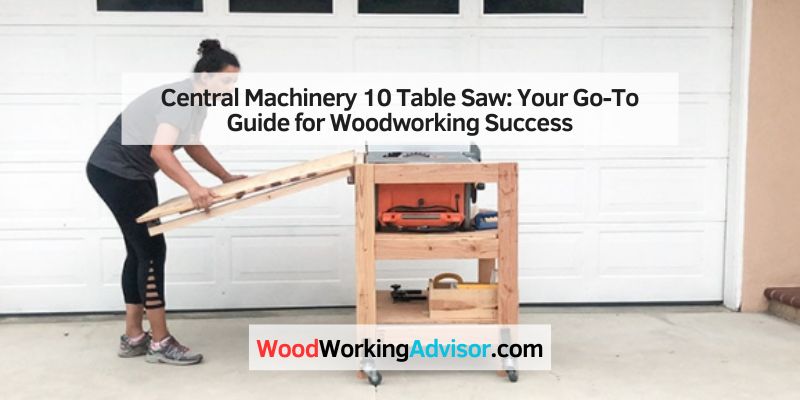
Central Machinery 10 Table Saw: Your Go-To Guide for Woodworking Success
Hey there! If you’re diving into woodworking or upgrading your shop, you’ve likely come across the Central Machinery 10 table saw. I’ve spent years working with this saw, and let me tell you, it’s a solid choice for hobbyists and DIYers on a budget. In this guide, I’ll share everything I’ve learned about this woodworking tool—from its features to its quirks—to help you decide if it’s right for your projects. Let’s get started!
Why I Chose the Central Machinery 10 Table Saw
When I first set up my woodworking shop, I needed a reliable table saw that wouldn’t break the bank. The Central Machinery 10 table saw, sold by Harbor Freight, caught my eye for its affordability and decent performance. This 10-inch saw is designed for hobbyists and small-shop owners who want a dependable tool for cutting plywood, hardwood, and softwood. I’ve used it for everything from building bookshelves to crafting custom picture frames, and it’s held up surprisingly well.
This saw’s compact size fits perfectly in my small garage workshop. Its 15-amp motor delivers enough power for most home projects, and the 10-inch blade handles cuts up to 3 inches deep at 90 degrees. What I love most is its price—often under $300, it’s a steal compared to high-end brands like DeWalt or Bosch. But it’s not perfect, and I’ll dive into its pros, cons, and everything in between so you can make an informed choice.
Key Features of the Central Machinery 10 Table Saw
Let’s talk about what makes this saw tick. The Central Machinery 10 table saw comes with a handful of features that make it a great pick for beginners and budget-conscious woodworkers. Here’s what stands out:
- 15-Amp Motor: This motor packs enough punch for most DIY projects. I’ve cut through oak and maple without much struggle, though it can bog down on denser hardwoods if you push it too hard.
- 10-Inch Blade: The standard 10-inch carbide-tipped blade is versatile. It’s great for ripping boards or crosscutting lumber. You can swap it out for specialty blades, like a dado stack, for more advanced cuts.
- Adjustable Fence: The rip fence is decent for the price. It locks in place securely, but I’ve had to double-check its alignment to ensure accurate cuts.
- Miter Gauge: The included miter gauge is basic but functional for simple crosscuts. I upgraded mine for more precision, but it works fine for starters.
- Dust Collection Port: A 2.5-inch dust port connects to a shop vac, which helps keep my workspace cleaner. It’s not perfect, but it does the job.
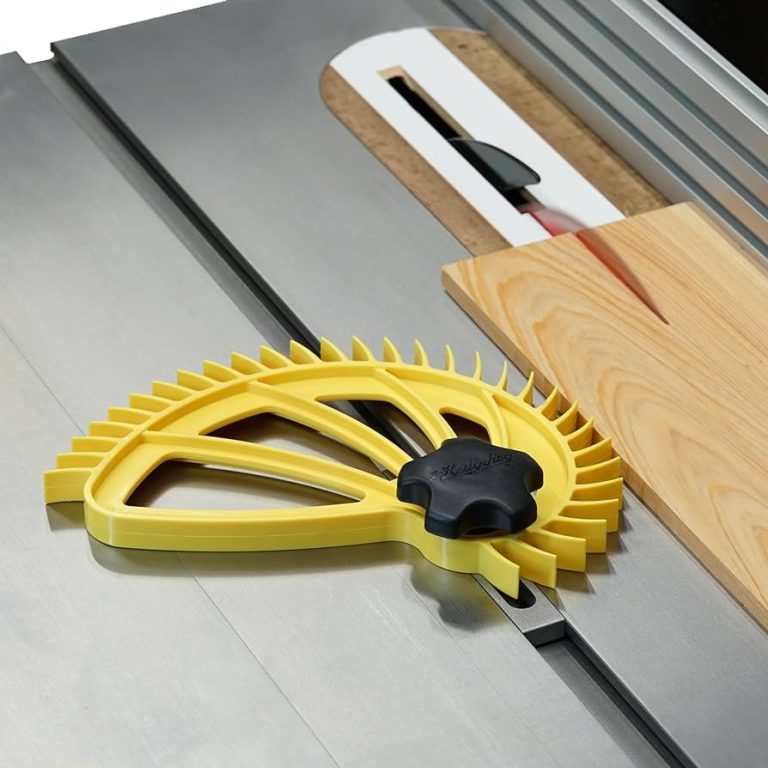
- Safety Features: It has a blade guard and anti-kickback pawls, which are crucial for safe operation. I always keep these on to avoid accidents.
Here’s a quick table summarizing the key specs:
| Feature | Details |
|---|---|
| Motor | 15-amp, 4,800 RPM |
| Blade Size | 10 inches, carbide-tipped |
| Max Cut Depth (90°) | 3 inches |
| Max Cut Depth (45°) | 2.5 inches |
| Rip Capacity | 25.5 inches (right), 12 inches (left) |
| Weight | Approximately 60 lbs |
| Dust Port | 2.5 inches |
These features make the saw a practical choice for small to medium projects. It’s not a contractor-grade tool, but for the price, it’s hard to beat.
Setting Up the Central Machinery 10 Table Saw
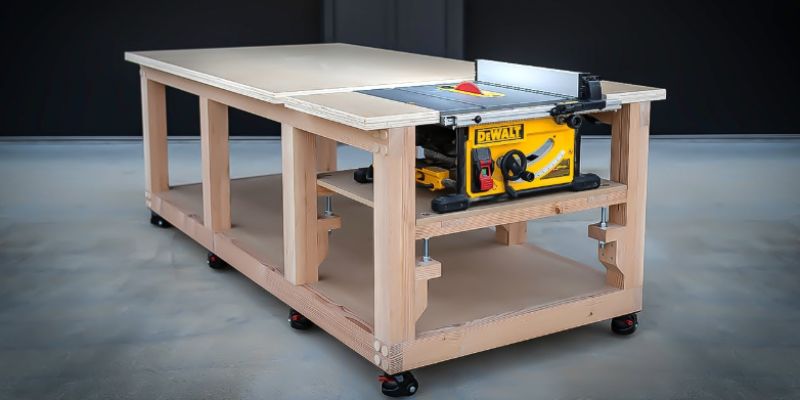
Setting up this table saw was straightforward, but it took me about an hour to get everything dialed in. The saw comes partially assembled, so you’ll need to attach the stand, fence, and blade guard. The instructions are clear, but I recommend having a screwdriver and wrench handy.
One tip: check the blade alignment right away. Mine was slightly off out of the box, which can mess up your cuts. I used a square to align the blade parallel to the miter slots, and it’s been smooth sailing since. Also, make sure the saw is on a stable surface. The included stand is sturdy, but I placed mine on a flat concrete floor to avoid wobbling.
If you’re new to woodworking tools, take your time with setup. A well-calibrated saw makes all the difference. I learned this the hard way when my first few cuts were uneven because I rushed the process.
Performance and Cutting Capabilities
I’ve put this saw through its paces, and it’s impressed me for the price. The Central Machinery 10 table saw handles most materials I throw at it—pine, plywood, and even some walnut. The 15-amp motor spins the blade at 4,800 RPM, which is fast enough for clean cuts in softwoods and decent in hardwoods.
For example, I built a coffee table last month using 1-inch oak boards. The saw ripped through them smoothly, though I had to feed the wood slowly to avoid burning. For plywood, it’s a dream—clean, straight cuts with minimal tear-out when I use a high-tooth-count blade.
However, it’s not perfect for heavy-duty tasks. If you’re cutting thick hardwoods or doing repetitive cuts for hours, the motor can overheat. I give it a break every 30 minutes during long sessions to keep it happy. The rip capacity (25.5 inches to the right) is enough for most furniture projects, but if you’re working with wide panels, you might need to get creative.
Safety Tips for Using the Central Machinery 10 Table Saw
Safety is a big deal with any table saw, and I’ve had a few close calls that taught me to respect this tool. The Central Machinery 10 table saw comes with standard safety features, but you still need to be careful. Here are my top tips:
- Always Use the Blade Guard: It’s tempting to remove it for better visibility, but don’t. It protects you from flying debris and accidental contact.
- Wear Safety Gear: I always wear safety glasses and ear protection. The saw is loud, and sawdust can get everywhere.
- Use a Push Stick: For narrow cuts, a push stick keeps your hands away from the blade. I made one from scrap wood, and it’s a lifesaver.
- Check for Kickback: The anti-kickback pawls help, but always stand to the side of the blade, not directly behind it, in case the wood kicks back.
- Unplug Before Adjustments: I learned this the hard way—always unplug the saw before changing blades or adjusting the fence.
I’ve been woodworking for years, and I still treat this saw with respect. One careless moment can lead to serious injury, so stay focused.
Pros and Cons of the Central Machinery 10 Table Saw
Every tool has its strengths and weaknesses, and this saw is no exception. Here’s what I’ve found after using it for countless projects:
Pros
- Affordable Price: At under $300, it’s one of the cheapest 10-inch table saws out there.
- Compact Design: Perfect for small workshops or garages.
- Decent Power: The 15-amp motor handles most DIY tasks well.
- Easy to Move: At 60 pounds, I can move it around my shop without much hassle.
- Versatile: Works for ripping, crosscutting, and even some bevel cuts.
Cons
- Basic Miter Gauge: It’s not great for precision angle cuts. I upgraded to an aftermarket one.
- Fence Alignment Issues: The rip fence can drift if not locked down properly.
- Limited Rip Capacity: If you work with large panels, you might need a bigger saw.
- Motor Overheating: It struggles with continuous heavy-duty cutting.
For the price, the pros outweigh the cons, especially if you’re a hobbyist or weekend warrior.
Upgrading and Maintaining Your Saw
To get the most out of this table saw, I’ve made a few upgrades and learned some maintenance tricks. Here’s what I recommend:
- Upgrade the Blade: The stock blade is okay, but a 40-tooth or 60-tooth carbide blade gives cleaner cuts. I use a Freud blade, and the difference is night and day.
- Add a Zero-Clearance Insert: This reduces tear-out and improves cut quality. I made one from plywood in about 20 minutes.
- Clean Regularly: Sawdust builds up fast. I vacuum the dust port and wipe down the table after every session to prevent rust.
- Check Alignment: Every few months, I check the blade and fence alignment to ensure accurate cuts.
- Lubricate Moving Parts: A little wax on the table surface makes wood glide smoother and prevents sticking.
These tweaks have made my Central Machinery 10 table saw perform like a more expensive model. It’s worth investing a little time and money to keep it in top shape.
Comparing the Central Machinery 10 Table Saw to Other Brands
I’ve used other table saws like DeWalt and Bosch, so how does the Central Machinery stack up? It’s not a fair fight against premium brands, but it holds its own in the budget category.
Compared to the DeWalt DWE7485, the Central Machinery is cheaper but less powerful. The DeWalt has a smoother fence and better rip capacity, but it costs nearly twice as much. The Bosch GTS1031 is another step up, with a more durable build and easier portability, but again, it’s pricier.
If you’re on a tight budget, the Central Machinery 10 table saw is a great starter saw. If you can spend more, a DeWalt or Bosch might give you more longevity and precision. For me, the Central Machinery was the right choice when I was starting out, and it’s still a workhorse in my shop.
Who Should Buy the Central Machinery 10 Table Saw?
This saw isn’t for everyone, but it’s perfect for certain woodworkers. I think it’s ideal for:
- Beginners: If you’re new to woodworking, this saw is affordable and easy to use.
- Hobbyists: For weekend projects like furniture or home repairs, it’s more than enough.
- Small Shop Owners: Its compact size fits in tight spaces.
- Budget-Conscious DIYers: If you want a functional saw without spending a fortune, this is it.
If you’re a professional woodworker or need to cut large panels daily, you might want to invest in a higher-end model. But for most home projects, this saw gets the job done.
My Favorite Projects with the Central Machinery 10 Table Saw
I’ve built some fun stuff with this saw, and it’s been a reliable partner. Here are a few projects I’ve tackled:
- Bookshelf: I used pine boards to build a 5-foot-tall bookshelf. The saw’s rip fence helped me make consistent cuts for the shelves.
- Picture Frames: The miter gauge, though basic, was fine for cutting 45-degree angles for small frames.
- Workbench: I built a sturdy workbench using 2x4s and plywood. The saw handled the thick lumber without complaining.
- Cutting Boards: I made a batch of walnut and maple cutting boards for gifts. A high-tooth-count blade gave me smooth, glue-ready edges.
Each project taught me something new about the saw’s capabilities and limits. It’s versatile enough for most home woodworking tasks, which is why I keep it in my shop.
Troubleshooting Common Issues
Like any tool, this saw has quirks. Here are some issues I’ve run into and how I fixed them:
- Fence Misalignment: If your cuts aren’t straight, check the fence. Loosen the bolts, realign it parallel to the blade, and tighten it securely.
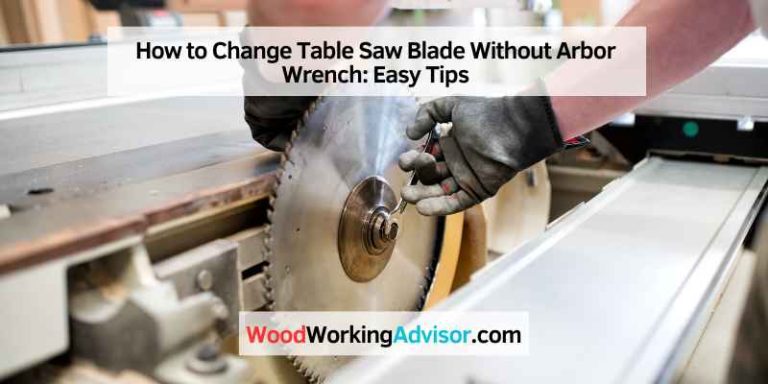
- Blade Wobble: A wobbly blade can cause uneven cuts. Make sure it’s seated properly and the arbor nut is tight.
- Motor Bogging Down: If the motor slows, you might be feeding wood too fast. Slow down or use a sharper blade.
- Dust Collection Clogs: The dust port can clog with heavy use. I clear it out with a shop vac after each session.
If you run into problems, don’t panic. Most issues are fixable with basic adjustments or maintenance.
FAQs About the Central Machinery 10 Table Saw
Is the Central Machinery 10 table saw good for beginners?
Yes, it’s great for beginners. The saw is affordable, easy to set up, and has enough power for basic projects. Just take time to learn proper safety techniques.
Can I use a dado blade with this saw?
Yes, but you’ll need a separate throat plate. The saw accepts a dado stack up to 13/16 inches, which is enough for most joinery tasks.
How loud is the Central Machinery 10 table saw?
It’s pretty loud, like most table saws. I always wear ear protection to avoid discomfort during long cutting sessions.
Is the saw portable?
At about 60 pounds, it’s fairly portable. The stand has wheels, so I can roll it around my garage easily.
How often should I replace the blade?
It depends on use. I replace mine every 6-12 months, depending on how much I’m cutting and the type of wood. A dull blade makes rough cuts, so swap it when you notice burning or tear-out.
Conclusion
After years of using the Central Machinery 10 table saw, I can say it’s a fantastic value for the price. It’s not a high-end tool, but it’s perfect for hobbyists, DIYers, and anyone starting their woodworking journey. I’ve built countless projects with it, from shelves to cutting boards, and it’s never let me down for small to medium tasks. The 15-amp motor, 10-inch blade, and compact design make it a practical choice for small shops. Sure, it has quirks—like the basic miter gauge and occasional fence adjustments—but with a little care, it performs way above its price point.
If you’re ready to start woodworking without spending a fortune, this saw is a great choice. Pair it with a good blade and some basic upgrades, and you’ll be crafting beautiful projects in no time. So, grab your safety glasses, fire up that saw, and let’s make some sawdust together!