Central Machinery 10 Table Saw: Your Go-To Guide for Woodworking Success
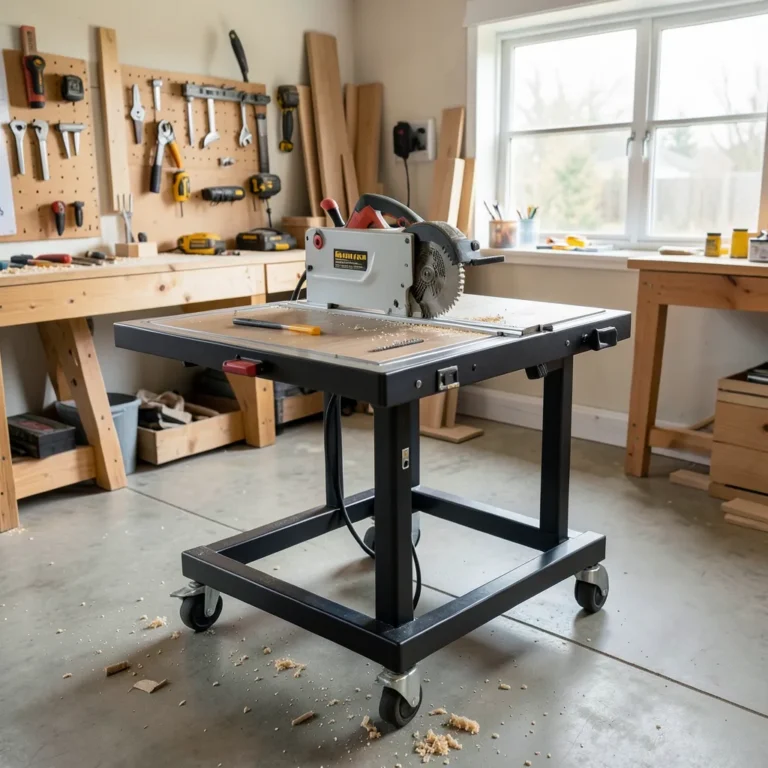
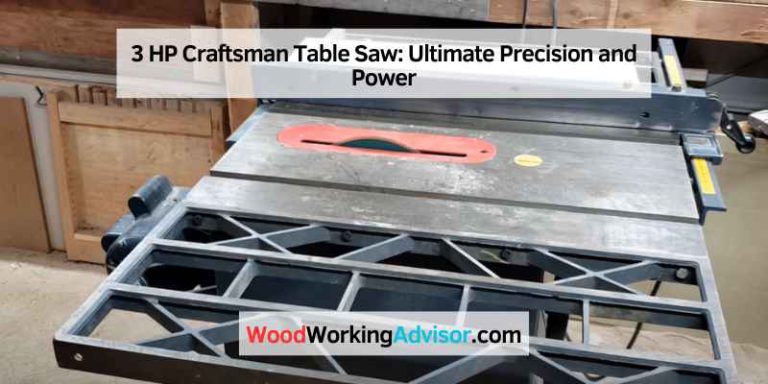
The Central Machinery 10″ table saw is Harbor Freight’s budget benchtop table saw line — a 15-amp, 10-inch saw aimed at hobbyists and light DIY use, typically priced well under $300. We haven’t run this exact saw through hands-on testing ourselves, so this guide is built from the saw’s published specs, Harbor Freight’s own listings, and what shows up consistently across owner reviews, not a first-hand long-term review.
One thing worth flagging up front: Harbor Freight has shifted branding on some of its benchtop tool lines over the past few years, moving several categories from the “Central Machinery” house brand to newer names like “Warrior.” If you’re shopping for this saw specifically, check Harbor Freight’s current in-store or online listing for the exact model and SKU, since house-brand lineups like this one do change without much notice.
Typical Specs for This Saw Class
Best Blade Upgrade
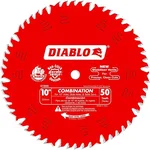 |
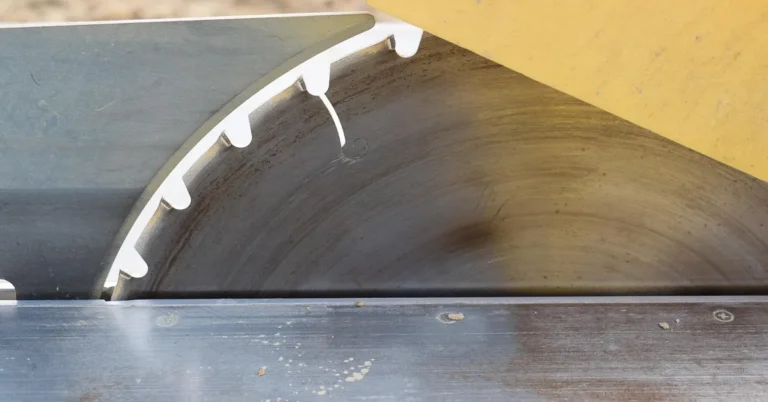
Diablo D1050X 10″ 50-Tooth Combination Blade – $42.97 The stock blade that ships with most budget benchtop saws is the single biggest limit on cut quality — swapping it is the highest-value upgrade you can make.
|
| Feature | Typical Spec |
|---|---|
| Motor | 15-amp, roughly 4,800 RPM |
| Blade Size | 10 inches, carbide-tipped |
| Max Cut Depth (90°) | ~3 inches |
| Max Cut Depth (45°) | ~2.5 inches |
| Rip Capacity | Roughly 24-26 inches to the right |
| Weight | Approximately 45-60 lbs depending on the specific model/stand |
| Dust Port | 2.5 inches |
These numbers are typical for Harbor Freight’s benchtop 10″ saw class rather than a guaranteed spec sheet for one specific still-in-production SKU — confirm the exact figures on the current listing before you buy, since minor spec changes between model revisions are common in this product tier.
What It’s Actually Good For
This saw category handles the jobs most home woodworkers actually need: ripping and crosscutting plywood and dimensional lumber, cutting boards for shelving, and general furniture-project joinery. The 15-amp motor is enough for softwoods and plywood without much drama, and it can get through moderate hardwoods if you feed the material at a reasonable pace rather than pushing hard.
Where it struggles, consistently, across owner feedback for this saw tier: extended cutting sessions in dense hardwood, where the motor can bog down or run hot, and repetitive production-style cutting where a contractor or cabinet saw’s heavier build holds up better over time. Letting the motor rest periodically during long cutting sessions is a common and sensible practice with saws in this class.
Setup and Calibration
Budget benchtop saws in this category typically ship partially assembled and need the stand, fence, and blade guard attached before first use — budget an hour for setup with a screwdriver and wrench on hand. Check blade-to-miter-slot alignment as soon as it’s assembled rather than assuming it’s correct out of the box; a blade that’s slightly out of parallel with the miter slot is one of the most common sources of inaccurate cuts and burning on saws at this price point, and it’s a five-minute fix with a combination square once you know to check for it.
Safety
Standard table saw safety practice applies here, and matters more rather than less on a lighter-weight benchtop saw, which can shift more easily than a heavier cabinet saw during a cut:
- Keep the blade guard and anti-kickback pawls installed for anything but the rare cut that specifically requires removing them.
- Wear safety glasses and hearing protection every session — benchtop saws run loud, and sawdust exposure adds up over time.
- Use a push stick for any cut where your hand would come within a few inches of the blade.
- Stand to the side of the blade’s cutting line, not directly behind it, in case of kickback.
- Unplug the saw before changing the blade or adjusting the fence. This is a genuinely common source of accidental injuries — treat it as non-negotiable, not optional.
Pros and Cons
Pros
- Price: among the least expensive genuine 10″ table saws available, typically under $300.
- Compact and portable: fits small garages and shops, and light enough (roughly 45-60 lbs) to move without a second person.
- Adequate power for home-shop tasks: the 15-amp motor covers softwood, plywood, and moderate hardwood work.
- Reasonably versatile: handles ripping, crosscutting, and bevel cuts for typical furniture and shelving projects.
Cons
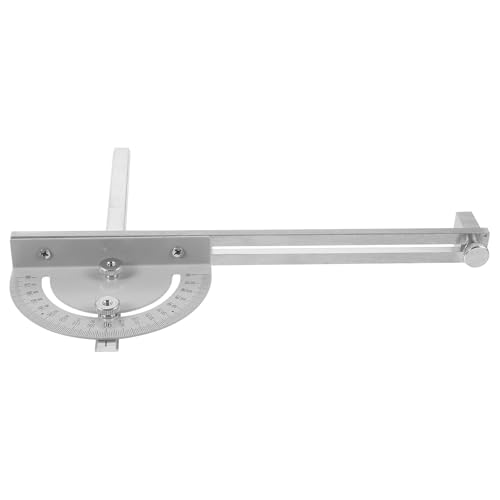
- Basic miter gauge: commonly cited as imprecise for angle cuts; many owners upgrade to an aftermarket miter gauge.
- Fence alignment needs regular checking: the rip fence can drift out of parallel if not locked down firmly and re-checked periodically.
- Rip capacity is limited for large sheet goods compared to a contractor or cabinet saw.
- Motor can overheat under sustained heavy-duty cutting; not built for production-volume use.
Worthwhile Upgrades
A handful of inexpensive upgrades noticeably improve cut quality on a budget benchtop saw like this one:
- Zero-clearance insert: a shop-made plywood insert cut to fit reduces tear-out noticeably and takes about 20 minutes to make.
- Regular cleaning: clearing sawdust from the dust port and wiping the table down after each session helps prevent rust and keeps the dust collection working.
- Periodic alignment checks: re-check blade and fence alignment every few months of regular use, since vibration from a lighter benchtop base can shift settings over time more than it would on a heavier cabinet saw.
Central Machinery vs. Contractor and Cabinet Saws
A saw in this price and weight class is not a fair comparison against a contractor-grade table saw from DeWalt or Bosch, which typically run $400-700+ and offer a smoother fence, higher rip capacity, and a heavier build that holds calibration better. What a budget benchtop saw offers instead is a genuinely low entry price and a compact footprint — the right trade-off for someone starting out or working in a small space, not the right choice for someone doing daily production cutting.
Who Should Consider This Saw
- Beginners who want an affordable, easy-to-learn-on saw for basic projects.
- Hobbyists doing weekend furniture, shelving, or repair projects.
- Small-shop or garage owners with limited floor space.
- Budget-conscious DIYers who want a functional saw without a large upfront cost.
Professional woodworkers or anyone cutting large panels daily should budget for a contractor or cabinet saw instead — the durability and precision gap shows up quickly under sustained use.
Troubleshooting Common Issues
- Cuts aren’t straight: check fence alignment first — loosen, realign parallel to the blade using a combination square, and re-tighten securely.
- Uneven or rough cuts: often blade wobble from a loose arbor nut, or a dull blade. Check the arbor nut torque and consider a blade upgrade (see above).
- Motor bogging down: usually feed rate too fast for the material, or a dull blade. Slow the feed rate and confirm blade sharpness.
- Dust collection clogging: common with heavy use on a small 2.5″ port. Clear it with a shop vac each session rather than waiting until it’s fully blocked.
Frequently Asked Questions
Is the Central Machinery 10″ table saw good for beginners?
Yes, this saw class is generally considered beginner-friendly: affordable, straightforward to set up, and with enough power for basic projects. Take the time to learn proper table saw safety before your first cuts, since a lighter benchtop saw can shift more easily during a cut than a heavier saw would.
Can I use a dado blade with this saw?
Check your specific model’s manual before attempting this — not every benchtop saw’s arbor and throat plate are designed to accept a stacked dado set, and forcing one onto a saw that isn’t rated for it is a real safety risk (see our dado joint guide for a safe alternative approach on saws or tools that aren’t dado-rated).
Is this saw portable?
Reasonably so. At roughly 45-60 lbs depending on the specific model and stand, it’s light enough for one person to move, and many versions include a folding or wheeled stand for easier repositioning around a garage or shop.
How often should the blade be replaced?
It depends on how much you cut and what materials. As a general guide, expect to replace or sharpen the blade every 6-12 months of moderate hobby use. Burning, tear-out, or the motor bogging down on cuts that used to be clean are the signs it’s time.
Bottom Line
A Central Machinery-class 10″ benchtop table saw is a reasonable entry point for beginners and budget-conscious hobbyists doing occasional home-shop projects — not a tool built for daily production cutting. Confirm the current model and specs on Harbor Freight’s own listing before buying, since house-brand lineups in this category do shift, and budget for a blade upgrade as close to a mandatory first purchase rather than an optional extra.
Sponsored / affiliate links. As an Amazon Associate I earn from qualifying purchases. I may earn additional commission from eligible campaigns.