Circular Saw Cutting Guide: Master Precision Cuts Today
The Circular Saw Cutting Guide is a versatile and accurate accessory that allows for precise cuts with a circular saw. It is easy to set up and provides quality instructions for use.
The guide ensures that the saw stays in place during cutting, reducing errors and creating clean cuts. With options available from various retailers such as Amazon, Home Depot, and Lowe’s, there is a wide range of choices to suit different needs and budgets.
Whether you are a professional woodworker or a DIY enthusiast, the Circular Saw Cutting Guide is a valuable tool to have in your workshop.
The Essentials Of A Circular Saw Cutting Guide
A circular saw cutting guide is an essential tool for any DIY enthusiast or professional woodworker. It provides a precise and accurate way to make straight cuts with a circular saw, ensuring clean and professional results. Whether you are cutting plywood, MDF, or other materials, a cutting guide helps you achieve straight and consistent cuts every time.
Key Features Of A Cutting Guide
When choosing a circular saw cutting guide, there are a few key features to consider:
- Easy to use: Look for a cutting guide that is user-friendly and easy to set up. This will save you time and frustration during your projects.
- Accurate: Precision is crucial when it comes to woodworking. A cutting guide with accurate measurements and guides will ensure that your cuts are straight and precise.
- Versatile: Opt for a cutting guide that is compatible with various circular saw models and can be used for a range of cutting tasks. This will give you more flexibility in your projects.
Importance Of Material Quality
The quality of the material used in a circular saw cutting guide is vital for its performance and durability. A guide made from lightweight stainless steel, for example, offers both strength and portability. It can withstand the rigors of regular use without compromising accuracy. The material should be sturdy enough to stay in place during cutting, ensuring stability and preventing any unwanted movement.
Additionally, a cutting guide that is compatible with guide rails or tracks, such as those from Makita, provides added stability and precision. These guide rails allow for repeatable rip cuts and ensure consistent results throughout your projects.
Investing in a high-quality cutting guide will not only improve the accuracy of your cuts but also save you time and effort. With the right cutting guide, you can achieve professional-level results and take your woodworking projects to the next level.
Types Of Circular Saw Guides
Circular saw cutting guides come in various types, from edge guides to track saw guides, allowing for precise and accurate cuts. These guides are versatile woodworking accessories, offering easy setup and a secure connection, making them ideal for professionals and DIY enthusiasts alike.
Straight Edge Guides
A straight edge guide is a basic and versatile type of guide that is commonly used with circular saws. It provides a straight cutting path and is typically made of metal or rigid plastic to ensure accurate cuts. This guide is perfect for making precise cuts along the length of a workpiece, such as when cutting plywood or sheet materials.
Rail Or Track Guides
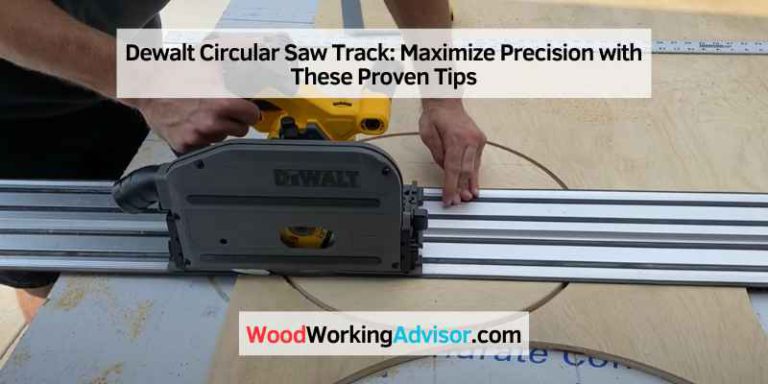
Rail or track guides are advanced accessories that offer enhanced cutting precision. These guides consist of a track that the circular saw rides along, ensuring straight and smooth cuts. They are often used for making long, precise cuts in large panels or sheet materials. Rail guides are compatible with specific saw models and are popular among professional woodworkers and DIY enthusiasts for their accuracy and ease of use.
Setting Up Your Cutting Guide
Setting up your cutting guide is the key to achieving precise and accurate cuts with your circular saw. Proper installation and alignment are essential for safety and efficiency. In this section, we will discuss the steps for proper installation and aligning the saw with the guide.
Steps For Proper Installation
Proper installation of the cutting guide is crucial for achieving accurate and straight cuts. Follow these steps for setting up your cutting guide:
- Place the cutting guide on the workpiece, ensuring that it is securely positioned.
- Adjust the guide to the desired cutting width, and ensure that it is parallel to the intended cut line.
- Secure the cutting guide in place using clamps or other suitable fastening methods.
Aligning The Saw With The Guide
Once the cutting guide is properly installed, it’s important to align the saw with the guide to ensure accurate cuts. Follow these steps to align the saw with the cutting guide:
- Place the circular saw on the cutting guide, ensuring that the blade is aligned with the intended cut line.
- Adjust the saw’s position as needed to ensure that the blade follows the cutting guide accurately.
- Double-check the alignment and make any necessary adjustments before proceeding with the cut.
Safety First: Using Guides Securely
When it comes to using a circular saw cutting guide, safety should always be your top priority. Properly securing the guide ensures that your cuts are accurate and reduces the risk of accidents. In this section, we will discuss the importance of personal protective equipment and provide tips for securely attaching the guide.
Personal Protective Equipment
Before you start using a circular saw cutting guide, it is essential to wear the necessary personal protective equipment (PPE). This equipment will help protect you from potential hazards and ensure your safety throughout the cutting process. Here are some PPE items you should consider:
- Safety goggles or glasses to shield your eyes from flying debris
- Ear protection, such as earmuffs or earplugs, to reduce noise levels
- A dust mask or respirator to prevent inhalation of sawdust and other particles
- Work gloves to protect your hands from cuts and abrasions
- Sturdy work boots with slip-resistant soles for a firm footing
Secure Attachment Tips
Properly securing the circular saw cutting guide is crucial for accurate and safe cuts. Here are some tips to ensure a secure attachment:
- Ensure that the guide is compatible with your circular saw. Check the manufacturer’s instructions for any specific requirements.
- Clean the surface where you will be attaching the guide. Remove any dust, debris, or oil that may hinder a secure connection.
- Use clamps or other securing mechanisms to hold the guide firmly in place. This will prevent it from shifting or moving during the cutting process.
- Double-check the alignment of the guide before making your cut. Ensure that it is parallel to the desired cutting line and properly positioned on the workpiece.
- Apply even pressure when guiding the saw along the guide. Avoid exerting excessive force, as it may cause the guide to shift or damage the workpiece.
By following these safety guidelines and securely attaching the circular saw cutting guide, you can ensure accurate cuts while minimizing the risk of accidents. Remember to always prioritize safety when working with power tools and equipment.
Tips For Precision Cuts
Achieving precision cuts with a circular saw requires proper technique and tools. One important tool is a cutting guide, which helps keep the saw on track and ensures straight cuts. Look for guides made of durable materials, with adjustable features to suit different cutting angles and sizes.
Measuring And Marking Accurately
When using a circular saw cutting guide, it is important to measure and mark accurately to ensure precise cuts. Use a measuring tape to measure the length and width of the material to be cut. Mark the material with a pencil or marker, making sure the marks are clear and visible. Double-check the measurements and marks before making any cuts to avoid errors.
Maintaining Steady Motion
To achieve precision cuts with a circular saw cutting guide, it is crucial to maintain a steady motion. Start the saw and let it reach full speed before making the cut. Hold the saw firmly and guide it along the cutting guide without applying too much pressure. Keep the saw moving in a smooth and continuous motion until the cut is complete. Avoid stopping or changing the direction of the saw mid-cut to prevent uneven or jagged edges.
Using a circular saw cutting guide can greatly improve the accuracy and precision of your cuts. By measuring and marking accurately and maintaining a steady motion, you can achieve clean and straight cuts every time. Remember to always follow safety guidelines and wear appropriate protective gear when using power tools.
Guide Maintenance And Care
Maintaining and caring for your circular saw cutting guide is essential for optimal performance. Follow these guidelines to ensure longevity and accuracy in your woodworking projects. Explore a variety of options available in the market, such as lightweight stainless steel guides, versatile woodworking accessories, and track saw guide rails, to find the perfect fit for your needs.
Circular saw cutting guides are an essential tool for any woodworking enthusiast. They provide precision and accuracy, making your cuts clean and straight. However, like any tool, they require maintenance and care to ensure they function correctly and last longer. Here are some tips to help you maintain and care for your circular saw cutting guide.
Cleaning Your Guides
Cleaning your guides regularly is crucial to ensure they remain accurate and free from dust and debris. Here are some steps to follow:
- Use a soft-bristled brush to remove any sawdust or debris from the guide’s surface.
- Use a damp cloth to wipe the guide’s surface. Avoid using any harsh chemicals as they may damage the guide’s surface.
- Dry the guide’s surface using a clean, dry cloth.
Storage Best Practices
Proper storage is essential to ensure your guides remain accurate and free from damage. Here are some best practices to follow:
- Store your guides in a dry, cool place to prevent rusting.
- Keep your guides away from direct sunlight and heat sources to prevent warping or bending.
- Store your guides in a protective case or cover to prevent any scratches or dents.
By following these cleaning and storage tips, you can extend the life of your circular saw cutting guide. Proper maintenance and care will ensure your guide remains accurate and reliable for years to come.
Advanced Techniques With Cutting Guides
When it comes to using a circular saw, having a cutting guide can greatly enhance your precision and efficiency. While cutting guides are commonly used for basic straight cuts, they can also be utilized for more advanced techniques. In this section, we will explore some of the advanced techniques you can achieve with a cutting guide.
Making Bevel Cuts
Making bevel cuts with a circular saw can be challenging, but with the help of a cutting guide, it becomes much easier. By adjusting the angle of the cutting guide, you can achieve precise bevel cuts at various angles. This is particularly useful when working on projects that require angled edges, such as creating beveled edges on furniture or constructing angled roof trusses.
Working With Different Materials
One of the advantages of using a cutting guide is its versatility in working with different materials. Whether you’re cutting wood, plastic, or even metal, a cutting guide ensures clean and accurate cuts every time. By securely attaching the cutting guide to the material, you can confidently guide your circular saw along the desired cutting path, regardless of the material’s hardness or thickness.
Here are some examples of different materials you can easily work with using a cutting guide:
- Wood: Whether you’re cutting plywood, hardwood, or softwood, a cutting guide helps prevent splintering and ensures straight cuts.
- Plastic: From acrylic sheets to PVC pipes, a cutting guide ensures precise and smooth cuts without any cracking or chipping.
- Metal: With the right blade and a cutting guide, you can effortlessly cut through various metals, such as aluminum or steel, while maintaining accuracy and reducing burrs.
By using a cutting guide, you can expand your capabilities and confidently tackle projects that involve different materials.
Choosing The Right Guide For Your Project
When it comes to using a circular saw for precision cuts, having the right cutting guide can make all the difference. From rip cuts to crosscuts, and with various brands and models available, selecting the appropriate guide for your specific project is crucial. Let’s explore the key considerations when choosing a circular saw cutting guide.
Guide For Rip Cuts Vs. Crosscuts
Before choosing a circular saw cutting guide, it’s important to determine the type of cuts you’ll be making. For rip cuts, a straight guide that runs parallel to the edge of the material is essential for maintaining accuracy and consistency. On the other hand, when making crosscuts, a guide that allows for precise perpendicular cuts across the material is necessary. Consider the specific requirements of your project to select the appropriate guide for the job.
Comparing Brands And Models
When comparing different brands and models of circular saw cutting guides, several factors come into play. Look for guides that offer ease of use, accurate measurements, and secure attachment to the material. Additionally, consider the compatibility of the guide with your circular saw and the type of materials you’ll be working with. Whether you opt for a guide rail system, a track guide, or an edge guide, carefully assess the features and reviews to make an informed decision.
Enhancements And Accessories
Looking for a circular saw cutting guide? Enhance your woodworking skills with a versatile and easy-to-use circular saw guide. Whether you’re a professional carpenter or a DIY enthusiast, these accessories will help you achieve accurate and precise cuts every time.
Find the perfect cutting guide for your needs and take your projects to the next level.
Upgrading Your Cutting System
If you want to take your circular saw cutting to the next level, consider upgrading your cutting system. Enhancements and accessories can greatly improve the precision, efficiency, and safety of your cutting operations. By investing in the right upgrades, you can elevate the performance of your circular saw and achieve professional-quality results.
Must-have Add-ons For Professionals
For professionals who rely on circular saws for their daily tasks, there are several must-have add-ons that can enhance productivity and precision. These accessories are designed to streamline the cutting process and provide the necessary support for demanding projects. Whether it’s a specialized guide rail, protective caps, or a versatile sled, these add-ons are essential for professionals looking to optimize their cutting experience.
Troubleshooting Common Issues
Using a circular saw cutting guide can greatly enhance the accuracy and precision of your cuts. However, like any tool, you may encounter some common issues that can affect the performance of your cutting guide. In this section, we will discuss some troubleshooting tips to help you overcome these challenges and achieve optimal results.
Guide Slippage Solutions
Guide slippage can be a frustrating problem that affects the accuracy of your cuts. Fortunately, there are some simple solutions you can try to prevent guide slippage and ensure a secure and stable cutting experience.
- Check the clamps: Make sure that the clamps securing the guide to the workpiece are tight and properly adjusted. Loose clamps can cause the guide to shift during the cutting process.
- Use adhesive tape: Applying adhesive tape to the underside of the guide can provide extra grip and reduce the chances of slippage.
- Consider a non-slip mat: Placing a non-slip mat between the guide and the workpiece can create additional friction and prevent slippage.
Fixing Misaligned Cuts
Misaligned cuts can be a common issue when using a circular saw cutting guide. Here are some troubleshooting tips to help you fix misaligned cuts and achieve precise and straight results.
- Check the blade alignment: Ensure that the circular saw blade is properly aligned with the cutting guide. Adjust the blade if necessary to ensure it is perpendicular to the guide.
- Inspect the guide for damage: A damaged or warped guide can cause misaligned cuts. Check the guide for any signs of wear and tear and replace it if needed.
- Practice proper technique: Sometimes, misaligned cuts can be the result of incorrect technique. Ensure that you are applying consistent pressure and maintaining a steady hand while cutting.
By following these troubleshooting tips, you can overcome common issues that may arise when using a circular saw cutting guide. Remember to always prioritize safety and precision in your woodworking projects.

Frequently Asked Questions
Are Circular Saw Guides Worth It?
Yes, circular saw guides are definitely worth it. They ensure accurate and straight cuts, making your woodworking projects look more professional. They are easy to set up and use, and come in various types such as edge guides, track guides, and guide rails.
It’s a worthwhile investment for any DIY enthusiast or professional woodworker.
Can I Use Any Guide Rail With A Circular Saw?
Yes, you can use a guide rail with a circular saw for straight and precise cuts.
How Do You Cut A Perfect Line With A Circular Saw?
To cut a perfect line with a circular saw, follow these steps:
1. Measure and mark the desired line on your material.
2. Use a straight edge or guide to ensure a straight cut.
3. Set the depth of the circular saw blade to slightly deeper than the material thickness.
4. Position the saw blade on the marked line and hold the saw firmly.
5. Start the saw and guide it along the straight edge, keeping a steady pace. Remember to always prioritize safety and wear appropriate protective gear when using power tools.
How To Use Circular Saw Edge Guide?
To use a circular saw edge guide, attach it to the base of the saw. Adjust the guide to the desired width, then run the edge of the guide along the cutting line for accurate cuts. Always follow safety guidelines and double-check measurements before cutting.
Conclusion
A circular saw cutting guide is an essential tool for any woodworking or DIY project. It provides accuracy, precision, and ease of use, making your cuts faster and more efficient. With the variety of options available, you can choose a guide that suits your needs and budget.
Whether you’re a professional carpenter or a DIY enthusiast, investing in a circular saw cutting guide will be a wise decision. So, make sure to choose the right guide and enjoy your woodworking projects with perfect cuts every time!