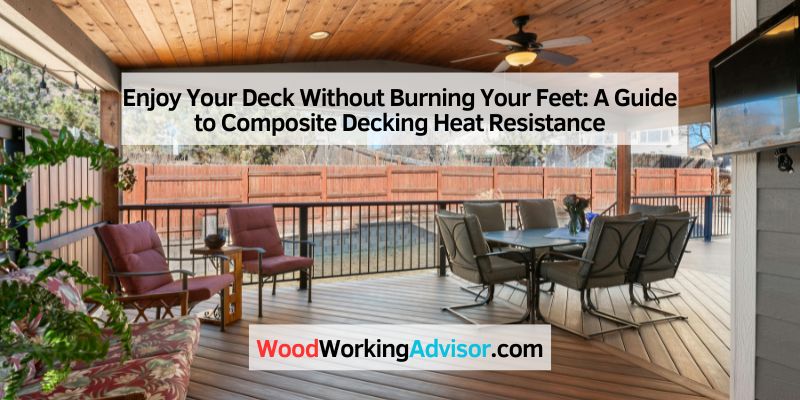
Enjoy Your Deck Without Burning Your Feet: A Guide to Composite Decking Heat Resistance
I remember the first time I stepped onto my brand-new composite deck on a sunny summer day. Barefoot and excited, I quickly learned my deck was hotter than a pancake griddle! That moment sparked my quest to find composite decking that stays cool underfoot. In this article, I’ll share everything I’ve learned about composite decking heat resistance. You’ll get simple tips, fun examples, and practical advice to make your deck comfy, whether you’re a beginner, a deck enthusiast, or a pro. Let’s dive into keeping your deck cool and your summer days fun!
What Is Composite Decking Heat Resistance?
Composite decking heat resistance means how well deck boards stay cool in the sun. Unlike old-school wood decks, composite decking mixes plastic and wood fibers to make a tough, low-maintenance surface. But early versions got super hot—ouch! Modern composite decking uses cool tricks like special coatings to bounce sunlight away. This keeps your feet happy, even on a 90-degree day. It matters because nobody wants a deck that feels like a frying pan!
Why Does Heat Resistance Matter?
A hot deck can ruin summer fun. Kids and pets can’t play safely, and you’ll avoid walking barefoot. Heat-resistant composite decking solves this by staying cooler than wood or older composites. It’s perfect for sunny spots like poolside decks or patios in places like Arizona or Texas. Plus, cooler decks last longer because they don’t warp as much from heat.
How Does Composite Decking Stay Cool?
Modern composite decking uses smart tech to beat the heat. Here’s how it works in simple terms:
- Light Colors Reflect Heat: Just like a white T-shirt keeps you cooler than a black one, light-colored deck boards (like gray or beige) soak up less heat.
- Special Coatings: Brands like Trex and TimberTech add heat-reflective layers to their boards. These bounce sunlight away, keeping the surface cooler.
- PVC vs. Wood Composites: PVC decking, like TimberTech’s Advanced PVC, has no wood, so it stays up to 30°F cooler than traditional composites.
- Hollow Boards: Some boards have air pockets inside, which trap less heat than solid ones.
A Fun Example: My Backyard Test
Last summer, I tested three deck samples in my sunny backyard. I put a dark brown composite, a light gray composite, and a PVC board in direct sunlight. After an hour, the dark brown board was too hot to touch (around 135°F!). The light gray composite was better (about 115°F), but the PVC board was the coolest at 105°F. My dog, Max, refused to step on the dark one but napped on the PVC board. Lesson learned: color and material matter!
Step-by-Step Guide to Choosing Heat-Resistant Composite Decking
Picking a heat-resistant deck is easy if you follow these steps. Here’s a simple guide to get you started:
- Check Your Deck’s Sun Exposure: Does your deck get full sun all day? If so, heat resistance is a must. Partial shade? You have more options.
- Pick Light Colors: Choose shades like gray, beige, or white. Avoid dark brown or black, which get hotter faster.
- Look for Heat-Resistant Tech: Brands like Trex (Transcend Lineage) or MoistureShield (CoolDeck) use coatings to reflect heat.
- Consider PVC Decking: PVC boards, like TimberTech’s Advanced PVC, stay cooler and are super durable.
- Read Reviews: Check what other homeowners say about heat on sites like Consumer Reports.
- Test Samples: Order free samples from TimberTech or Trex. Set them in the sun to feel the difference.
Tools and Materials You’ll Need
You don’t need fancy tools to pick a cool deck, but here’s what helps:
- Tape Measure: To measure your deck area for ordering boards.
- Thermometer (Optional): A cheap infrared thermometer (under $20 at Home Depot) checks surface temps.
- Samples: Free decking samples from brands like MoistureShield or Fiberon.
- Notebook: Jot down colors and brands you like.
Benefits and Drawbacks of Heat-Resistant Composite Decking
Heat-resistant composite decking has tons of perks, but it’s not perfect. Here’s the scoop:
Benefits
- Comfy for Bare Feet: Walk barefoot without burning your toes, even on hot days.
- Long-Lasting: Resists fading, warping, and cracking, even in sunny climates.
- Low Maintenance: No need to stain or seal like wood. Just sweep or hose it off!
- Eco-Friendly: Many brands, like Fiberon, use up to 95% recycled materials.
Drawbacks
- Higher Cost: Heat-resistant boards (like PVC) can cost $4-$8 per linear foot, more than wood ($2-$3).
- Still Gets Hot: Even the best boards warm up in direct sun, just not as much.
- Slippery When Wet: Some composites need textured finishes for grip, especially near pools.
Comparison Table: Heat-Resistant Decking Options
| Brand | Material | Heat Resistance | Price (per ft) | Best For |
|---|---|---|---|---|
| Trex Transcend | Composite | High (reflective coating) | $6-$7 | Sunny patios |
| TimberTech PVC | PVC | Very High (30°F cooler) | $7-$8 | Poolside decks |
| MoistureShield | Composite (CoolDeck) | High (35% less heat) | $3-$3.50 | Budget-friendly |
| Pressure-Treated Pine | Wood | Moderate | $2-$3 | Shaded decks |
Table 1: Comparing popular heat-resistant decking options for sunny areas.
Easy Tips to Keep Your Deck Cool
Want to make your deck even cooler? Try these simple tricks:
- Add Shade: A pergola or umbrella cuts direct sunlight. I added a retractable awning, and it dropped my deck’s temp by 10°F!
- Use Outdoor Rugs: Light-colored, weather-proof rugs protect bare feet and look cute.
- Clean Regularly: Dirt traps heat, so hose off your deck with soap and water weekly.
- Plant Trees: A few shade trees near your deck can lower temps naturally.
Common Mistakes to Avoid
- Choosing Dark Colors: Dark boards get way hotter. Stick to light shades.
- Skipping Samples: Always test samples in your yard before buying.
- Ignoring Ventilation: Low decks need airflow to avoid trapping heat. Leave gaps between boards.
- Forgetting Slip Resistance: Pick textured boards for safety, especially near water.
Visual Idea: Deck Color Chart
Imagine a simple chart showing light vs. dark deck colors in the sun. Light gray and beige squares would glow, while dark brown squares look “hot” with a red glow. This would show why color matters for heat resistance. Another idea: a diagram of a deck with a pergola and trees, showing shade spots to keep it cool.
My Top Pick: TimberTech Advanced PVC
After trying different brands, I love TimberTech’s Advanced PVC decking. It’s super cool underfoot, even in my sunny backyard. The light gray color looks sleek, and it’s tough enough for my kids and dog to run wild. It’s pricier, but the comfort and durability are worth it. Check it out at TimberTech’s website for samples!
Cost-Saving Idea: Mix and Match
To save money, use heat-resistant PVC boards in sunny spots (like the main deck) and cheaper composite or wood in shaded areas (like under a porch). This mix cut my costs by 20% without losing comfort.
Alternative Approaches to Cool Decks
Not sold on composite decking? Here are other options:
- Wood Decking: Pressure-treated pine or cedar stays cooler than dark composites but needs more upkeep.
- Aluminum Decking: Super cool and durable but looks metallic and costs more.
- Shade Structures: A pergola or awning can make any deck cooler, no matter the material.
Comparison Table: Decking Materials vs. Heat
| Material | Heat Resistance | Maintenance | Cost (per ft) |
|---|---|---|---|
| Composite | High | Low | $4-$7 |
| PVC | Very High | Low | $7-$8 |
| Wood (Pine) | Moderate | High | $2-$3 |
| Aluminum | Very High | Low | $8-$10 |
Table 2: Comparing decking materials for heat resistance and upkeep.
Frequently Asked Questions
What Is Composite Decking Heat Resistance?
It’s how well composite decking stays cool in the sun. Modern boards use reflective coatings or PVC to absorb less heat, making them comfy for bare feet compared to wood or older composites.
Does Composite Decking Get Too Hot to Walk On?
Not as much as before! High-quality composites, like Trex or TimberTech, stay cooler than wood in direct sun, especially in light colors. They can still warm up, but it’s usually bearable.
Which Colors Keep Composite Decking Coolest?
Light colors like gray, beige, or white. They reflect sunlight, unlike dark brown or black, which absorb heat and can get 20-30°F hotter.
Can I Make My Deck Cooler Without Replacing It?
Yes, add shade! Use a pergola, umbrella, or trees to block sunlight. Outdoor rugs and regular cleaning also help keep the surface cooler.
Is PVC Decking Better for Heat Resistance?
Yes, it’s the coolest option. PVC decking, like TimberTech’s Advanced PVC, has no wood, so it stays up to 30°F cooler than regular composites.
How Do I Test Decking for Heat Resistance?
Get samples and try them out. Place different boards in the sun for an hour, then touch or use a thermometer to compare. Light-colored PVC usually wins!
Is Heat-Resistant Decking Worth the Cost?
It depends on your needs. If your deck gets full sun, the extra $1-$2 per foot for heat-resistant boards saves you from hot feet and warping.
Conclusion
Composite decking heat resistance makes your deck a fun, comfy place to hang out, even on scorching summer days. By picking light colors, heat-reflective brands like Trex or TimberTech, and adding shade, you can enjoy barefoot walks without worry. Try ordering samples to test in your yard—it’s a game-changer! Have a cool deck tip or a fun deck story? Share it in the comments or start planning your dream deck today. Your feet will thank you!