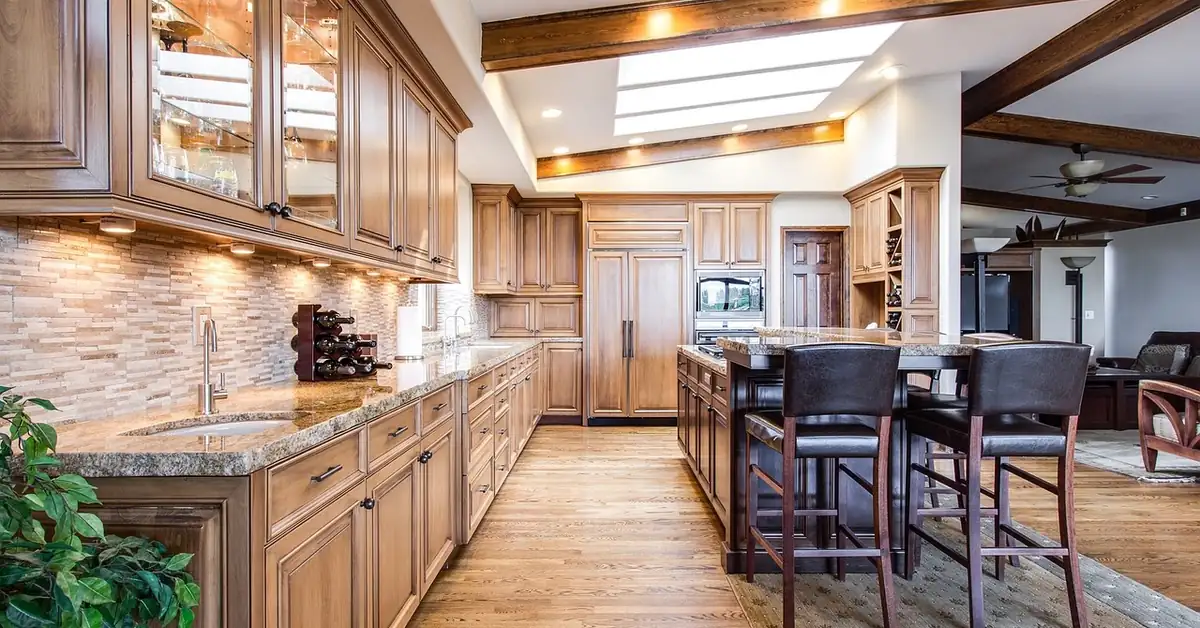
Brazilian Cherry Engineered Hardwood Flooring (Cost + Janka 2350)
Brazilian cherry engineered hardwood flooring scores 2350 on the Janka hardness scale — nearly double red oak’s 1290 — but its factory wear layer usually runs only 2-4mm thick, which caps how many times you can sand and refinish it. Buy a thin-wear-layer plank and one deep scratch can mean replacing boards instead of refinishing them. This guide covers real cost ranges, the 90-day darkening curve, and how to check wear-layer thickness before you buy.
Introduction To Brazilian Cherry Flooring
Best Engineered Hardwood Care Kit Pick
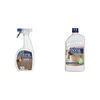
Bona Hardwood Floor Cleaner + Polish Bundle – $24.27
A pH-neutral, no-rinse cleaner paired with a polish that fills in micro-scratches — matches the “avoid harsh cleaning products” rule this guide’s daily-cleaning section covers.
- Best for: weekly cleaning plus restoring shine between refinishes
- Why we picked it: pH-neutral formula won’t dull the factory finish or fog the wear layer
- Main drawback: polish isn’t a substitute for the sanding this guide’s wear-layer section covers
Compare more engineered hardwood care options
 Option 1 Minwax Hardwood Floor Cleaner – $9.49
|
 Option 2 X-PROTECTOR Felt Furniture Pads (133-Pack) – $9.99
|
 Option 3 Bona Premium Sweep & Clean Mop – $19.97
|
As an Amazon Associate we earn from qualifying purchases.
Brazilian Cherry engineered hardwood flooring is a popular pick in the hardwood flooring category for homeowners who want an exotic look without solid-wood installation headaches. The deep coffee and auburn hues, natural knotting, and distressed finish give it a unique, modern look. It’s carried by national flooring chains, big-box home centers, and specialty exotic-hardwood importers — availability varies more by finish and plank width than by brand.
Note: this is the harder, deeper-toned South American species (Jatoba). If you’re comparing it against domestic American cherry, see our cherry engineered wood flooring guide — the two look similar in photos but perform very differently underfoot.
The Rise Of Engineered Hardwood
Engineered hardwood flooring has become a popular choice among homeowners and interior designers alike. Its versatility, durability, and affordability make it a practical option for any home renovation project. Engineered hardwood flooring is made up of layers of plywood or fiberboard, topped with a hardwood veneer. This construction allows for greater stability and resistance to moisture, making it suitable for use in areas with high humidity levels.
Brazilian Cherry: A Luxurious Choice
Brazilian Cherry, also known as Jatoba, is a type of hardwood that has become increasingly popular in recent years. Its deep reddish-brown color and distinctive grain pattern make it a luxurious choice for any home. Brazilian Cherry is known for its exceptional hardness, making it highly resistant to scratches and dents. It is also a great option for those with allergies, as it does not harbor dust or allergens.
When it comes to flooring, Brazilian Cherry engineered hardwood is an excellent choice. It combines the beauty and durability of traditional hardwood with the practicality of engineered flooring. Brazilian Cherry engineered hardwood is available in a variety of finishes and sizes, making it easy to find the perfect fit for your home. Plus, it is easy to clean and maintain, ensuring that your floors will look beautiful for years to come.

Aesthetic Qualities
Brazilian Cherry engineered hardwood flooring is renowned for its exceptional aesthetic qualities that make it a popular choice for homeowners and designers alike. From its deep hues and natural wood grain to its diverse style and finish varieties, this flooring option offers a timeless and elegant appeal that enhances any interior space.
Deep Hues And Natural Wood Grain
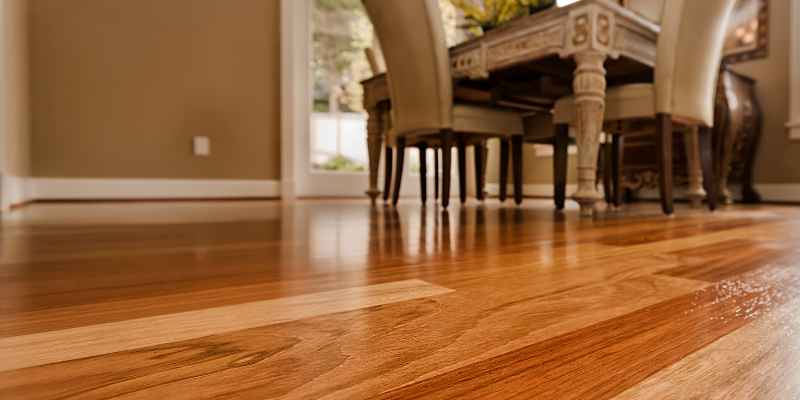
The Brazilian Cherry engineered hardwood flooring boasts deep coffee and auburn hues that add warmth and richness to any room. Its natural knotting and distressed finish further accentuate the authenticity of the wood, creating a unique and inviting atmosphere. The distinct natural wood grain patterns of Brazilian Cherry add character and charm to the flooring, making each plank a work of art in itself.
Style And Finish Varieties
When it comes to style and finish, Brazilian Cherry engineered hardwood flooring offers a wide range of options to suit various design preferences. From contemporary to modern looks, the flooring comes in clear premium finishes that highlight the natural beauty of the wood. Additionally, the flooring is available in plank/board and lumber styles, catering to different installation and aesthetic needs.
Does Brazilian Cherry Flooring Darken Over Time?
Yes — more than almost any other flooring species. Brazilian cherry is highly photosensitive and does most of its darkening in the first 90 days of light exposure, shifting from bright orange-red toward a deeper auburn-brown, then continuing to darken slowly for years afterward. Buy the color you see in the box, not the color you want long-term — rugs or furniture left in place during that window can leave a visible lighter “shadow” once you move them. If you’d rather manage the color shift with a stain than wait it out, see our Brazilian cherry stain options guide.
Durability And Hardness
Brazilian Cherry Engineered Hardwood Flooring offers exceptional durability and hardness. With its attractive appearance and easy-to-clean features, it is a perfect choice for long-lasting and resilient flooring. Experience the rich color and hardness of Brazilian Cherry for your space.
Resistant To Wear And Tear
Brazilian Cherry Engineered Hardwood Flooring is known for its exceptional durability and hardness, making it highly resistant to wear and tear. This type of flooring is designed to withstand heavy foot traffic and daily use, making it an excellent choice for high-traffic areas in both residential and commercial spaces.
One of the main factors contributing to its durability is the natural hardness of Brazilian Cherry wood — one of the hardest species used in flooring today.
Comparing Jatoba To Other Woods
When comparing Brazilian Cherry (Jatoba) to other woods, its hardness stands out. Flooring retailers commonly list its Janka rating at 2350, while The Wood Database’s lab-tested figure runs higher at 2690 — either number is significantly higher than oak (around 1290) and maple (around 1450). If you want the single hardest option instead, Brazilian walnut (Ipe) tops the list at well above 3000.
Not only does Brazilian Cherry offer exceptional hardness, but it also boasts a beautiful aesthetic appeal. The deep coffee and auburn hues, along with natural knotting and a distressed finish, add character and warmth to any space.
In addition to its durability, Brazilian Cherry Engineered Hardwood Flooring is easy to clean and maintain. Regular sweeping and occasional mopping with a hardwood floor cleaner are usually sufficient to keep it looking its best.
Overall, Brazilian Cherry Engineered Hardwood Flooring is a top choice for those seeking durability, hardness, and a stunning appearance.
Wear-Layer Thickness And Refinishing Limits
Engineered Brazilian cherry can be refinished, but only within the limits of its wear layer — the solid veneer sitting on top of the plywood core. A 1-2mm wear layer, common on budget lines, supports one light screen-and-recoat and maybe a second light pass. A 3mm layer typically allows one full sanding. Only 4-6mm wear layers can handle multiple refinishes over the floor’s lifetime the way solid Brazilian cherry can. Check the manufacturer’s spec sheet for wear-layer thickness before you buy if you expect to refinish down the road.
“I always check wear-layer thickness before recommending engineered Brazilian cherry for a full room — a 2mm layer means one light screen-and-recoat in the floor’s whole lifetime, not the two or three sandings people assume solid wood gets. It’s the one spec on the box most homeowners skip past.”
— Md Meraj, Woodworking Advisor
Installation Process
When it comes to installing Brazilian Cherry Engineered Hardwood Flooring, proper preparation and the right tools are essential for a successful installation. In this step-by-step guide, we will walk you through the installation process to help you achieve a beautiful and durable flooring result.
Preparation And Tools Needed
Before you begin installing your Brazilian Cherry Engineered Hardwood Flooring, it is important to prepare the area and gather the necessary tools. Here are the steps and tools you will need:
- Clear the installation area of any furniture, appliances, or debris.
- Ensure that the subfloor is clean, dry, and level. If necessary, use a leveling compound to even out any uneven areas.
- Acclimate the flooring to the room’s temperature and humidity for at least 48 hours prior to installation.
- Gather the following tools:
- Tape measure
- Pry bar
- Chalk line
- Safety goggles
- Hammer or flooring nailer
- Screwdriver or drill
- Moisture barrier or underlayment
- Saw (circular or miter) with a fine-tooth blade
- Wood adhesive or flooring glue
- Spacers
- Finishing nails
- Touch-up kit or wood filler
- Clean cloth
Step-by-step Guide
Now that you have gathered all the necessary tools and prepared the area, follow these steps to install your Brazilian Cherry Engineered Hardwood Flooring:
- Start by laying down a moisture barrier or underlayment to protect the flooring from moisture and provide sound insulation.
- Begin the installation in a corner of the room, laying the first row of flooring with the tongue side facing the wall. Use spacers to maintain a consistent expansion gap along the walls.
- Secure the first row by either nailing or gluing the boards to the subfloor, following the manufacturer’s instructions.
- Continue installing subsequent rows, ensuring that the boards are securely locked together using the tongue and groove system.
- Use a circular or miter saw to cut the last board of each row to fit, leaving an expansion gap of approximately 1/4 inch along the walls.
- Repeat the installation process row by row until you reach the opposite wall.
- For the final row, measure and cut the boards to fit, leaving the same expansion gap.
- Once all the boards are installed, remove the spacers and install the baseboards or trim to cover the expansion gap.
- Inspect the entire installation for any gaps or imperfections and use a touch-up kit or wood filler to fill them.
- Clean the installed flooring with a damp cloth to remove any dust or debris.
Following these steps and using the appropriate tools will ensure a successful installation of Brazilian Cherry Engineered Hardwood Flooring. Enjoy the beauty and durability of your new flooring!
Maintenance And Care
Ensure the longevity and beauty of your Brazilian Cherry engineered hardwood flooring with proper maintenance and care. Regularly vacuum or sweep to remove debris, use a damp cloth for spills, and avoid harsh cleaning products to preserve its luster and durability.
Daily Cleaning Tips
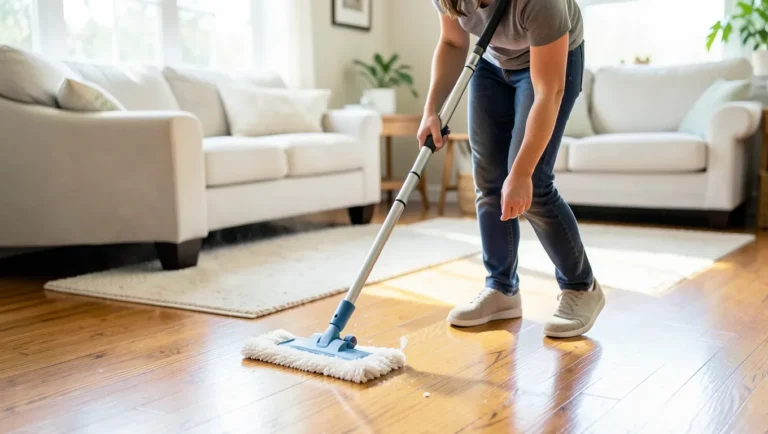
Maintaining Brazilian Cherry engineered hardwood flooring is easy if you follow some simple daily cleaning tips. Sweeping or vacuuming the floor daily will help to remove dirt, dust, and debris. Use a soft-bristled broom or a vacuum cleaner with a hardwood floor attachment to avoid scratches. You can also use a microfiber mop to remove any remaining dirt and dust. Avoid using any harsh cleaning products or excessive water on the floor. Instead, use a slightly damp mop or cloth to clean up any spills or stains.
Long-term Upkeep
To maintain the beauty and durability of Brazilian Cherry engineered hardwood flooring, it’s important to follow some long-term upkeep tips. Protect the floor from scratches and dents by placing felt pads under the furniture legs. Avoid walking on the floor with high heels or shoes with sharp edges. Direct sunlight can cause the color of the floor to fade over time, so it’s recommended to use curtains or blinds to protect the floor from direct sunlight. Additionally, it’s recommended to screen-and-recoat every 3-5 years — check the wear-layer limits above before scheduling a full sanding.
Cost Analysis
Engineered Brazilian cherry typically runs $4-$9 per square foot for materials — roughly half what solid Brazilian cherry costs per square foot — plus $3-$8 per square foot for professional installation depending on subfloor prep and region. Thicker wear layers and wider planks push toward the top of both ranges.
Price Range And Factors
When it comes to choosing Brazilian Cherry Engineered Hardwood Flooring, the cost can vary depending on several factors. One of the main factors that influence the price is the type of wood used in the flooring. Brazilian Cherry is known for its durability and high-quality, which makes it more expensive than other types of wood flooring. Another factor to consider is the thickness of the planks, as thicker planks tend to be more expensive than thinner ones. The installation cost can also vary depending on the complexity of the project and the location of the installation.
Investment Vs. Value
Despite the initial investment, Brazilian Cherry Engineered Hardwood Flooring can add value to your home in the long run. It is a durable and attractive flooring option that can increase the resale value of your property. Additionally, this type of flooring is easy to clean and maintain, which can save you money on maintenance costs over time. Choosing Brazilian Cherry Engineered Hardwood Flooring can be a smart investment for homeowners who want to upgrade their home’s flooring and increase its overall value.
Environmental Impact
When it comes to choosing flooring options, it is important to consider the environmental impact of the materials. Brazilian Cherry engineered hardwood flooring offers a sustainable and eco-friendly choice for homeowners. In this section, we will explore the sustainable forestry practices and compare the environmental footprint of engineered and solid wood flooring.
Sustainable Forestry Practices
Sustainable forestry practices are essential for preserving the environment and ensuring the long-term availability of wood resources. Brazilian Cherry engineered hardwood flooring is sourced from responsibly managed forests that follow sustainable forestry practices. These practices include:
- Implementing reforestation programs to replace harvested trees
- Promoting biodiversity by preserving native flora and fauna
- Adhering to strict regulations to prevent deforestation
- Engaging in community partnerships to support local economies
By choosing Brazilian Cherry engineered hardwood flooring, you can contribute to the conservation of forests and support sustainable forestry practices.
Engineered Vs. Solid Wood Footprint
Engineered hardwood flooring offers several environmental advantages compared to solid wood flooring. Here are some key differences in their environmental footprint:
| Engineered Wood | Solid Wood | |
|---|---|---|
| Resource Efficiency | Utilizes a thin layer of hardwood veneer over a plywood or high-density fiberboard (HDF) core, reducing the amount of harvested wood | Requires a larger amount of solid wood for each plank |
| Stability | Less prone to warping and shrinking due to its multi-layered construction, reducing the need for replacements | More susceptible to changes in humidity, which may lead to warping and shrinking, requiring more frequent replacements |
| Waste Reduction | Produces less waste during manufacturing as smaller sections of hardwood can be used effectively | May generate more waste during manufacturing due to the need for larger pieces of solid wood |
By choosing Brazilian Cherry engineered hardwood flooring, you not only benefit from its durability and aesthetic appeal, but also contribute to a more sustainable and environmentally-friendly flooring option.
Where To Purchase
Brazilian cherry engineered hardwood is sold through national flooring chains, big-box home centers, and specialty exotic-hardwood importers that carry Jatoba specifically — the specialty importers usually stock wider planks and more wear-layer options than big-box stores do.
Finding Reliable Retailers
Whichever retailer you choose, ask for the wear-layer thickness spec and the finish warranty in writing before you buy — both vary more between product lines than between store brands, and neither shows up clearly in most online listings.
Online Vs. In-store Shopping
Online retailers make it easy to compare prices and order free samples before committing. In-store shopping lets you see the actual color and grain in person — worth doing for Brazilian cherry specifically, since sample swatches photograph lighter than the floor will look after a few months of the darkening described above.
Consumer Reviews
Brazilian Cherry engineered hardwood flooring has garnered a wide range of consumer reviews, with homeowners sharing their real-life experiences and insights into the pros and cons of this popular flooring option.
Real-life Installations
Many homeowners have shared their experiences with installing Brazilian Cherry engineered hardwood flooring in their homes. The majority express satisfaction with the overall installation process, noting that the flooring provides a stunning and durable addition to their living spaces. With its rich, warm tones and smooth finish, Brazilian Cherry flooring has been praised for its ability to elevate the aesthetic appeal of various rooms.
Pros And Cons From Homeowners
Homeowners have highlighted several key advantages of Brazilian Cherry engineered hardwood flooring, including its exceptional durability, easy maintenance, and timeless elegance. The flooring’s resistance to wear and tear, as well as its ability to withstand heavy foot traffic, has been widely praised. On the flip side, some homeowners have pointed out that Brazilian Cherry flooring may darken over time, which could be considered a drawback by those seeking to maintain its original color.
Frequently Asked Questions
Is Brazilian Cherry Wood Good For Flooring?
Yes, Brazilian cherry wood is excellent for flooring due to its durability and attractive reddish-brown color.
Do Brazilian Cherry Floors Scratch Easily?
Brazilian cherry floors are not easily scratched. They are known for their durability and hardness, making them resistant to scratches and wear.
What Colors Go With Brazilian Cherry Floors?
Neutral colors like beige, cream, and white complement Brazilian cherry floors. Earthy tones like brown, olive green, and rust also work well. Avoid bright or bold colors that clash with the warm, rich tones of the wood. Stick to a color palette that creates a cozy and inviting atmosphere.
Is Brazilian Cherry Expensive?
Brazilian cherry can be expensive due to its durability and rich color. Prices vary, but it’s generally considered a high-end option.
How Long Does It Take Brazilian Cherry Flooring To Darken?
Most of the darkening happens within the first 90 days of light exposure. Brazilian cherry is highly photosensitive and shifts from bright red-orange to a deeper auburn-brown during that window, then keeps darkening slowly for years afterward.
How Many Times Can You Refinish Engineered Brazilian Cherry?
It depends on the wear-layer thickness. A 1-2mm wear layer supports one light screen-and-recoat, a 3mm layer typically allows one full sanding, and only 4-6mm wear layers can handle multiple refinishes over the floor’s lifetime.
Conclusion
Brazilian Cherry engineered hardwood flooring is a top choice for its durability and attractive finish. Its rich color and natural wood grain add a touch of elegance to any space. With its exceptional hardness, easy installation, and easy maintenance, it’s a practical and stylish flooring option.
Sponsored / affiliate links. As an Amazon Associate I earn from qualifying purchases. I may earn additional commission from eligible campaigns.