Composite Decking Versus Wood Decking Costs Explained
Thinking about building a deck is exciting, but figuring out the cost can be tricky. Many people wonder, How Much More Is Composite Decking Than Wood? It’s a common question because both materials have pros and cons. Don’t worry, we’ll break it down in simple terms. We’ll explore the differences and show you a simple way to compare costs. Let’s start with a look at what each material offers.
Decking Material Breakdown
Choosing the right decking material involves many things. Understanding the differences between composite and wood is key. You’ll want to think about initial costs, how long it will last, and the upkeep required. This part will examine the main options. We’ll explore their benefits and drawbacks, helping you make a choice that is right for you. We’ll begin by examining the unique characteristics of each type of decking.
The Basics of Wood Decking
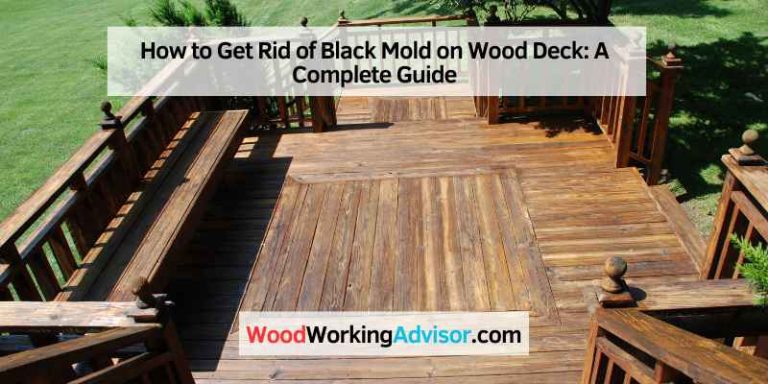
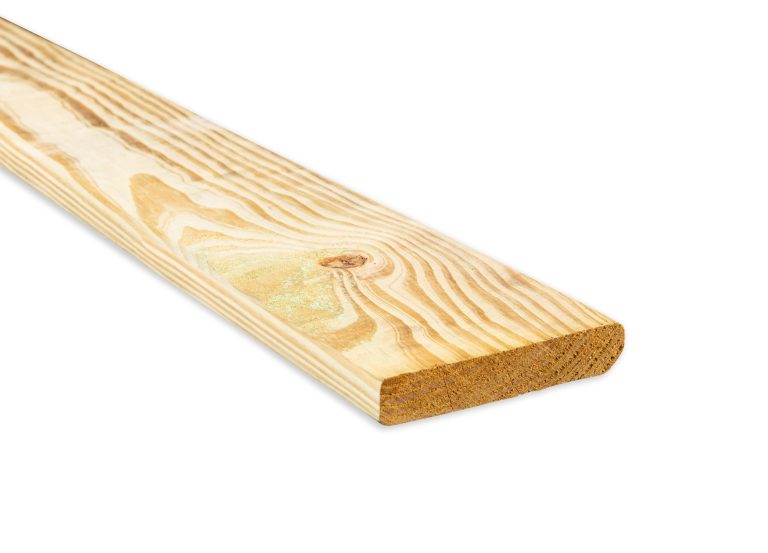
Wood decking has been a popular choice for many years. It’s often chosen for its natural look and lower initial price. However, wood needs regular care. You have to clean, stain, and seal it to keep it looking great. Wood decks can also be affected by weather. This is why you need to protect it against moisture and sun. If you don’t take care of a wood deck, it can rot, warp, or crack over time. This makes it an attractive option for people who enjoy doing outdoor projects. But, the care needed can be time-consuming and expensive. Many homeowners must repair or replace it faster than composite.
- Variety of Wood Species: Wood decking comes in many types. Each wood species has a different look, feel, and cost. Some popular choices are pressure-treated pine, cedar, redwood, and exotic hardwoods. Each offers varying levels of durability and aesthetic appeal. Pressure-treated pine is often the most budget-friendly, while hardwoods like Ipe offer greater longevity.
- Natural Appearance and Feel: Wood has a warm, natural look that many homeowners like. It has a unique grain pattern and texture. This gives any deck a classic look. Over time, the wood’s appearance can change. It often weathers to a silvery gray. Some homeowners love this aged look, but many want to maintain the original look by staining or sealing regularly.
- Cost Considerations: The initial cost of wood decking is usually lower than composite. But, this isn’t always the case. The price depends on the wood species you select. Pressure-treated pine is generally the most affordable. Cedar and redwood are in the mid-range. Exotic hardwoods are more expensive. Don’t forget, wood needs extra costs to maintain it.
Exploring Composite Decking
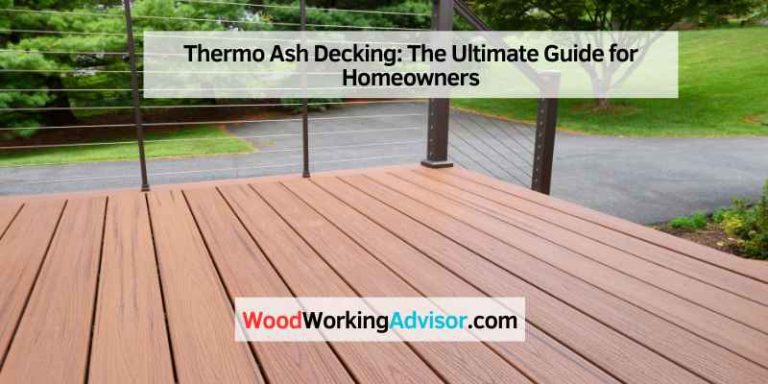
Composite decking is a mix of wood fibers and plastic. It’s becoming more popular because it’s low-maintenance and durable. Composite decking often lasts for many years. It doesn’t need to be stained or sealed. This is a big plus for people who don’t want to spend their weekends on deck care. Although the first cost of composite decking is often higher than wood, it often pays off in the long run. There are many options when picking out your decking. These include a variety of colors and styles. Making sure your deck matches your home is easy.
- Low Maintenance Requirements: One of the best things about composite decking is that it needs very little care. You don’t need to stain or seal it. You can clean it with soap and water to keep it looking nice. This saves time and money. It also means less work for you, letting you enjoy your deck more.
- Durability and Longevity: Composite decking is made to last. It is resistant to rot, insects, and fading. Because of this, composite decks often last for decades. This is longer than wood decks. You won’t have to worry about replacing your deck for a long time.
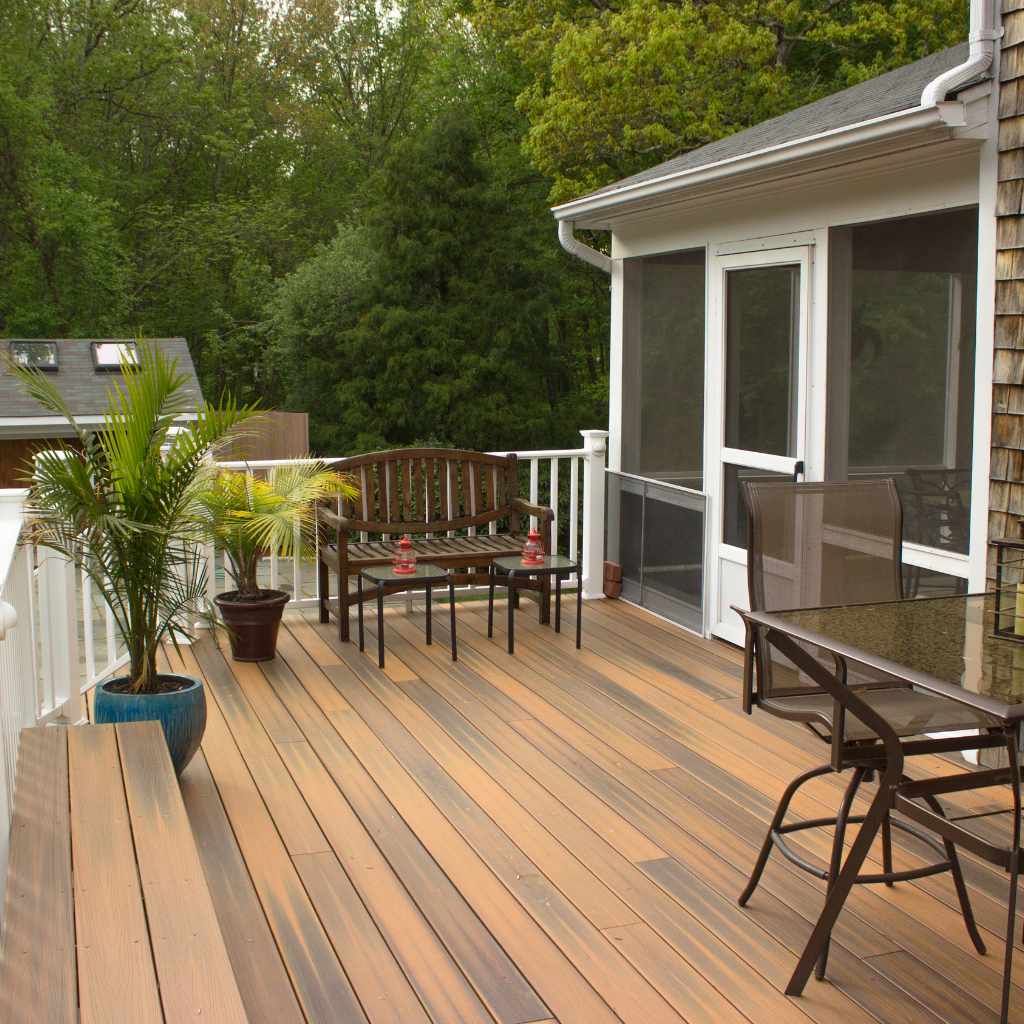
- Variety of Styles and Colors: Composite decking is available in many styles and colors. You can find decking to match any home design. You can also pick a color that won’t fade as fast. Many companies offer different textures that look like wood. These options make it easy to make your dream deck.
Comparing the Two
When comparing composite decking with wood decking, you will want to consider the details. Wood is often cheaper at first, but costs more in the long run. Composite costs more at the start but doesn’t require as much upkeep. Think about how much time you want to spend on maintenance and how long you want your deck to last. You also want to consider the look you want. Do you want the natural look of wood, or the modern look of composite? Considering these points can help you make a smart choice.
| Feature | Wood Decking | Composite Decking |
|---|---|---|
| Initial Cost | Generally Lower | Generally Higher |
| Maintenance | High (Staining, Sealing) | Low (Cleaning only) |
| Durability | Moderate (Susceptible to rot, insects) | High (Resistant to rot, insects, fading) |
| Lifespan | Shorter (10-15 years with maintenance) | Longer (25+ years) |
| Appearance | Natural wood grain | Variety of colors and textures |
Cost Breakdown: What Impacts Decking Prices?
The total cost of your deck isn’t just about the price of the boards. Several factors play a role in the total price of your deck. Understanding these elements can help you create a budget. It also helps you make informed choices. The cost of a deck can change a lot. This depends on where you live, the size of your deck, and the choices you make. Let’s explore these factors in detail.
Material Prices and Variations
The cost of decking materials is a big part of the total cost. Wood prices change based on the species. Pressure-treated pine is usually the cheapest. Cedar and redwood are a bit more costly. Exotic hardwoods are the most expensive. Composite decking prices also vary. Different brands and grades have different prices. High-end composite can be more expensive than some types of wood. It’s good to get prices for each material. This helps you compare and make a smart decision. The price of materials often changes. Checking with local stores will give you the most accurate cost.
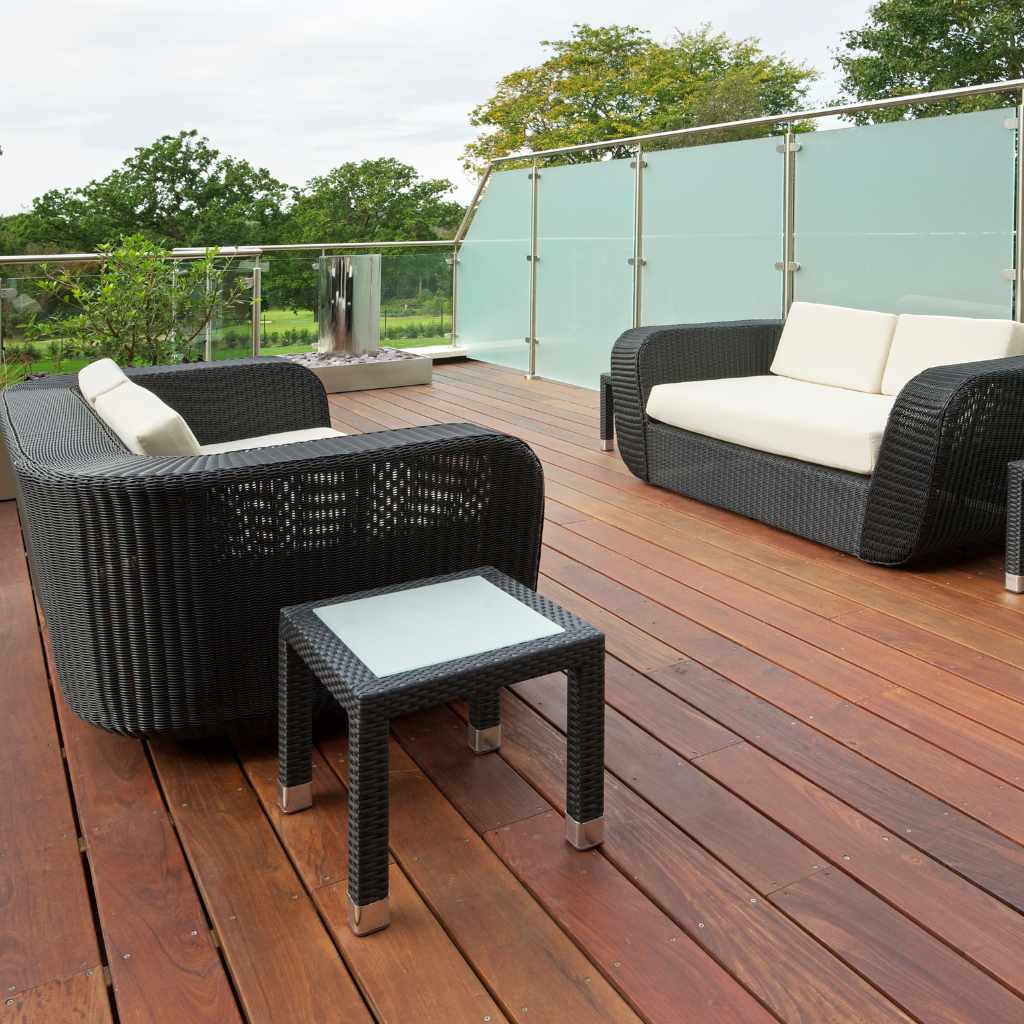
- Wood Species: Different wood types affect the price. Pressure-treated pine is generally the most budget-friendly. Cedar and redwood offer better durability and a nicer look. Exotic hardwoods like Ipe or Mahogany are the most expensive. They offer the best lifespan. The price reflects the wood’s durability, appearance, and rarity.
- Composite Decking Grades: Composite decking comes in different grades. Lower grades may be less expensive. They may not last as long or look as good. Higher grades have better warranties and often come with more realistic wood grain looks.
- Material Availability: The supply of decking materials can affect prices. If a material is hard to find or is in high demand, the price may go up. This is especially true with certain wood species or specialty composite products.
Labor and Installation Expenses
If you’re not planning to build the deck yourself, labor costs are important. These costs can be a big part of the total project. The cost of labor varies based on many things. These include your location, the size of your deck, and how complex the design is. Builders often charge by the square foot or by the hour. It’s smart to get quotes from a few different contractors. This lets you compare prices and find someone you trust. The more complicated the deck is, the higher the labor costs will likely be. This can be things like stairs, curves, or special features.
- Deck Size and Complexity: A larger deck will take more time and work to build. More complex designs with stairs, curves, or multiple levels also increase labor costs. Simple, rectangular decks are usually cheaper to build than decks with lots of features.
- Contractor Fees: Contractors may charge different rates. Get quotes from several contractors. Compare their prices and what they offer. This will ensure you are getting a fair price.
- Permits and Regulations: Local building codes and permits are something to keep in mind. You’ll probably need permits for your deck. The cost of permits varies by location. Make sure the contractor includes these in the total price.
Additional Costs to Consider
Apart from materials and labor, there are other costs to think about. These can include things like fasteners, railing, and other extras. Many projects require railings. The type of railing you select impacts the cost. Things like fasteners are another cost to add. These include screws, nails, and other connectors used to build the deck. These costs add up, so it’s smart to plan for them in your budget. It’s good to consider everything. This helps you avoid surprises later on.
- Fasteners and Hardware: The type of screws and other fasteners can affect the cost. It is smart to use high-quality, corrosion-resistant screws. These last longer and prevent problems like rust.
- Railings and Accessories: Railings, stairs, and other deck features add to the total cost. The price depends on what you pick. Simple wooden railings are cheaper than complex metal ones. Extras like built-in benches or lighting also cost more.
- Permitting and Inspections: Permits are needed for all decks. The cost depends on where you live. Inspections during the building process are also necessary to make sure the deck is safe and meets local codes.
Comparing Costs: Wood Versus Composite
Now, let’s look at a direct comparison of the costs for wood and composite decking. This comparison includes the starting cost and the long-term expenses. We’ll examine how things like maintenance and lifespan affect the total cost. This will help you see the real cost of each option. This comparison will consider both the upfront cost and the long-term savings of composite decking.
Initial Costs: A Detailed Look
The initial cost is usually what people look at first. It is the amount you pay for the materials and labor to build the deck. Wood decking is often cheaper at first. The price of wood varies based on the species. Pressure-treated pine is usually the most affordable. Composite decking costs more upfront. The price depends on the brand and grade of the composite. It’s important to get quotes for materials and labor. This helps you get a clear view of the initial costs. Also, consider the total price, including any extra costs for things like fasteners or permits.
- Wood Decking Initial Costs: Pressure-treated pine is typically the most affordable. Other wood types, like cedar and redwood, will cost more. The price difference depends on where you live and the market.
- Composite Decking Initial Costs: Composite decking tends to have a higher initial cost. The price varies by brand and features. Premium composite decking can be more expensive than some wood species.
- Labor Costs: Labor costs are a part of the total price for both wood and composite. These costs can vary based on where you live and the contractor’s fees. More complex designs usually increase labor costs.
Long-Term Expenses and Savings
Although wood decking may be cheaper at first, the long-term costs must be considered. Wood requires ongoing maintenance. This includes cleaning, staining, and sealing. This means you must buy materials and spend time working on the deck. Composite decking is low-maintenance. This is a big money saver. There are no costs for staining or sealing. You only have to clean it. Over many years, the savings in maintenance costs with composite can be big. The longer lifespan of composite also means you won’t need to replace your deck as often.
- Maintenance Costs for Wood: Wood decks must be stained or sealed every few years. The cost for these materials and labor adds up over time. Regular cleaning is needed to stop the growth of mildew and algae.
- Maintenance Costs for Composite: Composite decking requires minimal maintenance. You only need to clean it with soap and water to keep it looking great.
- Lifespan and Replacement Costs: Wood decks may need to be replaced sooner. Composite decks last much longer. This can save you money on replacement costs in the long run.
Calculating the Total Cost Over Time
To see the real cost, you need to consider the total cost over the deck’s life. This includes both the initial price and the cost of maintenance and repairs. Here is a simple example. Let’s say you build a deck with wood, and it costs $5,000 to start. You will have to spend $500 every five years for staining and sealing. Over 15 years, you will spend $1,500 on upkeep. Now, let’s say you build a deck with composite. It costs $8,000 to start, but you spend very little on maintenance. Over the same 15 years, you may save money by not having to maintain the deck. You also won’t have to replace it. A full cost analysis can help you make a smart decision.
- Example: Wood Deck Cost
- Initial Cost: $5,000
- Staining/Sealing Every 5 Years: $500
- Total Maintenance Over 15 Years: $1,500
- Potential Replacement Cost After 15 Years: $5,000 (Estimate)
- Total Cost Over 15 Years: $11,500
- Example: Composite Deck Cost
- Initial Cost: $8,000
- Annual Cleaning: $50
- Total Maintenance Over 15 Years: $750
- Replacement Cost: $0 (Deck lasts 25+ years)
- Total Cost Over 15 Years: $8,750
Making the Right Choice: Factors to Consider
Choosing between wood and composite decking is a big decision. Many factors affect your choice. These include your budget, how much time you want to spend on maintenance, and the look you want. It’s important to consider your lifestyle and how you’ll use your deck. This section will help you consider your wants and needs. This helps you select the best decking material for your project.
Lifestyle and Usage
Your lifestyle affects what decking material is right for you. If you’re busy and don’t have much time for home projects, composite decking is the best option. It is low-maintenance and saves you time. If you like to spend time doing home projects and enjoy the natural look of wood, wood decking may be a good choice. Consider how you will use the deck. Do you plan to host parties, relax, or have pets? All of these things play a role. Also think about the amount of sun and weather the deck will be exposed to. Composite decking does well in all conditions.
- Maintenance Preferences: Do you want to spend your time maintaining your deck or using it? Composite decking is the best option if you want less upkeep. Wood decking needs more time and effort.
- Deck Usage: Think about how you’ll use your deck. If you have kids or pets, the durability of composite might be better. If you plan to host parties, think about the ease of cleaning.
- Environmental Conditions: The amount of sun, rain, and snow can affect your deck. Composite decking is less affected by the weather. Wood decking needs more care in harsh conditions.
Budget and Long-Term Goals
Your budget is important when selecting decking materials. Wood decking often has a lower initial cost. Composite decking costs more at first. Think about your long-term goals. How long do you plan to stay in your home? The lifespan of the deck affects the overall cost. Composite decking usually lasts longer. This can save you money on replacement costs. Also, consider the value that each material adds to your home. A well-maintained deck adds value. So, consider how much you can spend now, and how much you can save in the long run.
- Initial Budget: How much money are you ready to spend at the beginning? Wood decking is often more budget-friendly. Composite decking costs more upfront.
- Long-Term Cost Analysis: Consider how maintenance costs and the lifespan impact the price over time. Composite decking often saves you money in the long run.
- Home Value: A nice deck can increase the value of your home. Both wood and composite decking can improve your home.
Comparing Decking Material
Use these tips when comparing decking materials: Get quotes from contractors for each material. Compare the prices. Also, get information about maintenance needs and the warranty. Visit local home improvement stores. You can also view different brands and styles. Ask about the quality and performance of each material. Consider the total cost. Think about the initial price, maintenance costs, and lifespan. This will make it easier to decide.
- Research Brands: Check different composite decking brands. Read reviews and ask for samples. Some brands have better warranties or more realistic wood looks.
- Get Multiple Quotes: Ask for quotes from different contractors. Be sure to include the cost of materials and labor. Compare the details to find the best deal.
- Consider Resale Value: If you plan to sell your home, consider how each decking material will affect its value. A well-built deck always adds value to a home.
Frequently Asked Questions
Question: Is composite decking really worth the extra money?
Answer: It often is, yes. While the initial cost is higher, the low maintenance and long lifespan of composite decking can save you money and time in the long run, making it a valuable investment.
Question: How long does a wood deck typically last?
Answer: With regular maintenance, a wood deck can last 10 to 15 years. This includes cleaning, staining, and sealing every few years.
Question: Does composite decking fade over time?
Answer: Modern composite decking is made to resist fading. Most brands offer fade-resistant products that retain their color for many years, but some minor fading may still occur.
Question: Can I install a composite deck myself?
Answer: Yes, you can. It’s often easier than installing a wood deck. Composite decking usually comes with simple installation instructions. Many DIYers have successfully installed composite decks, but you can always hire a pro.
Question: What are the main advantages of wood decking?
Answer: The primary advantages of wood decking are its natural appearance, lower initial cost, and the satisfaction many homeowners experience in working with a natural material.
Final Thoughts
Determining How Much More Is Composite Decking Than Wood? involves considering several factors, beyond just the materials costs. Wood offers an attractive initial price but needs regular care. Composite, while more expensive upfront, provides cost savings through less maintenance and a longer lifespan. The best choice depends on your budget, lifestyle, and how you will use the deck. For those seeking long-term value and less upkeep, composite decking is often the smart option. If you are comfortable with regular maintenance and prefer the look and feel of natural wood, then wood decking might be a better choice. Consider all the details. Get quotes. Compare your options. By weighing these factors, you can pick the best decking material for your house.