
The Ultimate Guide to Cordless Handheld Circular Saws: My Journey and Insights for Woodworkers
Hey there, fellow woodworker! If you’re like me, you’ve probably spent countless hours in your workshop, dreaming up projects and bringing them to life with the hum of a saw. There’s something incredibly satisfying about making clean, precise cuts through a piece of wood, isn’t there? Over the years, I’ve explored all sorts of tools, but one that’s become a game-changer in my woodworking adventures is the cordless handheld circular saw. These portable powerhouses have transformed how I work, giving my DIY projects a professional edge without tying me to a power outlet. In this guide,
I’m sharing everything I’ve learned about cordless handheld circular saws—what makes them special, how to choose the right one, and why they’re a must-have for any woodworker in the USA. So, grab a coffee, settle in, and let’s dive into the world of cordless circular saws together!
Why Cordless Handheld Circular Saws Are a Woodworker’s Best Friend
Let me tell you a quick story. A few years back, I was working on a backyard deck project. My old corded circular saw was great, but dragging an extension cord across the yard was a nightmare. It kept getting tangled, and I was constantly worried about tripping over it or accidentally cutting it. That’s when I decided to give a cordless handheld circular saw a try, and I haven’t looked back since. These saws are all about freedom and flexibility. They’re powered by rechargeable batteries, so you can take them anywhere—your garage, a job site, or even up a ladder for some treehouse-building fun.
What I love most is how they combine power with portability. Modern cordless saws have come a long way, thanks to advancements in battery technology. They’re not just for light-duty tasks anymore; they can handle tough cuts through hardwood, plywood, and even some metals with the right blade. Plus, they’re lightweight, easy to maneuver, and perfect for those tight spaces where a corded saw just won’t do. Whether you’re a weekend DIYer or a seasoned pro, a cordless circular saw can make your projects faster, safer, and more enjoyable.
Understanding the Basics: What Is a Cordless Handheld Circular Saw?
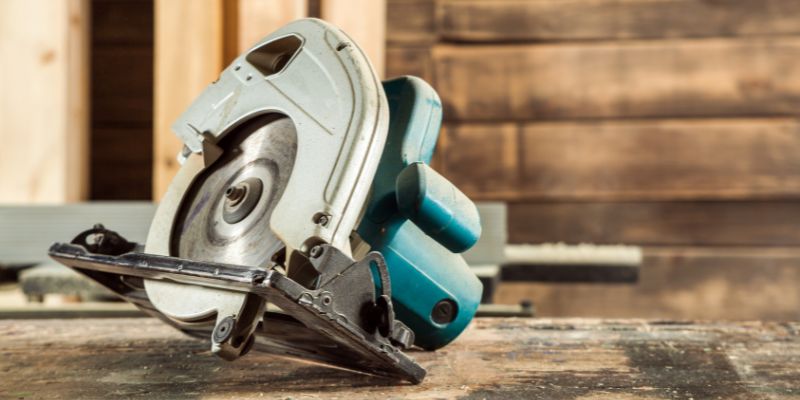
If you’re new to woodworking or just curious, let’s break it down. A cordless handheld circular saw is a portable power tool with a round, toothed blade that spins at high speeds—usually between 4,000 and 6,000 RPM—to cut through materials like wood, plastic, or metal. Unlike its corded cousin, it runs on a rechargeable lithium-ion battery, which means no cords to worry about. The blade is mounted on a base plate (also called a shoe), which you guide along the material to make straight or angled cuts.
I remember the first time I picked one up—it felt like holding a little beast! The motor drives the blade, and with a pull of the trigger, you’re slicing through lumber like butter. These saws come in different sizes, typically with blades ranging from 4-1/2 to 7-1/4 inches, and they’re designed for versatility. You can use them for crosscuts, rip cuts, bevel cuts, or even plunge cuts if you’re feeling fancy. They’re a staple in my workshop because they’re so easy to use, even for beginners, and they pack enough power for most woodworking tasks.
Key Features to Look for in a Cordless Circular Saw
When I started shopping for my first cordless circular saw, I was overwhelmed by the options. There are so many brands and features out there! Over time, I’ve learned what really matters. Here are the key features I recommend focusing on to find the perfect saw for your needs:
Battery Voltage and Runtime
The heart of any cordless saw is its battery. Most models run on 18-volt or 20-volt lithium-ion batteries, which offer a great balance of power and runtime. I’ve found that 20-volt saws, like those from DEWALT or Milwaukee, give me enough juice to tackle a full day of cutting without constantly recharging. Look for an amp-hour (Ah) rating—higher numbers, like 5.0 Ah or more, mean longer runtime. If you’re working on big projects, consider getting a saw that’s compatible with your existing battery system to save money on extra batteries and chargers.
Blade Size and Cutting Depth
Blade size determines how deep your saw can cut. The most common sizes are 6-1/2 and 7-1/4 inches. A 7-1/4-inch blade can cut through materials up to 2-1/2 inches thick, which is perfect for 2x4s or plywood. Smaller blades, like 4-1/2 inches, are great for thinner materials or tight spaces but won’t handle heavy-duty tasks as well. I usually keep a 7-1/4-inch saw for most projects and a compact 4-1/2-inch model for quick, light cuts.
Brushless Motor
If you want a saw that lasts longer and works harder, go for a brushless motor. I learned this the hard way after burning out a brushed motor on an older model. Brushless motors are more efficient, generate less heat, and extend battery life. They also require less maintenance, which is a big win for me since I’d rather spend my time woodworking than fixing tools.
Bevel Capacity and Adjustability
Sometimes, you need to make angled cuts for projects like furniture or trim work. A good cordless saw should have a bevel capacity of at least 45 degrees, with some models, like the Makita DHS680Z, going up to 50 degrees. I always check how easy it is to adjust the bevel and depth settings. Look for large, easy-to-read scales and smooth adjustment knobs to save time and frustration.
Safety Features
Safety is huge when you’re working with a spinning blade. I always look for an electric brake that stops the blade quickly when I release the trigger. It’s saved me from a few close calls! Other features, like a sturdy blade guard and a lock-off switch, are must-haves to prevent accidental starts. Some saws also have LED lights or dust blowers to keep your cut line clear, which I find super helpful when working in dim or dusty conditions.
Build Quality and Ergonomics
A saw that feels good in your hands makes all the difference. I prefer models with magnesium or aluminum base plates—they’re lightweight yet durable. A comfortable, over-molded grip reduces fatigue during long cutting sessions. Also, check the balance. A well-balanced saw feels less heavy, even if it’s on the heavier side, like some worm-drive models.
Here’s a quick table to summarize what to look for:
| Feature | Why It Matters | My Recommendation |
|---|---|---|
| Battery Voltage | Determines power and runtime | 18V or 20V for most tasks |
| Blade Size | Affects cutting depth and versatility | 7-1/4” for general use, 4-1/2” for compact |
| Brushless Motor | Increases efficiency and durability | Always choose brushless if possible |
| Bevel Capacity | Allows angled cuts for creative projects | At least 45° |
| Safety Features | Prevents accidents and improves visibility | Electric brake, LED light, dust blower |
| Build Quality | Ensures durability and comfort during use | Magnesium or aluminum base, ergonomic grip |
Types of Cordless Circular Saws: Which One Suits You?
Not all cordless circular saws are created equal. I’ve used a few different types over the years, and each has its strengths. Here’s a rundown of the main types and when to use them:
Sidewinder Saws
These are the most common cordless circular saws. The motor sits beside the blade, making them compact and lightweight. I use my DEWALT DCS391B sidewinder for most of my projects because it’s easy to handle and cuts through plywood and 2x4s like a champ. They’re great for DIYers and general woodworking tasks.
Worm-Drive Saws
Worm-drive saws have the motor in line with the handle, which gives them more torque for heavy-duty cutting. They’re a bit heavier and often more expensive, but they’re perfect for framing or cutting thick hardwoods. I borrowed a friend’s cordless worm-drive saw for a big deck project, and it powered through pressure-treated lumber without breaking a sweat.
Compact Circular Saws
These are the babies of the bunch, with smaller blades (usually 4-1/2 to 5-1/2 inches) and lightweight designs. I keep a Kobalt 24-volt compact saw for quick cuts or working in tight spaces, like when I’m installing trim or cutting thin panels. They’re not as powerful, but their portability is unbeatable.
Plunge Saws
Plunge saws are less common but super cool for precision work. The blade is enclosed in a guard and “plunges” into the material when you press down. I’ve used one for cutting cabinet-grade plywood with a homemade track jig, and the results were clean and splinter-free. They’re pricier, so I’d only recommend them if you do a lot of sheet goods.
Choosing the Right Blade for Your Cordless Circular Saw
The blade is the heart of your saw, and I can’t stress enough how much it affects your cuts. Early on, I made the mistake of using a cheap blade, and my cuts were rough and splintery. Now, I always invest in high-quality blades. Here’s what I’ve learned about choosing the right one:
- Tooth Count: More teeth (like 40 or 60) give smoother cuts, ideal for plywood or finish work. Fewer teeth (like 24) are better for fast, rough cuts in framing lumber.
- Blade Material: Carbide-tipped blades are my go-to because they stay sharp longer and handle tough materials.
- Specialty Blades: For non-wood materials like metal or masonry, get a blade designed for that purpose. I keep a separate metal-cutting blade for occasional projects.
- Kerf Width: Thin-kerf blades reduce strain on the battery and cut faster, but they’re less durable. I use them for lighter tasks to extend battery life.
Pro tip: Always check your blade for dullness. If it’s smoking the wood or making a weird noise, it’s time for a replacement. A sharp blade saves your saw’s motor and gives you cleaner cuts.
How to Use a Cordless Circular Saw Safely and Effectively
Using a cordless circular saw is pretty straightforward, but I’ve learned a few tricks to make it safer and more effective. Here’s my step-by-step guide based on years of trial and error:
- Gear Up: Always wear safety glasses and gloves. I also use earmuffs for long sessions because these saws can be loud. Tie back loose hair or clothing to avoid getting caught in the blade.
- Check Your Saw: Before you start, make sure the blade is sharp and the battery is charged. Check that the blade guard moves freely and the base plate is square.
- Mark Your Cut: Use a pencil and a straightedge to mark your cut line. I sometimes use a chalk line for long cuts on plywood. A laser guide or LED light on the saw helps keep you on track.
- Set the Depth: Adjust the blade depth so it’s just a bit deeper than the material you’re cutting—about 1/8 inch below. This reduces kickback and saves battery power.
- Secure the Material: Clamp your workpiece to a stable surface. I use sawhorses with clamps to keep everything steady.
- Start the Cut: Hold the saw with both hands, align the blade with your mark, and pull the trigger. Let the blade reach full speed before it touches the wood. Guide it steadily without forcing it.
- Finish Safely: Let the blade stop completely before setting the saw down. An electric brake makes this faster and safer.
One thing I wish I’d known earlier: use a straightedge or guide for long cuts. I made a DIY track jig from a piece of plywood, and it’s been a lifesaver for straight, clean cuts on sheet goods.
Maintaining Your Cordless Circular Saw for Longevity
I’ve learned that a little TLC goes a long way in keeping my saw in top shape. Here’s how I maintain mine:
- Clean Regularly: Sawdust can build up in the blade guard and motor vents. I use a brush and compressed air to clean it after every big project.
- Check the Blade: Replace dull or damaged blades to avoid straining the motor. I also wipe the blade with a cloth sprayed with WD-40 to prevent rust.
- Inspect the Battery: Store batteries in a cool, dry place and avoid letting them fully discharge. I rotate between two batteries to extend their life.
- Lubricate Moving Parts: A drop of oil on the blade guard pivot keeps it moving smoothly. I also check the base plate for dents or misalignment.
- Store Properly: Keep your saw in a case or bag to protect it from dust and damage. I hang mine on a wall rack to save space.
Taking care of your saw means it’ll be ready when you need it, and you’ll avoid costly repairs down the line.
My Top Cordless Circular Saw Recommendations
After trying out dozens of models, here are my top picks for cordless circular saws based on performance, value, and ease of use:
- DEWALT XR 20-Volt Max 7-1/4-Inch Circular Saw: This saw is a workhorse with a brushless motor and a magnesium shoe. It’s perfect for framing, decking, or general woodworking. The electric brake and LED light are big bonuses.
- Makita DHS680Z 18-Volt 165mm Circular Saw: Lightweight and precise, this saw is great for finish work. The twin LED lights and blower function make it easy to see your cut line.
- Milwaukee M18 Fuel 7-1/4-Inch Circular Saw: If you need power, this one delivers. It’s a bit pricier, but the brushless motor and long battery life make it worth it for heavy-duty tasks.
- Kobalt 24-Volt 4-1/2-Inch Compact Circular Saw: For small projects or tight spaces, this compact saw is a gem. It’s super lightweight and has a fixed-grip handle for comfort.
Each of these saws has its strengths, so choose based on your budget and project needs. I’ve used all of them at some point, and they’ve never let me down.
Why Cordless Circular Saws Are Worth the Investment
I’ll be honest—cordless circular saws can be a bit more expensive than corded ones, especially when you factor in batteries and chargers. But for me, the freedom to work anywhere without a cord is priceless. They’re versatile enough for everything from building furniture to framing a shed, and modern batteries mean you’re not sacrificing power. Plus, the safety features and ergonomic designs make them a joy to use. I’ve saved so much time and hassle on projects, and my cuts look more professional than ever.
If you’re on the fence, think about your projects. Do you work in places without easy access to power? Do you hate dealing with cords? If so, a cordless saw is a no-brainer. Start with a mid-range model from a reputable brand, and you’ll wonder how you ever lived without it.

Wrapping It Up: Your Next Step in Woodworking
As I sit here in my workshop, surrounded by the smell of fresh-cut wood and the hum of my tools, I can’t help but smile thinking about how much my cordless handheld circular saw has changed my woodworking game. It’s given me the freedom to create anywhere, the power to tackle tough cuts, and the confidence to make every project look its best. Whether you’re building a bookshelf, a deck, or just tinkering with some scrap wood, a cordless circular saw is a tool you’ll reach for again and again.
So, what’s next? Take a look at your projects and budget, and pick a saw that feels right for you. Stick with a trusted brand, invest in a good blade, and don’t skip the safety gear. I promise, once you make that first clean cut without a cord holding you back, you’ll be hooked. Happy woodworking, my friend—let’s keep creating!
Frequently Asked Questions
What’s the difference between a corded and cordless circular saw?
A corded circular saw plugs into an outlet, giving you unlimited runtime but limiting your mobility. A cordless saw runs on a battery, so you can work anywhere, but you’ll need to recharge or swap batteries. I find cordless saws more convenient for most projects, especially outdoors.
How long does a cordless circular saw battery last?
It depends on the battery’s amp-hour rating and what you’re cutting. A 5.0 Ah battery might last 1-2 hours of continuous cutting. I always keep a spare battery charged for longer projects to avoid downtime.
Can a cordless circular saw cut metal or masonry?
Yes, but you need the right blade. I use a carbide-tipped blade for wood and switch to a metal-cutting or masonry blade for other materials. Always check the blade’s compatibility with your saw.
Is a brushless motor worth the extra cost?
Absolutely! Brushless motors are more efficient, last longer, and save battery power. I noticed a big difference in performance when I switched to a brushless saw, and it’s saved me money on repairs.
How do I make straight cuts with a cordless circular saw?
Use a straightedge or a DIY track jig to guide the saw. I mark my cut line clearly and clamp a piece of plywood as a guide. Some saws have laser guides, but I find a physical guide more reliable.
Are cordless circular saws safe for beginners?
Yes, they’re easy to use with some practice. Start with safety gear, follow the manual, and practice on scrap wood. I always tell newbies to take it slow and keep both hands on the saw for control.