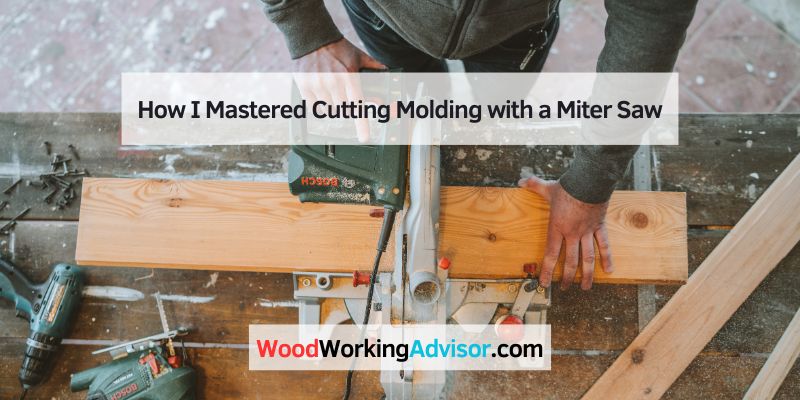
How I Mastered Cutting Molding with a Miter Saw
My first attempt at cutting molding with a miter saw was a mess. I was trying to spruce up my living room with crown molding, but my cuts were crooked, and the pieces didn’t fit. Sound familiar? Don’t worry! This guide will walk you through cutting molding with a miter saw like a pro, whether you’re a beginner, a DIY enthusiast, or an advanced woodworker. I’ll share easy steps, handy tips, and a few mistakes to avoid, all explained as if we’re chatting over a workbench.
What Is Cutting Molding with a Miter Saw?
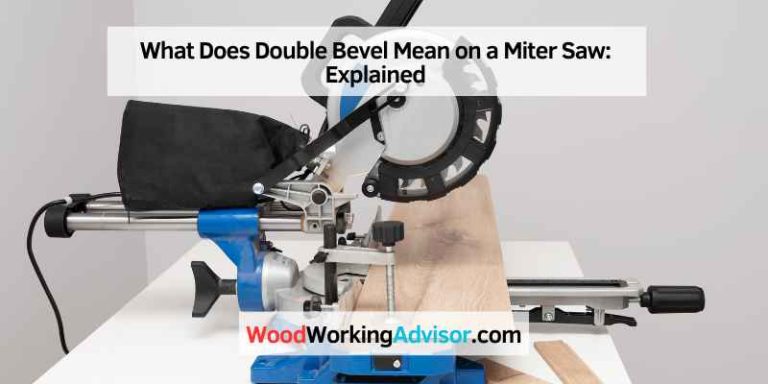
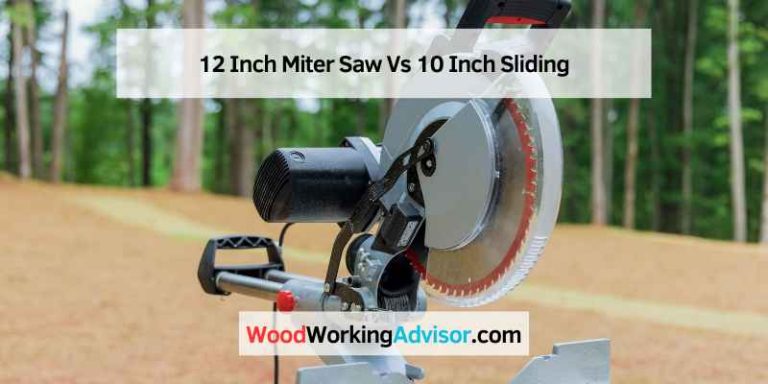
Cutting molding with a miter saw is using a special saw to make angled or straight cuts on trim pieces, like crown molding or baseboards, to fit corners or edges perfectly. Molding is the decorative wood or MDF that hides seams where walls meet ceilings or floors. A miter saw makes precise cuts, so your molding looks clean and professional. It’s a game-changer for home projects because it’s fast and accurate.
Why does this matter? Perfect cuts make your rooms look polished, whether you’re adding crown molding to a dining room or baseboards to a bedroom. Plus, it’s a fun skill to learn! I felt like a carpenter after nailing my first corner.
Why Use a Miter Saw for Molding?
A miter saw is perfect for molding because it cuts at exact angles, like 45 degrees for corners. Unlike hand saws, it’s quick and less likely to mess up. Here’s why I love it:
- Speed: Cuts take seconds.
- Precision: Angles are spot-on with the right setup.
- Versatility: Works for crown, baseboards, or even picture frames.
But there are drawbacks. Miter saws can be pricey (starting at $100), and they take practice. If you’re not careful, you might waste wood with bad cuts—yep, I’ve been there!

Tools and Materials You’ll Need
Before you start, gather these basics. I keep things simple for beginners, but enthusiasts might want extras.
- Miter Saw: A 10-inch compound miter saw is great for most molding. I use a DEWALT, but any brand works if it has a good blade.
- Molding: Wood or MDF crown molding or baseboards. Start with 3-4 inch wide pieces for practice.
- Safety Gear: Safety glasses and gloves. Trust me, sawdust stings!
- Measuring Tape: For accurate lengths.
- Pencil: To mark cuts.
- Clamps or Stops: To hold molding steady (optional but helpful).
Table 1: Miter Saw Comparison for Beginners
| Saw Type | Cost Range | Best For | Notes |
|---|---|---|---|
| Single Bevel | $100-$200 | Beginners | Simple, affordable |
| Compound | $200-$400 | Enthusiasts | More angles, versatile |
| Sliding Compound | $400-$600 | Advanced Users | Cuts wider molding easily |
Caption: Choose a miter saw based on your skill and project size. Beginners can start with a single bevel saw.
Step-by-Step Guide to Cutting Molding
Here’s how I cut crown molding for a 90-degree corner, laid flat on the miter saw. This method is easier than holding it at an angle.
- Set Up Your Saw: Adjust the miter angle to 31.6 degrees and the bevel to 33.9 degrees. Most saws mark these angles clearly.
- Measure and Mark: Measure the wall length where the molding goes. Mark the bottom edge of the molding (the part against the wall).
- Lay Molding Flat: Place the molding flat on the saw, with the top edge against the fence and the bottom on the table.
- Make the Cut: Cut slowly to avoid splintering. For inside corners, the bottom is longer; for outside corners, the top is longer.
- Reverse and Repeat: Flip the settings for the other piece of the corner and cut again.
- Test Fit: Hold pieces against the wall. Sand or trim if needed for a tight fit.
Visual Idea: A diagram showing molding flat on the saw with labeled angles (31.6° miter, 33.9° bevel) would help here.
Cutting Baseboards: A Simpler Project
Baseboards are easier than crown molding because they sit flat against the wall. Here’s a quick guide:
- Measure: Measure the wall length.
- Set Miter to 45 Degrees: For 90-degree corners, cut at 45 degrees.
- Cut and Fit: Place the baseboard flat, cut, and test the fit.
I once cut baseboards for my hallway in an afternoon. It was a piece of cake compared to crown molding!
Common Mistakes to Avoid
I’ve made plenty of goofs cutting molding. Here are pitfalls to dodge:
- Wrong Angles: Double-check miter and bevel settings. A half-degree off ruins the fit.
- Measuring Errors: Measure the bottom edge of crown molding, not the top.
- Rushing: Slow cuts prevent splintering, especially with wood.
Table 2: Common Mistakes and Fixes
| Mistake | Fix |
|---|---|
| Crooked Cuts | Check saw alignment before cutting |
| Wrong Measurements | Measure twice, cut once |
| Splintered Edges | Use a sharp, fine-tooth blade |
Caption: Avoid these mistakes to save time and wood.
Safety Tips for Miter Saw Use
Safety is huge when using a miter saw. I learned this the hard way when sawdust got in my eyes! Here’s what to do:
- Wear safety glasses and gloves.
- Keep hands 6 inches from the blade.
- Unplug the saw when adjusting or changing blades.
Visual Idea: A simple sketch of a miter saw with labeled safety zones (blade, hands) would be great.
Cost-Saving Ideas
Molding projects can add up, but I’ve got tricks to save cash:
- Buy MDF molding instead of wood—it’s cheaper and easier to cut.
- Practice on scrap pieces to avoid wasting good molding.
- Rent a miter saw for small projects instead of buying one.
Table 3: Cost Comparison
| Item | Cost Range | Notes |
|---|---|---|
| MDF Molding | $1-$2 per foot | Affordable, easy to cut |
| Wood Molding | $2-$5 per foot | Looks premium, harder to cut |
| Miter Saw Rental | $30-$50 per day | Great for one-time projects |
Caption: Save money with these budget-friendly options.
Personal Tips from My Experience
After years of cutting molding, here are my go-to tips:
- Practice First: Use cheap molding to test cuts. My first project looked like a puzzle gone wrong!
- Mark Clearly: Use a sharp pencil for precise marks. Smudged lines mess up cuts.
- Sand Edges: Lightly sand cut edges for a smoother fit.
For advanced users, try coping cuts for inside corners. It’s trickier but gives tighter joints. Check out Fine Woodworking for coping tutorials.
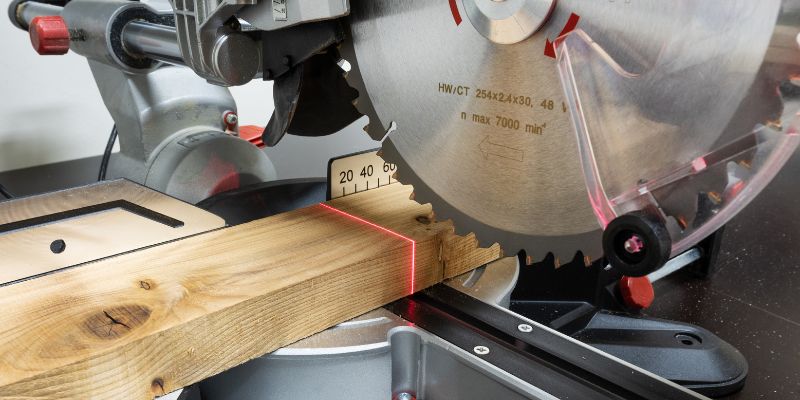
Alternatives to Miter Saws
No miter saw? No problem! You can use a miter box with a hand saw for small projects. It’s slower but works for 4-5 cuts. I used one for a tiny bathroom project, and it was fine. For bigger jobs, consider renting a miter saw, as suggested by Woodworking Talk.
Visual Idea: A side-by-side diagram comparing a miter saw and miter box setup would show the difference clearly.
Conclusion
Cutting molding with a miter saw is a fun way to level up your home projects. With the right tools, a few practice cuts, and my tips, you’ll be making perfect corners in no time. Start small with baseboards or try crown molding for a bold look. Grab some molding, fire up your saw, and give it a shot! Share your project ideas in the comments—I’d love to hear them!
Frequently Asked Questions
What’s the Best Miter Saw for Beginners?
A 10-inch single bevel miter saw is best for beginners. It’s affordable, easy to use, and cuts most molding sizes.
How Do I Cut Crown Molding Flat?
Lay the molding flat, set the miter to 31.6 degrees and bevel to 33.9 degrees, then cut. Reverse for the other piece.
Can I Cut Molding Without a Miter Saw?
Yes, use a miter box and hand saw. It’s slower but works for small projects with few cuts.
Why Are My Molding Cuts Gapping?
Gaps happen from wrong angles or poor measurements. Check your saw settings and measure the bottom edge carefully.
How Do I Avoid Splintering When Cutting?
Use a sharp, fine-tooth blade and cut slowly. Tape the molding’s edge for extra protection.
What’s the Difference Between Inside and Outside Corners?
Inside corners form an enclosed angle, like a room’s corner. Outside corners stick out, like a cabinet edge.
How Much Molding Should I Buy?
Buy 10-15% more than measured to account for mistakes or bad cuts. It saves trips to the store!