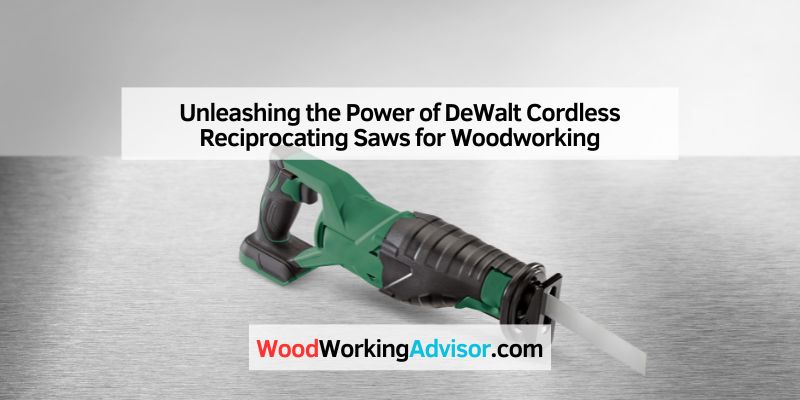
Unleashing the Power of DeWalt Cordless Reciprocating Saws for Woodworking
Hey there, fellow woodworker! If you’re anything like me, you’ve probably spent countless hours in your workshop, dreaming up projects and bringing them to life with the hum of power tools. One tool that’s become a staple in my arsenal is the DeWalt cordless reciprocating saw. These saws are game-changers for anyone who loves woodworking, demolition, or just tackling tough cutting tasks with ease.
Whether you’re a beginner crafting your first bookshelf or a seasoned pro building custom furniture, a DeWalt cordless reciprocating saw can make your work faster, safer, and more efficient. In this article, I’m going to share everything I’ve learned from using these tools, from their standout features to practical tips for getting the most out of them. Let’s dive into why DeWalt cordless reciprocating saws deserve a spot in your toolbox!
What Makes DeWalt Cordless Reciprocating Saws Special?
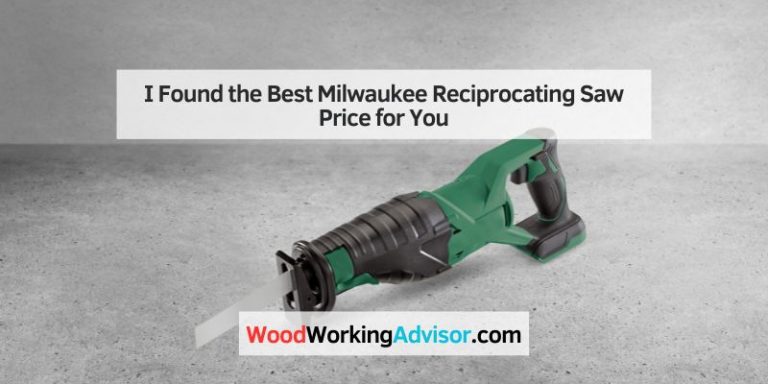
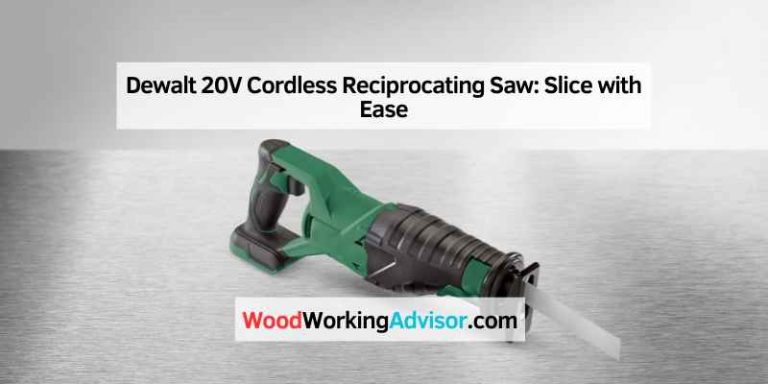
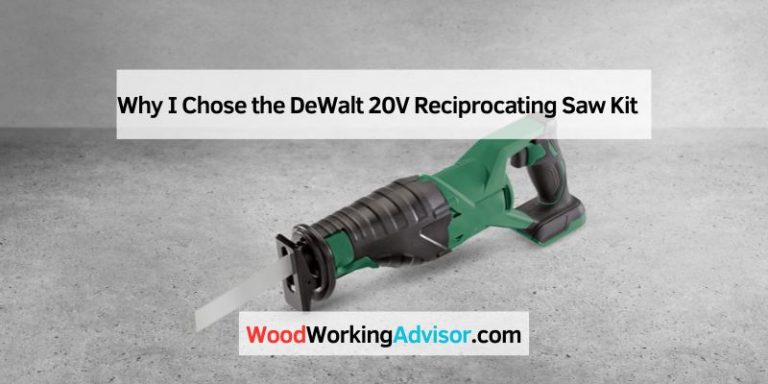
I remember the first time I picked up a DeWalt cordless reciprocating saw. It was the 20V MAX XR (DCS382B), and I was blown away by how much power it packed in such a compact design. DeWalt has a reputation for building tools that last, and their reciprocating saws are no exception. These saws are designed for versatility, letting you cut through wood, metal, PVC, and even drywall with the right blade. What makes them stand out is the combination of cordless freedom, brushless motor technology, and thoughtful features like LED lights and variable speed triggers.
The cordless design is a big deal for me. No more tripping over cords or hunting for an outlet in the middle of a project. Whether I’m working in my garage or helping a friend with an outdoor build, the portability of these saws is a lifesaver. Plus, DeWalt’s battery systems, like the 20V MAX and 60V MAX FlexVolt, give you enough juice to keep going without constant recharging. I’ve used mine to slice through thick oak beams and even prune overgrown branches in my backyard, and it’s never let me down.
Key Features of DeWalt Cordless Reciprocating Saws
Let’s talk about what makes these saws tick. Over the years, I’ve used several models, and DeWalt consistently packs their tools with features that make cutting easier and more precise. Here are the ones I find most useful:
Brushless Motor Technology
The brushless motor in models like the DCS382B and DCS389X1 is a game-changer. It delivers more power and efficiency compared to traditional motors. I’ve noticed less heat buildup during long cutting sessions, which means the saw lasts longer and performs better. The brushless design also extends battery life, so I can get through more cuts before swapping out the battery.
Variable Speed Trigger
I love the control I get with the variable speed trigger. It’s like having a gas pedal for your saw. For delicate cuts, like trimming thin plywood, I can ease off the trigger for a slower, more precise cut. When I’m tearing through a 2×4, I can go full throttle. This flexibility makes the saw adaptable to all kinds of projects.
LED Work Light
Working in dimly lit corners of my workshop used to be a hassle. The built-in LED light on DeWalt saws, like the DCS387B, lights up the cutting area, so I can see exactly where the blade is going. It’s a small feature, but it’s saved me from making crooked cuts more times than I can count.
Four-Position Blade Clamp
The four-position blade clamp is another feature I can’t live without. It lets me rotate the blade in different directions, which is perfect for flush cuts or working in tight spaces. Changing blades is quick and tool-free, so I can switch from a wood-cutting blade to a metal one in seconds.
Ergonomic Design
These saws are built for comfort. The rubberized grip feels great in my hand, even after hours of use. Models like the DCS369B are lightweight, weighing around 7 pounds, which makes them easy to maneuver. I’ve used heavier saws in the past, and my arms were screaming after a long day. With DeWalt, I can keep going without feeling like I’ve run a marathon.
Comparing Popular DeWalt Cordless Reciprocating Saw Models
DeWalt offers a range of cordless reciprocating saws, each with its own strengths. I’ve used a few of them, and here’s a quick breakdown to help you choose the right one for your needs:
| Model | Battery Platform | Stroke Length | Strokes Per Minute (SPM) | Weight | Best For |
|---|---|---|---|---|---|
| DCS382B | 20V MAX XR | 1-1/8″ | 0-3,000 | 7.6 lbs | General woodworking, demolition |
| DCS369B | 20V MAX ATOMIC | 5/8″ | 0-2,800 | 3.1 lbs | Tight spaces, one-handed operation |
| DCS389X1 | 60V MAX FlexVolt | 1-1/8″ | 0-3,000 | 8.1 lbs | Heavy-duty tasks, thick materials |
| DCS387B | 20V MAX Compact | 1-1/8″ | 0-2,900 | 7.0 lbs | Compact jobs, precision cutting |
The DCS382B is my go-to for most woodworking projects. It’s powerful enough to handle thick lumber but not so heavy that it wears me out. The DCS369B is perfect when I need to work in tight spaces, like cutting pipes under a sink. For heavy-duty tasks, like cutting through large beams or metal, the DCS389X1 with its 60V FlexVolt battery is a beast. The DCS387B is great for smaller, precise cuts, especially if you’re working on furniture or cabinetry.
Why Choose a DeWalt Cordless Reciprocating Saw for Woodworking?
You might be wondering, “Why not just use a circular saw or jigsaw for woodworking?” I’ve asked myself the same question, especially since I already own both. But here’s the thing: a reciprocating saw fills a unique role. It’s not about replacing other saws; it’s about complementing them.
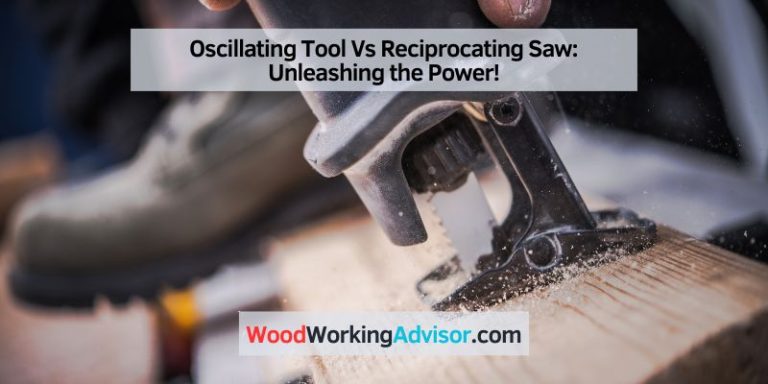
For example, I was building a pergola last summer and needed to make quick, rough cuts through 4×4 posts. My circular saw was great for straight lines, but when I needed to notch out sections or make irregular cuts, the DeWalt reciprocating saw was faster and easier. It’s also a lifesaver for demolition. When I was tearing down an old shed, the saw chewed through nails, wood, and even some metal brackets without breaking a sweat.
The cordless aspect makes it even better. I can take it anywhere—my backyard, a friend’s house, or even a job site—without worrying about power outlets. Plus, with the right blade, these saws can handle more than just wood. I’ve used mine to cut PVC pipes for a plumbing project and even trim small tree branches. It’s like having a Swiss Army knife in saw form.

Tips for Using DeWalt Cordless Reciprocating Saws Effectively
Over the years, I’ve picked up a few tricks for getting the most out of my DeWalt reciprocating saw. Here’s what I’ve learned:
Choose the Right Blade
The blade you use makes all the difference. For woodworking, I stick with 6-12 TPI (teeth per inch) blades for cleaner cuts in lumber. For demolition, a 14-18 TPI bi-metal blade works great for cutting through nails or metal. DeWalt sells a variety of blades, but I always keep a pack of pruning blades handy for outdoor tasks.
Maintain Blade Sharpness
A dull blade is a recipe for frustration. I check my blades regularly and swap them out as soon as they start to struggle. A sharp blade not only cuts faster but also reduces strain on the saw’s motor and battery.
Use Both Hands for Control
Even though some models, like the DCS369B, are designed for one-handed use, I find that using both hands gives me better control, especially for precise cuts. I grip the handle with one hand and stabilize the saw’s body with the other.
Let the Saw Do the Work
One mistake I made early on was pushing too hard. The saw’s motor is powerful enough to handle most materials, so I’ve learned to apply gentle pressure and let the blade do the cutting. This prevents the blade from binding and extends its life.
Invest in Extra Batteries
If you’re working on a big project, like building a deck, you’ll want at least two batteries. I keep a 5Ah battery for heavy-duty tasks and a 2Ah for lighter jobs. The DeWalt PowerStack batteries are also worth checking out—they’re compact but pack a punch.
Limitations of DeWalt Cordless Reciprocating Saws
No tool is perfect, and I’ve run into a few limitations with DeWalt’s reciprocating saws. For one, they’re not ideal for fine woodworking. If you’re crafting a delicate piece of furniture, a jigsaw or table saw will give you cleaner, more precise cuts. Reciprocating saws are better suited for rough cuts or demolition.
Another thing to keep in mind is battery life. While DeWalt’s batteries are impressive, heavy use can drain them quickly. I’ve had to swap batteries mid-project when cutting through dense materials like hardwood or metal. It’s not a dealbreaker, but it’s something to plan for.
Finally, some users (including me) wish DeWalt would add an orbital cutting option to their saws. Orbital action makes the blade move in a slight circular motion, which can speed up cuts in wood. Other brands like Milwaukee offer this feature, and it’s something I hope DeWalt considers in future models.
How to Maintain Your DeWalt Cordless Reciprocating Saw
Taking care of your saw is key to making it last. I’ve had my DCS382B for over three years, and it’s still going strong because I follow a few simple maintenance tips:
Clean the Saw Regularly
Sawdust and debris can build up around the blade clamp and motor. I use a soft brush or compressed air to clean it after every project. This keeps the saw running smoothly and prevents wear on moving parts.
Check the Blade Clamp
The four-position blade clamp is awesome, but it can loosen over time. I check it periodically to make sure it’s secure. A loose clamp can cause the blade to wobble, which leads to uneven cuts.
Store Batteries Properly
DeWalt batteries are durable, but they don’t like extreme heat or cold. I store mine in a cool, dry place and avoid leaving them in the saw when not in use. This helps extend their lifespan.
Inspect the Shoe
The pivoting shoe on DeWalt saws helps stabilize the blade, but it can wear out with heavy use. I check mine for cracks or excessive wear and replace it if needed. A damaged shoe can make it harder to control the saw.
Why DeWalt Stands Out in the Market
I’ve tried reciprocating saws from other brands like Milwaukee and Ryobi, and while they’re great, DeWalt has a special place in my workshop. The combination of power, durability, and user-friendly features is hard to beat. Plus, DeWalt’s battery platforms are compatible with a wide range of tools, so I can use the same batteries for my drill, circular saw, and reciprocating saw. This saves me money and keeps my toolbox organized.
Another thing I appreciate is DeWalt’s warranty. Most of their cordless reciprocating saws come with a three-year limited warranty, which gives me peace of mind. I’ve never had to use it, but it’s nice to know it’s there if something goes wrong.

Practical Applications for Woodworkers
As a woodworker, I’ve found DeWalt cordless reciprocating saws to be incredibly versatile. Here are some ways I’ve used mine:
- Rough Cutting Lumber: When I’m building outdoor projects like decks or pergolas, the saw makes quick work of cutting 2x4s, 4x4s, and even railroad ties.
- Demolition: Tearing down old furniture or removing rotted deck boards is a breeze with a bi-metal blade.
- Pruning: With a pruning blade, I’ve used my saw to trim small branches and clear brush around my property.
- Flush Cutting: The four-position blade clamp lets me make flush cuts against walls or floors, which is great for installing baseboards or removing old framing.
- Metal Cutting: I’ve used mine to cut through nails, bolts, and even thin steel pipes for mixed-material projects.
Conclusion
After years of using DeWalt cordless reciprocating saws, I can honestly say they’re one of the most versatile tools in my workshop. From rough-cutting lumber to tackling demolition jobs, these saws have never let me down. The cordless design gives me the freedom to work anywhere, and features like the brushless motor, LED light, and variable speed trigger make every cut easier and more precise. Sure, they’re not perfect for fine woodworking, and battery life can be a limiting factor, but for most projects, they’re hard to beat.
If you’re a woodworker looking to add a reliable, powerful tool to your collection, I highly recommend giving a DeWalt cordless reciprocating saw a try. Whether you’re building furniture, renovating a space, or just tackling odd jobs around the house, this saw will quickly become your go-to. So, grab one, pick the right blade, and start cutting with confidence. Your next project is waiting!
FAQs
Can I Use a DeWalt Cordless Reciprocating Saw for Fine Woodworking?
Not really. These saws are great for rough cuts and demolition, but they’re not designed for the precision you need in fine woodworking. For detailed work, I’d recommend a jigsaw or table saw.
What’s the Best DeWalt Reciprocating Saw for Beginners?
I’d suggest the DCS382B. It’s powerful, easy to use, and has a good balance of features for someone just starting out. Plus, it’s not too heavy, which makes it easier to handle.
How Long Does the Battery Last on a DeWalt Cordless Reciprocating Saw?
It depends on the battery and what you’re cutting. With a 5Ah battery, I can usually get 30-60 minutes of heavy cutting. For lighter tasks, it lasts longer. I always keep a spare battery charged just in case.
Are DeWalt Reciprocating Saw Blades Interchangeable with Other Brands?
Yes, most reciprocating saw blades use a universal shank that works across brands. I’ve used Milwaukee and Diablo blades with my DeWalt saws without any issues. Just make sure the blade matches the material you’re cutting.
Is a Cordless Reciprocating Saw Worth It Compared to a Corded One?
Absolutely, if you value portability. I love the freedom of not being tethered to an outlet. But if you’re doing heavy-duty work for hours, a corded saw might be better since it won’t run out of power.