Reciprocating Saw Blades for PVC: Best TPI and Blade Type
Bi-metal reciprocating saw blades with 10 to 14 TPI cut PVC pipe cleanest, resisting the melting and cracking that low-tooth-count wood blades cause. Using the wrong blade tears the cut edge, which throws off the snug fit a coupler or fitting needs. This guide covers blade material and TPI selection, the technique for cutting PVC without melting it, and why a reciprocating saw also belongs in a woodworking shop for trimming dust-collection ductwork and conduit in place.
Best Blade Material and TPI for Cutting PVC
Bi-metal blades in the 10-14 TPI range give the cleanest PVC cuts for most shop and plumbing tasks – the high-speed-steel teeth stay sharp against the abrasive additives in PVC compound, and the tighter tooth spacing shears the plastic instead of tearing it. Carbide-tipped blades cost more but hold an edge longer against filled or fiber-reinforced PVC and mixed-material demo cuts where a standard bi-metal blade dulls fast.
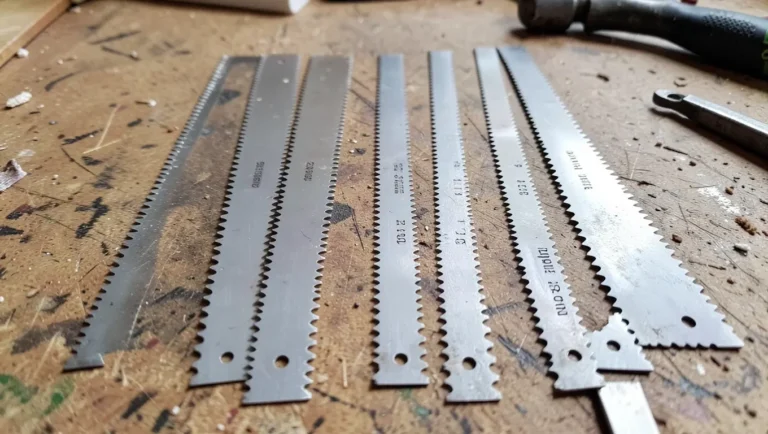
Tooth configuration matters as much as count. Aggressive, widely-spaced teeth clear material fast but leave a rougher edge and generate more friction heat – the leading cause of a melted PVC cut. Fine, closely-spaced teeth cut slower but leave a smoother edge that seats better in a coupler or fitting hub. For a straight utility cut, a 10 TPI blade is a fair compromise; for a finish cut anywhere a fitting has to slide on afterward, step up to 14 TPI.
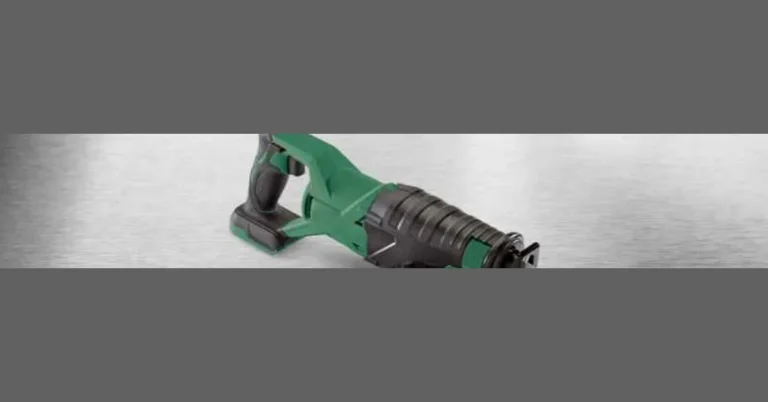
If you’re still deciding which saw to run one of these blades in, our best cordless reciprocating saws guide ranks seven current models by stroke length, strokes per minute, and price.
Best PVC Reciprocating Saw Blade Pick
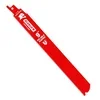 |
Diablo Bi-Metal Reciprocating Saw Blades – 9″ Length, 11 TPI, 5-Pack Purpose-built for PVC, ABS, and plastics, with a Perma-Shield coating that resists the heat and gumming that cause melted cuts.
|
As an Amazon Associate we earn from qualifying purchases.
Why This Blade Also Belongs in a Woodworking Shop
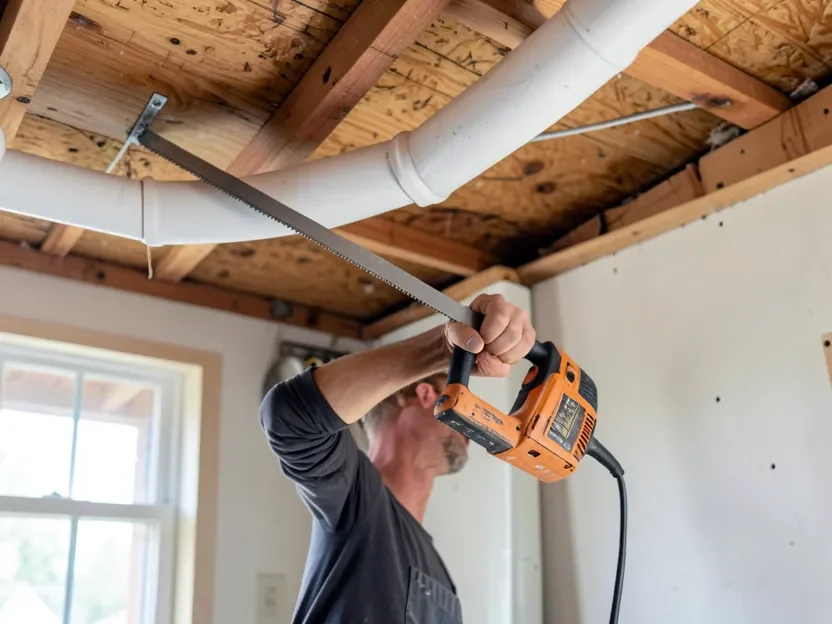
PVC and ABS pipe shows up in a woodworking shop far more often than the pure-plumbing framing of most PVC-blade articles suggests. Most home dust collection systems run on 4-inch or 6-inch Schedule 40 PVC or ABS pipe, and a shop build or reroute almost always means cutting that pipe in place – after it’s already glued to a wye, a blast gate, or a joist hanger.
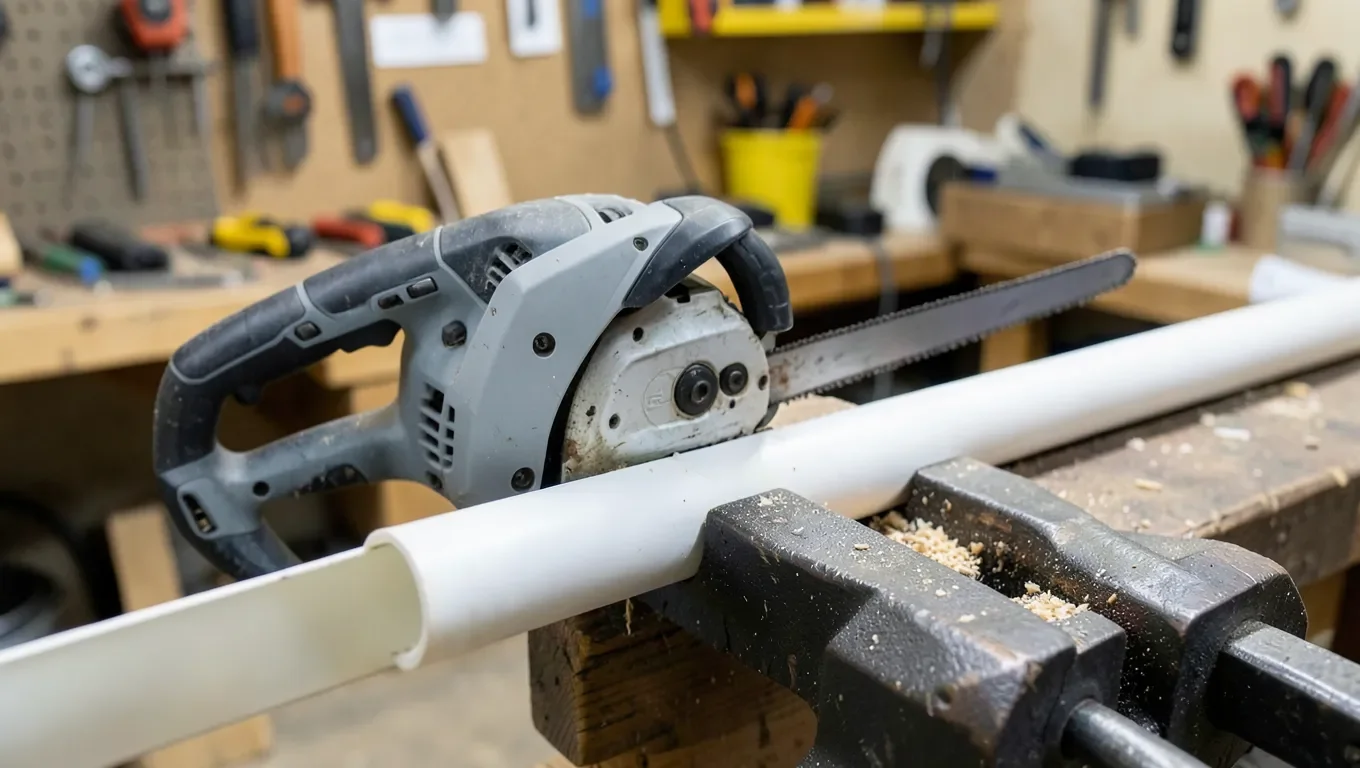
That’s exactly where a reciprocating saw earns its keep over a ratchet-style PVC cutter or a hacksaw. Neither of those tools can trim a pipe that’s already fixed between two points with no room to swing a cutter around it – a common situation when ductwork runs tight against a ceiling joist or a wall stud. A reciprocating saw’s blade only needs a few inches of straight-line clearance, so it can plunge in and trim a glued joint, shorten a run after a layout change, or cut through a shop-wiring conduit run without disassembling anything.
The same blade selection rules apply here as for plumbing PVC – a 10-14 TPI bi-metal blade avoids melting the cut edge, which matters even more on ductwork because a rough or oversized cut at a coupler is a real air leak that costs a dust collector suction. If you’re planning or troubleshooting a shop system, see our guide to choosing a dust collector for a home shop for sizing and layout basics.
Can a Reciprocating Saw Cut PVC Dust Collection Pipe That’s Already Installed?
Yes – this is one of the few cuts a reciprocating saw handles better than a dedicated PVC cutter. Because the blade only needs clearance on one side, it can trim a pipe that’s already glued into a wye, blast gate, or hanger without cutting the joint loose first. Keep the stroke slow and let the blade do the cutting; forcing it against a fixed joint is what cracks a fitting rather than cutting cleanly through the pipe wall.
Anatomy of a PVC-Rated Blade: Length, Width, and TPI
Blade length determines reach, not cutting quality – a 6-inch blade handles most 1.5 to 3-inch plumbing PVC, while a 9-inch blade is worth the extra length for 4-inch and larger dust-collection or drain pipe, since it clears the full pipe wall in one pass instead of walking the cut around. Blade width affects control: a wider blade resists flexing and wandering off a marked line, which matters most on a long straight cut or when you’re cutting one-handed overhead.
Blade compatibility is universal (a standard tang shank fits almost any reciprocating saw), so the saw you already own matters more than the blade brand. If you’re comparing budget options, our reviews of the DeWalt battery reciprocating saw and the Hercules reciprocating saw cover stroke length and power specs that affect how fast a 10-14 TPI blade gets through thick Schedule 40 pipe.
TPI is the setting most PVC cutting guides get wrong by copying a generic wood-cutting recommendation. For PVC specifically, stay in the 10-14 TPI band – going lower than 8 TPI on plastic produces the melted, gummy edge that makes a cut hard to deburr, since the wider gullets pack with softened plastic instead of clearing it.
Cutting Techniques That Prevent Melting and Cracking
- Mark the cut, then support both sides: clamp or hold the pipe on both sides of the cut line – unsupported pipe flexes into the blade and cracks at the nearest fitting hub instead of cutting cleanly.
- Slow the stroke rate down: a slower speed setting reduces the friction heat that melts PVC. Full speed is for wood and metal, not plastic.
- Let the blade clear itself: back the blade out every few strokes on a deep cut so melted shavings don’t repack into the kerf and reweld the cut shut.
- Switch to a finer blade for curves: a 14 TPI blade with a narrower body follows a marked curve without binding; an aggressive demolition blade will wander and chip the edge.
Blade Material Comparison: Bi-Metal vs Carbide-Tipped
| Blade Type | Typical TPI | Best For | Typical Price |
|---|---|---|---|
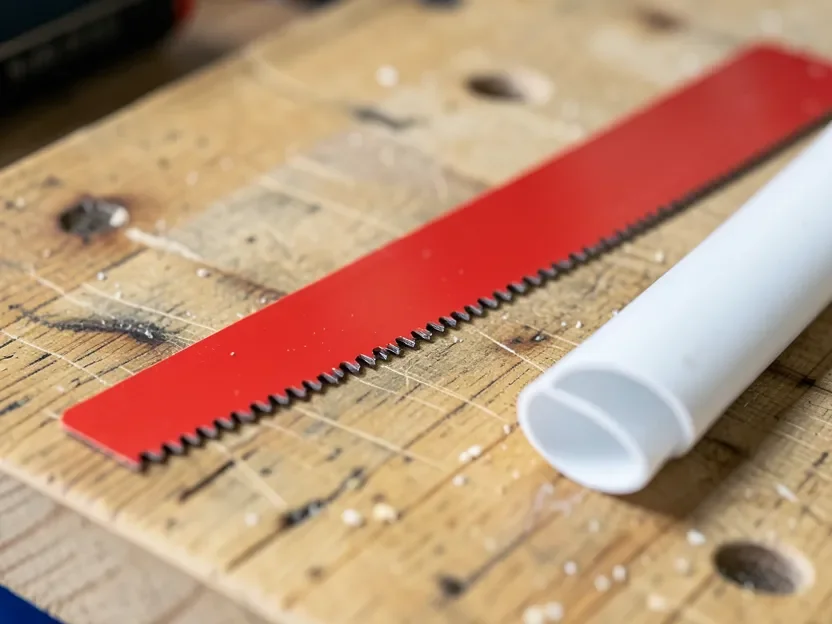
| Bi-metal | 10-14 TPI | Standard Schedule 40 PVC/ABS, plumbing and dust-collection pipe | ~$15-25 for a 5-pack |
| Carbide-tipped | 6-10 TPI | Filled/reinforced PVC, mixed-material demo cuts (PVC with embedded fasteners) | ~$25-40 for a 5-pack |
| High-speed steel (HSS) | 8-10 TPI | Light, occasional PVC cuts only – dulls fastest of the three | ~$8-15 for a 5-pack |
“After running dust-collection lines in my own shop, my rule is simple: let a fresh PVC cut sit a few seconds before test-fitting a coupler. A bi-metal blade throws enough friction heat to leave the cut edge slightly soft, and forcing a fitting on too soon can push the joint out of round.”
Maintaining Your PVC Blades
Melted PVC residue is the main thing shortening a blade’s life, not blunting from the material itself. Brush the teeth clean with a soft brass or nylon brush right after use, before the residue fully hardens – a damp cloth will lift what the brush leaves behind. Skip solvents; some plastics used in blade coatings and handles react with harsh chemical cleaners.
Store blades flat in their original case or a dedicated blade organizer, away from moisture. A bi-metal blade used only on PVC at the recommended TPI and stroke speed will typically outlast several projects before the teeth need replacing – if you notice the cut edge getting rougher or more melted-looking with the same technique, that’s the blade telling you it’s due for a swap.
Safety Measures When Cutting PVC
- Wear safety glasses – PVC shavings and chips can kick back toward your face, especially on an overhead cut.
- Wear a dust mask when cutting a lot of PVC in a closed space; the friction heat that causes melting also releases fumes.
- Clamp the workpiece or brace it against a solid surface – a reciprocating saw’s back-and-forth motion transmits directly into an unsupported pipe.
- Check the blade for cracks or missing teeth before every use – a damaged blade is more likely to bind and kick the saw back toward you.
- Keep your free hand well clear of the cut line; on an overhead dust-collection cut, brace the saw with both hands instead of steadying the pipe by hand near the blade.
Frequently Asked Questions
What TPI Is Best for Cutting PVC with a Reciprocating Saw?
A 10 to 14 TPI bi-metal blade gives the cleanest PVC cuts. Lower tooth counts cut faster but generate more friction heat and leave a rougher, more melted-looking edge, which matters most anywhere a fitting has to slide onto the cut end afterward.
Can I Use a Regular Wood-Cutting Blade on PVC?
You can, but it’s not recommended. Wood blades typically run a lower, more aggressive TPI that chips and melts PVC instead of shearing it cleanly. A blade specifically rated for PVC or plastics keeps the cut smoother and the blade lasting longer.
Will the Wrong Blade Melt the PVC Instead of Cutting It?
Yes. An aggressive, low-TPI blade run at full speed generates enough friction heat to soften and melt the cut edge rather than shear through it, especially on thicker Schedule 40 pipe. Slowing the stroke speed and switching to a 10-14 TPI blade solves this in almost every case.
Can a Reciprocating Saw Cut PVC Dust Collection Pipe That’s Already Installed?
Yes, and it’s often the only tool that can. Because the blade only needs clearance on one side, it can trim a pipe that’s already glued into a wye, blast gate, or joist hanger, which a rigid ratchet-style PVC cutter or hacksaw usually can’t reach.
How Long Do PVC-Rated Reciprocating Saw Blades Last?
A bi-metal blade used at the correct TPI and stroke speed typically holds an edge through several projects’ worth of PVC cutting. Carbide-tipped blades last longer against filled or reinforced PVC. Most blades wear out from melted-residue buildup and heat damage, not blunting, so cleaning the teeth after use extends life more than material choice alone.
Choosing the right reciprocating saw blade for PVC comes down to two things: bi-metal or carbide-tipped material, and a 10-14 TPI tooth count. Get those right and the same blade works whether you’re cutting a plumbing repair, a drain line, or trimming shop dust-collection ductwork and conduit into place. See our woodworking tools and saws guide for how a reciprocating saw fits alongside the other blade-driven tools in a shop.
Sponsored / affiliate links. As an Amazon Associate I earn from qualifying purchases. I may earn additional commission from eligible campaigns.
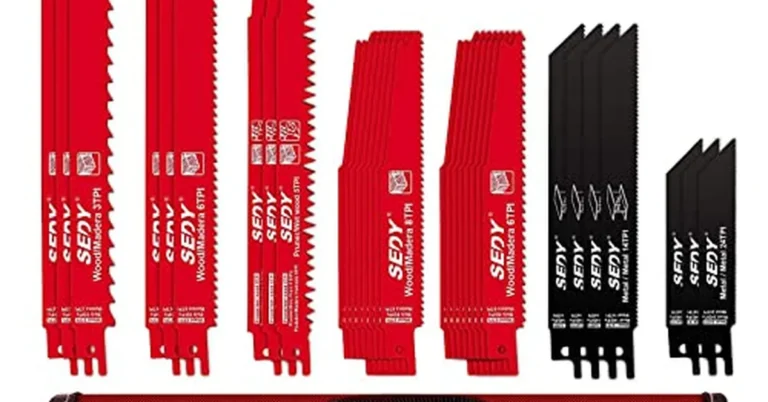
 25 Pack 6" 6/12 TPI Bi-Metal Demolition Reciprocating Saw Blades for Wood with Nails, Nail-Embedded Wood, Pallets,PVC,Cuts Thick Metal from 3/16" to 1/2", Compatible with Dewalt Sawzall Blades
 10 Pack 9" 6/12 TPI Bi-Metal Demolition Reciprocating Saw Blades for Wood with Nails, Nail-Embedded Wood, Pallets,PVC,Cuts Thick Metal from 3/16" to 1/2", Compatible with Dewalt Sawzall Blades