Difference between a Drill And Hammer Drill: Key Features Explained
Are you confused about whether you need a drill or a hammer drill for your next project? You’re not alone.
Choosing the right tool can save you time, effort, and frustration. Understanding the difference between a drill and a hammer drill will help you work smarter, not harder. You’ll discover exactly how these two tools work and which one fits your needs best.
Keep reading to make sure your next project is a success from start to finish.
Basic Functions
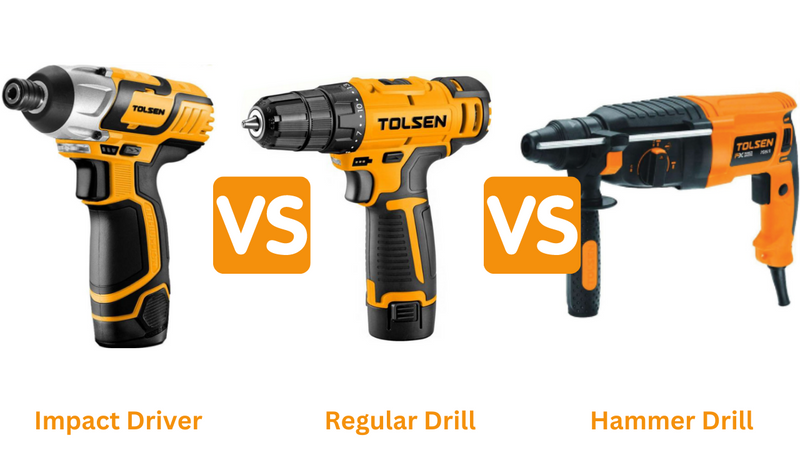
Understanding the basic functions of a drill and a hammer drill helps choose the right tool. Both tools drill holes but work differently. Each tool suits specific tasks and materials. Knowing how they operate guides you to better results and less damage.
Drill Operation
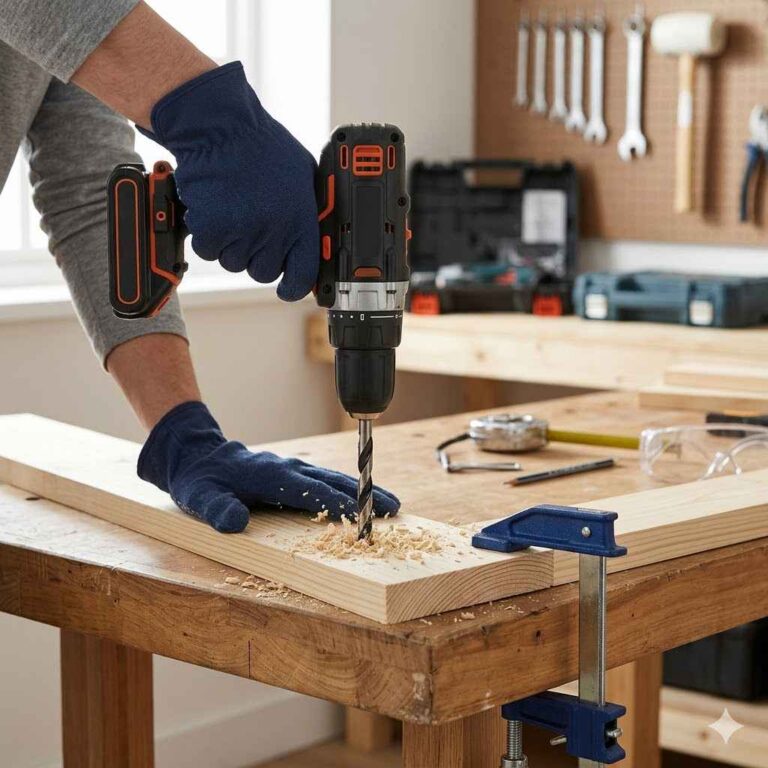
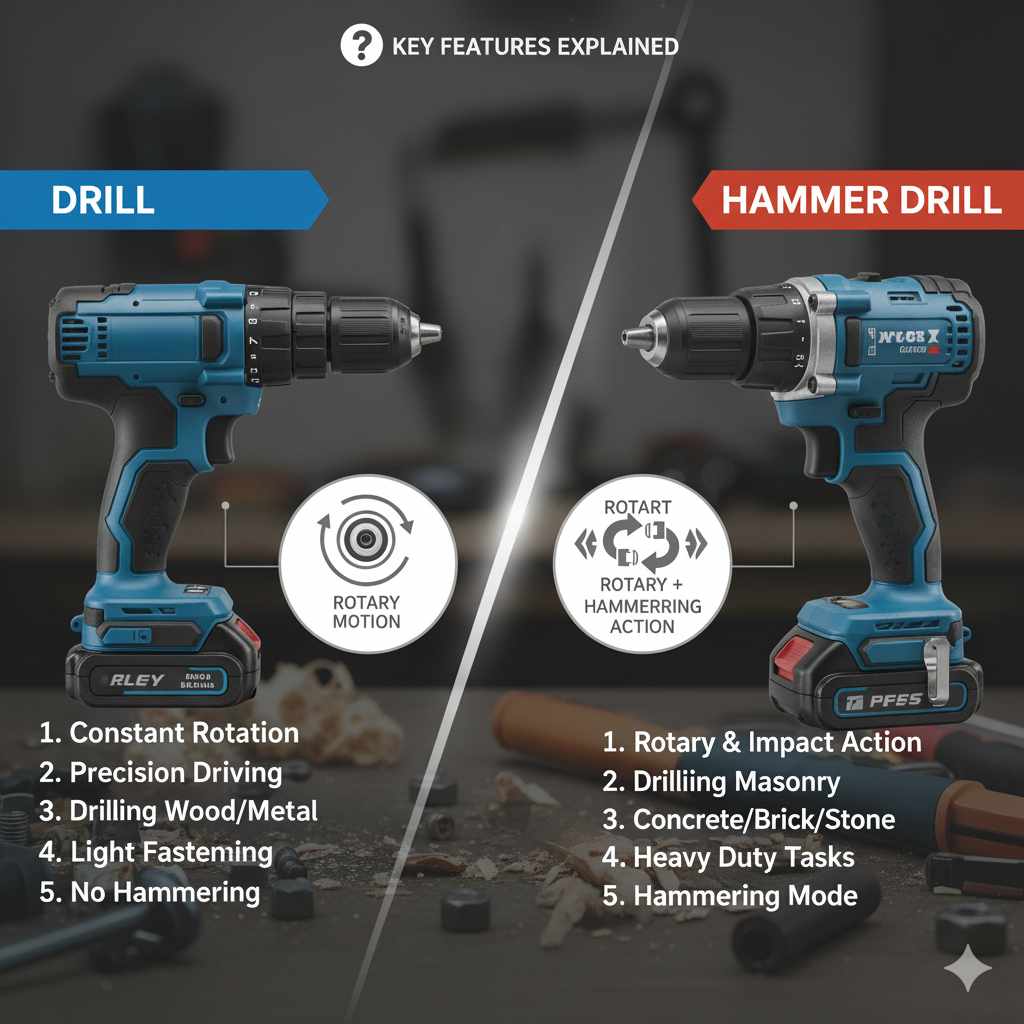
A drill spins a drill bit to make holes. It works by rotating the bit at high speed. The drill cuts through wood, plastic, and metal smoothly. It uses steady pressure to push the bit into the material. Drills are good for simple tasks and delicate jobs.
Hammer Drill Operation
A hammer drill adds a pounding motion to the spinning bit. This action helps break hard materials like concrete and brick. The drill moves the bit forward and backward rapidly. This makes drilling into tough surfaces easier and faster. Hammer drills can switch to normal drill mode for lighter work.
Design And Build
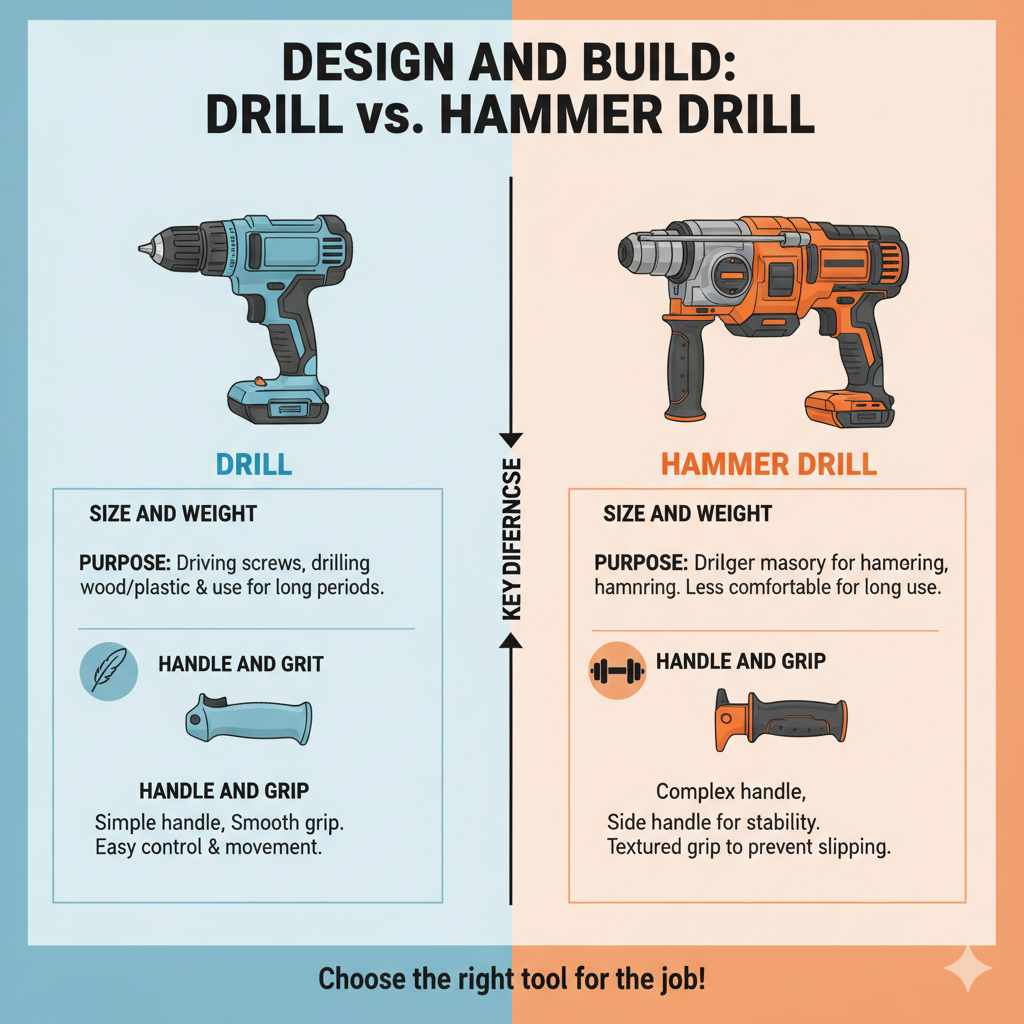
The design and build of a drill and a hammer drill show clear differences. These tools serve different purposes, which affects their size, weight, and how they feel in your hand. Understanding these differences helps you choose the right tool for your job.
Size And Weight
A regular drill is usually smaller and lighter. It is easy to carry and use for long periods. A hammer drill is bigger and heavier. It has extra parts for the hammering action. This makes it less comfortable for long use but necessary for tougher jobs.
Handle And Grip
A drill often has a simple handle with a smooth grip. It allows for easy control and movement. A hammer drill has a more complex handle design. It often includes a side handle for better stability. This helps manage the extra force during hammering. The grips on hammer drills are usually textured to stop slipping.
Power And Performance
Power and performance define how well a drill or hammer drill handles tasks. Each tool has unique features that affect strength and speed. These differences help you choose the right tool for your project.
Motor Strength
Drills have motors built for steady power. They work well on wood, metal, and plastic. Hammer drills have stronger motors. They deliver extra force to break through hard materials. This power helps drill into concrete and brick.
Speed Settings
Drills offer multiple speed settings for control. Lower speeds help with precision work. Higher speeds allow fast drilling in soft materials. Hammer drills usually have fewer speed options. Their main focus is on impact force, not speed variety. This design makes hammer drills better for tough jobs.

Drilling Capabilities
Drilling capabilities define how well a tool performs in making holes. The difference between a drill and a hammer drill lies mainly in how they handle materials and the size of holes they create. Understanding these differences helps in choosing the right tool for your project.
Material Compatibility
A regular drill works best on wood, plastic, and soft metals. It spins the bit to cut through these materials smoothly. A hammer drill adds a pounding action while spinning. This makes it suitable for hard materials like concrete and brick. The hammering helps break tough surfaces, making drilling easier. Using a regular drill on concrete can damage the tool or take too long.
Hole Size And Depth
Standard drills can create holes of various sizes but have limits on depth and diameter. They work well for small to medium holes in softer materials. Hammer drills can handle larger holes in harder materials. The pounding action allows deeper penetration with less effort. For deep or wide holes in concrete, a hammer drill performs better. This tool keeps the drill bit from overheating during long jobs.
Special Features
Special features set a drill and a hammer drill apart. These tools may look similar but work differently. Their unique features help them perform various tasks.
Hammering Mechanism
A hammer drill has a hammering mechanism. It moves the drill bit back and forth rapidly. This action helps break tough materials like concrete and brick. A regular drill does not have this feature. It only spins the bit in one direction. This makes a hammer drill better for hard surfaces.
Impact Control
Impact control adjusts the hammering force in a hammer drill. You can increase or decrease the impact power. This control helps in different types of work. For delicate jobs, less impact is used. For heavy-duty tasks, more power is needed. Regular drills do not have impact control. This makes hammer drills more versatile and useful.
Usage Scenarios
Understanding the right tool for the job saves time and effort. Drills and hammer drills serve different purposes. Knowing when to use each helps complete tasks efficiently. Usage scenarios highlight the main differences between these tools.
Best Uses For Drills
Drills work best on soft materials like wood and plastic. They create clean holes for screws and bolts. Ideal for furniture assembly, hanging pictures, or light home repairs. Drills spin the bit to bore holes without extra force. They provide smooth, controlled drilling for delicate projects.
Best Uses For Hammer Drills
Hammer drills add a pounding action to drilling. This makes them perfect for hard materials like concrete and brick. Commonly used for outdoor projects and masonry work. The hammering helps break tough surfaces quickly. Best for installing anchors, drilling into walls, or heavy-duty construction tasks.
Cost And Maintenance
Cost and maintenance are important factors when choosing between a drill and a hammer drill. Knowing the price differences and upkeep needs helps you make a smart choice. Both tools serve different purposes, so their costs and care vary.
Price Comparison
Basic drills usually cost less than hammer drills. A standard drill can be found at a lower price for simple tasks. Hammer drills have extra features for tough jobs, so they cost more. The added power and functionality affect the price. Budget matters when picking the right tool.
Durability And Care
Hammer drills are built to handle hard surfaces. They often last longer under heavy use. Drills need regular cleaning and occasional oiling to stay in good shape. Hammer drills require more careful maintenance due to their complex parts. Proper care extends the life of both tools.
Choosing The Right Tool
Choosing the right tool makes any task easier and faster. A drill and a hammer drill may seem similar, but they serve different purposes. Picking the right one depends on what you need to do and how comfortable you are using power tools.
Project Requirements
Think about the material you will work with. Drills work well on wood, plastic, and light metals. Hammer drills are best for hard surfaces like concrete or brick. They deliver a pounding action that helps break tough materials. Using a drill on concrete can damage the tool or slow your work. Choose a hammer drill for heavy-duty jobs and a regular drill for simpler tasks.
User Skill Level
Consider your experience with power tools. Regular drills are easy to use and good for beginners. Hammer drills need more control because of their strong impact. If you are new to tools, start with a drill. Practice on small projects before trying a hammer drill. Using the right tool with your skill level keeps work safe and efficient.
Frequently Asked Questions
What Is The Main Difference Between A Drill And Hammer Drill?
A drill uses rotary motion to bore holes. A hammer drill combines rotation with a hammering action to drill into hard materials like concrete.
When Should I Use A Hammer Drill Instead Of A Drill?
Use a hammer drill for masonry, concrete, or stone. For wood, metal, or plastic, a regular drill works best.
Can A Hammer Drill Replace A Regular Drill?
Yes, hammer drills can perform regular drilling tasks. However, they are usually heavier and less efficient for simple drilling jobs.
How Does A Hammer Drill’s Mechanism Work?
A hammer drill’s mechanism creates rapid hammering impacts. This action breaks tough materials while the bit rotates, making drilling easier and faster.
Conclusion
A drill and a hammer drill serve different purposes. A drill is best for wood, metal, and plastic. A hammer drill adds a pounding action for hard materials like concrete. Choosing the right tool saves time and effort. Know your project needs before picking one.
Using the correct drill makes work easier and safer. Simple tools, clear tasks. That’s the key.