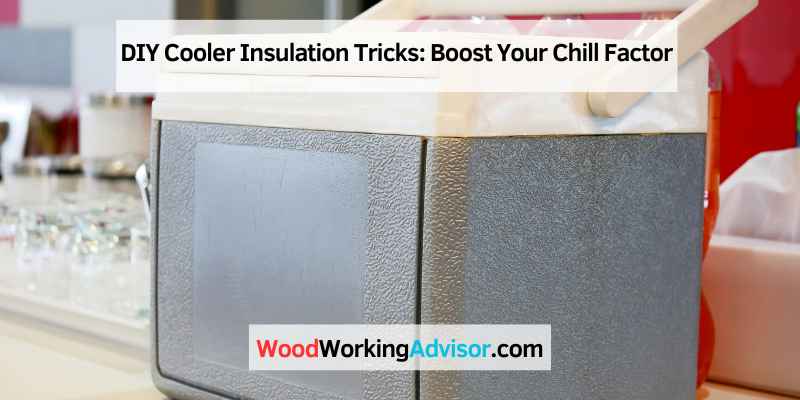
DIY Cooler Insulation Tricks: Boost Your Chill Factor
For DIY cooler insulation, use materials like foam, reflective insulation, or old blankets. Proper insulation helps retain cold and extend ice life.
Creating a DIY cooler insulation project is a cost-effective way to improve your cooler’s efficiency. Insulating your cooler can keep your beverages and food cold for longer periods, making it ideal for camping, picnics, and other outdoor activities. The process involves using readily available materials such as foam sheets, reflective insulation, or even old blankets, which can be easily applied to the interior or exterior of your cooler.
Ensuring your cooler is well-insulated helps retain cold air, reduces ice melting, and maintains the desired temperature for your items. This simple upgrade can significantly enhance your outdoor experience.
Introduction To DIY Cooler Insulation
Insulation keeps your cooler cold for longer. It saves ice and keeps drinks cold. Proper insulation reduces the need for extra ice. It also helps in keeping food fresh.
- Saves money on ice
- Keeps drinks colder
- Maintains food freshness
- Reduces trips to buy ice
- Increases cooler efficiency
The Science Of Insulation
Insulation works by blocking heat. It keeps the cool air inside. It stops warm air from getting in. Good insulation reduces heat transfer. This keeps items cold for longer.
| Material | Effectiveness |
|---|---|
| Foam | High |
| Fiberglass | Medium |
| Reflective Foil | High |
| Polyester | Low |
Assessing Your Cooler’s Current Performance
Check your cooler’s lid for gaps. Look for cracks in the body. Feel the outside for cold spots. These spots show where cold escapes.
| Tool | Use |
|---|---|
| Thermometer | Check inside temperature |
| Infrared Camera | Find cold leaks |
| Measuring Tape | Measure cooler dimensions |
Everyday Materials For Insulation Hacks
Reflective foils can keep things cool. They bounce heat away. Line your cooler with foil. This helps keep the inside cold. Foil is cheap and easy to find. You can cut it to fit any size. Tape the foil to the cooler walls. Make sure there are no gaps. This will make it work better.
Foam padding is another good choice. It helps block out heat. You can buy foam sheets. Cut them to fit your cooler. Glue the foam inside the cooler. This adds an extra layer of insulation. Foam is lightweight and easy to handle. It also helps keep things from getting crushed.
Advanced Insulation Techniques
Spray foam is a good insulator. It fills gaps well. Shake the can before use. Apply foam evenly. Cover all areas. Let it expand and dry. Trim excess foam with a knife. Check for gaps again. Reapply if needed. Wear gloves and safety glasses. Ventilate the area while working.
Air-tight seals keep cool air inside. Use weather stripping. Apply it around the edges. Seal all gaps and cracks. Use caulking for small gaps. Make sure the seals are tight. Test with a flashlight. Look for light coming through. Fix any gaps you see. Check seals regularly. Replace worn-out seals.
Protecting Your Cooler From External Heat
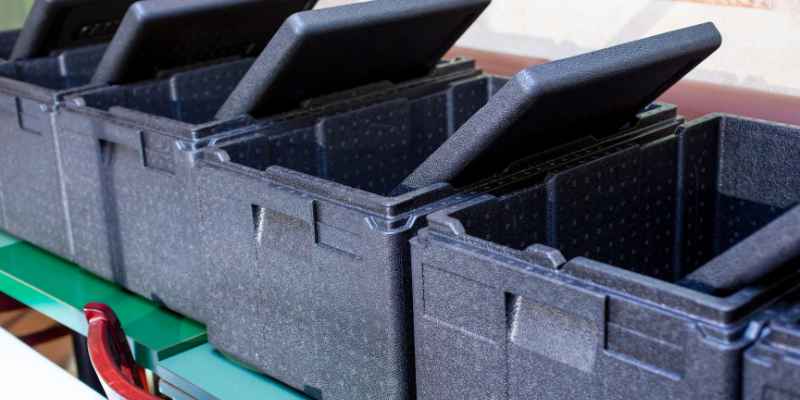
Place the cooler under a large tree. Use a beach umbrella for shade. Cover the cooler with a light-colored towel.
Build a small canopy using poles and a tarp. Use a car sunshade to cover the cooler.
Store the cooler in a cold place. Fill it with ice a few hours before use. Freeze water bottles and place them inside.
Use ice packs for better cooling. Put the cooler in the fridge overnight.
Maintaining Optimal Temperature Inside The Cooler
Place ice packs at the bottom of the cooler. Spread them evenly. This helps keep the bottom cold. Add more ice packs on top. This creates a cold layer. Cold air moves down, keeping contents cool.
Fill water bottles and freeze them. Use these bottles as ice packs. They last longer than ice cubes. Once melted, they become drinking water. Pack them around your food. This keeps the food cold.
Customizing Insulation For Different Needs
Use light materials for short trips. Thin foam sheets work well. They are easy to cut and shape. Place them inside the cooler walls. Make sure they fit snugly. This helps keep your drinks cool. You can also add ice packs. They are reusable and effective. Use a tight lid to keep air out. Check the cooler often to add more ice. This keeps everything cold.
Use thicker insulation for long trips. Foam boards are good. They keep things cold longer. Cut them to fit your cooler. Line the walls and lid with foam. Add a reflective blanket inside. This keeps the heat out. Use dry ice for better cooling. Make sure to handle it safely. Pack your cooler tightly. This reduces air gaps. Check and replace ice as needed.
Troubleshooting Common Insulation Problems
Condensation happens when warm air meets cold surfaces. This can cause wet spots inside your cooler. To fix this, use a moisture barrier. A plastic sheet can work well. Make sure it covers the entire surface. This helps keep moisture out.
Overpacking a cooler can reduce its efficiency. Leave some space for air to circulate. This helps maintain a consistent temperature. Use smaller ice packs. They fit better and cool more evenly. Organize items in layers. This prevents overpacking and keeps things cool.
Sustainable Insulation Practices
Use recycled paper for insulation. It is cheap and green. Cotton insulation is safe and natural. Wool is another great option. It is renewable and biodegradable.
Old blankets can be reused. They are warm and effective. Use leftover foam from old projects. It saves money and reduces waste. Cardboard can also be repurposed for insulation. It is easy to find and use.
Real-life DIY Insulation Success Stories
John used old blankets for insulation. He wrapped the cooler tightly. Ice stayed frozen for two days. Jane tried foam boards. She cut them to fit the cooler. Her drinks stayed cold for three days. Mike used bubble wrap. He lined the inside of the cooler. It worked well for a day.
- Use reflective tape to block heat.
- Freeze water bottles for extra cooling.
- Keep the cooler in the shade.
- Don’t open the cooler too often.
- Layer ice packs on top of items.
Conclusion: Enhancing Your Cooler’s Performance
Enhancing your cooler’s performance is achievable through DIY insulation. Boost efficiency and keep contents colder for longer by adding insulation layers.
Review Of Key Takeaways
Insulating a cooler improves its performance. Better insulation keeps ice longer. Materials like foam and reflective tape work well. Easy steps can make a big difference. DIY methods save money and time.
Encouraging Continuous Innovation
Always look for new ways to improve your cooler. Experiment with different materials and methods. Share your results with others. Learning never stops. With creativity, you can keep your cooler colder for longer.
Frequently Asked Questions
What Is The Best Insulation For A DIY Cooler?
The best insulation for a DIY cooler is closed-cell foam. It provides excellent thermal resistance and moisture barrier.
How To Make Your Own Insulated Cooler?
To make your own insulated cooler, use a sturdy box. Line it with foam or insulation material. Add a reflective surface like aluminum foil. Ensure a tight seal with duct tape. Place ice packs inside to keep items cool.
What Kind Of Foam Do You Use For A Cooler?
We use high-density polyurethane foam for coolers. It provides excellent insulation, keeping contents cold for longer periods.
What Is The Best Way To Insulate A Walk In Cooler?
The best way to insulate a walk-in cooler is by using high-quality, rigid foam panels. Ensure proper sealing of all joints and gaps.
Conclusion
Creating your own cooler insulation is both practical and rewarding. It saves money and improves cooling efficiency. Using simple materials, you can extend the life of your ice. This DIY project is perfect for outdoor enthusiasts. Enjoy cold drinks all day with your homemade insulated cooler.
Try it out and stay cool!