Sam Maloof’s Studio: The Real Story of Moving a Woodworking Legend’s Home
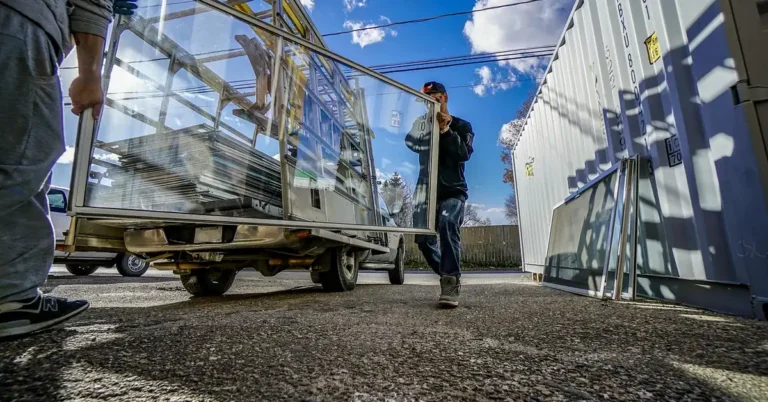
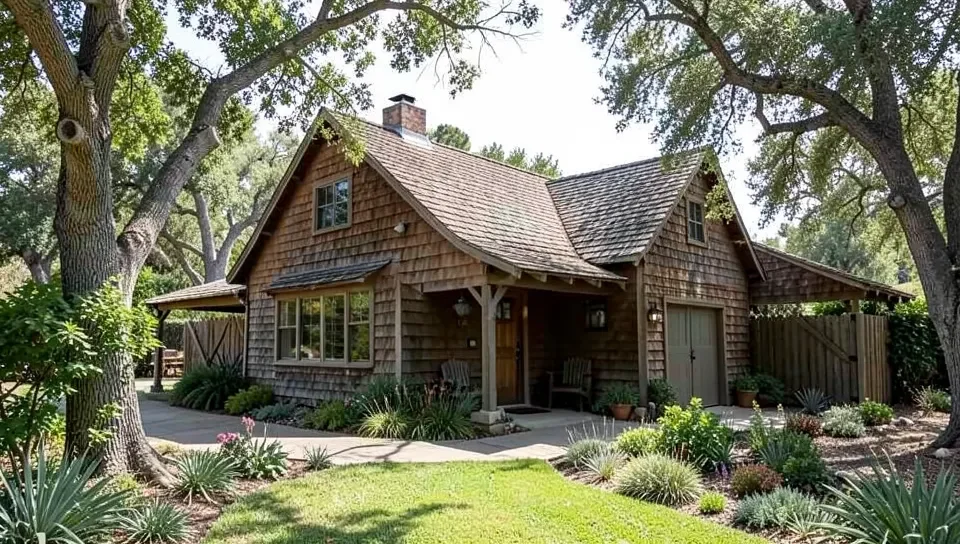
Sam Maloof’s actual home and workshop, built by him in Alta Loma, California starting in the early 1950s, were physically moved about three miles in 2000 to save them from the path of a new 210 freeway extension — the buildings, and about twenty mature trees, were relocated to their current site at 5131 Carnelian Street. The complex is now a National Register of Historic Places site, preserved and operated as a museum by the Sam and Alfreda Maloof Foundation for Arts and Crafts.
Why The Studio Had To Move
The Real Story, Documented
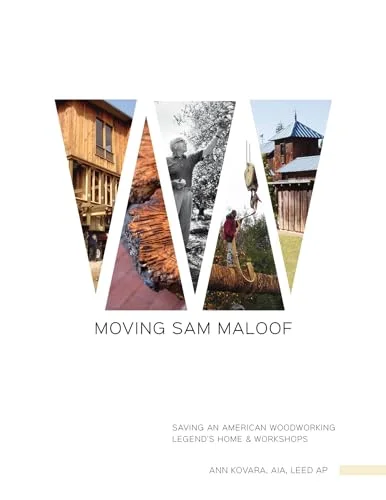 |
Moving Sam Maloof: Saving an American Woodworking Legend’s Home & Workshops – $34.99 A real, documented account of the actual relocation project, written by the architect who led the preservation effort.
|
Maloof designed and built the house and workshop himself on what was then rural land in Alta Loma, working there for four decades and rising to prominence as one of America’s most celebrated studio furniture makers — his work is held in the Smithsonian’s Renwick Gallery and he received a MacArthur Fellowship in 1985, the first craftsperson to be so honored. When Caltrans’s planned route for the 210 freeway extension put the property directly in the freeway’s path, a foundation formed specifically to save the site rather than let it be demolished. Rather than losing the home, the main house, several outbuildings, and roughly twenty large mature trees were physically relocated about three miles to the current Carnelian Street site — a genuinely major historic-preservation undertaking, not a routine move.
What’s Actually There Today
The site is now operated as a museum by the Sam and Alfreda Maloof Foundation for Arts and Crafts, offering docent-led tours of the house and workshop along with the Water Wise Discovery Gardens on the property. Visitors see Maloof’s actual furniture in the setting it was designed for, along with the art collection he and his wife Alfreda assembled, and the natural landscape that influenced his work — a real, physical connection to his process that a photo or article can’t fully replace. Tours are typically by reservation; check the Foundation’s own site for current hours and booking before planning a visit, since museum schedules change.
Who Sam Maloof Actually Was
Maloof began making furniture on the original site in the early 1950s, largely self-taught, and developed a signature style built around sculptural, flowing joinery — his rocking chairs in particular became widely recognized for their distinctive, hand-shaped rockers and seat joints. His work is held in major collections including the Smithsonian’s Renwick Gallery, and in 1985 he became the first craftsperson awarded a MacArthur Fellowship, a real, verifiable recognition that placed studio furniture-making on the same footing as other major American arts. That real body of recognized work, built at the house and workshop now preserved on Carnelian Street, is what makes the site’s survival genuinely significant rather than sentimental.
Why This Matters Beyond One House
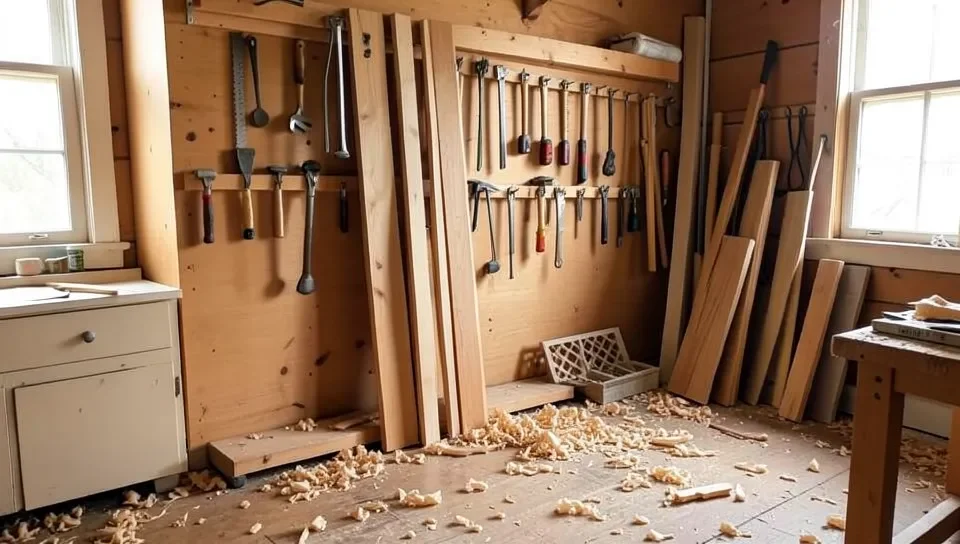
The Maloof compound’s relocation is a genuinely significant case study in architectural preservation — moving an entire inhabited, working studio complex (not just a single small structure) intact enough to remain a functioning historic site is rare, and it’s documented in real detail in Ann Kovara’s book on the project, written by the architect who led the effort. For woodworkers specifically, the site’s ongoing life as a museum means Maloof’s actual working environment, not just his furniture in isolation, remains something you can genuinely visit and study.
Frequently Asked Questions
Where is Sam Maloof’s studio located?
At 5131 Carnelian Street in Alta Loma (part of Rancho Cucamonga), California — its current site since the 2000 relocation, about three miles from its original location.
Why was Sam Maloof’s house moved?
The planned route for a 210 freeway extension put the historic property directly in its path. Rather than allow it to be demolished, a foundation formed to physically relocate the house, workshop outbuildings, and about twenty mature trees roughly three miles to their current site.
Can you visit Sam Maloof’s studio today?
Yes. The site operates as a museum run by the Sam and Alfreda Maloof Foundation for Arts and Crafts, with docent-led tours of the house, workshop, and Discovery Gardens, typically by reservation. Check the Foundation’s own site for current hours before visiting.
Conclusion
Sam Maloof’s studio isn’t just a historical footnote — it’s a real, physically relocated National Register site you can visit today, saved from a freeway through a genuinely rare preservation effort. That real story, and the actual working environment it preserves, is worth more than a generic summary of his furniture style.
Sponsored / affiliate links. As an Amazon Associate I earn from qualifying purchases. I may earn additional commission from eligible campaigns.