Sam Maloof Low-Back Rocker: His Favorite After 40 Years
The Sam Maloof low-back rocker is the rocking chair design Maloof himself called his favorite, saying “I finally got it right” after refining rocker joinery for roughly four decades. Its shorter, more reclined back sets it apart from his earlier high-back rockers, and original Maloof pieces now sell at auction for tens of thousands of dollars. This guide covers what makes the low-back design different, its real oil/wax finish recipe, and where to find authentic building plans instead.
Quick Answer
The low-back rocker is one of roughly a dozen rocker variations Sam Maloof built over his career, distinguished by a shorter, more reclined backrest than his original high-back design. Maloof’s own studio calls it “an iconic Maloof design” and one of his most popular pieces — he considered it the version where he finally got the joinery right.
What Makes the Low-Back Design Different
Recommended Finish Pick
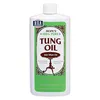
Hope’s 100% Pure Tung Oil, 16 Fl Oz – $17.99
Pure tung oil is one of the two oils in Maloof’s own oil/wax topcoat recipe covered below — useful for maintaining a Maloof-style rocker or any oil-finished chair.
- Best for: Reviving the finish on an oil-finished wood rocker or chair
- Why we picked it: Food-safe, 100% pure tung oil — matches the base ingredient in the finish recipe this guide describes
- Main drawback: Pure tung oil alone dries slower than a poly/oil blend; several thin coats are needed for full protection
As an Amazon Associate we earn from qualifying purchases.
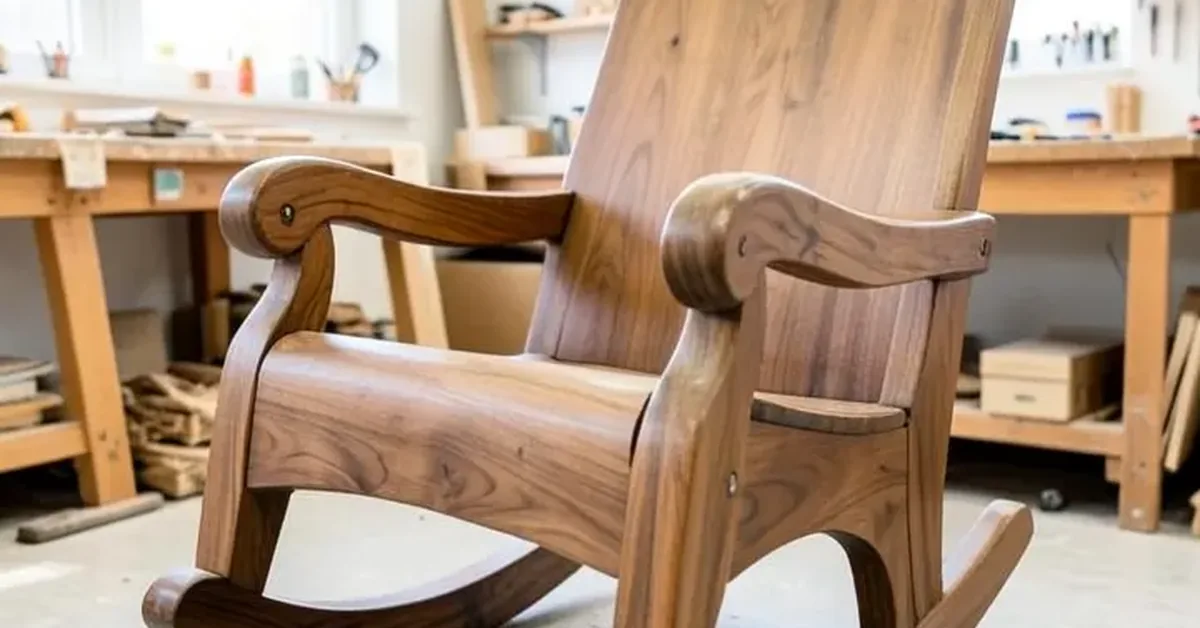
Maloof debuted his signature rocking chair design in 1958, then spent decades refining the joinery and proportions across roughly a dozen basic rocker variations. The low-back version shortens and reclines the backrest compared to his earlier high-back rockers, shifting the chair’s center of gravity and changing how it supports the sitter’s shoulders and lower back. It’s built on the same sculpted, continuous arm-to-leg joint that defines all of his rockers — wood shaped and sanded into one flowing curve rather than joined at a visible right angle.
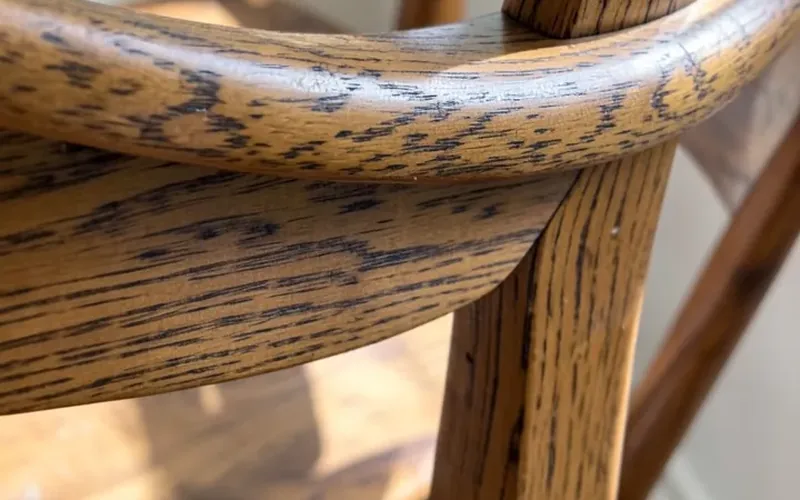
“I finally got it right.”
That’s a rare thing for a woodworker who spent his whole career revising the same basic form to say about one specific version. It’s a large part of why the low-back rocker, specifically, is the piece most often cited as Maloof’s signature design rather than just one entry in his catalog.
Sam Maloof’s Signature Oil/Wax Finish Recipe
Maloof finished his rockers in two stages: a poly/oil base coat first, then several coats of his own oil/wax topcoat — a blend of wax, pure tung oil, and boiled linseed oil. That combination builds a soft, deep patina rather than a hard plastic-like film, which is part of why his chairs feel warm to the touch instead of glossy.
📊 Maloof was the first craftsman ever to receive a MacArthur Foundation “genius grant” fellowship, in 1985 — sixteen years after becoming the first recipient of the Louis Comfort Tiffany Grant in 1969. — Source: Smithsonian Magazine
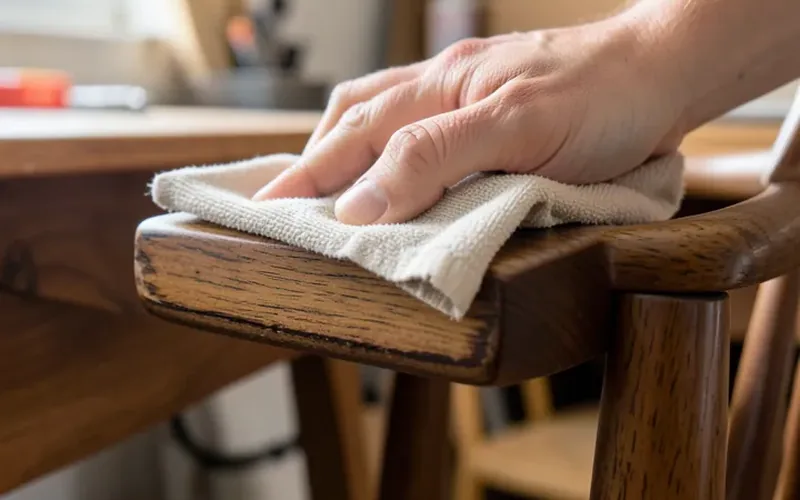
For upkeep on an oil/wax-finished rocker: dust with a soft cloth, then reapply a thin coat of oil/wax finish every six to twelve months depending on humidity and use — more often for a chair that sees daily use outdoors or near a heat source. Skip silicone-based furniture polish entirely; it doesn’t bond with an oil/wax finish and makes the next reapplication harder. Keep the chair out of direct sunlight, which dries and fades the finish faster than normal handling ever will.
Where the Low-Back Fits in the Larger Maloof Story
Sam Maloof built his first pieces of furniture in 1949 and didn’t design the rocker that made him famous until 1958 — the low-back is the version he considered most resolved after decades building on that original idea. For the fuller story of his life and career, see our Sam Maloof woodworker biography. If you want to see what an original or licensed piece is actually worth at auction today, we cover real recorded sale prices — including an $80,500 record — in our guide to Maloof furniture value and fakes.
Buying, Building, or Visiting One
An authentic Maloof low-back rocker built by Sam Maloof himself is not something you’ll find for sale new — he died in 2009, and originals now move through auction houses and estate sales at prices most buyers can’t justify for a chair. Two realistic paths: commission a piece from one of the licensed makers who trained under Maloof, or build your own from real plans. We’ve vetted actual plan sources — not just PDF reprints — in our Sam Maloof rocking chair plans guide.
If you’d rather see the real thing in person, Maloof’s home and studio in Alta Loma, California is preserved and open for guided tours — we cover what to expect and how to book a visit in our guide to visiting Sam Maloof’s home and studio.
Frequently Asked Questions
What is the Sam Maloof low-back rocker?
It’s one of roughly a dozen rocker designs Sam Maloof built over his career, distinguished by a shorter, more reclined backrest than his original 1958 high-back rocker. Maloof considered it his most refined rocker design, built on the same sculpted continuous-joint construction as his other chairs.
Why is the Sam Maloof rocker so popular?
Beyond its comfort, Maloof was the first craftsman to receive a MacArthur Foundation “genius grant” fellowship (1985) after already being the first recipient of the Louis Comfort Tiffany Grant (1969). That recognition, combined with auction prices that have reached over $80,000 for original pieces, cemented the rocker’s status among collectors.
Where can I buy a Sam Maloof low-back rocker?
Originals only surface at auction or through estate sales since Maloof passed away in 2009. Realistic alternatives are commissioning a piece from a licensed maker trained under Maloof, or building one yourself from vetted plans — see our dedicated plans guide for real sources.
How do I care for a Maloof-style rocker?
Dust with a soft cloth and reapply a thin coat of oil/wax finish (a blend of pure tung oil, boiled linseed oil, and wax) every six to twelve months. Avoid silicone-based furniture polish, which doesn’t bond with an oil/wax finish, and keep the chair out of direct sunlight to slow fading and drying.
Conclusion
The low-back rocker isn’t just another entry in Maloof’s catalog — it’s the version he himself considered the most resolved after decades refining the same basic form. Whether you’re maintaining an existing piece with the real oil/wax recipe above, building your own from vetted plans, or just want to see an original in person at his preserved studio, the low-back design is the clearest expression of what made Maloof’s work distinct.
Sponsored / affiliate links. As an Amazon Associate I earn from qualifying purchases. I may earn additional commission from eligible campaigns.