DIY Monitor Stand Wood: Elevate Your Workspace with Style
A DIY monitor stand made of wood can transform your workspace. It’s simple yet stylish.
Creating your own wooden monitor stand offers many benefits. It’s cost-effective, customizable, and adds a personal touch to your desk. A well-designed stand can improve your posture by raising your monitor to eye level. This reduces neck and back strain.
Plus, it provides extra space for organizing items like notebooks and pens. Building a wooden stand is a fun and rewarding project. You can choose the type of wood and design that best fits your style. Whether you’re a seasoned DIY enthusiast or a beginner, this project is manageable. Ready to enhance your workspace? Let’s dive into the world of DIY wooden monitor stands!
Benefits Of A Wooden Monitor Stand
A wooden monitor stand helps you keep your screen at eye level. This reduces neck and back strain. It can make your workspace more comfortable. Improved posture can lead to better focus.
Wood adds a natural look to your desk. It can match various decor styles. A wooden stand makes your workspace look clean and organized. It offers a warm and inviting feel.
Wood stands are strong and long-lasting. They can hold heavy monitors with ease. Wood is a renewable resource. Choosing wood is better for the environment. It can be reused or recycled.
Choosing The Right Wood
Pine is soft and easy to cut. Oak is harder and more durable. Birch is strong but harder to work with. Plywood is cheap and easy to find. Hardwoods like maple and walnut are tough. They also look great.
| Type of Wood | Pros | Cons |
|---|---|---|
| Pine | Soft, easy to cut, cheap | Not very durable, scratches easily |
| Oak | Strong, durable, looks good | Harder to cut, more expensive |
| Birch | Strong, smooth finish | Hard to work with, can be pricey |
| Plywood | Cheap, easy to find, versatile | Not as strong, edges can splinter |
| Hardwoods (Maple, Walnut) | Very durable, looks great | Expensive, hard to cut |
Think about your budget. Pine and plywood are cheaper. Oak and hardwoods cost more. Consider the tools you have. Softwoods are easier to cut. Hardwoods need sharper tools. Look at the color and grain. Birch and maple have a light look. Walnut and oak are darker.
Tools And Materials Needed
You need some tools to build a wooden monitor stand. A saw is necessary to cut the wood. You will also need a drill for making holes. A screwdriver helps in fixing screws. A measuring tape ensures you get the right dimensions. Sandpaper smooths the wood surfaces. Clamps hold the wood in place while you work.
Here is what you need to gather:
- Wood pieces (cut to size)
- Screws
- Wood glue
- Paint or varnish (optional)
Safety comes first. Wear safety goggles to protect your eyes. Use ear protection to guard your ears from loud noises. Wear gloves to keep your hands safe. Have a dust mask to avoid breathing in wood dust.
Step-by-step Construction Guide
First, measure the wood pieces. Use a tape measure to get the exact length. Mark the spots where you need to cut. Use a saw to cut the wood. Be careful while cutting. Ensure all pieces are the correct size.
Start by laying out the wood pieces. Join them together with screws or nails. Use a drill to make holes for the screws. Fit the pieces tightly. Check if the stand is stable. Adjust if needed.
After assembling, sand the wood. Use sandpaper for smooth edges. Remove all rough spots. Finish the stand with varnish or paint. Let it dry completely. Your monitor stand is now ready!
Customization Ideas
Paint your wood stand for a fresh look. Choose colors that match your room. Stain the wood for a natural feel. Light stains show the wood grain well. Dark stains give a rich, elegant touch. Apply a clear coat to protect the paint or stain.
Add stickers or decals for a fun touch. Use washi tape for a quick design change. Attach small hooks to the sides for extra storage. Glue small wooden shapes or letters to the stand. Consider adding a small shelf for extra space.
Engrave your name or a quote on the stand. Use stencils to create patterns or shapes. Add a photo frame for a personal touch. Use fabric or wallpaper to cover parts of the stand. Create a theme based on your favorite hobby or color.
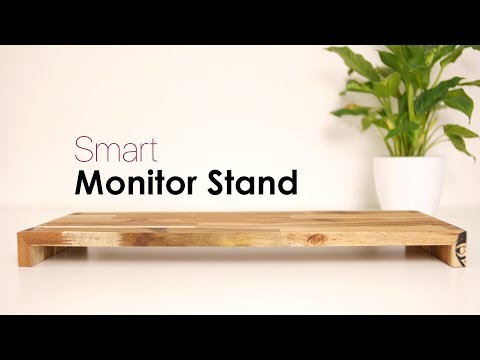
Credit: www.instructables.com
Maintenance And Care
Keep your wood monitor stand clean. Wipe with a soft cloth. Use mild soap and water for stains. Dry with a clean cloth. Avoid harsh cleaners. They can damage the wood.
Fix small scratches with a wood marker. Fill deeper scratches with wood filler. Sand the area gently. Apply a matching wood finish. Let it dry completely.
Place your monitor stand away from direct sunlight. Too much sun can fade the wood. Keep it dry. Moisture can cause warping. Use coasters under drinks. This prevents water rings. Check for loose screws. Tighten them if needed.
Cost Considerations
Creating your own monitor stand from wood can be cost-effective. Wood is the main material needed. Other materials include screws and paint. Buying these items separately can save money. Plan your budget carefully.
DIY stands are often cheaper than store-bought options. Store-bought stands can be costly. DIY stands offer customization. You can choose your own design and size. You also gain a sense of accomplishment.
Look for sales at hardware stores. Check online marketplaces for cheaper options. Sometimes, you can find discounts or coupons. Buying in bulk can also lower costs. Always compare prices.

Credit: www.instructables.com
Common Mistakes To Avoid
Always double-check your measurements. A small mistake can ruin the project. Use a ruler and pencil to mark your cuts. Be precise. Measure twice, cut once.
Follow the instructions carefully. Assemble the parts in the right order. Tighten screws properly. Loose screws can make the stand wobbly. Ensure all pieces fit together well.
Sand the wood smoothly. Rough edges can be dangerous. Apply paint or varnish evenly. Let each coat dry completely. Use a clean brush for a smooth finish.

Credit: www.youtube.com
Frequently Asked Questions
What Tools Are Needed For A Diy Monitor Stand?
For a DIY monitor stand, you’ll need a saw, drill, screws, measuring tape, and sandpaper. These tools help in cutting, assembling, and finishing the wood stand.
What Type Of Wood Is Best For A Monitor Stand?
Pine, oak, and plywood are great choices. They are sturdy, easy to work with, and readily available.
How Do I Ensure My Monitor Stand Is Stable?
To ensure stability, use a level to check alignment. Secure joints with screws and consider adding support brackets.
Can I Customize The Height Of My Monitor Stand?
Yes, you can customize the height according to your needs. Measure your ideal height before cutting the wood.
Conclusion
Creating your own wood monitor stand is both rewarding and practical. It enhances your workspace and provides better ergonomics. The process is simple and enjoyable, perfect for beginners. Plus, you can customize it to fit your style. Save money and gain a sense of accomplishment with this project.
Try building your DIY monitor stand today and enjoy the benefits.