DIY Plywood Desk Plans: Build Your Dream Workspace
Looking to create a stylish and budget-friendly desk for your home office? With just one plywood sheet and some basic power tools, you can build a custom DIY plywood desk.
This versatile and durable option offers a modern aesthetic and is relatively easy to move. Whether you’re a beginner or experienced in woodworking, constructing a plywood desk can be a rewarding project. In this blog, we’ll explore the process of building a DIY plywood desk, including selecting the right plywood, essential tools, design inspirations, and finishing techniques.
With step-by-step instructions and helpful tips, you’ll be on your way to creating a sleek and functional workspace that suits your specific needs.
Getting Started With Your DIY Plywood Desk
Embark on your DIY plywood desk project with ease by following a simple tutorial for a modern desk design. Create a custom, budget-friendly desk using just one plywood sheet and basic power tools. Enjoy the process of crafting your own unique workspace solution.
Are you ready to create your very own custom DIY plywood desk? Whether you’re looking to revamp your workspace or add a personal touch to your home office, building a plywood desk can be a rewarding and cost-effective project. Let’s kick off your DIY journey by exploring the essential steps and considerations you need to keep in mind.
Choosing The Right Plywood
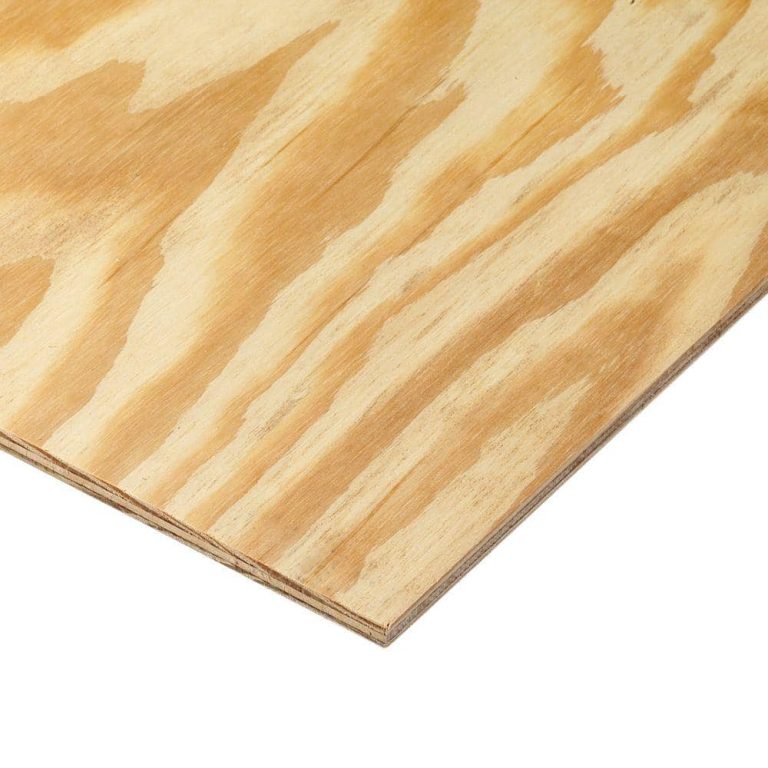
When it comes to selecting the right plywood for your desk, it’s crucial to consider factors such as thickness, grade, and finish. Opt for ¾ inch plywood for a sturdy and durable desktop. For a sleek and modern look, consider using birch plywood, known for its smooth and attractive finish. Ensure the plywood is free from any defects or warping to achieve a polished final result.
Tools And Materials Needed
Before diving into the construction process, gather the essential tools and materials required for the project. You’ll need basic power tools such as a circular saw, drill, and sander, along with measuring tape, screws, and wood glue. Additionally, don’t forget to equip yourself with safety gear including goggles, gloves, and a dust mask to ensure a safe and smooth DIY experience.
Design Inspirations And Planning
Sketching Your Desk Design
Start by sketching your ideal desk design on paper.
Consider the dimensions, layout, and any additional features.
Calculating Dimensions And Materials
- Determine the size of the desk based on available space.
- List the materials needed, including plywood sheets and finishing products.
Ensure your design aligns with your space and functionality needs.
Double-check measurements to avoid any errors in construction.
| Resource | Information |
|---|---|
| YouTube Tutorial | Watch detailed videos for additional inspiration. |
| Blog Posts | Read about different finishes for your plywood desk. |
Seek inspiration from DIY communities for innovative ideas.
Plan carefully to bring your DIY plywood desk vision to life.
Cutting And Assembling The Desk
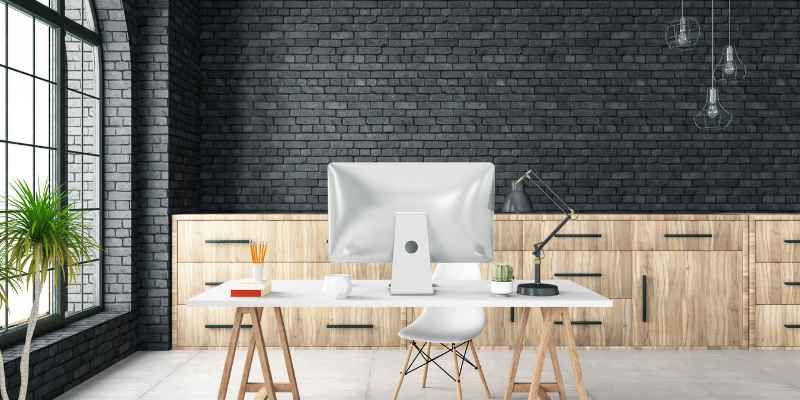
Constructing a DIY plywood desk involves cutting a sheet into strips and assembling them. By following simple steps, you can create a custom, budget-friendly desk for your home office. This project offers a modern and unique desk solution that is both durable and stylish.
Making Precise Cuts
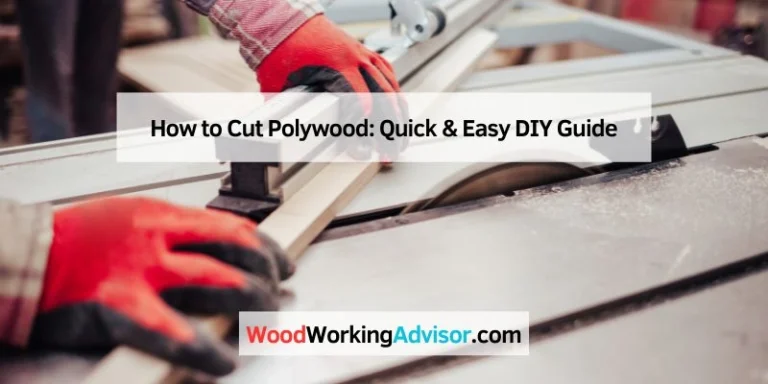
When it comes to making a DIY plywood desk, making precise cuts is crucial to ensure that all the pieces fit together perfectly. Before you start cutting, it’s important to measure your plywood sheet and mark the cut lines with a straight edge and pencil.
For the best results, use a circular saw with a guide rail or a table saw to make your cuts. Be sure to wear protective gear such as safety glasses and earplugs when operating power tools.
Assembling The Desk Frame
Once you have all your pieces cut to size, it’s time to assemble the desk frame. Start by attaching the legs to the top of the desk using wood screws and a drill.
Next, attach the apron pieces to the inside of the legs using wood glue and clamps to hold them in place while they dry. Be sure to use a level to ensure that the desk is even before attaching the apron pieces.
After the apron pieces are attached, add the support pieces to the bottom of the desk frame using wood screws and wood glue. These pieces will provide added stability to the desk.
Finally, attach the desktop to the frame using wood screws from underneath. Sand the desk to remove any rough edges and apply a finish of your choice.
In conclusion, cutting and assembling a DIY plywood desk requires precision and attention to detail. With the right tools and techniques, you can create a beautiful and functional desk that fits your style and budget.
Desk Surface And Edges
Create a sleek DIY plywood desk with a smooth surface and clean edges for a modern look. The desk’s surface and edges can be finished with hard wax oil for added durability and a stylish appearance. This budget-friendly custom desk is perfect for a home office or workspace.
Creating A Smooth Desk Surface
When it comes to building a DIY plywood desk, one of the key factors to consider is creating a smooth desk surface. A smooth surface not only enhances the overall appearance of the desk but also provides a comfortable working area. Here are some steps you can follow to achieve a smooth desk surface:
- Start by selecting a high-quality plywood sheet that is suitable for desks. The thickness of the plywood should be at least 3/4 inches to ensure stability.
- Measure and cut the plywood sheet according to the desired dimensions of your desk.
- Use a sander or sandpaper to smooth out any rough edges or imperfections on the surface of the plywood. Start with a coarse-grit sandpaper and gradually move to finer-grit sandpaper for a smoother finish.
- Make sure to sand both the top and bottom surfaces of the plywood to ensure uniformity.
- Once the sanding is complete, wipe away any dust or debris from the surface using a clean cloth or tack cloth.
Following these steps will help you achieve a smooth and polished desk surface that is ready for the next step of finishing the edges.
Finishing Edges For A Polished Look
After creating a smooth desk surface, the next step is to finish the edges for a polished look. The edges of the plywood desk not only add visual appeal but also provide a comfortable and safe working area. Here are some methods you can use to finish the edges:
- 1. Edge Banding: Edge banding is a popular method to cover the exposed edges of plywood. It involves applying a thin strip of veneer or PVC tape to the edges, which can be easily trimmed and sanded for a seamless finish.
- 2. Routering: Using a router, you can create decorative edges on the plywood desk. There are various router bits available in different shapes and sizes to create a customized edge design.
- 3. Sanding and Smoothing: Another method is to sand and smooth the edges of the plywood desk. This can be done by using sandpaper or a sander to remove any roughness and create a rounded or beveled edge.
Choose the method that best suits your design preference and skill level. Whichever method you choose, make sure to sand and finish the edges properly to achieve a polished and professional look.
In conclusion, creating a smooth desk surface and finishing the edges are crucial steps in building a DIY plywood desk. By following these steps and using the right techniques, you can achieve a high-quality and visually appealing desk that perfectly fits your needs and style.
Adding Legs And Stability Features
When it comes to building a DIY plywood desk, adding legs and stability features is essential to ensure a sturdy and functional workspace. In this section, we will discuss the key aspects of choosing desk legs and ensuring desk stability, providing you with the knowledge to create a durable and reliable desk.
Choosing Desk Legs
When selecting desk legs for your plywood desk, there are a few factors to consider. First, you need to determine the desired height of your desk. Measure the distance from the floor to your ideal working height and choose legs that match this measurement. Additionally, consider the style and design aesthetic you want to achieve. There are various options available, including metal, wood, and adjustable legs, each offering unique benefits.
Here are some popular choices for desk legs:
| Leg Type | Benefits |
|---|---|
| Metal Legs | Durable, modern look, adjustable height options |
| Wooden Legs | Natural, classic look, sturdy support |
| Adjustable Legs | Flexible height options, ergonomic design |
 Ensuring Desk Stability
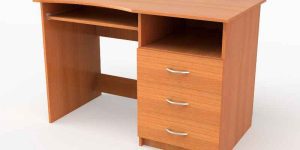 Ensuring Desk Stability
Desk stability is crucial for a comfortable and safe working environment. To achieve optimal stability, follow these steps:
- Ensure your plywood desk is level by using a spirit level. Place it on various points of the desk surface to check for any unevenness.
- Attach the desk legs securely to the plywood. Use appropriate screws or brackets to firmly connect the legs to the desk surface.
- Add additional support features, such as crossbars or braces, to enhance stability. These can be attached between the legs or underneath the desk surface.
- If you plan to place heavy items on your desk, consider reinforcing the underside of the plywood with additional support beams or brackets.
By following these steps, you can ensure that your DIY plywood desk is stable and capable of supporting your work materials and equipment.
In conclusion, adding legs and stability features is a crucial step in building a DIY plywood desk. By carefully choosing desk legs and implementing stability measures, you can create a functional and reliable workspace that meets your specific needs.
Finishing Touches
After constructing the basic structure of your DIY plywood desk, it’s time to add the finishing touches that will enhance its appearance and durability.
Sanding For Smoothness
Begin by sanding the entire surface of the desk using fine-grit sandpaper to create a smooth and even finish. Pay special attention to the edges and corners to ensure a seamless look.
Applying The Finish
Once the sanding is complete, it’s time to apply the finish. Consider using a hard wax oil which penetrates deeply into the plywood, providing a durable and easy-to-maintain finish that also protects the wood from damage.
Custom Features And Upgrades
Enhance your DIY plywood desk with custom features and upgrades to create a personalized and functional workspace.
Incorporating Drawers And Shelves
Add drawers for storage and organization. Incorporate shelves for display and easy access to essentials.
Cable Management Solutions
Implement smart cable management solutions to keep wires neat and tidy. Ensure efficient power and data connectivity.
Maintaining Your DIY Plywood Desk
Maintaining your DIY plywood desk is essential to ensure its longevity and functionality. Regularly clean the surface with a damp cloth and mild detergent, avoiding harsh chemicals that may damage the wood. Additionally, inspect the desk for any signs of wear or loose screws, tightening them as necessary to keep the desk stable and secure.
Cleaning And Care Tips
To keep your DIY plywood desk looking its best, follow these simple cleaning and care tips:
- Regularly dust the surface with a soft, dry cloth to prevent buildup.
- For tougher stains, use a mild soap and water solution to gently wipe the surface.
- Avoid harsh chemicals and abrasive cleaners that can damage the plywood finish.
Repair And Upkeep
Proper repair and upkeep are essential for maintaining the longevity of your DIY plywood desk:
- Inspect the desk regularly for any signs of damage or wear.
- For minor scratches or dents, sand the area lightly and apply a matching finish.
- Ensure the desk is placed on a stable surface to prevent warping or sagging over time.
Frequently Asked Questions
Can I Build A Desk With Plywood?
Yes, you can build a desk with plywood. It is a budget-friendly option that can be customized to your needs. Plywood desks are durable and lightweight, making them easy to move. You can find tutorials and plans online for building a DIY plywood desk.
Choose the appropriate thickness of plywood for your desk project. Consider finishing the desk with hard wax oil for added protection.
How Thick Should Plywood Be For A Desk?
For a desk, plywood thickness should be at least 3/4 inch or 18mm to provide adequate strength and stability. Thicker plywood may be used for larger desks or those with heavy loads. Choosing a hardwood veneer can also add durability and aesthetic appeal.
A hard wax oil finish is recommended for protection and easy maintenance.
Are Plywood Desks Good?
Yes, plywood desks are good. They are durable and lightweight, making them a great option for handmade desks.
What Is The Best Finish For Plywood Desk?
The best finish for a plywood desk is hard wax oil, providing a durable, easy-to-clean, and attractive finish that protects the plywood from cracking or peeling.
Conclusion
Building your own DIY plywood desk can be a fun and budget-friendly project that can also add a personal touch to your workspace. With the help of some basic power tools and one sheet of plywood, you can create a custom desk that fits your needs and style.
Whether you prefer a simple modern design or a more intricate one, there are plenty of tutorials available online to guide you through the process. Plus, by choosing the right finish, you can ensure that your desk is both durable and aesthetically pleasing.
So why not give it a try and create a desk that’s uniquely yours?