Does Plywood Have a Grain? The Cross-Ply Truth Explained
Yes, plywood has a grain – but it’s not the same kind of grain solid lumber has. What you see on the face of a plywood sheet is the grain of a single thin wood veneer glued to the top. The layers beneath that face are hidden, and they run in alternating directions specifically so the panel resists warping. Understanding that difference changes how you sand, stain, and cut plywood compared to a solid board.
Yes, Plywood Has a Face Grain – Here’s What Creates It
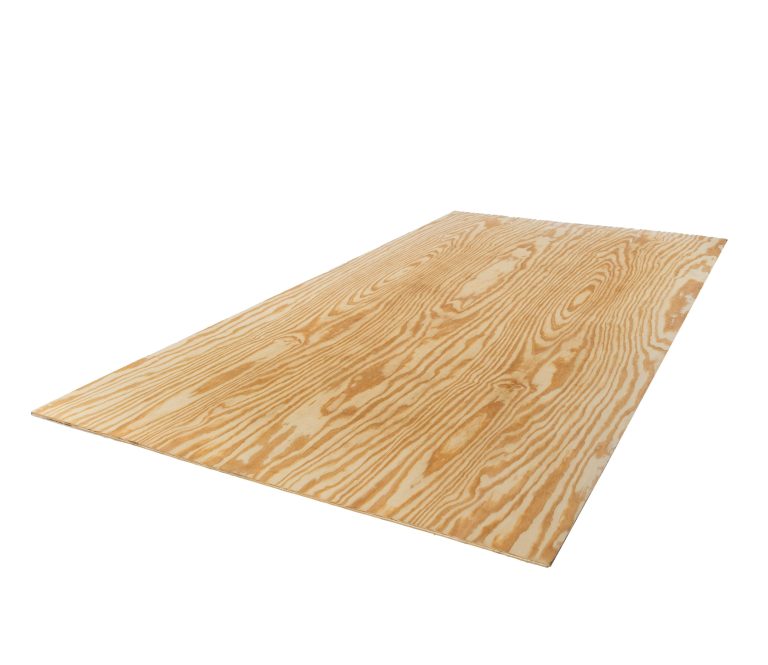
Every sheet of plywood is built around a thin outer layer called the face veneer, usually 1/32 to 1/16 inch thick, sliced from a real species of wood such as birch, oak, maple, or sande. That veneer carries actual wood grain: growth rings, color variation, and figure, the same way a solid board of that species would. It’s why a birch plywood panel and a solid birch board can look almost identical from a few feet away.
Best for Sanding a Plywood Face Veneer
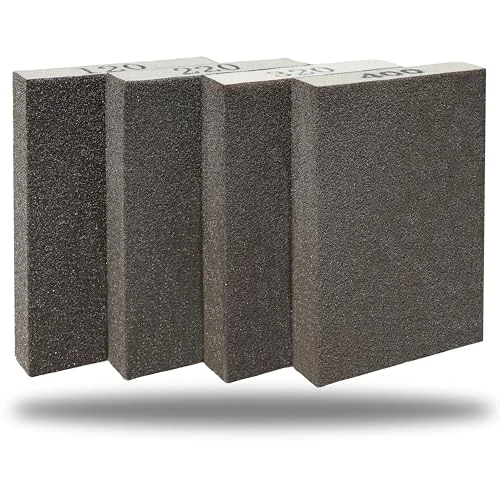 |
4-Grit Sanding Sponge Block Set (120/220/320/400) – $4.59 Since only the thin face veneer carries plywood’s visible grain, working through these four grits by hand lets you smooth and prep that top layer without sanding through it.
|
Below that visible face veneer, though, plywood stops looking anything like solid wood – and that’s where the real structure of the panel comes in.
The Real Mechanism: Why Plywood’s Inner Layers Run in Alternating Directions
Wood moves with humidity, but not evenly in every direction. A board expands and contracts noticeably across its grain as it absorbs or loses moisture, while it barely moves at all along the grain. That’s the whole reason solid wood cups, cracks, and shrinks across its width over a season, while its length barely changes.
Plywood is engineered specifically to cancel that movement out. Each ply is glued down with its grain rotated 90 degrees from the ply directly above and below it – a technique called cross-lamination. When humidity changes, the layer that wants to expand across its width is glued directly to a layer that wants to expand along its length instead. The two directions restrain each other, and the panel as a whole barely moves. That’s the genuine mechanism behind plywood’s dimensional stability, and it’s why a sheet of plywood resists warping and shrinking across its width far better than a solid board of the same species and thickness.
Most cabinet-grade and construction plywood uses an odd number of plies (3, 5, 7, or more) for exactly this reason – an odd count keeps the two outer faces (the good face veneer and the back) running in the same grain direction, so the panel stays flat and balanced instead of warping toward one side.
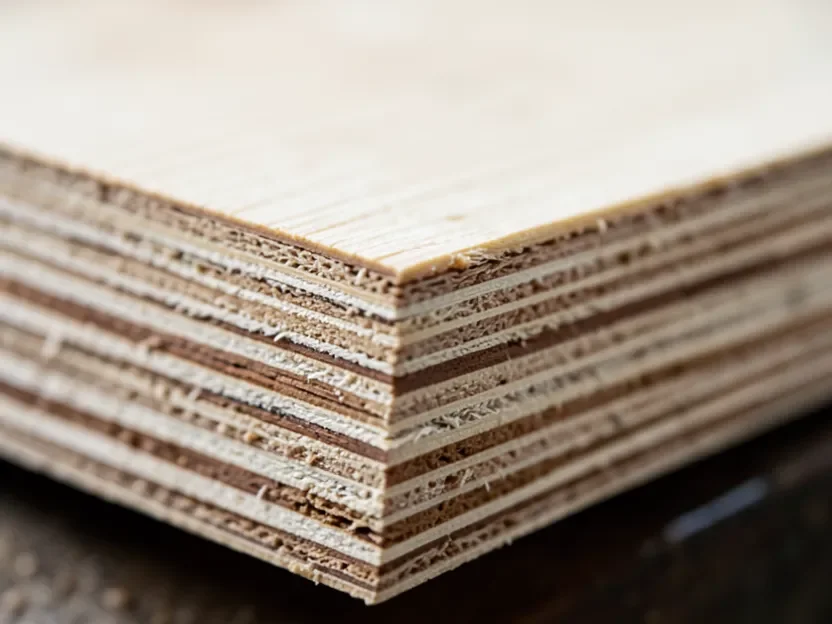
How Plywood’s Grain Differs From Solid Wood’s Grain
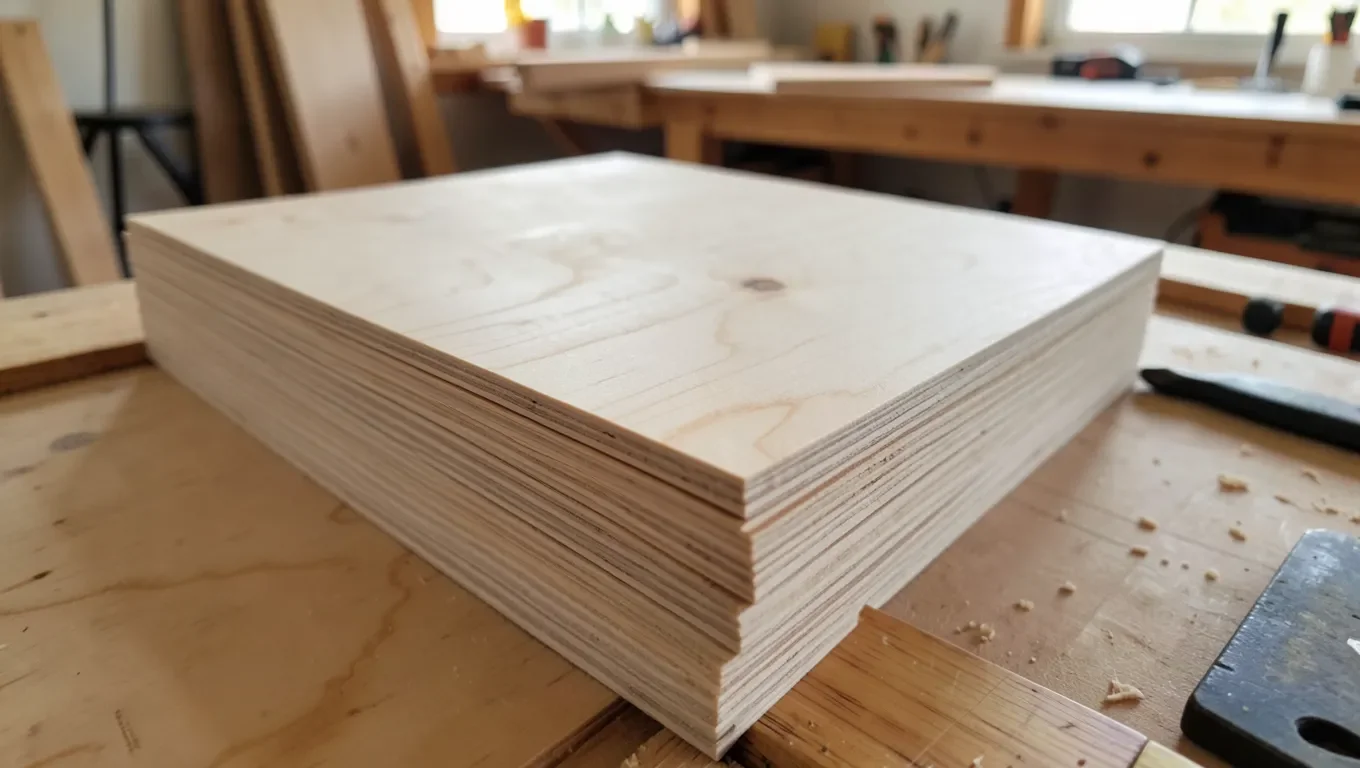
Solid wood has one continuous grain running through the entire thickness of the board, top to bottom. Cut into it anywhere and you’re still looking at the same piece of wood, oriented the same way. Plywood only gives you that on the surface. The face veneer is real, continuous-grain wood, but it’s a thin skin bonded over a core of cross-laminated layers running perpendicular to it. Cut into the edge of a plywood panel and you’ll see the layered structure immediately – alternating light and dark bands, each one a separate ply running a different direction than its neighbor.
That’s why a plywood panel and a solid board of the same species can look identical from the face but behave completely differently the moment you cut, sand, or expose an edge.
Practical Sanding: Which Direction to Sand a Plywood Face
Since the only real, visible grain on a plywood panel belongs to the thin face veneer, you sand it exactly the way you’d sand a solid board: with the grain direction of that top layer, never across it. Sanding across the grain leaves scratch marks that catch stain and show up as pale lines running the wrong direction once finish is applied.
The one risk plywood adds that solid wood doesn’t have: because the face veneer is so thin, aggressive sanding or a coarse grit can cut straight through it and expose the cross-band layer underneath, which is usually a different species or color and runs the wrong grain direction. Once that happens, no amount of stain will make the spot match the rest of the panel. Work through progressive grits instead of forcing one aggressive pass – start around 120 grit to level any mill marks, then move up through 220, 320, and finish around 400 before staining, easing off pressure near edges and corners where the veneer is thinnest and most likely to sand through.
How Grain Direction Affects Stain and Finish Appearance
Because the face veneer is a real wood species, it takes stain the same way solid wood of that species does – the softer earlywood between growth rings absorbs pigment faster than the denser latewood, which is exactly what creates visible grain contrast under a stain. Open-grain species used for veneer, like oak, show that contrast strongly. Closed-grain species like birch or maple stain much more evenly, with far less visible figure.
Two mistakes show up specifically because of plywood’s layered structure. First, sanding across the face grain leaves scratches that trap extra stain in lines running the wrong direction – always visible once the piece is finished. Second, sanding through the face veneer exposes the cross-band layer beneath, which almost never matches the surrounding wood in color or grain direction, leaving a blotchy patch that stands out no matter how much stain you apply on top of it.
The same cross-ply structure matters just as much if you’re painting rather than staining. Every cut edge exposes the end grain of each layer, which is far more porous than the face and soaks up primer unevenly if you skip it – see our guide to priming plywood before painting for how to seal those edges properly.
Why Plywood Doesn’t Need Grain-Direction Planning for Structural Strength
With solid lumber, grain direction matters for strength, not just looks. A solid shelf board is far stiffer along its grain than across it, which is why you orient a solid wood shelf so the grain runs the length of the span – load it the wrong way and it sags or breaks far more easily.
Plywood’s cross-laminated structure removes most of that concern. Because each direction across the panel has some plies running with it and some running perpendicular to it, plywood carries a reasonably balanced load in both directions instead of being strong one way and weak the other. That’s exactly why plywood gets used for structural sheathing, cabinet backs, and shelving without anyone needing to check “which way the grain runs” first, the way you’d have to with a solid board. The alternating layers are already doing that job for you.
Plywood Species and Grades: Which Show the Most Visible Grain
Not every plywood face shows grain the same way, since the face veneer can come from different species and different veneer grades. A quick comparison:
| Face Veneer | Grain Appearance |
|---|---|
| Birch | Tight, closed, fairly uniform grain – stains evenly, minimal figure |
| Oak | Bold, open grain with strong ring contrast, similar to solid oak |
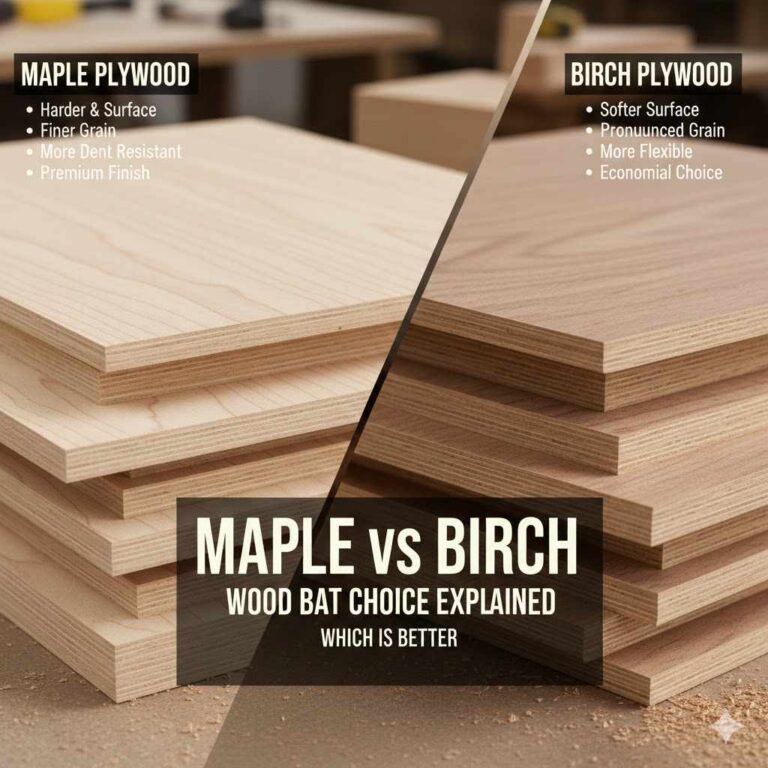
| Maple | Fine, subtle grain, often almost smooth in appearance |
| Sande | Moderate, somewhat blotchy grain – see our full guide to sande plywood for how it compares to hardwood veneers |
| Marine | Grain varies by species used, but the panel is void-free and made for moisture exposure, not looks |
If you want a panel with essentially no visible grain at all, an engineered composite like MDF is the alternative – see our plywood vs. MDF comparison for how the two hold up on strength, cost, and finishing.
Troubleshooting: Warping and Delamination From the Grain Structure
Cross-lamination makes plywood far more stable than solid wood, but it isn’t warp-proof. If only one face of a sheet is exposed to moisture or heat while the other stays dry, that one face veneer will still swell and pull unevenly against the layers beneath it, causing the sheet to bow. You can read more on preventing and fixing this in our guide to straightening warped plywood.
Delamination is a separate issue: it happens when the glue bond between plies fails, usually from prolonged moisture exposure, and the layers physically separate. Sealing cut edges with paint or exterior-rated finish, and choosing marine or exterior-rated plywood for any project that will see standing water, prevents most delamination before it starts.
Frequently Asked Questions
Does plywood have a visible grain pattern?
Yes. The face veneer on plywood is a thin layer of real wood, so it carries the same growth-ring grain pattern a solid board of that species would show. The layers underneath it are hidden and run in alternating directions, so only the face grain is visible.
Why does plywood resist warping better than solid wood?
Because each ply’s grain is rotated 90 degrees from the ply next to it. Wood expands and contracts mostly across its grain with humidity changes, so gluing perpendicular layers together makes each layer restrain the movement of the one next to it, keeping the whole panel far more stable than a solid board with only one grain direction.
Which direction should I sand plywood?
Sand with the grain direction of the face veneer, the same as solid wood. Sand across it and you’ll leave scratches that show as pale lines under stain. Use light pressure and progressively finer grits, since the face veneer is thin enough to sand through if you’re too aggressive.
Does plywood need grain direction considered for strength, like solid lumber?
Not the way solid lumber does. A solid board is much stronger along its grain than across it, so orientation matters for load-bearing uses. Plywood’s cross-laminated plies already run in both directions, giving the panel reasonably balanced strength each way without needing to plan around grain orientation.
Conclusion
Plywood does have a grain – it’s just the grain of a thin real-wood face veneer, sitting on top of a core built from cross-laminated layers running in alternating directions for stability. Sand and finish the face the way you would solid wood, but respect how thin that veneer is, and you’ll get the look of solid lumber with a panel that resists warping far better.
Sponsored / affiliate links. As an Amazon Associate I earn from qualifying purchases. I may earn additional commission from eligible campaigns.
 Baltic Birch Plywood 1/8'' x 12'' x 18'', 6 Pack, B/BB Grade, Void-Free Core, Laser Cutting Ready, Flat Sheets for CNC, Engraving, DIY Crafts, Art Painting, Wood Burning, Staining
 Double Side Plywood Sheets 4mm or 5mm for Painting Stenciling Wood Burning and Decoration 150x220mm 220x300mm 300x450mm Art Project Wood