DIY Push Block for Table Saw: Ensure Safe & Precise Cuts
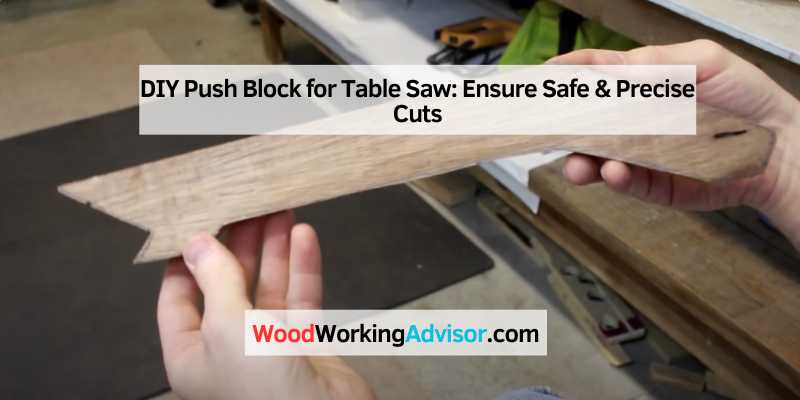
A DIY push block for a table saw is a simple and cost-effective solution to improve safety and accuracy when cutting wood. It can be made from a mouse pad or other materials found around the house and assembled in just a few steps.
Push blocks are essential tools that keep your hands safely away from the saw blade and help prevent kickback. They come in different shapes, sizes, and materials, but the main goal is to provide a secure grip and control over the wood while cutting.
We will explore different types of push blocks and how to make one yourself.
The Importance Of Safety And Precision
Crafting a DIY push block for your table saw is crucial for ensuring safety and precision in woodworking. By using a homemade push block, woodworkers can maintain control over the material, preventing kickback and potential accidents. This simple yet effective tool provides the necessary support for accurate cuts and promotes a secure working environment.
Why Use A Push Block?
Using a push block is essential for ensuring safety and precision when operating a table saw. Whether you are a professional woodworker or a DIY enthusiast, the importance of using a push block cannot be overstated. This simple yet effective tool helps to prevent accidents and provides the necessary control and stability to achieve accurate and clean cuts. In this section, we will explore the reasons why using a push block is crucial for your woodworking projects.
Safety First: Preventing Accidents
The primary purpose of a push block is to protect your hands and fingers from coming into contact with the spinning blade of a table saw. This is especially important when working with smaller pieces of wood that can be difficult to hold and guide by hand alone. By using a push block, you create a safe distance between your hands and the blade, reducing the risk of accidental injury. Additionally, a push block provides a firm grip on the workpiece, minimizing the chances of it slipping or being pulled into the blade, which can result in kickback.
Ensuring Precision
In addition to safety, a push block also plays a vital role in achieving precise and accurate cuts. The tool allows for better control and guidance of the workpiece, ensuring that it maintains a consistent and steady feed through the saw. This helps to prevent the wood from wandering or veering off course, resulting in clean and straight cuts. Whether you are ripping long boards or making intricate crosscuts, using a push block allows you to maintain control over the workpiece, resulting in professional-quality outcomes.
By investing in a high-quality push block and incorporating it into your table saw setup, you can significantly enhance both the safety and precision of your woodworking projects. Remember, safety should always be the top priority in any workshop, and using a push block is an essential step towards achieving a secure and accident-free woodworking environment.
Essential Materials And Tools
When it comes to creating your own push block for a table saw, it’s essential to have the right materials and tools at your disposal. Gathering the supplies and choosing the correct materials is crucial to ensure the effectiveness and safety of your DIY push block.
Gathering Your Supplies
Before you begin crafting your DIY push block, it’s important to gather all the necessary materials and tools. Here’s a list of essential supplies you’ll need:
- Wood for the main block
- Anti-slip rubber pad
- Mouse pad
- Screws
- Wood glue
- Sandpaper
- Protective finish (varnish or wax)
- Measuring tape
- Drill and drill bits
- Saw (table saw or handsaw)
- Clamps
- Safety goggles and gloves
Choosing The Right Materials
When it comes to selecting the materials for your DIY push block, it’s important to prioritize safety and durability. Here are some key considerations:
- Wood: Choose a sturdy and durable wood, such as maple or oak, for the main block to ensure it can withstand the pressure and force exerted during use.
- Anti-Slip Pad: Opt for a high-quality anti-slip rubber pad to provide traction and stability when in contact with the workpiece and the table saw surface.
- Mouse Pad: A mouse pad can be repurposed to provide cushioning and grip, enhancing the safety and control of the push block.
- Hardware: Use high-quality screws and wood glue to securely assemble the components, ensuring the longevity and reliability of the push block.
- Protective Finish: Apply a protective finish, such as varnish or wax, to the wooden surfaces for added durability and resistance to wear and tear.
Designing Your DIY Push Block
Designing your own DIY push block for your table saw is a cost-effective way to ensure safety and precision while working with wood. By following simple steps and using readily available materials, you can create a customized push block that fits your needs perfectly.
When it comes to table saw safety, having a reliable push block is essential. A push block helps you maintain control over the workpiece, keeping your hands safe from the spinning blade. Designing your own DIY push block allows you to customize it to your specific needs and preferences. In this section, we will explore the key factors to consider when designing your DIY push block.
Planning For Efficiency
Before you start designing your DIY push block, it’s important to plan for efficiency. Consider the size and shape of the push block to ensure it provides optimal control and stability during use. Additionally, think about the materials you will use and how they will impact the overall weight and maneuverability of the push block. Planning ahead will help you create a push block that is both effective and efficient.
Customization Options
One of the advantages of designing your DIY push block is the ability to customize it according to your preferences. There are several customization options to consider:
- Handle Design: Choose a handle design that provides a comfortable grip and allows for precise control.
- Material: Select a material that offers durability and grip. You can use hardwood, acrylic, or even repurpose a mouse pad for added friction.
- Adjustability: Consider adding an adjustable feature to accommodate different workpiece sizes and thicknesses.
- Attachment Points: Incorporate attachment points for accessories like featherboards or hold-down clamps to enhance safety and stability.
By customizing your DIY push block, you can create a tool that perfectly suits your woodworking needs and improves your overall table saw experience.
Step-by-step Construction Process
Create your own DIY push block for the table saw with these easy steps:
1. Build the base frame.
2. Attach the side stands.
3. Construct a T-track.
4. Make the adjustable center piece.
5. Add an anti-slip rubber pad.
6. Assemble the push block pieces together.
7. Safely cut on a table saw with your new push block.
Cutting And Shaping The Base
Before assembling the DIY push block for your table saw, the first step is to cut and shape the base frame. You can use a sturdy and durable material such as hardwood or plywood for the base. Cut the material to your desired dimensions using a table saw or a handsaw, ensuring that the base is wide and long enough to provide a stable platform for pushing wood through the saw.
After cutting the base, shape it by sanding the edges to remove any rough or sharp areas that could cause splinters or injuries during use. A smooth and well-shaped base will provide a comfortable grip and ensure safe operation.
Assembling Components
Once the base is prepared, the next step is to assemble the components of the push block. Start by attaching the side stands to the base frame, ensuring that they are perpendicular to the base and securely fastened with screws or glue. These stands will provide the necessary elevation and stability for guiding the wood through the saw.
After attaching the side stands, create a T-track on the base to accommodate the adjustable center piece. This track will allow the center piece to move back and forth, catering to different wood sizes and cutting requirements. Ensure that the T-track is straight and smooth to enable seamless adjustments.
Attaching The Anti-slip Surface
With the base and components assembled, the final step is attaching the anti-slip surface to the push block. This surface, often made from a rubber pad or a piece of anti-slip material, is crucial for maintaining a firm grip on the wood during cutting, reducing the risk of slippage or accidents.
Securely attach the anti-slip surface to the base using strong adhesive or screws, ensuring that it covers the area where the wood will be pushed. A well-attached and durable anti-slip surface will enhance the safety and effectiveness of the DIY push block.
Adding The Finishing Touches
Enhance your table saw safety with a DIY push block. Discover various options, including the Zebekk Push Block and the Woodworking Template Table Saw Push Stick, available on Amazon and Etsy. Watch YouTube tutorials for easy and cheap methods to make your own push block.
Sanding For Smoothness
After constructing your DIY push block for table saw, it’s important to sand it down for a smoother finish. You can use fine-grit sandpaper to sand the edges and surfaces of the push block until it feels smooth to the touch. This will not only make the push block more comfortable to hold, but it will also prevent any rough edges from damaging your workpiece.
Applying A Protective Coating
To protect your DIY push block from wear and tear, you can apply a protective coating on top. This can be done using a clear spray sealant or a coat of varnish. The protective coating will not only make your push block more durable, but it will also give it a professional look.
When applying the protective coating, it’s important to do it in a well-ventilated area and to follow the manufacturer’s instructions. You should also allow the coating to dry completely before using the push block.
By sanding and applying a protective coating to your DIY push block for table saw, you’re adding the finishing touches that will make it a reliable tool in your woodworking arsenal.
How To Use Your New Push Block
Learn how to use your new DIY push block for table saw to ensure safe and precise cuts. This essential woodworking jig is easy to assemble and helps reduce the risk of kickback while protecting your hands from the blade.
Follow the step-by-step instructions from DIY tutorials on YouTube or purchase a pre-made push block from top-rated brands like Zebekk, POWERTEC, and Rockler.
Proper Positioning And Technique
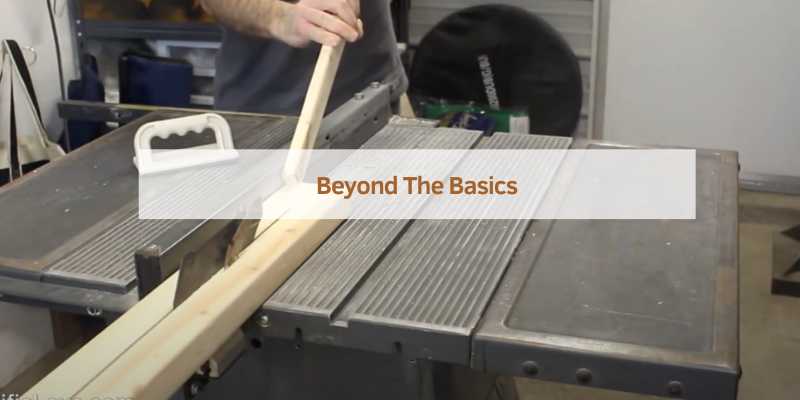
Using your new push block requires proper positioning and technique. Place the block on the workpiece, ensuring that it makes contact with the workpiece before the blade. This will help to prevent kickback and keep your hands clear of the blade. Use a firm grip on the handle and push the block forward in a smooth, controlled motion. Keep your hands and fingers away from the blade at all times.
Maximizing Safety And Precision
To maximize safety and precision, always use your push block when cutting narrow or small pieces of wood. This will help to prevent your hands from getting too close to the blade and will ensure that your cuts are straight and accurate. Additionally, always use a push block when ripping or crosscutting long pieces of wood. This will help to prevent the wood from shifting during the cut, which can result in inaccurate cuts or kickback.
In conclusion, using a push block is an important safety measure when using a table saw. Proper positioning and technique, as well as maximizing safety and precision, will help to keep you safe and ensure that your cuts are accurate and clean.
Maintenance And Care
Proper maintenance and care of your DIY push block are essential to ensure its longevity and effectiveness. By following a few simple steps, you can keep your push block in optimal condition and ensure your safety while using it.
Cleaning Your Push Block
Regular cleaning of your push block is vital to remove sawdust, resin, and other debris that can affect its performance. Here’s a simple process to clean your push block:
- Wipe the push block with a dry cloth to remove any loose debris.
- Use a mild soap and water solution to clean the surface of the push block.
- Rinse thoroughly with clean water and allow it to air dry completely before use.
When To Replace Parts
It’s important to inspect your DIY push block regularly for signs of wear and tear. Here are some indicators that it may be time to replace certain parts:
- Worn-out Grip: If the grip on the push block has become smooth and slippery, it’s time to replace it to maintain a secure hold.
- Cracked or Split Base: Any structural damage to the base of the push block can compromise its stability and effectiveness, necessitating a replacement.
- Loss of Traction: If the traction pad has worn down and lost its grip, it’s essential to replace it to ensure safe and secure operation.
Beyond The Basics
Looking to take your DIY skills beyond the basics? Learn how to make your own push block for table saws with easy-to-follow tutorials on YouTube and DIY blogs. With a few basic materials, you can create a custom push block to keep your hands safe and your cuts accurate.
Advanced Modifications
If you’re ready to take your DIY push block for table saw to the next level, consider making some advanced modifications. These modifications can enhance the performance and safety of your push block, allowing you to tackle even more challenging woodworking projects.
One advanced modification you can make is to add a non-slip grip to the bottom of the push block. This will help prevent the block from sliding on the table saw surface, providing you with better control and stability. You can achieve this by attaching an anti-slip rubber pad to the base of the push block.
Another modification to consider is adding a T-track to your push block. This will allow you to easily adjust the position of the push block to accommodate different sizes of workpieces. By sliding the push block along the T-track, you can ensure that you have optimal contact with the workpiece, reducing the risk of kickback.
Creating Multiple Push Blocks For Different Uses
One size doesn’t always fit all when it comes to push blocks. Depending on the project you’re working on, you may need different types of push blocks to ensure the best results and safety. By creating multiple push blocks for different uses, you can have a versatile set of tools at your disposal.
For example, you can make a push block with a narrow profile for ripping narrow stock, allowing you to maintain a firm grip while keeping your hands safely away from the blade. On the other hand, you can make a push block with a wider profile for handling larger workpieces, providing more stability and control.
By having a collection of push blocks with various designs, you’ll be prepared for any woodworking task that comes your way. Whether you’re working on delicate joinery or heavy-duty cuts, having the right push block for the job will make a significant difference in both safety and precision.
Remember, safety should always be your top priority when working with power tools like table saws. By investing a little time and effort into creating customized push blocks, you can ensure that you have the right tools to protect your hands and achieve exceptional results.
Note: Make sure to wear appropriate safety gear, such as safety glasses and hearing protection, when operating power tools. Always follow the manufacturer’s instructions and consult a professional if you’re unsure about any modifications or techniques.
Frequently Asked Questions
How Do You Make A Push Stick For A Table Saw?
To make a push stick for a table saw, you can use a mouse pad, build a base frame, attach side stands, create a T-track, make an adjustable center piece, attach an anti-slip rubber pad, and assemble the push block pieces together.
There are also various push blocks available for purchase online and in stores. Always use a push stick when ripping wood on a table saw to keep your fingers away from the blade and prevent kickback.
When Should A Push Block Be Used On A Table Saw?
A push block should be used on a table saw when ripping wood to keep fingers away from the blade and prevent kickback. It ensures safety and control during the cutting process.
What Do You Use To Push Wood Through A Table Saw?
To push wood through a table saw, you can use a push block. This tool keeps your fingers safe and helps prevent kickback. It’s important to always use a push stick when ripping wood on a table saw. You can also make your own push blocks or purchase them online or at a hardware store.
At What Width Is It Necessary To Use A Push Stick On A Table Saw?
Use a push stick on a table saw when cutting wood narrower than 6 inches. This tool keeps your hands safe from the blade and reduces kickback risk.
Conclusion
Creating your own DIY push block for a table saw is a cost-effective and practical solution to ensure safety and precision in your woodworking projects. By following the step-by-step instructions and using easily accessible materials, you can customize a push block that fits your specific needs.
Remember to prioritize safety and use the push block whenever necessary to keep your fingers away from the blade and minimize the risk of kickback. Happy woodworking!