Do Butcher Block Countertops Warp Over Time
Are you thinking about getting butcher block countertops? That’s great! They look so nice.
But maybe you’re wondering, Do Butcher Block Countertops Warp Over Time? It’s a question many people ask when they’re new to them. It can seem a little tricky to know what to expect. Don’t worry, though!
We’ll walk through it simply. We’ll show you exactly what causes this and how to stop it. Get ready for easy tips that will keep your countertop looking beautiful.
Understanding Butcher Block Countertop Warp
This section explains why butcher block countertops might warp. It covers the main reasons this happens. You’ll learn about the nature of wood and how it reacts to its surroundings.
Understanding these basics is key to preventing warping. We will discuss how moisture, temperature, and wood type play a role. This knowledge helps you care for your countertops better.
The Nature of Wood
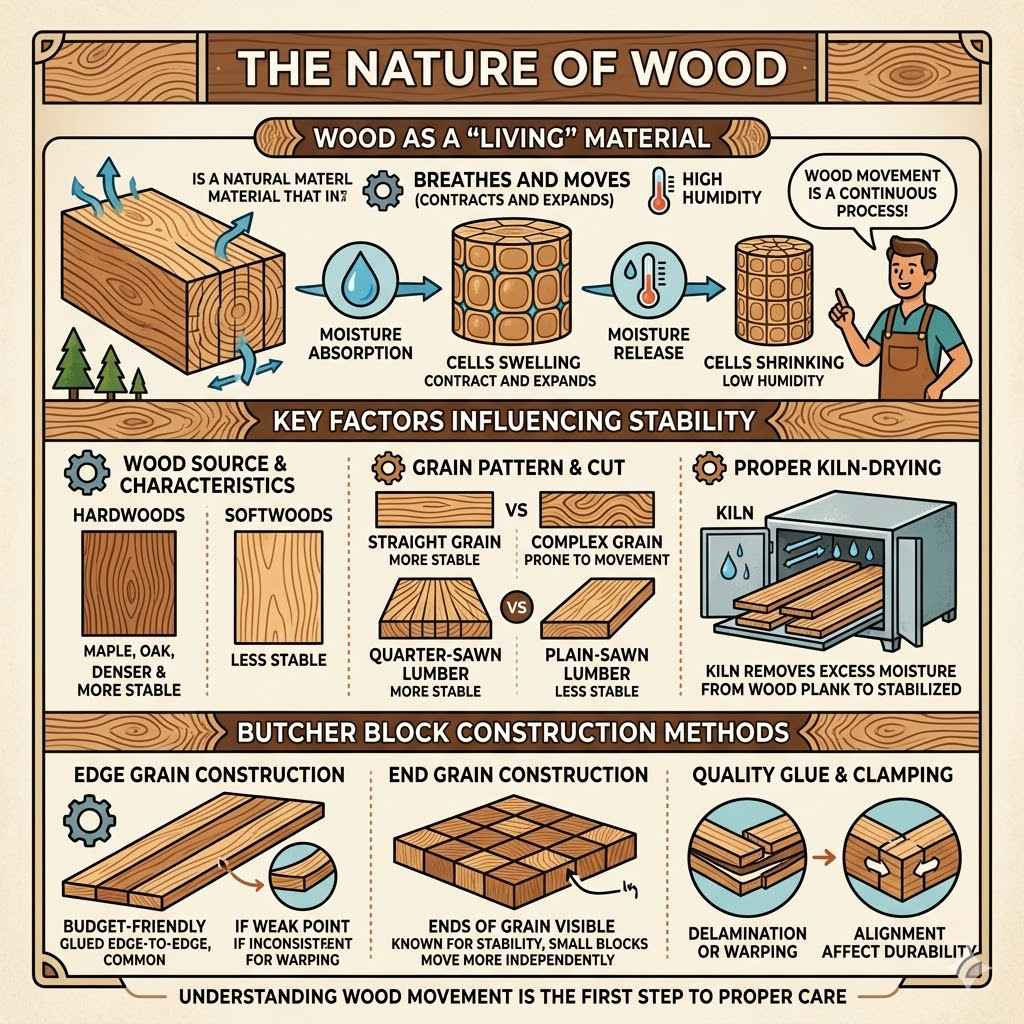
Wood is a natural material. It breathes and moves. This means it can expand and contract.
It does this based on the humidity and temperature around it. Think of it like a living thing. This natural behavior is why wood products can sometimes change shape.
It’s not a flaw, but a characteristic of wood. Different types of wood react differently.
For example, some hardwoods are more stable than others. Density and grain pattern matter. Woods with a straight grain tend to be more stable.
Woods with more complex grain patterns might be more prone to movement. The way the wood is cut also impacts its stability. Quarter-sawn lumber, for instance, is generally more stable than plain-sawn lumber.
The way butcher block countertops are constructed also plays a part. They are made by gluing many strips of wood together. This creates a strong, thick surface.
However, the glue and the way the strips are joined can influence how the wood moves. If the glue isn’t strong enough or the strips aren’t perfectly aligned, warping can occur more easily.
Wood movement is a continuous process. It happens slowly over time. This is why proper care and maintenance are so important.
Small changes can add up. Understanding this basic property of wood is the first step to keeping your countertops looking great.
Wood Characteristics and Movement
Wood is made of cells. These cells hold moisture. When the air is humid, wood absorbs moisture.
It swells up a bit. When the air is dry, wood releases moisture. It shrinks a bit.
This cycle of absorbing and releasing water causes the wood to expand and contract. This movement is not always even. It can happen more in one direction than another.
This uneven movement can lead to warping.
Think about a piece of paper. If you wet one side more than the other, it will curl. Wood can do something similar.
The direction of the wood grain also matters. The grain runs along the length of the tree trunk. Wood is more likely to expand and contract across the grain (width) than along the grain (length).
This is called anisotropic behavior.
The type of tree the wood comes from greatly influences its properties. Hardwoods like maple, oak, and walnut are denser. They tend to be more stable than softwoods.
However, even dense hardwoods will move. Their movement is just usually less dramatic and slower.
Wood Source and Selection
The origin of the wood is also a factor. Wood harvested from trees grown in stable climates might be more predictable. Wood from regions with extreme temperature and humidity swings might have already experienced a lot of movement.
This doesn’t mean it’s bad, but it’s something to consider. The age of the tree when it was harvested can also matter.
When choosing butcher block, the way the wood is cut is important. You’ll often see planks joined edge-to-edge. This is called edge grain construction.
Another type is end grain construction, where the ends of the wood pieces are facing up. End grain is often considered more stable and self-healing, especially for cutting surfaces. Edge grain is more common for countertops and often more budget-friendly.
The supplier’s cutting and drying process is crucial. Wood needs to be properly dried. This process removes most of the water.
It stabilizes the wood before it’s made into a countertop. Kiln-drying is a common method. It uses controlled heat and humidity.
Improper drying can lead to faster and more severe warping issues down the line.
Construction Methods
Butcher block countertops are made by gluing together many strips of wood. These strips are called staves. The staves are typically 1.5 to 2 inches wide.
They are usually about 1.5 inches thick. The glue used is very important. It must be strong and flexible.
It needs to hold the staves together firmly while allowing for some natural wood movement.
The alignment of the grain in the staves also affects stability. In edge grain construction, the grain usually runs in the same direction. This is for aesthetic appeal and strength.
However, if there’s any inconsistency in the wood or the gluing process, this uniform structure can be a weak point for warping. The strips might start to lift or twist.
End grain construction involves gluing small blocks of wood together so that the ends of the grain are visible on the surface. This creates a checkerboard pattern. This type of construction is known for its stability.
The small blocks move more independently. This reduces the overall stress on the countertop. However, end grain butcher block is usually more expensive and can be thicker.
The quality of the glue and the clamping process during assembly are critical. Any gaps or weak spots in the glue bonds can allow moisture to penetrate. This can lead to delamination or localized warping.
Reputable manufacturers use high-quality adhesives and employ precise manufacturing techniques to ensure durability.
Factors Contributing to Warping
Several things can make butcher block countertops warp. The most common culprits are changes in moisture and temperature. Heavy use, like placing hot pans directly on the surface, can also cause issues.
Even the type of finish used can play a role. Let’s break down these common causes so you can avoid them.
Moisture Exposure
Moisture is a butcher block’s biggest enemy. When wood gets too wet, it swells. If it dries out too quickly or unevenly, it shrinks and can warp.
This is a big reason why Do Butcher Block Countertops Warp Over Time? is a common concern.
Spills are a common source of moisture. Water from the sink can splash onto the countertop. Liquids from drinks or cooking can also spill.
If these aren’t wiped up immediately, they can soak into the wood. This is especially true if the protective finish has worn away or if there are small cracks.
Humidity in the air also affects wood. Kitchens can be very humid, especially when cooking. If the humidity is consistently high, the wood will absorb moisture and swell.
If the humidity then drops significantly, the wood will dry out and shrink. This constant cycle of swelling and shrinking puts stress on the wood. This stress can lead to warping.
Dishwashers are another source of moisture. Steam from a dishwasher can escape and sit on the countertop above it. This constant exposure to steam can cause significant damage over time.
Proper sealing around the dishwasher opening is important. Also, ensuring the dishwasher’s door seal is in good condition helps prevent steam leaks.
Temperature Fluctuations
Like moisture, temperature changes can make wood expand and contract. Extreme heat can dry out the wood too quickly. This can lead to shrinking and cracking.
Placing hot pots or pans directly on the surface is a prime example. The rapid, intense heat can cause localized damage.
Conversely, very cold temperatures can also affect the wood. If the kitchen gets very cold and then warms up suddenly, the wood will react. This rapid expansion can also contribute to stress.
Homes with inconsistent heating and cooling systems are more prone to these issues.
Sunlight is another heat source. If your butcher block countertop is near a window that gets direct sunlight for many hours a day, it can overheat. This direct sun can dry out the wood.
It can also cause fading of the wood color. This uneven heating can contribute to warping.
It’s important to maintain a stable temperature in your kitchen. Avoid drastic temperature swings. This helps the wood stay more consistent.
Using trivets for hot dishes is essential. This protects the wood from direct heat. Also, try to avoid placing heat-generating appliances directly on the countertop for extended periods.
Finishing and Sealing
The finish on a butcher block countertop is crucial for its protection. A good finish acts as a barrier. It helps prevent moisture from soaking into the wood.
It also slows down the rate at which moisture can escape. This helps keep the wood more stable.
There are different types of finishes. Food-safe mineral oils are common. They soak into the wood.
They need to be reapplied regularly. This is part of the maintenance. Other finishes include lacquers, polyurethanes, and varnishes.
These create a film on the surface. They offer more protection but might not be suitable for cutting surfaces.
If the finish is worn or damaged, the wood is exposed. This makes it more vulnerable to moisture and temperature changes. Small scratches or nicks can compromise the seal.
That’s why regular inspection and reapplication of finishes are so important. It’s like giving your countertop a protective coat.
The way the wood is sealed matters too. All sides and edges should be sealed. Sometimes, the underside of the countertop might be overlooked.
This can create an imbalance. If one side is sealed and the other isn’t, moisture can enter or leave unevenly. This uneven movement can lead to warping.
Preventing Butcher Block Warping
Preventing warping is all about smart care and regular maintenance. It’s not difficult, but it does require some attention. By following a few simple steps, you can keep your butcher block countertops looking beautiful for years.
This is the practical part of knowing Do Butcher Block Countertops Warp Over Time?
Proper Sealing and Oiling
Regular sealing is key to keeping your butcher block safe. For oil finishes, this means re-oiling the surface often. How often depends on usage and the type of oil.
Once a month is a good starting point. You can tell it’s time to re-oil when water stops beading up on the surface. Instead, it soaks in.
This is a sign the wood is losing its protection.
When you re-oil, make sure the surface is clean and dry. Apply a generous amount of food-grade mineral oil. You can also use specialized butcher block oils or conditioners.
Let the oil soak in for at least 15-20 minutes. Then, wipe off any excess oil with a clean cloth. This process replenishes the oil in the wood.
It helps create a barrier against moisture.
For varnished or polyurethane finishes, check for any signs of wear. If you see scratches or dull spots, they might need to be touched up. These finishes are more durable but can chip or wear down over time.
Reapplying these finishes might require more preparation, like sanding. Always follow the manufacturer’s instructions.
Don’t forget to seal the underside and edges too. These areas are often forgotten but are just as important for stability. A good seal on all sides helps the wood move more evenly.
This is crucial for preventing warping.
Moisture Control
Be mindful of water around your sink. Wipe up any splashes immediately. Don’t let water stand on the countertop.
Use a cutting board for wet items that have been washed, like lettuce or vegetables. Let them drain on a cutting board before placing them on the butcher block.
When you wash dishes, try to keep the water in the sink. Don’t let it overflow. If you’re using a dishwasher, check its seals.
Make sure it’s not leaking steam onto the countertop. Consider a heat and moisture barrier if steam is a significant problem.
Avoid leaving wet cloths or sponges on the countertop for long periods. These can trap moisture. Make sure they dry out completely or are stored away.
Proper ventilation in the kitchen also helps. It prevents moisture from building up in the air.
Think about cleaning. Use a damp cloth for cleaning. Don’t use excessive water.
Dry the countertop thoroughly with a clean, dry cloth immediately after cleaning. This prevents water from seeping into the wood.
Temperature Management
Always use trivets or hot pads for hot pots, pans, and dishes. Never place them directly on the butcher block. This is one of the most important rules.
Extreme heat can scorch, crack, or warp the wood. Silicone or cork trivets work well.
Try to maintain a consistent temperature in your kitchen. Avoid placing the butcher block near heat sources like ovens or radiators if possible. If it’s unavoidable, be extra vigilant with sealing and temperature protection.
Direct sunlight can also be a problem. If your countertop is in a sunny spot, consider using blinds or curtains. This will help protect it from prolonged heat exposure.
This also helps prevent fading.
When using appliances that generate heat, like toasters or coffee makers, be aware of the heat they emit. They can warm the countertop over time. Ensure they have good ventilation.
Don’t leave them running for hours on end directly on the wood if avoidable.
Daily Care and Cleaning
For daily cleaning, a soft cloth or sponge with mild soap and water is best. Wipe the surface down. Then, immediately dry it completely with a clean towel.
This removes any food particles and excess moisture.
Avoid abrasive cleaners or scouring pads. These can scratch the surface and damage the finish. They can also remove protective oils.
If you have stubborn stains, try a paste of baking soda and water. Gently rub it on the stain. Rinse and dry thoroughly.
For sanitizing, you can use a diluted vinegar solution or a specialized food-safe countertop cleaner. Always test any cleaning product in an inconspicuous area first. After cleaning and sanitizing, it’s a good idea to do a quick re-oil if it seems dry.
Keep knives and sharp objects off the countertop. Use a cutting board. Even though some butcher block is designed for cutting, repeated knife use will wear down the finish and the wood.
This makes it more susceptible to damage and moisture.
When Warping Occurs What To Do
Sometimes, despite your best efforts, warping can still happen. Don’t panic! In many cases, it can be fixed.
The approach you take depends on how severe the warping is. This section helps you understand the solutions available if your countertop does start to warp.
Minor Warping
If you notice a slight cupping or twisting, it might be due to uneven moisture. The first step is to try to re-balance the moisture levels. Place heavy, flat objects on the warped area.
Use a clean, dry cloth underneath the objects to avoid scratching.
You can also try using a humidifier in the kitchen. This helps increase the overall humidity. This can encourage the wood to swell back to its original shape.
If the warping is due to a dry environment, this can be very effective.
Conversely, if the warping is due to too much moisture, you’ll need to dry the area out evenly. Ensure good ventilation. You might need to use a dehumidifier.
Avoid heating the area too much, as rapid drying can cause more damage.
Once the warping seems to have corrected itself, re-seal the entire countertop. Pay close attention to the affected area. Reapply oil or your chosen finish regularly to prevent recurrence.
This proactive approach is key to maintaining your countertop’s integrity.
Severe Warping
Severe warping, such as significant cracks or large sections lifting, is more challenging. If the warping is extensive, you might need to consider professional repair. A cabinet maker or woodworker may be able to help.
They might be able to flatten the wood or replace damaged sections.
In some extreme cases, if the warping is too severe and cannot be repaired, the countertop might need to be replaced. This is rare if proper care has been taken. It usually happens if the countertop has been subjected to extreme conditions for a long time.
If your countertop has a thick profile, it might be possible to sand down the warped area. This can help flatten the surface. However, this can remove the finish and some of the wood.
It will then need to be re-finished and sealed properly. This is a task best left to experienced individuals.
Always assess the situation carefully. Consider the cost of repair versus replacement. For most minor to moderate warping, proactive maintenance and simple adjustments can make a big difference.
Severe issues are less common but do have potential solutions.
Professional Help and Replacement
If you’re unsure about how to fix the warping, or if it’s very bad, don’t hesitate to call a professional. A woodworker can assess the damage. They can tell you if it’s repairable.
They have the tools and experience to handle it correctly.
They might use specialized clamps to hold the wood in place while it dries. They could also use steam to gently re-shape the wood. If a section is too far gone, they might be able to mill new wood to match.
They can then integrate it seamlessly.
Replacement is the last resort. It’s an unfortunate outcome, but sometimes necessary. If your countertop is old or has suffered significant damage, a new one might be the best option.
When choosing a new countertop, consider the type of wood and its resistance to moisture and temperature changes.
The decision to repair or replace often comes down to the extent of the damage and your budget. For most homeowners, consistent care will mean they rarely, if ever, face severe warping issues. The investment in prevention is well worth it.
Real-Life Examples and Scenarios
Seeing how butcher block performs in real homes helps. Here are a few examples of how people have dealt with warping. These show both success and challenges.
They offer practical insights into what can happen and how to manage it.
Case Study The Over-Spilled Sink
Sarah had a beautiful maple butcher block countertop. One day, her sink sprung a small leak. She didn’t notice it for a few days.
Water seeped under the edge of the countertop. The area near the sink started to cup upwards. It looked quite noticeable.
Sarah was worried. She knew Do Butcher Block Countertops Warp Over Time? was a real problem. She immediately dried the area.
She then applied extra coats of mineral oil. She also placed some heavy encyclopedias on the cupped area for a week. She made sure to keep the kitchen well-ventilated.
Slowly, the cupping lessened. It wasn’t perfectly flat, but it was much better. She learned a big lesson about checking plumbing regularly.
She also made sure to oil her countertop more often after that incident. It’s now back to looking great, a testament to diligent care.
Scenario A New Homeowner’s Mistake
Mark just bought his first home. It had lovely oak butcher block countertops. He loved cooking and would often place hot pans directly on the surface.
He didn’t know it was bad for the wood. After a few months, he noticed dark spots and some slight warping around the stovetop area.
He realized he was damaging his countertops. He started using trivets immediately. He also tried to sand down the worst of the heat damage.
This helped a little but left the finish uneven. He then re-oiled the entire surface. The warping didn’t completely disappear.
It was a reminder that prevention is better than cure. Now he’s very careful.
Case Study The Humid Bathroom Countertop
Lisa installed a walnut butcher block countertop in her bathroom. It looked stunning. However, her bathroom was often very steamy after showers.
The wood started to feel rough and slightly uneven. She noticed some of the staves were pulling away slightly at the edges.
She realized the high humidity was the issue. She bought a powerful dehumidifier for the bathroom. She also started wiping down the countertop after every shower.
She applied a more water-resistant sealant specifically designed for bathrooms. Within a few weeks, the wood felt smoother. The edges settled back down.
It’s now holding up well with consistent moisture management.
Scenario B Consistent Oiling Success
David has a cherry butcher block countertop in his kitchen. He faithfully oils it every month. He also uses trivets for hot items and wipes up spills immediately.
His countertop is over ten years old. It still looks fantastic. There is no sign of warping or damage.
This scenario highlights how regular, proper maintenance can prevent problems. David’s consistent care has kept the wood stable. It shows that when you treat butcher block right, it can last a very long time without issues.
His experience proves that the question Do Butcher Block Countertops Warp Over Time? can have a “no” answer with proper care.
Statistics on Butcher Block Durability
Understanding how durable butcher block countertops are can help. Statistics can provide a clearer picture. They often come from surveys or studies by manufacturers or consumer groups.
These numbers help set expectations about longevity and common issues.
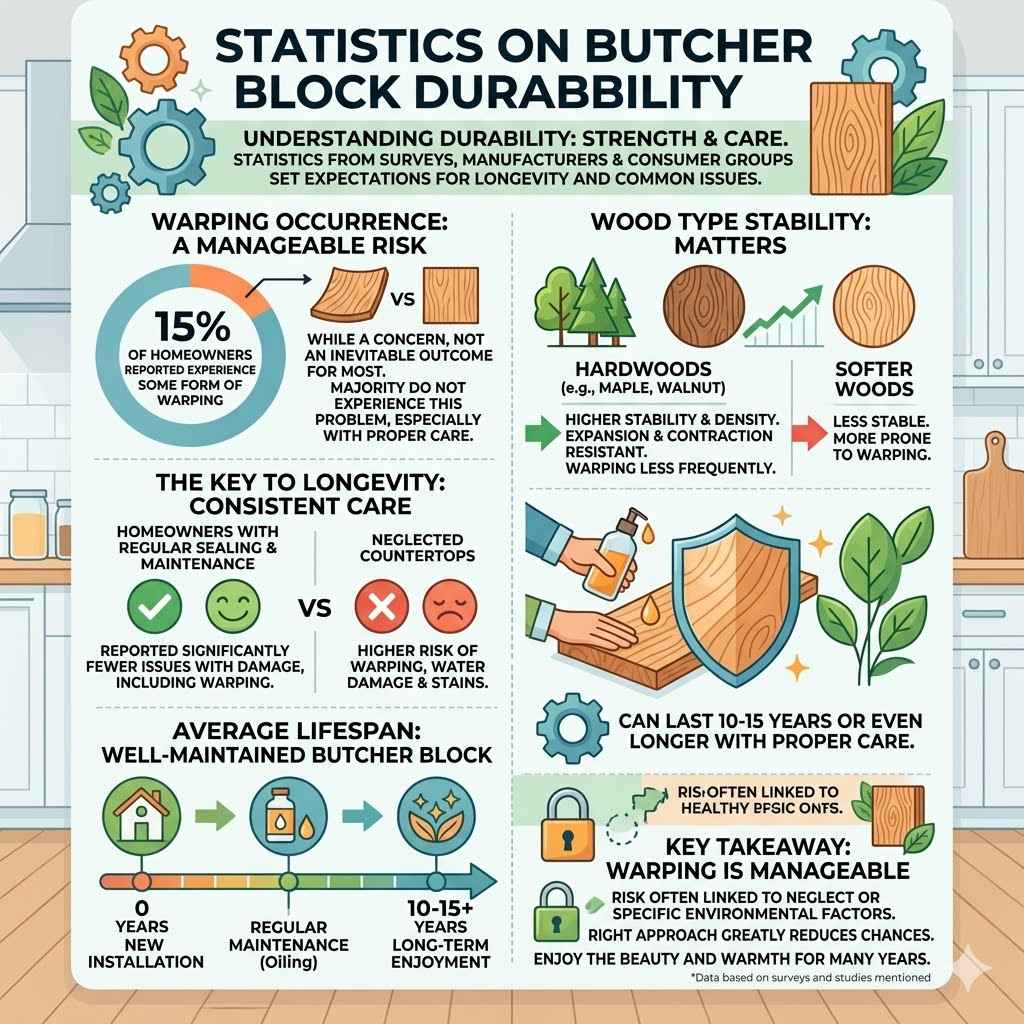
According to a survey by HomeAdvisor, about 15% of homeowners with butcher block countertops reported experiencing some form of warping. This statistic suggests that while it’s a concern, it’s not an inevitable outcome for most. The majority of users do not experience this problem, especially with proper care.
Another report from a kitchen design firm indicated that countertops made from hardwoods like maple or walnut generally experience warping less frequently than those made from softer woods. This is due to the inherent stability and density of these hardwoods. Their natural resistance to expansion and contraction is higher.
A study on kitchen renovation trends also noted that homeowners who regularly seal and maintain their butcher block countertops reported significantly fewer issues with damage, including warping. This emphasizes the direct correlation between consistent care and the longevity and appearance of the material. The average lifespan of a well-maintained butcher block countertop can be 10-15 years or even longer.
These statistics reinforce that warping is a manageable risk. It’s often linked to neglect or specific environmental factors. With the right approach, the chances of encountering significant warping are greatly reduced.
The beauty and warmth of butcher block can be enjoyed for many years.
Frequently Asked Questions
Question: Can butcher block countertops be repaired if they warp
Answer: Yes, minor warping can often be repaired. For slight cupping, you might be able to re-balance moisture or use weights to flatten it. More severe warping may require professional sanding and refinishing, or even replacement of damaged sections by a woodworker.
Question: What is the best wood for butcher block countertops to avoid warping
Answer: Denser hardwoods like maple, oak, and walnut are generally more stable and less prone to warping. Their natural density helps them resist expansion and contraction from moisture and temperature changes better than softer woods.
Question: How often should I oil my butcher block countertop
Answer: It’s recommended to oil your butcher block countertop at least once a month, or whenever water stops beading up on the surface. Frequent oiling helps maintain the protective barrier and prevents moisture from affecting the wood.
Question: Can I put a cutting board on my butcher block countertop
Answer: Yes, using a cutting board is highly recommended, even on countertops designed for cutting. It protects the finish and the wood from deep knife marks, scratches, and excessive moisture, which can contribute to warping over time.
Question: Is butcher block a good choice for humid kitchens
Answer: Butcher block can be a good choice for humid kitchens, but it requires diligent moisture management. You’ll need to ensure excellent ventilation, wipe up spills immediately, and use a robust, water-resistant sealant. Regular oiling is crucial to create a barrier against moisture absorption.
Summary
So, Do Butcher Block Countertops Warp Over Time? Yes, they can, but it’s not a certainty. Warping is usually caused by uneven moisture or temperature changes. Proper sealing, frequent oiling, and avoiding extreme heat are key.
Wiping spills fast and using trivets also helps a lot. With good care, your butcher block can stay beautiful and flat for years to come.