How to Open Gorilla Wood Glue: Fix a Stuck or Fused Cap
Gorilla Wood Glue’s cap sticks because its PVA formula is water-based: any residue left on the threads or nozzle dries into a hard, glassy plug within hours, not because the bottle is defective. Forcing a fused cap can snap the nozzle tip or crack the plastic collar. This guide covers the quick twist-and-check, the hot-water soak that softens dried glue in under five minutes, and exactly when to reach for pliers instead of a knife.
Insert your Affiliate Disclosure reusable block here.
Quick Answer
Turn the cap counterclockwise first — most caps just need a firm twist. If it won’t move, dried glue has fused the threads or plugged the nozzle. Soak the tip in hot (not boiling) water for 3-5 minutes, then twist again with a rubber grip or pliers. Never pry with a knife near your hand.
What You Need Before You Start
Best Replacement Wood Glue Pick
Gorilla Wood Glue, Fast Clamp, 8 oz
If your old bottle’s cap or nozzle is beyond saving, a fresh 8 oz bottle costs less than a coffee and keeps you working today.
- Best for: Everyday interior joints and repairs
- Why we picked it: Same fast-clamp PVA formula as the bottle you already know, no learning curve
- Main drawback: Not waterproof — indoor use only
Compare more wood glue and cap-removal options
 Option 1 Gorilla Wood Glue, 18 oz Bottle
|
 Option 2 Titebond III Ultimate Wood Glue, 8 oz
|
 Option 3 Amazon Basics 3-Piece Groove Joint Pliers Set
|
As an Amazon Associate we earn from qualifying purchases.
- The stuck wood glue bottle
- A bowl of hot tap water (not boiling)
- A rubber jar-opener pad, rubber band, or grip gloves
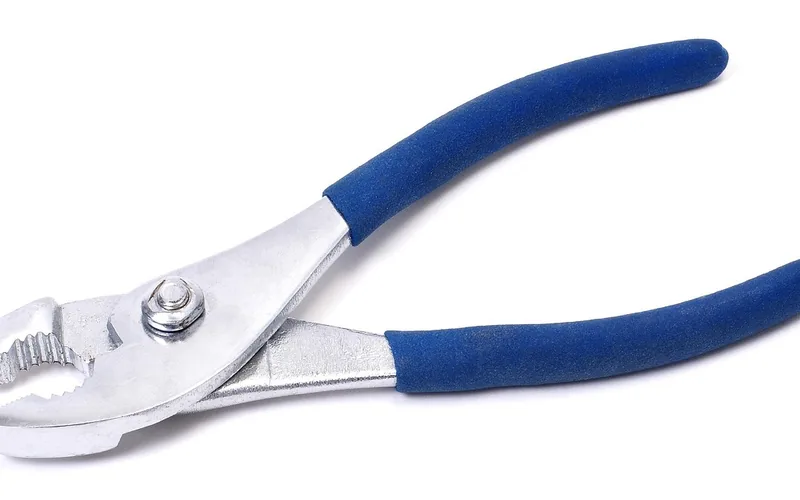
- Small pliers or slip-joint pliers, for a fully fused cap
- A straightened paperclip, for a clogged nozzle specifically
- A damp paper towel
Is the Cap Stuck or Is the Nozzle Clogged? These Are Two Different Problems
Most guides treat “the glue won’t open” as one problem. It’s actually two, and mixing up the fix wastes time. The cap is stuck when dried glue has fused the screw threads to the bottle neck — twisting does nothing because the whole assembly is glued together. The nozzle is clogged when the cap turns freely but no glue comes out — a plug of hardened PVA is blocking the tip itself. Check which one you have before picking a method.
| Symptom | Actual Problem | Fastest Fix |
|---|---|---|
| Cap won’t turn at all | Dried glue fused to the threads | Hot water soak, then pliers |
| Cap turns but nothing comes out | Nozzle tip plugged with dried glue | Paperclip + hot water soak |
| Cap is loose but glue is thick/gritty inside | Glue itself has thickened in the bottle (not a cap problem) | See our wood glue softening guide |
How to Free a Cap Fused Shut by Dried Glue
- Wipe the outside first: Clean any loose, flaky glue off the cap and neck with a damp paper towel so grit doesn’t scratch the threads when you twist.
- Soak the cap end in hot water: Fill a bowl with hot tap water (around 120-130°F is enough — you don’t need boiling) and submerge just the cap and the top inch of the bottle for 3 to 5 minutes. PVA glue is water-soluble when it’s fresh-dried, so heat and moisture re-soften it.
- Dry your hands and improve your grip: Wrap a rubber jar-opener pad or a thick rubber band around the cap. Wet, glue-slicked plastic is genuinely the biggest reason people can’t turn a cap that’s already loosened.
- Twist counterclockwise with steady, even pressure: Don’t jerk it — a slow, constant twist is less likely to snap the nozzle collar than a sharp yank.
- If it still won’t move, use pliers on the cap only: Grip the ridged cap (never the bottle body, which can crack) with small pliers and repeat the twist. Re-soak for another 3 minutes if it’s not budging.
- Last resort — cut carefully: If the cap has genuinely fused into one solid piece, cut around the top of the cap with scissors, well above the bottle neck, rather than prying at the seam with a knife near your hand.
How to Clear a Clogged Nozzle (Cap Turns, No Glue Comes Out)
A clogged nozzle is a smaller, faster fix than a fused cap. Straighten a paperclip and gently work it into the dispensing hole to break up the dried plug — don’t force it sideways, since the nozzle tip is thin plastic and splits easily. If the clip alone doesn’t clear it, soak just the nozzle tip in hot water for 2 to 3 minutes first, which softens the plug enough that the paperclip pushes through instead of just packing it tighter.
If the nozzle stays blocked after two soak-and-clear attempts, the dried glue has likely formed a plug deeper in the neck than the paperclip can reach. At that point, cut a small amount off the very tip of the nozzle with scissors at a slight angle — this is the same fix Gorilla recommends for first-time use on a fresh bottle, and it works just as well on an older one.
Why the Cap Fuses Shut: The Chemistry in One Sentence
Gorilla Wood Glue is a PVA (polyvinyl acetate) adhesive — the same water-based chemistry behind Elmer’s glue and Titebond. PVA cures by water evaporation, not a chemical reaction, so any glue left on the threads or nozzle after your last use starts drying the moment it’s exposed to air. Within a few hours it becomes a hard, insoluble film that mechanically locks the cap to the bottle — this is a storage habit issue, not a defect in the glue.
Prevent It Next Time: The 10-Second Habit
- Wipe immediately after use: Run a damp paper towel around the nozzle tip and cap threads every single time, before the glue has a chance to skin over.
- Seal it tight, not just closed: A loosely seated cap lets air reach the residue faster.
- Store upright, in a stable temperature: Cold storage thickens the glue itself; a garage that swings from freezing to hot accelerates cap-fusing on top of that.
- Consider the 18 oz bottle for frequent use: A wider cap opening is both easier to keep clean and less prone to fully sealing itself shut.
Common Mistakes to Avoid
- Using boiling water: It can warp or melt the plastic cap and bottle neck. Hot tap water is plenty.
- Prying with a knife toward your hand: This is the most common way people get cut freeing a stuck cap — always cut or pry away from your body.
- Gripping the bottle body with pliers: Squeezing the bottle itself can crack it or force glue out the sides. Grip the cap only.
- Skipping the wipe-down after opening it: Getting the cap off once doesn’t fix the habit that caused it to stick in the first place.
Frequently Asked Questions
Why Does Gorilla Wood Glue Get Stuck in the First Place?
Because it’s a water-based PVA formula. Any glue left on the cap threads or nozzle after use dries into a hard film within hours, mechanically locking the cap in place. It’s a storage habit, not a bottle defect.
How Do You Fix a Clogged Gorilla Wood Glue Nozzle?
Work a straightened paperclip gently into the dispensing hole to break up the dried plug. If it’s still blocked, soak just the nozzle tip in hot water for 2 to 3 minutes first, then try the paperclip again, or snip a small amount off the tip at an angle.
Is It Safe to Pry the Cap Off With a Knife?
Only if you cut or pry away from your hand, well above the bottle neck — this is the leading cause of cuts when people free a stuck glue cap. Try hot water and pliers first; a knife should be the last resort, not the first tool you reach for.
Can I Reopen Gorilla Wood Glue After It’s Been Resealed?
Yes, as long as you wipe the threads and nozzle clean before resealing each time. A bottle that’s wiped down after every use will open easily for months; one that isn’t can fuse shut again within a single day.
What’s the Best Way to Prevent the Cap From Sticking Next Time?
Wipe the nozzle and cap threads with a damp paper towel immediately after every use, then seal the cap firmly rather than just resting it in place. If your glue is thickening inside the bottle rather than the cap sticking, that’s a separate issue — see our guide to softening wood glue in the bottle.
A stuck Gorilla Wood Glue cap is almost always dried PVA acting as glue between the cap and bottle, not a broken bottle. Wipe the residue off, soak the cap in hot water for a few minutes, and twist with a rubber grip before reaching for pliers or scissors. Get in the habit of wiping the nozzle after every use and you likely won’t need this guide again.
For related fixes, see our guides on thinning Gorilla Wood Glue that’s gotten too thick, how long Gorilla Wood Glue takes to dry and cure once you’re back in business, and our full wood glue buying guide if you’re ready to replace an old bottle for good.
Sponsored / affiliate links. As an Amazon Associate I earn from qualifying purchases. I may earn additional commission from eligible campaigns.