How Strong Are Pocket Holes? Real Published Strength Data
Pocket-hole joints are strong enough for the vast majority of furniture and cabinetry – published third-party testing has recorded pocket-screw joints failing between roughly 99 lbs (bare joint, no glue, worst case) and over 1,300 lbs (a 2×4-to-4×4 frame joint loaded in its strongest direction), depending on wood species, glue, and how the load is applied.
That’s a wide range, and the reason it matters is that most articles on this topic just say pocket holes are “strong” without any numbers behind it. Below are the actual published test figures, what changes them, and how pocket holes stack up against mortise and tenon, dowels, and just screwing straight through end grain.
How a Pocket-Hole Joint Actually Works
Right Screws for Max Joint Strength
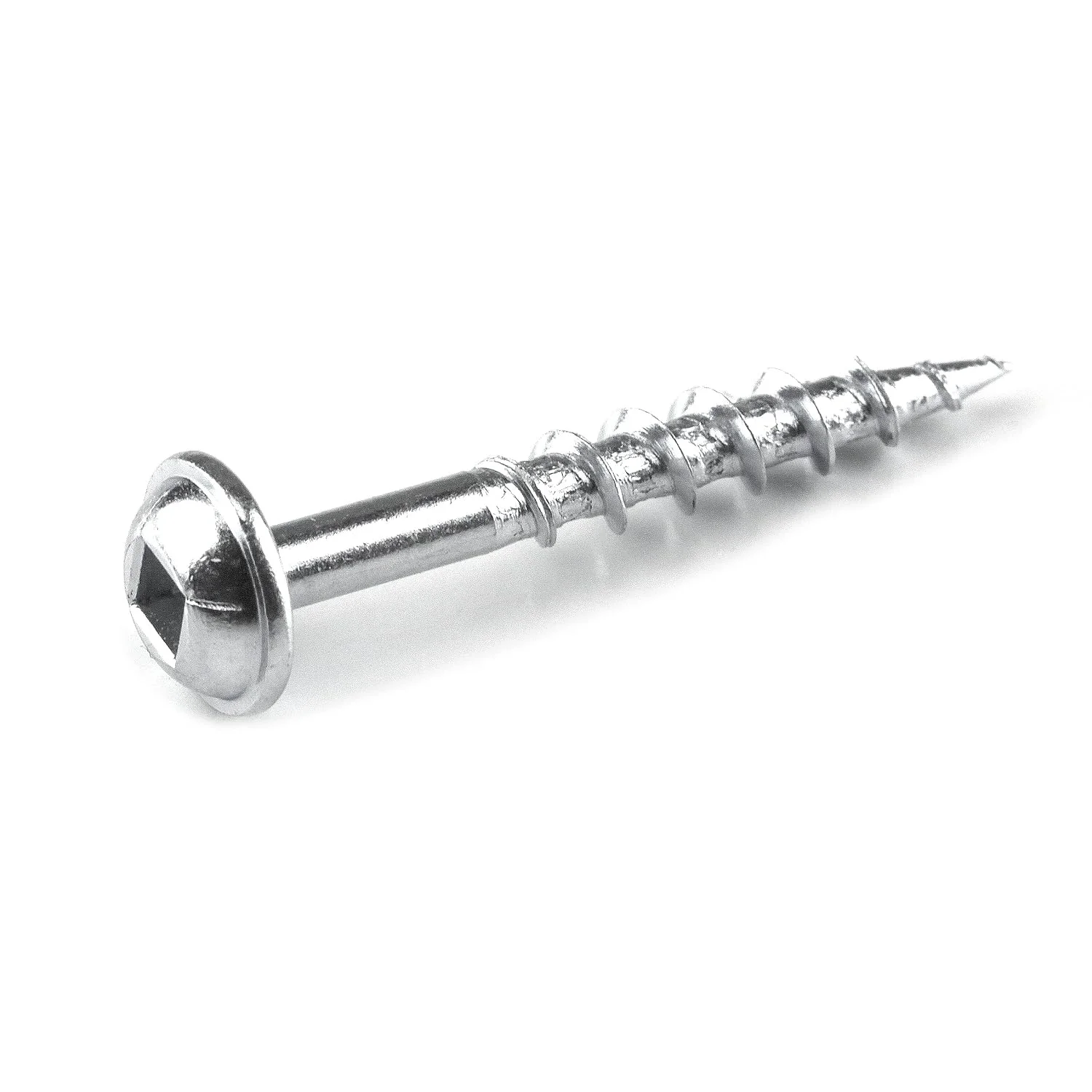 |
Kreg SML-C125-100 Pocket-Hole Screws (1-1/4 in, Coarse, 100 ct) – $8.99 The published strength numbers below assume the right screw for the wood – coarse-thread in softwood/plywood, fine-thread in hardwood. Using the wrong thread type is the single biggest reason a DIY pocket joint tests weaker than the published data.
|
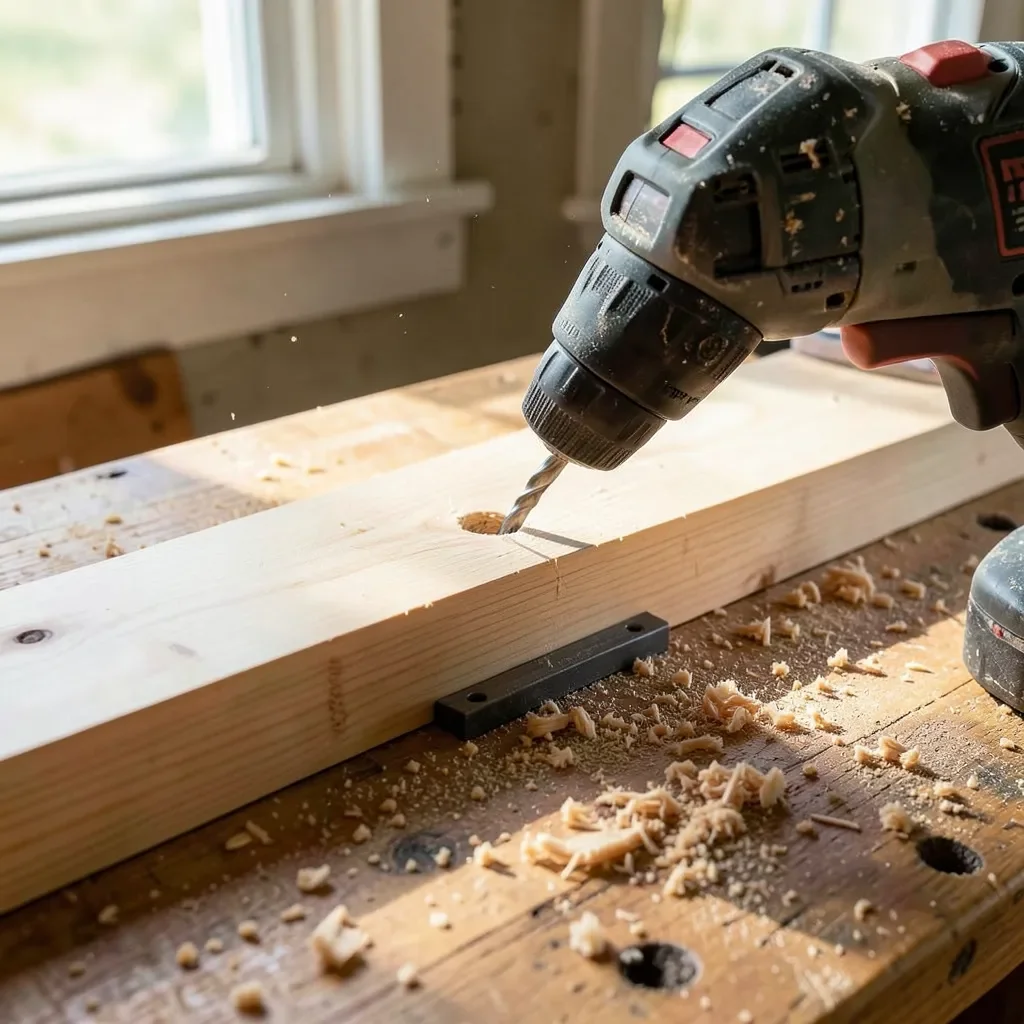
A pocket-hole jig drills a shallow angled hole (typically around 15 degrees) into the face of one board, exiting near the edge that will meet the second board. A self-tapping washer-head screw runs through that angled hole and into the second board’s edge grain. Because the screw enters at an angle rather than straight through, it acts partly like a clamp, pulling the two faces together as it’s driven rather than just pinning them side by side. That pulling action – not just the screw’s raw shear strength – is what gives pocket joints most of their holding power.
Real Pocket-Hole Strength Numbers
Independent joint-strength testing (most notably Matthias Wandel’s published shear-load tests at woodgears.ca, and a separate RADCO testing division study on framing connections) gives a real range instead of a vague “strong”:
- A single pocket-hole joint with no glue failed at an average of about 99 lbs of shear load in Wandel’s testing.
- Adding wood glue to the joint raised that to roughly 111 lbs – only about a 12% improvement, since the screw’s clamping action already does most of the work.
- Switching to a longer 2-inch coarse screw pushed failure up to around 220 lbs before the wood around the pocket itself split.
- In RADCO’s testing of a 90-degree pocket-hole joint connecting a 2×4 rail to a 4×4 post, the joint held roughly 1,361 lbs when loaded in its strongest direction – but only about 410 lbs when the load came from the same side as the pocket holes themselves.
- A separate comparison found a pocket-screw joint failing at 707 lbs versus 453 lbs for a comparable mortise-and-tenon joint under shear load – roughly 35% stronger in that specific test.
The pattern across all of these: load direction matters as much as the joint itself. A pocket joint loaded so it has to resist being pulled apart through the screws’ shear strength is far stronger than one loaded so the thin wood around the pocket hole has to resist splitting.
Pocket Holes vs. Other Joints (Including End-Grain Screwing)
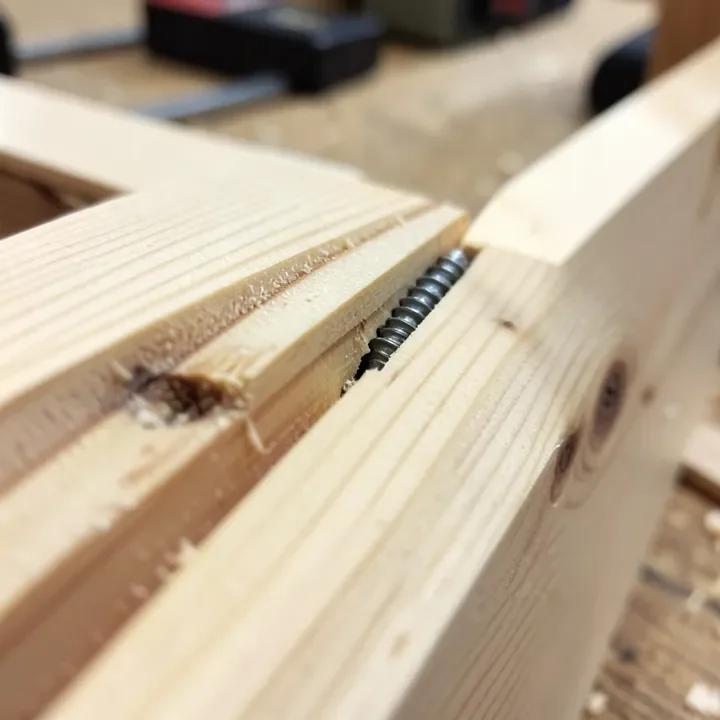
Compared with a simple butt joint screwed straight through into end grain, pocket holes are meaningfully stronger for one specific reason: screws holding in end grain have a notoriously weak grip, because they’re driven parallel to the wood fibers instead of across them. A pocket screw enters at an angle into face or edge grain, which holds a screw’s threads far better than end grain does – this is the main reason pocket joints reliably outperform straight end-screwed butt joints in the field, not just in a lab.
Against dowels, pocket holes win on speed and consistency (no need to bore matching holes in both pieces) but give up a little long-term strength – dowel joints with glue spread the load across more surface area. Against true mortise-and-tenon joinery, pocket holes are faster and easier for a beginner, but a well-cut mortise and tenon is generally the stronger, more traditional choice for structural furniture like chair legs and table aprons that see racking stress for decades.
What Actually Changes Pocket-Hole Strength
Wood species and moisture matter more than most people expect – dry, dense hardwoods like oak and maple hold a screw’s threads far better than wet or soft wood, and screws driven into partially green lumber will loosen as the wood dries and shrinks around them.
Screw choice is not one-size-fits-all: coarse-thread screws are made for softwood and plywood, where wider thread gaps grip loose fibers better; fine-thread screws are made for hardwood, where coarse threads can actually split the denser wood around the pocket. Using the wrong one for your material is one of the most common reasons a home-built pocket joint tests weaker than the published lab numbers above.
Glue helps, but per Wandel’s testing it’s a smaller factor than most people assume for a straight pocket joint – about a 12% strength increase. It’s still worth adding for joints that will see repeated racking or seasonal wood movement, since it resists loosening over time even where it doesn’t add much peak shear strength.
Where Pocket Holes Get Used in Practice
Face-frame cabinets are the classic pocket-hole application – the joints sit inside the cabinet where they’re never seen, and the frame doesn’t see the kind of racking stress that would push a joint toward its failure point. Table and chair aprons, workbench frames, and shop jigs are also common uses, since the loads involved (a person’s weight distributed across four legs, or tools resting on a flat top) stay well under even the lower end of the tested failure range above.
Where pocket holes are a poorer choice: high-stress structural joints that see constant racking in one direction (like a chair’s front leg-to-seat joint) are better served by mortise and tenon or a doweled joint reinforced with glue blocks, since that’s exactly the loading direction where the RADCO data above showed pocket joints at their weakest.
Tips for Maximizing Strength
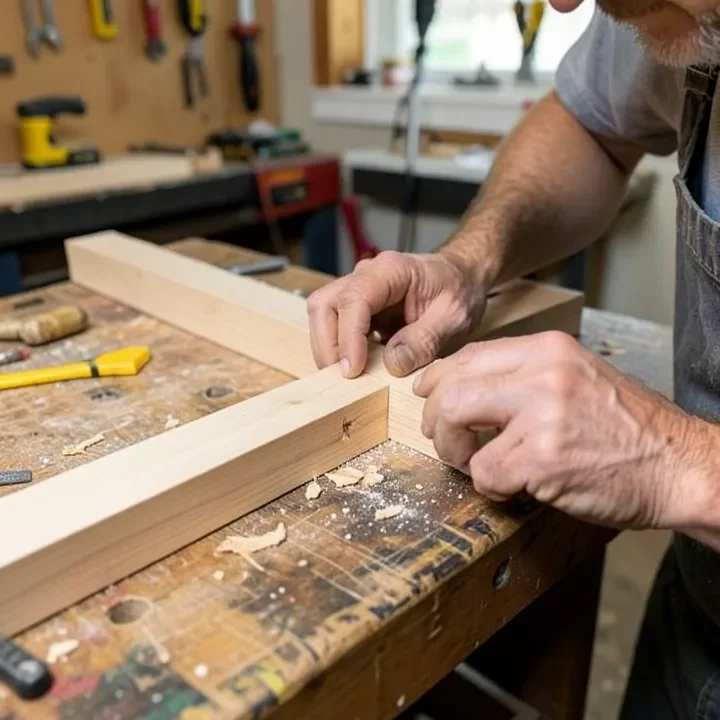
Match screw length to material thickness – as a rule of thumb, use 1-inch screws for 1/2-inch material, 1-1/4-inch screws for 3/4-inch material. Clamp the joint tightly before driving the screw so the angled pull doesn’t shift the boards out of alignment mid-drive. Keep screws at least 1 inch from the end of a board’s edge to avoid splitting, and add glue whenever the joint will see repeated stress or seasonal wood movement rather than a single static load.
Frequently Asked Questions
What Are Pocket Holes Used For?
Pocket holes are used for joining two pieces of wood together. They create strong, hidden joints.
How Strong Are Pocket Hole Joints?
Pocket hole joints are quite strong and reliable. They can handle significant stress and weight.
Do Pocket Holes Weaken Wood?
Pocket holes do not significantly weaken wood. They are designed to maintain the wood’s integrity.
Are Pocket Holes Better Than Dowels?
Pocket holes are often easier and faster to make than dowel joints. They provide strong, durable connections.
Conclusion
Pocket-hole joints are strong enough for the great majority of furniture, cabinetry, and shop projects – published testing puts them anywhere from roughly 99 lbs to over 1,300 lbs of shear strength depending on wood, glue, screw choice, and load direction. Use the right screw for your wood, clamp before you drive, and reserve high-racking structural joints like chair legs for mortise and tenon or dowels instead.
Sponsored / affiliate links. As an Amazon Associate I earn from qualifying purchases. I may earn additional commission from eligible campaigns.