Do You Need Underlayment for Engineered Hardwood? Essential Guide
Are you planning to install engineered hardwood flooring in your home? If so, you might be wondering about the necessity of underlayment.
It’s a crucial question that can impact the durability, comfort, and even the sound quality of your floors. Understanding whether you need underlayment could save you time, money, and future headaches. By the end of this article, you’ll have a clear answer to this question.
You’ll also learn how underlayment can enhance your flooring experience. Keep reading to discover how the right choice can make your home more comfortable and valuable.
Credit: duracushion.com
Benefits Of Underlayment
Underlayment can help make homes quieter. It absorbs sound from footsteps. This is great for families. Noise can be annoying. Underlayment makes it less.
Moisture can damage floors. Underlayment protects against water. This keeps floors dry. It helps them last longer. Wet floors can be slippery. Underlayment helps prevent this.
Walking on floors should feel nice. Underlayment adds extra comfort. It makes floors softer. This is good for feet. Floors stay stable with underlayment. They don’t shift around.
Credit: duracushion.com
Types Of Underlayment
Foam underlayment is light and easy to lay. It provides a cushioned feel underfoot. This type is also cost-effective. It reduces noise from foot traffic. Foam underlayment is often used for floating floors. It is a good choice for bedrooms and living rooms.
Cork underlayment is made from natural cork. It is eco-friendly and sustainable. This underlayment helps with sound absorption. It is also resistant to mold. Cork is great for areas that need quiet. It is a popular choice in apartments and condos.
Rubber underlayment is durable and strong. It provides excellent insulation against sound. Rubber is also water-resistant. This makes it suitable for places with moisture. It is often used in basements and kitchens. Rubber underlayment is also good for gyms.
Choosing The Right Underlayment
Check the moisture levelsin your home. High moisture can damage floors. Underlayment can help with moisture problems. It protects the wood from water. This keeps your floor safe and long-lasting. Always use a moisture barrier in wet areas.
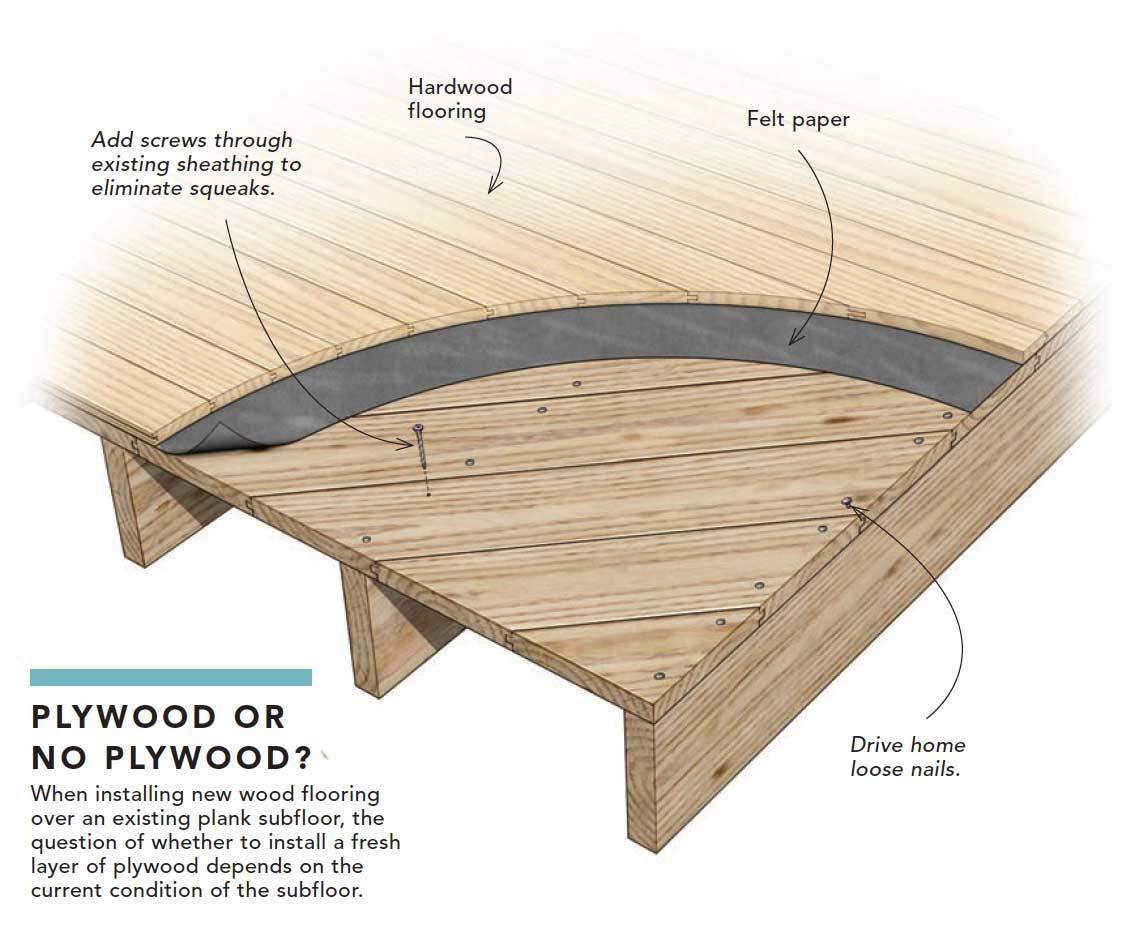
Different floors need different underlayment. Concrete floorsoften need a strong barrier. Wood subfloors might need less. Choose the underlayment that matches your floor. This helps in providing comfort and warmth underfoot.
Think about how the room is used. Busy rooms need extra soundproofing. Underlayment can help reduce noise. For a quiet bedroom, choose a soft underlayment. In a kitchen, look for strong and durable options. Proper underlayment ensures the floor stays nice and neat.
Credit: www.finehomebuilding.com
Installation Process
Engineered hardwood often requires underlayment to enhance stability and sound insulation. It provides a moisture barrier that protects floors. Choosing the right underlayment ensures a smooth installation process and extends the floor’s lifespan.
Preparation Steps
Begin by gathering all necessary tools and materials. This includes engineered hardwood, underlayment, and a tape measure. Make sure the floor is clean and dry. Remove any dust or debris. Check the floor for any cracks or uneven spots. Fix these issues before proceeding. Measure the room to ensure you have enough materials. Planning ahead helps avoid mistakes.
Laying Down Underlayment
Roll out the underlayment across the floor. Cut it to fit the room size. Make sure each piece fits snugly. Overlap the edges slightly for a tight seal. Use tape to secure the seams. This helps prevent movement. A stable base is crucial for a good installation. The underlayment provides a cushion and sound barrier.
Securing Engineered Hardwood
Start laying the hardwood from one corner. Press each plank firmly into place. Use a tapping block for a tight fit. Ensure there are no gaps between planks. Nail or glue each plank as needed. This keeps them secure. Check your work regularly. Adjust as needed for a smooth finish.
Common Mistakes To Avoid
Many ignore the manufacturer guidelines. These guidelines help in proper installation. They ensure the floor lasts long. Skipping them can lead to problems. Always read the instructions. They are there for a reason. Follow them step by step.
Moisture can damage floors. Testing for it is crucial. Some skip this step. It’s a big mistake. Moisture leads to warpingand damage. Always test the moisture levels. It saves you trouble later. Testing is easy and quick.
Not all materials work together. Some use the wrong ones. It causes issues with the floor. Always check compatibility. It prevents future problems. Use materials that match. This ensures a strong floor.
Expert Tips For Best Results
Floors need perfect alignment. Aligning boards keeps floors stable. Gaps can make floors look uneven. Use tools to keep lines straight. Check each board as you go. A small mistake can cause problems later. Precision is key for a neat floor.
Temperature changes affect wood floors. Wood can shrink or expand. Keep rooms at a steady temperature. Avoid sudden temperature shifts. Stable conditions help floors last longer. Use heating or cooling systems wisely. Consistent temperatures protect your investment.
Floors can wear down over time. Regular checks are important. Look for scratches or dents. Early fixes prevent bigger problems. Spot issues before they spread. Keeping an eye on your floor saves money. Maintenance is crucial for long life.
Frequently Asked Questions
What Is The Best Underlayment For Engineered Hardwood?
The best underlayment for engineered hardwood is cork or foam. Both provide sound insulation and moisture protection. Cork is eco-friendly and ideal for noise reduction. Foam offers affordability and comfort. Choose based on specific needs and flooring conditions.
What Do You Put Under Engineered Wood?
Under engineered wood, use an underlayment. This provides moisture protection, sound insulation, and cushioning. Choose materials like foam, cork, or rubber for optimal performance. Ensure the underlayment suits your subfloor type and enhances durability. Proper installation ensures a long-lasting and comfortable flooring experience.
Can Engineered Hardwood Go Directly On Concrete?
Engineered hardwood can be installed directly on concrete, but a moisture barrier is essential. Proper preparation prevents damage. Ensure the concrete is dry and level for best results. Use adhesive or a floating method depending on your preference. Follow manufacturer guidelines for installation and maintenance.
What Happens If You Don’t Put Underlayment Under Flooring?
Skipping underlayment can lead to uneven surfaces, reduced insulation, and moisture damage. Floors may creak, wear faster, and feel uncomfortable. Proper underlayment ensures stability, soundproofing, and longevity, enhancing overall flooring performance and comfort. Ensure to use underlayment for optimal results and protection.
Conclusion
Choosing the right underlayment is crucial for engineered hardwood floors. It provides support, reduces noise, and enhances comfort. Underlayment can also protect against moisture and improve durability. Many options exist, so consider your needs and environment. Evaluate factors like noise reduction, moisture barriers, and floor type.
This helps in making an informed decision. Proper underlayment leads to longer-lasting, beautiful floors. Remember, investing in quality underlayment pays off in the long run. It ensures your hardwood floors remain in top condition. So, take time to choose wisely.
Your floors will thank you.