How to Repair a Hardwood Floor Scratch (By How Deep It Is)
Most hardwood floor scratches can be fixed in under 30 minutes without sanding the whole room — the right fix just depends on how deep the scratch actually goes. A light surface scratch only needs a wood marker or wax stick; a deep gouge that’s cut into the bare wood needs filler and stain; and if you have engineered flooring, how many times it’s already been sanded matters more than the scratch itself.
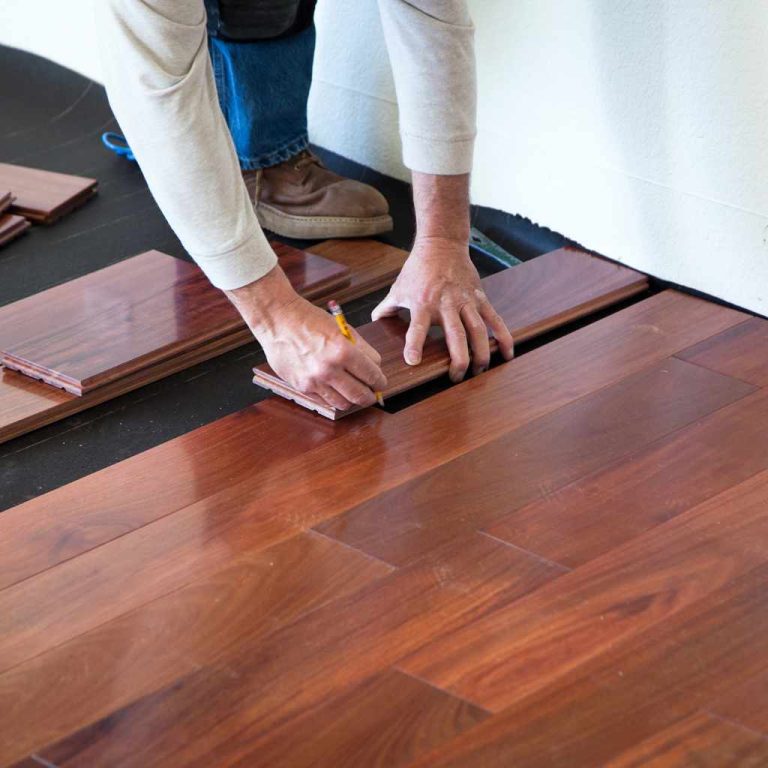
That last point trips up a lot of homeowners. Solid hardwood can typically be sanded and refinished four to six times over its lifespan, so an aggressive repair is rarely a big risk. Engineered hardwood has a thin real-wood wear layer over plywood, and it can usually only handle one or two light sandings, ever — sand through it and you’re looking at a full plank replacement, not a touch-up. Before you reach for sandpaper, it’s worth knowing which one you have.
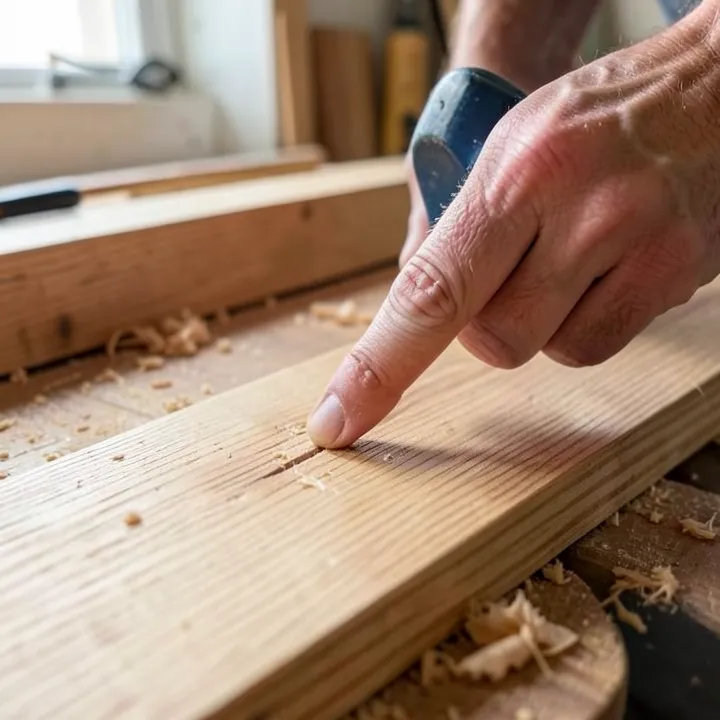
Figure Out What Kind of Damage You’re Actually Dealing With
Best For Light Surface Scratches
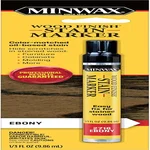 |
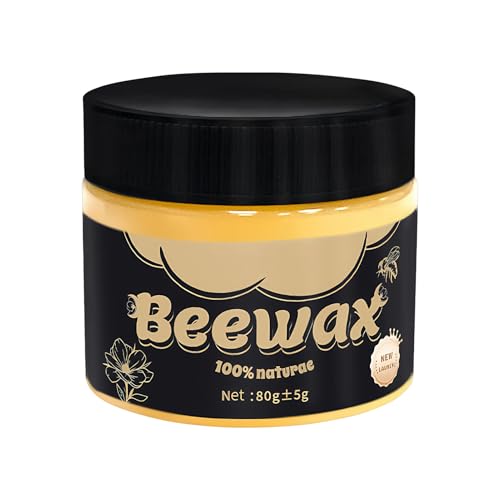
Minwax Wood Finish Stain Marker – $9.38 The fastest fix in this guide for a scratch that stayed in the finish — no sanding, dries in minutes.
|
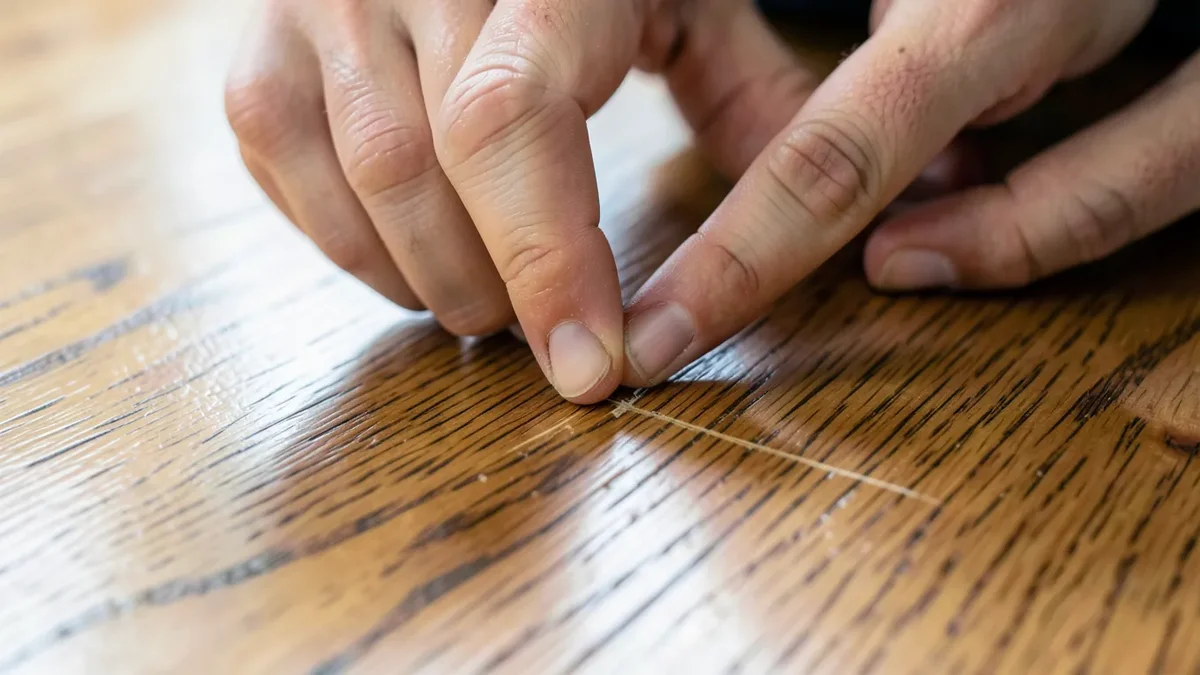
The repair method depends entirely on how far the damage goes, not how bad it looks. Run a fingernail across the mark — if it catches, the finish has been broken and you’re either looking at a scratch through the topcoat or a full gouge into the wood underneath.
Surface scratches only cut through the finish (polyurethane, varnish, or wax), not the wood itself. They look worse than they are because they scatter light differently than the surrounding floor, but there’s no structural damage to fix — just the finish layer.
Deep gouges cut through the finish and into the wood fibers themselves, sometimes removing a visible chunk. These need to be filled, not just polished, or the low spot will collect dirt and keep catching the light.
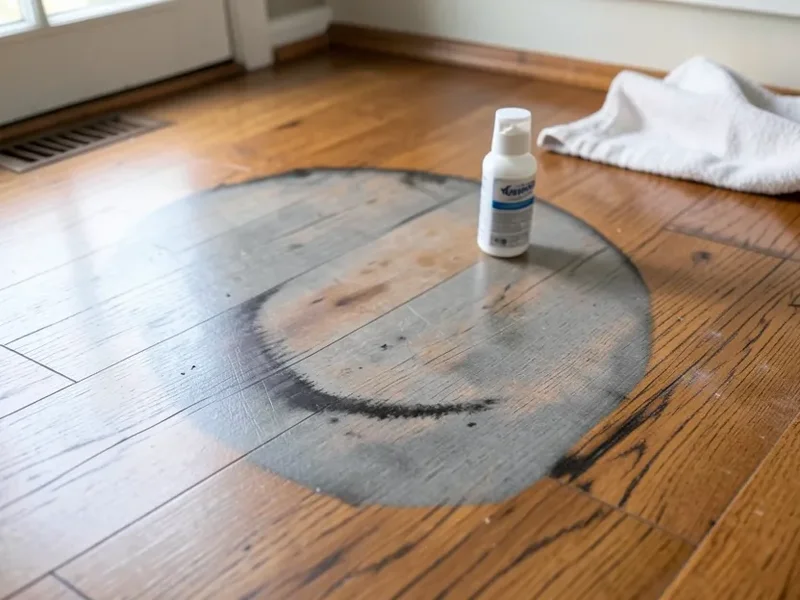
Water marks are a different animal entirely — usually not a scratch at all, but a chemical reaction between moisture and the wood’s tannins that leaves a gray or black stain. Sanding alone won’t remove a deep water stain if it’s soaked into the grain; that requires a wood bleach treatment first.
Fixing Light Surface Scratches (No Sanding Required)
If the fingernail test showed the wood underneath is intact, you have three realistic options, roughly in order of how close a color match you need:
Wood touch-up marker. Matched to your floor’s stain color, a marker is the fastest fix for light, thin scratches — color it in, let it set for a minute, and buff off any excess with a soft cloth. It won’t fill any depth, so it only really works on scratches that haven’t broken through to bare wood.
Wax filler stick. Slightly thicker than a marker and better for a scratch with a hair of actual depth. Warm it slightly between your fingers, press it into the scratch, and level it off with a plastic scraper or old gift card — not metal, which can gouge the surrounding finish.
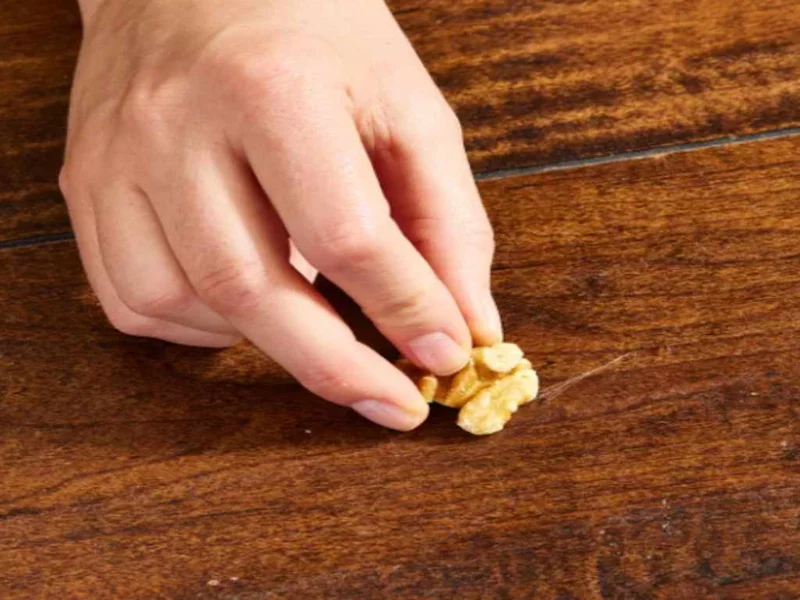
The walnut trick. This one sounds like an old wives’ tale, but there’s real chemistry behind it: crack a raw walnut and rub the meat directly over the scratch. The oils in the walnut penetrate the exposed wood fiber and darken it slightly, which is often enough to visually blend a light scratch into the surrounding finish. It’s not a permanent fix — more of a five-minute camouflage — but it works surprisingly well on light-to-medium stained floors and costs nothing.
Repairing Deep Gouges That Reach the Wood
Once a fingernail catches on exposed wood rather than just a break in the finish, filler is the right call:
1. Clean the gouge thoroughly — any dust or debris left inside will show through the filler and create a weak bond.
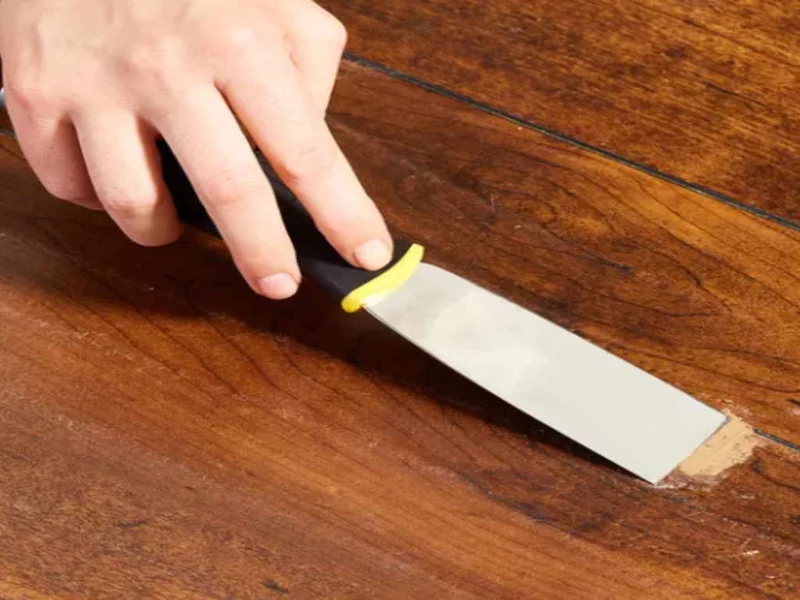
2. Press in a color-matched wood filler with a plastic putty knife, packing it slightly proud of the surface since most fillers shrink a little as they cure. Follow the dry time on the label; rushing this step is the most common reason a filler patch looks obviously different later.
3. Sand it flush once fully cured, using fine-grit sandpaper (220-grit or higher) and sanding with the grain only. Wipe away all dust with a slightly damp cloth before moving on.
4. Stain to match, testing on a hidden area first (inside a closet, under a rug corner) since floor stains can look noticeably different depending on the wood’s age and existing patina. Apply with a small brush or a folded rag, and resist the urge to add a second coat before checking how the first one dries.
5. Seal it with a matching topcoat — polyurethane for most modern floors, wax for older shellac-finished floors — so the repair is protected the same way the rest of the floor is.
Water Stains Need a Different Fix Than Scratches
Here’s a common mistake worth avoiding: reaching for household chlorine bleach on a dark water stain. It doesn’t actually lift the tannin-based stains that cause that gray or black discoloration, and it can bleach the surrounding clean wood unevenly, making the problem more visible, not less. The product actually formulated for this is oxalic acid wood bleach, sold at most hardware stores specifically for hardwood floor stain removal. Mixed per the label and applied directly to the stained area, it neutralizes the minerals causing the discoloration far more reliably than household bleach.
For a stain that’s only surface-deep, drying the area completely (a fan pointed at it for 24 hours works well) and then buffing with a floor-appropriate polish is sometimes enough on its own. If the gray tone remains after it’s fully dry, that’s your signal the stain has penetrated the grain and needs the oxalic acid treatment before you refinish over it.
Keeping New Scratches From Showing Up
A few habits do more for your floor’s finish than any product: felt pads under every piece of furniture (replaced when they start looking flattened, not just when they fall off), a doormat at every exterior entry to catch grit before it gets tracked in, and sweeping or vacuuming with a hard-floor setting regularly, since dust and sand are what actually cause the fine “cloudy” scratching you see under raking light over time — not big impacts. Keeping indoor humidity in the 35-55% range also matters more than most people expect; wood that’s constantly expanding and contracting with the seasons develops small surface stresses that make the finish more prone to cracking and scratching.
Frequently Asked Questions
How Can I Repair Minor Scratches On Hardwood Floors?
Use a wood touch-up marker or a wax filler stick matched to your floor’s color. Clean the area first, apply the product, and buff off the excess with a soft cloth. This works well for shallow scratches that haven’t broken through into the bare wood.
What Household Items Remove Scratches From Hardwood Floors?
A raw walnut rubbed directly over a light scratch can visually blend it in — the walnut’s natural oils darken the exposed wood fiber. Olive oil mixed with a little vinegar can have a similar temporary effect. Neither is a permanent fix, but both work well for minor cosmetic scratches.
When Should I Refinish Hardwood Floors After Scratching?
Full refinishing makes sense when scratches are widespread across the floor rather than isolated, or when the finish itself has worn through in high-traffic areas. A single deep gouge is almost always better handled as a spot repair with filler and matching stain rather than sanding an entire room.
Can I Repair Hardwood Floor Scratches Myself?
Yes — markers, wax sticks, and wood filler kits handle the vast majority of scratches and gouges without professional help. The main exception is engineered hardwood that’s already been sanded once or twice, where an aggressive DIY sanding repair risks cutting through the thin real-wood wear layer.
Bottom Line
Match the fix to the depth of the damage: a marker or wax stick for scratches that stayed in the finish, wood filler and matching stain for gouges that reached bare wood, and oxalic acid wood bleach — not household bleach — for water stains that have soaked into the grain. Get that triage right and most hardwood floor damage is a same-afternoon fix, not a reason to refinish the whole room.
Sponsored / affiliate links. As an Amazon Associate I earn from qualifying purchases. I may earn additional commission from eligible campaigns.