What Is Ash Wood Used For? 9 Real Applications
Ash wood is used for baseball bats, hockey sticks, tool handles, flooring, furniture, guitar bodies, and drum shells – a wider range than most hardwoods cover, and for a specific mechanical reason: ash absorbs shock and flexes under sudden force without splintering the way more brittle hardwoods do. That single property, more than its light color or workability, is why it ended up in so many different products.
Why Ash Ends Up in So Many Different Products
See Ash Wood’s Grain in Your Kitchen
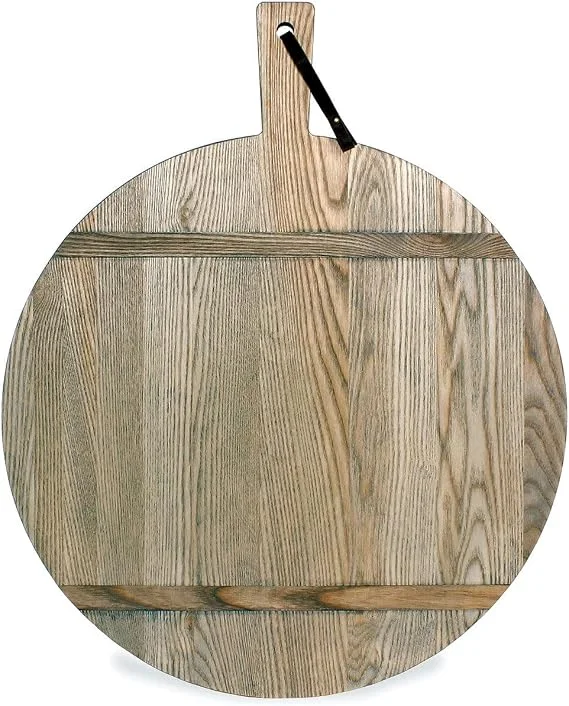 |
J.K. Adams Ash Cutting/Serving Board Made in Vermont from real ash, with a driftwood finish that shows off the grain this article is about.
|
Ash’s cell structure has long, straight fibers with relatively little of the interlocking grain that makes some hardwoods stiffer but more brittle. Under a sudden impact – a bat meeting a ball, a hammer meeting a nail, a hockey stick meeting the ice – those fibers flex and distribute the shock along the length of the piece instead of concentrating it at one point and cracking. Its Janka hardness (about 1,320 lbf for white ash) sits in the middle of the hardwood range – harder than walnut, softer than hard maple or hickory – which is part of why it holds up to impact without becoming so rigid that it shatters instead of flexing.
Sporting Equipment
Ash was the standard wood for baseball bats for most of the 20th century, prized specifically for its flex under impact – a stiffer wood transmits more of the shock back into the batter’s hands, while ash’s give reduces sting and vibration on off-center hits. Maple has taken over much of the pro market since the early 2000s because it’s harder and produces a slightly higher exit velocity on solid contact, but maple bats are also more prone to catastrophic shattering along the grain, which is a large part of why ash remains a popular, more forgiving choice at the amateur and youth level. The same flex-under-impact logic makes ash the traditional choice for hockey stick shafts, though most modern sticks have shifted to composite materials for weight savings.
Tool Handles
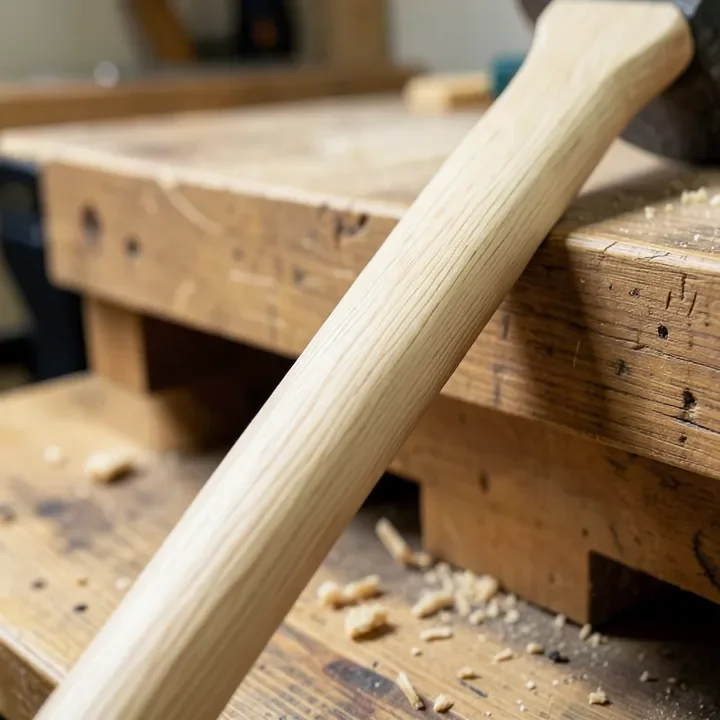
Hammer, axe, and shovel handles have relied on ash for the same shock-absorption reason bats do: a rigid handle transmits the full force of a missed swing straight into your hands and wrists, while ash’s flex softens that impact. Hickory is technically harder and slightly more durable for the heaviest striking tools, but ash is lighter, more widely available, and flexes a bit more, which is why it’s been the default handle wood at hardware stores for generations.
Furniture and Cabinetry
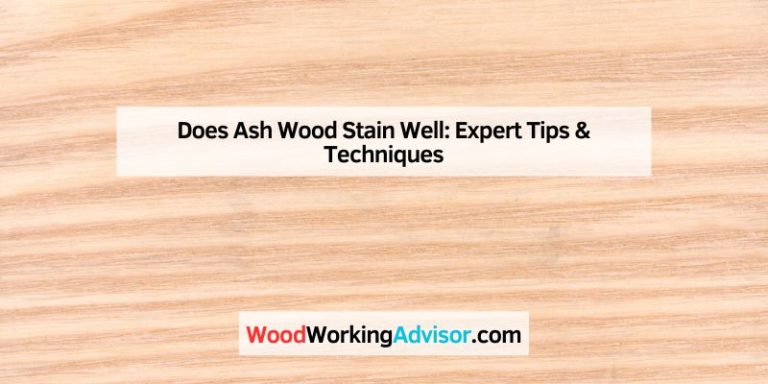
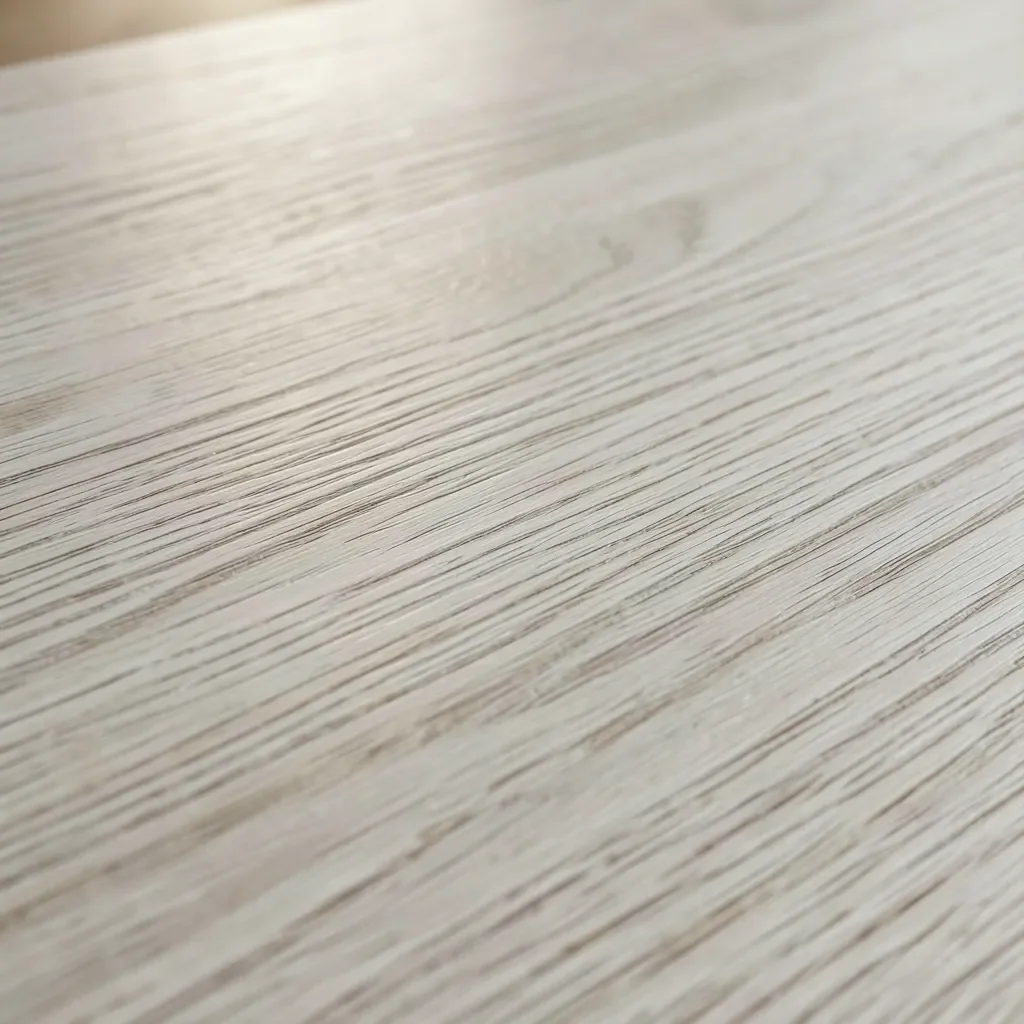
Ash’s light color, prominent straight grain, and good machinability make it a popular furniture and cabinet wood, particularly for pieces meant to look bright and modern rather than dark and traditional. It takes stain reasonably evenly for a ring-porous wood, though because its grain is more open than maple’s, it doesn’t hide grain-filling the way a tighter-grained wood does – if you want it to look darker and richer rather than pale, our guide on how to stain ash wood dark covers the extra grain-filling step that takes.
Flooring
Ash flooring holds up well to daily foot traffic thanks to that same mid-range Janka hardness, and its pale, relatively uniform color reads as bright and contemporary compared to darker hardwood floors like walnut or cherry. It’s a reasonable step up from softer options like pine for a busy household, though it’s not as dent-resistant as hard maple or white oak if you’re comparing purely on hardness.
Musical Instruments
Ash shows up in solid-body electric guitars (the Fender Telecaster and Stratocaster both used swamp ash bodies for decades) because its cellular structure produces a bright, resonant tone with pronounced upper-mid frequencies, and it’s light enough that a full-size guitar body doesn’t become neck-heavy. Drum shells made from ash produce a deep, punchy low end, and its strength lets manufacturers use thinner shells without sacrificing durability, which shaves weight off the finished drum.
Architectural and Structural Uses
Ash appears in interior trim, door and window frames, and the occasional structural beam, where its strength-to-weight ratio and resistance to bending under load are useful. It’s rarely chosen for exterior structural work, though – ash has poor natural rot resistance and needs a real sealed finish (see our guide on durable woods for cabinetry for how it compares to more rot-resistant species) to survive sustained outdoor moisture exposure.
Decorative Items and Veneer
Ash’s straight, pronounced grain and light color make it popular for veneer, where a thin sliced layer shows off the grain pattern on furniture and cabinet faces at a fraction of the cost and weight of solid ash. The same properties make it a favorite for carved and turned decorative pieces – it holds fine detail well without the wood tearing out along the grain the way some coarser hardwoods do.
A Real Supply Problem: The Emerald Ash Borer
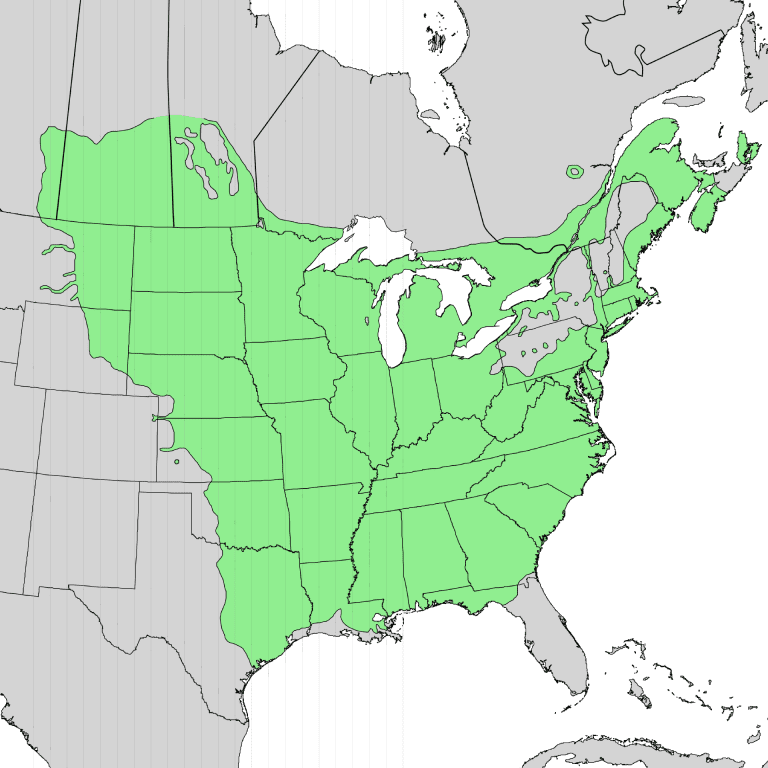
Anyone shopping for ash lumber today is buying into a supply story most competing articles skip entirely: the emerald ash borer, an invasive beetle first detected in Michigan in 2002, has killed hundreds of millions of ash trees across North America since, and continues to spread. Entire regional ash populations have been wiped out in its wake, and the long-term result is tighter supply and rising prices for ash lumber compared to a decade ago. It’s worth knowing before you commit a large project to ash specifically for cost reasons – the wood’s traditional reputation as an affordable, widely available hardwood is becoming less true as the borer’s range expands.
Ash vs. Other Common Hardwoods
| Wood | Janka Hardness (lbf) | Best Known For | Rot Resistance |
|---|---|---|---|
| White Ash | ~1,320 | Shock absorption, flex under impact | Poor |
| Hard Maple | ~1,450 | Dent resistance, flooring, cutting boards | Poor |
| Red Oak | ~1,290 | Traditional furniture, open grain look | Fair |
| Hickory | ~1,820 | Maximum-durability tool handles | Poor |
| White Oak | ~1,360 | Outdoor furniture, barrels, boat building | Good |
This table is where ash’s real trade-off shows up clearly: it’s not the hardest option on this list, and it’s not the most rot-resistant, but its combination of moderate hardness and high flexibility under sudden impact is what none of the harder woods match. Hickory beats it for raw toughness in a tool handle, and white oak beats it outdoors, but neither flexes as forgivingly under a sharp impact – which is exactly the property that put ash in bats and axe handles in the first place, rather than the hardest wood available.
Working With Ash: What to Expect
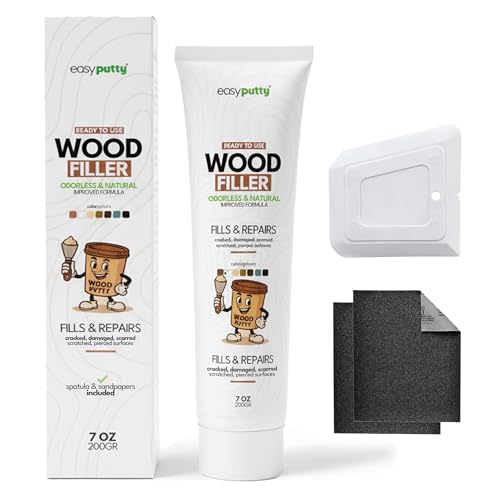
Ash cuts, sands, and glues about as easily as red oak, and it takes screws and nails well without much tendency to split – another byproduct of that flexible fiber structure. It does dull blades a bit faster than softer woods like pine or poplar because of its density, so expect to sharpen more often on a large project. Because the grain is fairly open, a clear finish alone leaves visible pores; if a smooth, filled look is the goal rather than a rustic textured one, a paste wood filler applied before the topcoat closes those pores up.
Ash Wood’s Real Limitations
- Poor natural rot resistance – needs a sealed finish for any outdoor or high-moisture use.
- Susceptible to powderpost beetle and other wood-boring insects, especially if stored with bark on or not kiln-dried properly.
- Rising cost as emerald ash borer damage reduces the available supply in many regions.
- Not as hard as maple, oak, or hickory for applications that need maximum dent resistance rather than shock absorption.
Frequently Asked Questions
What is the disadvantage of ash wood?
Poor natural resistance to rot and insects (including the emerald ash borer, which has devastated wild ash populations), and it’s not as hard as maple or oak for pure dent resistance.
What is ash wood most commonly used for?
Baseball bats, tool handles, hockey sticks, flooring, and furniture – all applications that benefit from its shock-absorbing flex and mid-range hardness.
Why was ash used for baseball bats specifically?
Its fibers flex under impact instead of transmitting the full shock back into the batter’s hands, which reduces sting on off-center hits compared to a stiffer wood like maple.
Is ash a good wood for furniture?
Yes – its light color, strong grain pattern, and good machinability suit modern-style furniture well, though its open grain needs extra filling if you want a dark, glassy stained finish.
Conclusion
Ash’s real advantage isn’t just its light good looks – it’s the shock-absorbing flex that made it the default choice for bats, tool handles, and hockey sticks for generations. That same property still makes it a smart pick for furniture and flooring today, though the emerald ash borer’s spread means it’s worth checking current pricing and availability before committing a large project to it.
Sponsored / affiliate links. As an Amazon Associate I earn from qualifying purchases. I may earn additional commission from eligible campaigns.