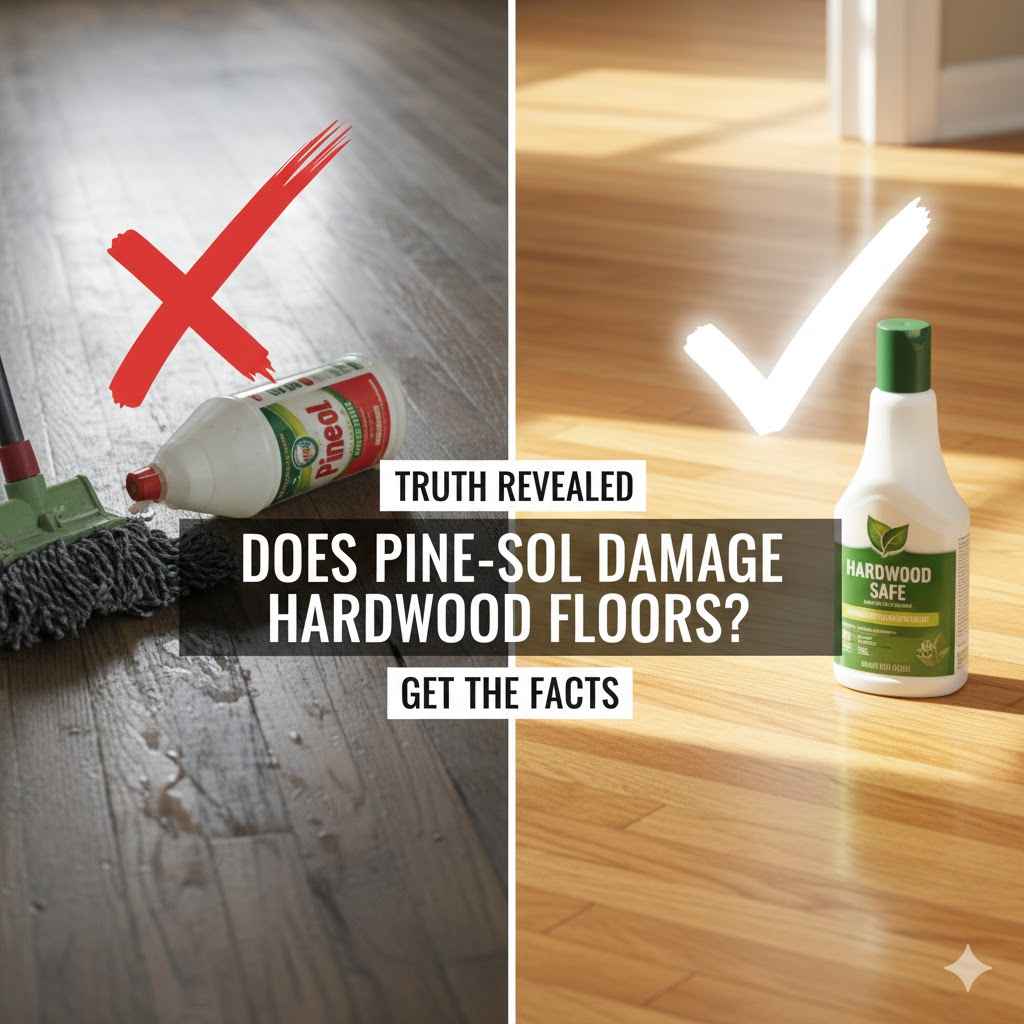
Does Pine-Sol Damage Hardwood Floors Truth Revealed
Many people wonder about cleaning their beautiful hardwood floors safely. When it comes to popular cleaners like Pine-Sol, questions can pop up. You might be asking, Does Pine-Sol Damage Hardwood Floors?
Truth Revealed and feel a bit unsure where to start. Don’t worry, this can seem tricky, but we’ll walk through it simply. This guide will give you clear steps to protect your floors and keep them looking great.
Let’s get started on uncovering the facts.
Understanding Pine-Sol and Hardwood Floor Care
This section looks at what Pine-Sol is and why cleaning hardwood floors needs careful thought. We will explore the typical ingredients in Pine-Sol and how they might interact with the protective finishes on hardwood floors. Understanding these basics helps us figure out if Pine-Sol is a good choice for your home.
We want to ensure your floors stay beautiful for years to come.
What is Pine-Sol?
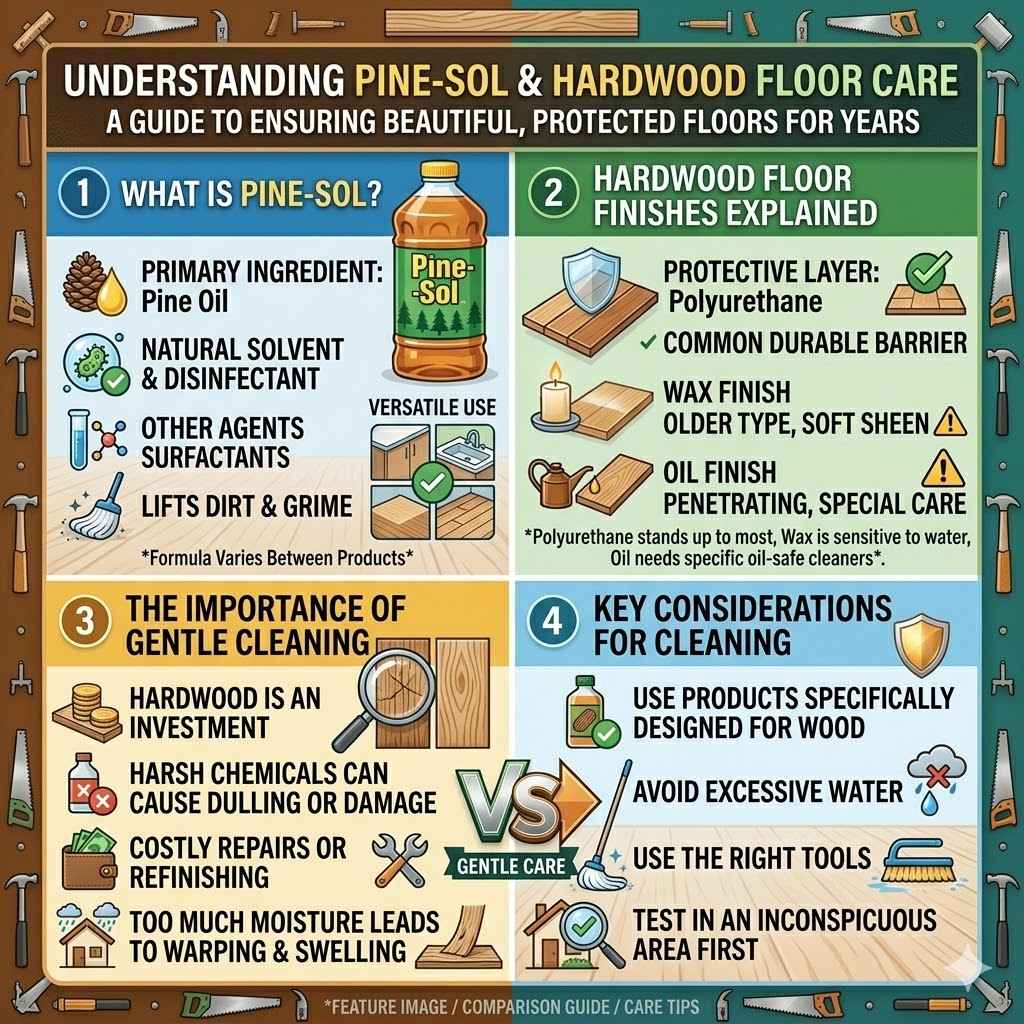
Pine-Sol is a well-known household cleaner. It is often used for general cleaning tasks around the house. Its primary ingredient is pine oil, which gives it its distinctive scent.
Pine oil is a natural solvent and disinfectant. It helps to cut through grease and grime.
Beyond pine oil, Pine-Sol contains other cleaning agents. These often include surfactants, which help lift dirt and oil from surfaces. It also usually contains water and sometimes fragrances or dyes to enhance its appeal.
The exact formula can vary slightly between different Pine-Sol products.
Pine-Sol is marketed as a versatile cleaner. It can be used on various surfaces like countertops, sinks, and floors. Its disinfects by killing common household germs.
Many people appreciate its strong cleaning power and pleasant smell.
Hardwood Floor Finishes Explained
Hardwood floors are typically protected by a finish. This finish is a layer applied to the wood surface. It shields the wood from spills, scratches, and daily wear and tear.
Common types of finishes include polyurethane, wax, and oil. Each type offers different levels of protection and requires specific cleaning methods.
Polyurethane finishes are very common. They create a durable, plastic-like barrier. This barrier is resistant to most common household cleaners.
However, some harsh chemicals can still dull or damage this finish over time. It’s important to know if your floor has a polyurethane finish.
Wax finishes are older and require different care. They provide a softer sheen. Wax finishes can be damaged by water-based cleaners, which can strip away the wax.
Oil finishes penetrate the wood and provide a more natural look. They also need special cleaning products that won’t remove the oil.
The Importance of Gentle Cleaning
Hardwood floors are an investment. They add beauty and value to any home. Because of this, it is important to clean them gently.
Harsh cleaning methods or products can cause irreversible damage. This can lead to costly repairs or refinishing.
Gentle cleaning means using products that are specifically designed for wood floors. It also means using the right tools. Avoiding excessive water is also key.
Too much moisture can seep into the wood and cause it to warp or swell.
When in doubt, always test a cleaning product in an inconspicuous area first. This will help you see how the finish reacts before applying it to the entire floor. This small step can save you a lot of trouble down the line.
Does Pine-Sol Damage Hardwood Floors? Truth Revealed
This section directly addresses the core question: Does Pine-Sol Damage Hardwood Floors? Truth Revealed. We will investigate the potential effects of Pine-Sol on different types of hardwood floor finishes.
This involves understanding how its chemical composition might interact with these finishes. We aim to provide a clear answer so you can make informed decisions about cleaning your floors.
Pine-Sol’s Ingredients and Wood Finishes
Pine-Sol’s cleaning power comes from its active ingredients. Pine oil itself is a solvent. Solvents can sometimes break down or soften certain types of finishes.
The surfactants in Pine-Sol help lift dirt, but they can also be abrasive if used too vigorously or too often.
For floors with a modern polyurethane finish, Pine-Sol is generally considered safe when diluted properly. Polyurethane is a tough, protective layer. It can withstand many common household cleaners.
However, using Pine-Sol at full strength or leaving it to sit on the floor for too long can still cause dulling or damage.
Older finishes, like wax or oil, are more vulnerable. Pine-Sol’s solvents might strip away wax or penetrate and alter oil finishes. This can lead to a loss of shine and protection.
It is crucial to know your floor’s finish before using any cleaner.
Potential Risks of Using Pine-Sol on Hardwood
One of the main risks is dulling the finish. Over time, repeated use of Pine-Sol, especially if not diluted, can wear down the protective top layer of the floor. This makes the floor look less shiny and more susceptible to scratches.
Another concern is the potential for discoloration. Some ingredients in Pine-Sol could react with certain wood types or finishes, leading to subtle changes in color. This is more likely on older or unfinished wood, but it is a possibility even on sealed floors.
Damage to the finish can also occur. If Pine-Sol is used in concentrated amounts or left to dry on the surface, it might weaken the bonds within the finish. This can create a sticky residue or a cloudy appearance.
This is why proper dilution and quick clean-up are essential.
Expert Recommendations for Pine-Sol Use
Most flooring experts advise caution when using Pine-Sol on hardwood floors. While it might be acceptable for some finishes when heavily diluted, it is not the ideal cleaner. Many recommend using products specifically formulated for hardwood floors.
If you choose to use Pine-Sol, always dilute it significantly. A capful in a gallon of water is often suggested for general cleaning. Never pour Pine-Sol directly onto the floor.
Always apply the diluted solution to your mop, not to the floor itself.
Wipe up any excess moisture immediately. Do not let standing water sit on hardwood floors. A dry mop or cloth should follow the damp mopping to ensure the floor is thoroughly dried.
This minimizes the risk of water damage or finish degradation.
When Pine-Sol Might Be Okay for Floors
This part explores the specific conditions under which Pine-Sol might be considered for use on certain types of floors. We will detail the scenarios where its use poses less risk and highlight the essential precautions to take. This offers a balanced view, acknowledging that while caution is advised, there can be specific, limited applications.
Dilution is Key for Safety
The most critical factor in using Pine-Sol on any floor, including hardwood, is dilution. Pine-Sol is a concentrated cleaner. Using it straight from the bottle will almost certainly damage your floors.
The key is to mix a very small amount with a large volume of water.
A common recommendation is to use about 1/4 cup of Pine-Sol per gallon of warm water. This creates a mild cleaning solution. This level of dilution significantly reduces the harshness of the chemicals.
It makes the cleaner less likely to strip finishes or damage the wood.
Always follow the dilution instructions on the Pine-Sol bottle. These instructions are usually for general cleaning. For sensitive surfaces like hardwood, it is often wise to dilute it even more than recommended.
Testing in a hidden spot is a very good idea.
Testing in an Inconspicuous Area
Before you clean your entire hardwood floor, you must test Pine-Sol. Find a small, hidden spot. This could be in a corner of a room that isn’t usually visible, like inside a closet or under a rug.
Prepare your diluted Pine-Sol solution as you plan to use it.
Apply the solution to the test area using a damp cloth. Do not soak the area. Let it sit for the amount of time you would normally clean.
Then, wipe it clean with a damp cloth and dry it thoroughly.
Inspect the test area closely after it has dried completely. Look for any changes in the appearance of the finish. Check for dullness, discoloration, stickiness, or any other signs of damage.
If you see any negative effects, do not use Pine-Sol on your hardwood floors.
Sealed Polyurethane Floors as the Best Candidates
Hardwood floors with a factory-applied polyurethane finish are the most forgiving. Polyurethane creates a strong, protective barrier. This barrier is more resistant to mild cleaners like diluted Pine-Sol.
These floors can typically handle a lightly diluted Pine-Sol solution applied with a damp mop. The key is that the finish must be in good condition. If the finish is worn or cracked, even diluted Pine-Sol can penetrate and cause harm.
Even on polyurethane floors, it is still best to use cleaners made specifically for hardwood. These cleaners are formulated to maintain the finish without causing damage. Pine-Sol should be seen as a last resort or for very specific, occasional cleaning needs.
Alternatives to Pine-Sol for Hardwood Floors
This section offers alternative cleaning solutions that are specifically designed for hardwood floors. We will discuss why these alternatives are often preferred and provide examples of effective, safe cleaning products and methods. The goal is to empower readers with the best options for maintaining their wood flooring.
Dedicated Hardwood Floor Cleaners
The safest and most effective way to clean hardwood floors is to use cleaners made specifically for them. These products are formulated to be pH-balanced and gentle on wood finishes. They are designed to clean without stripping, dulling, or damaging the protective layer.
Many reputable brands offer excellent hardwood floor cleaners. These can be spray-on products or concentrates that you mix with water. They often contain conditioning agents that help maintain the wood’s natural beauty and protect the finish.
When choosing a hardwood floor cleaner, look for terms like “pH-neutral,” “no-rinse,” or “safe for sealed hardwood floors.” Always read the product label carefully to ensure it is suitable for your specific type of floor finish. Some are designed for water-based polyurethane, while others might be for oil-finished wood.
Natural Cleaning Solutions
For those who prefer natural cleaning methods, a few options exist. One popular choice is a very diluted solution of white vinegar and water. White vinegar is acidic and can help cut through grease and grime.
However, it must be heavily diluted and used sparingly.
A common mixture is one cup of white vinegar to one gallon of warm water. Like Pine-Sol, this mixture should only be used on sealed polyurethane floors. It should be applied with a damp mop and dried quickly.
Vinegar’s acidity can still be too harsh for some finishes if used frequently or in strong concentrations.
Another natural option is a simple solution of mild dish soap and water. Use only a tiny amount of soap, as too much can leave a residue. Again, this is best for sealed floors and requires thorough drying.
For truly natural cleaning without harsh chemicals, a damp microfiber mop alone is often the best approach.
The Power of Water and Microfiber Mops
Often, the best cleaner for hardwood floors is simply water and a good microfiber mop. Microfiber cloths are excellent at picking up dust, dirt, and grime without scratching the surface. They also absorb moisture effectively.
Start by dry dusting or vacuuming your floors to remove loose debris. Then, slightly dampen your microfiber mop with plain water. Wring it out very well so it is just barely damp, not wet.
Mop the floor in sections, and follow immediately with a dry microfiber cloth or mop to ensure no moisture remains.
This method is incredibly safe for all types of sealed hardwood floors. It requires no chemicals, making it eco-friendly and budget-friendly. It is perfect for daily touch-ups and regular light cleaning.
For deeper cleaning, you can add a small amount of a dedicated hardwood floor cleaner to the water if needed.
Maintenance Tips for Long-Lasting Hardwood Floors
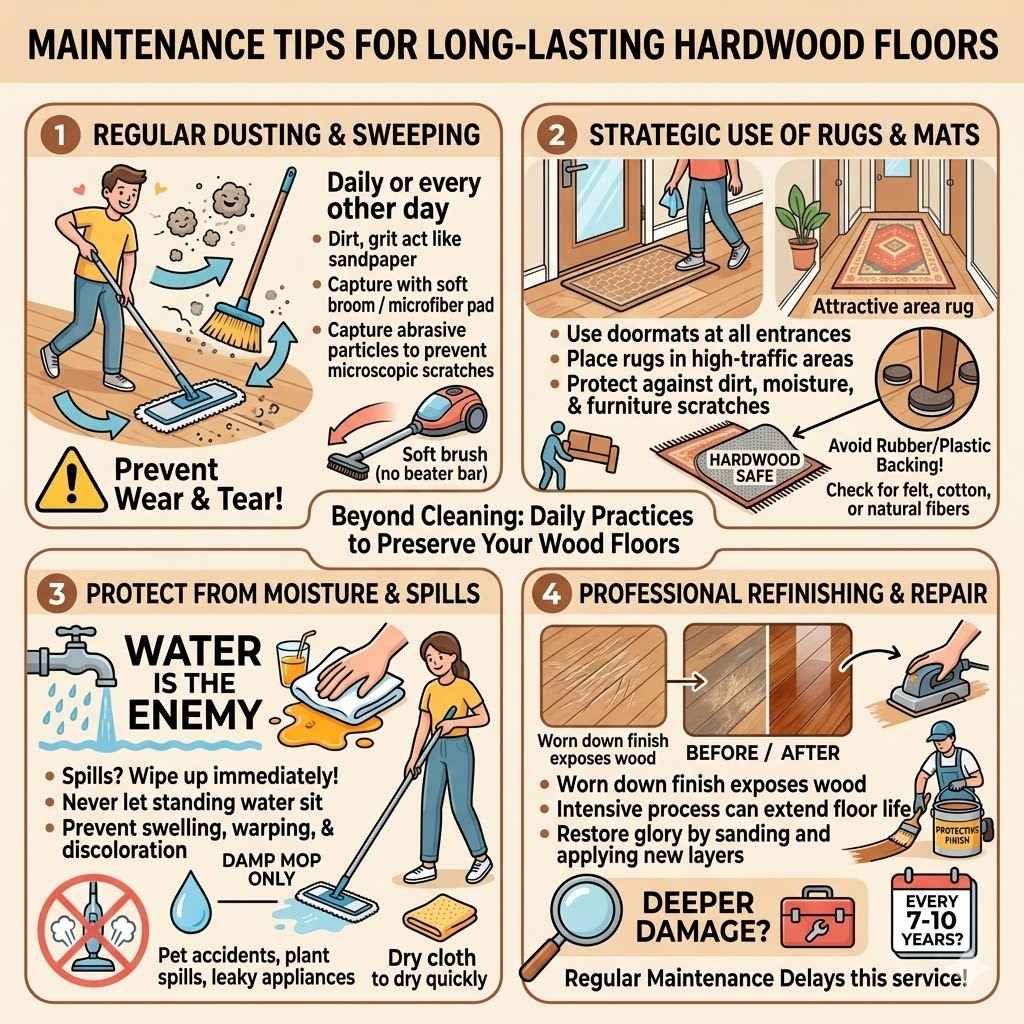
Maintaining hardwood floors goes beyond just cleaning. This section will cover essential maintenance practices that help preserve the beauty and longevity of your wood floors. From daily care to preventing damage, these tips will ensure your floors remain a source of pride for years to come.
Regular Dusting and Sweeping
The most crucial step in hardwood floor maintenance is regular cleaning of dust and debris. Dirt, grit, and sand act like sandpaper on your floors. They can cause microscopic scratches that dull the finish over time.
Sweep your hardwood floors daily or every other day, especially in high-traffic areas. Use a soft-bristle broom or a dust mop with a microfiber pad. These tools effectively capture dust and dirt without scratching the finish.
Alternatively, you can use a vacuum cleaner with a soft brush attachment. Ensure the vacuum does not have a beater bar that spins, as this can damage the wood. Regular removal of abrasive particles is key to preventing wear and tear.
Using Rugs and Mats
Strategically placed rugs and mats can significantly protect your hardwood floors. Place doormats at all entrances to trap dirt and moisture before it is tracked onto the floors. Use mats in areas prone to heavy foot traffic, like hallways and living areas.
Area rugs can also protect floors from furniture scratches. Lift furniture when moving it instead of dragging it. Consider using felt pads on the bottom of furniture legs.
These pads create a smooth surface that slides easily and prevents scratches.
Ensure that the backing of any rugs or mats is safe for hardwood floors. Some rubber or plastic backings can discolor or damage certain finishes over time. Look for “hardwood safe” labels or choose natural fiber backing like cotton or felt.
Protecting from Moisture and Spills
Water is the enemy of hardwood floors. Even sealed floors can be damaged by prolonged exposure to moisture. Spills should be wiped up immediately with a soft, absorbent cloth.
Never let standing water sit on your hardwood floors. This can cause swelling, warping, and discoloration. When mopping, always use a barely damp mop and ensure the floor dries quickly.
Avoid steam mops, as the heat and moisture can damage the finish and the wood.
Be mindful of pet accidents and water spills from plants or leaky appliances. Clean these up as soon as they happen to prevent permanent damage. Keeping your floors dry is a fundamental aspect of their care.
Professional Refinishing and Repair
Over many years, the finish on your hardwood floors will naturally wear down. When this happens, the wood underneath becomes more vulnerable. If the wear is significant, your floors may need professional refinishing.
Refinishing involves sanding down the old finish and applying new protective layers. This process can restore your floors to their former glory. It is a more intensive process but can extend the life of your hardwood for many more years.
Minor scratches or dents can sometimes be repaired by a professional. For deeper damage, refinishing might be the best option. Regular maintenance will help delay the need for these more extensive services.
Frequently Asked Questions
Question: Can I use Pine-Sol on laminate or vinyl flooring?
Answer: Pine-Sol can generally be used on laminate and vinyl flooring, but it is always best to check the manufacturer’s recommendations for your specific flooring. Dilute Pine-Sol with water, use a damp mop, and wipe up any excess moisture promptly to avoid damage.
Question: How often should I clean my hardwood floors with Pine-Sol if I choose to?
Answer: If you choose to use Pine-Sol on your hardwood floors, it should be done very infrequently. Once every few months at most, and only if heavily diluted and tested. Regular cleaning should be done with dedicated hardwood floor cleaners or a damp microfiber mop.
Question: Will Pine-Sol disinfect my hardwood floors effectively?
Answer: Pine-Sol does have disinfectant properties, but its effectiveness on hardwood floors can be compromised if not used correctly. The risk of damaging the floor finish often outweighs the disinfectant benefits for regular use. For disinfecting, consider other methods.
Question: What if my hardwood floors are very old and have no finish?
Answer: If your hardwood floors are very old and have no finish or a very worn finish, you should absolutely avoid using Pine-Sol. Unfinished wood is highly absorbent and will be easily damaged by solvents. Stick to dry cleaning methods or consult a flooring professional.
Question: How can I tell if my hardwood floor has a polyurethane finish?
Answer: A simple test is to put a drop of water on the floor in an inconspicuous spot. If the water beads up and sits on the surface, you likely have a polyurethane finish. If the water soaks in quickly or leaves a dark spot, it might be waxed, oiled, or unfinished.
Conclusion
When considering cleaning hardwood floors, the question of Does Pine-Sol Damage Hardwood Floors? Truth Revealed is important. While heavily diluted Pine-Sol may be acceptable for sealed polyurethane floors occasionally, it carries risks.
It can dull or damage finishes if used improperly or too often. Safer alternatives like dedicated hardwood cleaners or a damp microfiber mop are always recommended for optimal floor care and longevity.