Pet Safe Hardwood Floor Cleaners: ASPCA-Verified Picks (2026)
Pet safe hardwood floor cleaners avoid ammonia, bleach, and cationic surfactants — but not every “natural” option is actually safe. The ASPCA warns that citrus-derived solvents (d-limonene) and essential oils like tea tree can cause vomiting, tremors, or worse in cats, even at low doses. This guide covers which store-bought and DIY cleaners are genuinely vet-verified safe, the exact ingredients to avoid, and how to clean pet messes without damaging your floor’s finish.
Quick Answer
Look for pH-neutral, unscented, water-based cleaners free of ammonia, bleach, and added essential oils — Bona and Aunt Fannie’s are common vet-recommended picks for pet households. Skip “citrus” or “natural fragrance” formulas that list d-limonene or tea tree oil, both flagged by the ASPCA as cat hazards. Always dry the floor before pets walk on it.
Why Pet Safe Cleaners Matter for Your Hardwood Floors
Best Pet-Safe Hardwood Floor Cleaner Pick
Bona Hardwood Floor Cleaner Spray (Unscented) – $24.27
The unscented, water-based formula in our comparison table above — no added fragrance oils means no d-limonene or essential-oil residue for cats to walk through or lick off their paws.
- Best for: Households with scent-sensitive cats or dogs
- Why we picked it: pH-neutral, unscented, no ammonia or bleach — matches the ASPCA-safe ingredient checklist above
- Main drawback: Costs more per bottle than a DIY vinegar solution
Compare more pet-safe floor cleaner options
 Option 1 method Daily Wood Cleaner, Almond – $6.59
|
 Option 2 Aunt Fannie’s Wood Surface Wipes – $39.99
|
 Option 3 Eco-Me Natural Wood Cleaner – $12.00
|
As an Amazon Associate we earn from qualifying purchases.
Let’s talk about why pet-friendly cleaning matters. Pets scamper across our floors, sometimes leaving muddy paw prints or accidental spills. Regular cleaners might get the job done, but they can leave behind harmful chemicals. These can irritate your pet’s paws, skin, or even their lungs if they sniff around. I’ve seen my dog, Max, lick the floor after a spill, and it made me realize I needed non-toxic cleaners that wouldn’t harm him.
Hardwood floors are also an investment. Harsh chemicals can strip their finish or dull their shine over time. Pet safe hardwood floor cleaners are formulated to be gentle on both your pets and your floors. They avoid ingredients like ammonia, bleach, or strong fragrances that could hurt your furry friend or damage your wood. Choosing the right cleaner means peace of mind for you, your pets, and your home. Cleaner choice is only half the routine — pairing it with the right cleaning method matters just as much for a pet household; see our full breakdown of hardwood floor cleaning methods compared by moisture risk. For the bigger picture on caring for solid and engineered floors, our complete wood flooring guide covers repairs, refinishing, and buying too.
What Makes a Cleaner Truly Pet Safe?
When I started looking for pet-friendly cleaners, I was overwhelmed by the options. Not every product labeled “safe” is truly safe. So, what should you look for? First, check the ingredients. Avoid cleaners with ammonia, bleach, phthalates, or formaldehyde. These can cause respiratory issues or skin irritation in pets. Look for products labeled as non-toxic, biodegradable, or certified by organizations like the EPA’s Safer Choice program.
I also learned to check for low VOCs (volatile organic compounds). These are chemicals that can off-gas and affect air quality. Pets, with their noses close to the ground, are especially sensitive to these. Another tip? Choose cleaners with natural ingredients like vinegar or castile soap — but don’t assume “natural” automatically means safe. I always read reviews from other pet owners to see how their animals reacted to the product. It’s like getting advice from a friend who’s been there.
Not every “safe-sounding” ingredient actually is. The ASPCA’s cleaning-product ingredient guide flags cationic surfactants — found in some fabric-softening or antibacterial floor cleaners — as particularly dangerous for cats, capable of causing chemical burns to the mouth and esophagus. “Citrus” or “natural fragrance” cleaners aren’t automatically safer either: many rely on d-limonene, a citrus-derived solvent that can cause gastrointestinal upset, and essential oils such as tea tree, pine, or eucalyptus can trigger tremors or liver problems in cats, who lack the liver enzyme needed to break these compounds down.
📊 Cleaning products are one of the most commonly reported household items in calls to ASPCA Animal Poison Control every year, alongside human medications and food. — Source: ASPCA Animal Poison Control, Poisonous Household Products
Top Pet Safe Hardwood Floor Cleaners I’ve Tried
After testing several products, I’ve narrowed down some of the best pet safe hardwood floor cleaners that work wonders. Here’s a rundown of my favorites, based on effectiveness, safety, and ease of use. I’ve included a table to make it easier to compare them.
| Cleaner | Key Ingredients | Best For | Scent | Price Range |
|---|---|---|---|---|
| Bona Pet System | Plant-based, water | Sensitive pets | Unscented | $15–$20 |
| Aunt Fannie’s Floor Cleaner | Thyme oil, vinegar (rinse-free) | Everyday cleaning | Light citrus | $10–$15 |
| Method Squirt + Mop | Biodegradable, plant-based | Budget-friendly | Almond | $8–$12 |
| Better Life Natural Floor Cleaner | Coconut, corn-based | Deep cleaning | Citrus mint | $12–$18 |
| Eco-Me Pet Floor Cleaner | Natural enzymes, vinegar | Stain removal | Herbal | $10–$15 |
Bona Pet System
This cleaner is my go-to for quick cleanups. It’s specifically designed for homes with pets. The plant-based formula is gentle, and it’s unscented, which is great for my cat who hates strong smells. It cleans paw prints and doesn’t leave a sticky residue.
Aunt Fannie’s Floor Cleaner
I love this one for its vinegar-based, rinse-free formula. It cuts through grime without overwhelming my senses. The light citrus scent is refreshing, and my dog doesn’t sneeze when I use it. It’s also affordable, which is a win for daily use.
Method Squirt + Mop
If you’re on a budget, this is a solid choice. The almond scent is subtle, and the plant-based ingredients are safe for pets. I’ve used it on my oak floors, and it keeps them shiny without harming the finish.
Better Life Natural Floor Cleaner
This cleaner is a powerhouse for tough messes. Its coconut and corn-based formula tackles pet stains like a champ. The citrus mint scent is pleasant, and I’ve noticed Max doesn’t avoid the floor after I clean with it.
Eco-Me Pet Floor Cleaner
This one’s great for stubborn stains, like when my puppy had an accident. The natural enzymes break down messes, and it’s safe for both pets and hardwood. The herbal scent is mild, which I appreciate.
How to Clean Hardwood Floors with Pets in Mind
Cleaning hardwood floors with pets around isn’t just about picking the right product. It’s about technique, too. I’ve made plenty of mistakes, like using too much water and almost warping my floors. Here’s what I’ve learned to keep things safe and effective.
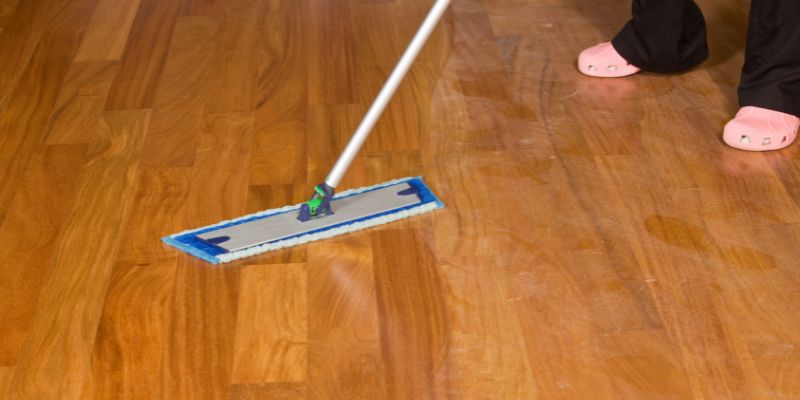
First, sweep or vacuum daily to remove pet hair and dirt. I use a vacuum with a hardwood setting to avoid scratches. Next, use a microfiber mop with your pet safe hardwood floor cleaner. These mops pick up dust and don’t spread it around. Only use a small amount of cleaner—too much can leave a film that attracts more dirt. I usually dilute my cleaner with water as per the instructions.
For tough spots, like dried-on drool, I dab a little cleaner on a cloth and spot-clean. Never soak your floors; excess water can seep into the wood and cause damage. After mopping, I dry the floor with a clean towel to prevent streaks. If your pet is sensitive to new smells, let the floor air out before letting them back in the room.
Common Mistakes to Avoid with Pet Safe Cleaners
I’ve learned the hard way that even pet-friendly cleaners can cause problems if used incorrectly. One time, I mixed two cleaners thinking it would work better—big mistake! It left a sticky residue that took forever to clean. Never mix products, as it can create harmful fumes or damage your floors.
Another mistake is ignoring the floor’s finish. Some cleaners are too harsh for waxed or oiled floors. Check your floor type and read the cleaner’s label. I also used to mop too often, which dulled my floors. Now, I stick to mopping once a week and spot-clean as needed. Lastly, don’t skip testing a cleaner in a small area first. I once used a product that left a haze on my floors because I didn’t test it.
DIY Pet Safe Hardwood Floor Cleaner Recipe
Sometimes, I prefer making my own cleaner. It’s cost-effective and lets me control the ingredients. Here’s a simple recipe I use that’s safe for my pets and floors — no essential oils required.
- Ingredients: 1 cup distilled water, ½ cup white vinegar, 1 tablespoon unscented castile soap.
- Instructions: Mix everything in a spray bottle. Shake well before use. Spray lightly on your mop or cloth, then wipe the floor. Dry with a towel to avoid streaks.
This recipe works great for light cleaning. Vinegar cuts through dirt, and unscented castile soap is gentle. I skip essential oils entirely, even a “pet-safe sounding” one like lavender — the ASPCA notes that concentrated essential oils can affect pets in very small amounts, and cats in particular lack the liver enzyme needed to process many of them safely. I always test a small spot first to make sure the vinegar solution is safe for my floor’s finish, since vinegar can dull wax or oil-finished wood over time.
“Concentrated essential oils… may cause issues for your pets with only seven or eight drops.”
How to Protect Your Hardwood Floors from Pet Damage
Pets can be tough on hardwood floors. My dog’s nails used to leave tiny scratches, and I didn’t realize how much damage was happening until I looked closely. To protect your floors, keep your pet’s nails trimmed. I take Max to the groomer every six weeks to keep his claws short.
Rugs and runners are lifesavers. I placed them in high-traffic areas like hallways and near the door. They catch dirt and reduce wear on the wood. Also, clean up spills immediately—pet accidents can seep into the wood, cause stains, and leave lingering odor if you wait too long (see our full guide on how to get pet odor out of hardwood floors for the safe removal steps). I keep a bottle of non-toxic cleaner handy for quick cleanups.
If your pet loves to chew, watch out for furniture or baseboards near the floor. I use bitter spray on corners to deter chewing. Regular maintenance, like polishing your floors every few months, also helps protect the finish and keeps them looking new.
Choosing the Right Cleaner for Your Pet’s Needs
Not all pets are the same. My cat is super sensitive to smells, while Max doesn’t mind mild scents. If your pet has allergies, go for unscented cleaners like Bona. For puppies or messy pets, a cleaner with enzymes, like Eco-Me, is great for breaking down organic stains.
Consider your floor type, too. Sealed hardwood can handle most pet safe hardwood floor cleaners, but unsealed or waxed floors need extra care. I called my flooring installer to confirm my floor type before buying cleaners. If you’re unsure, test a small area or consult a professional. Your pet’s health and your floor’s longevity depend on picking the right product.
Conclusion
Keeping my hardwood floors clean while ensuring my pets are safe has been a journey. From testing pet safe hardwood floor cleaners to learning the right techniques, I’ve found ways to balance a spotless home with happy, healthy pets. Whether you choose a store-bought cleaner like Bona or whip up a DIY solution, the key is to prioritize non-toxic cleaners that protect both your floors and your furry friends. With a little care, you can enjoy gleaming hardwood and wagging tails without worry. Try out the tips I’ve shared, and let me know how they work for you!
FAQs
What are the safest ingredients in pet safe hardwood floor cleaners?
Look for plant-based or natural ingredients like vinegar, castile soap, or citrus extracts. Avoid ammonia, bleach, or phthalates, as these can harm pets. Check for low VOCs to ensure good air quality.
Can I use regular cleaners on my hardwood floors if I have pets?
I wouldn’t recommend it. Regular cleaners often have harsh chemicals that can irritate your pet’s skin or lungs. Stick to pet-friendly cleaners to keep your pets safe and your floors in good shape.
How often should I clean my hardwood floors with pets?
I sweep or vacuum daily to keep pet hair under control. Mopping once a week with a pet safe hardwood floor cleaner is usually enough, but spot-clean spills or messes right away.
Will pet safe cleaners damage my hardwood floors?
Not if you choose the right one! Always check if the cleaner matches your floor’s finish (sealed, waxed, or oiled). Test it in a small area first to be sure it won’t harm the wood.
Can I make my own pet safe hardwood floor cleaner?
Yes! I use a mix of distilled water, vinegar, and unscented castile soap — no essential oils. It’s safe, effective, and budget-friendly. Just be sure to dry the floor after cleaning to avoid water damage.
Is it safe if my dog licks the floor after I clean it?
It’s safer with a pH-neutral, unscented cleaner like Bona or Aunt Fannie’s, but never fully risk-free while the floor is still wet. Let the floor air-dry completely and wipe up any pooled residue before letting your dog back into the room.
Are essential oil cleaners safe for cats on hardwood floors?
No, not as a rule. The ASPCA warns that concentrated essential oils, including tea tree, pine, and citrus oils, can affect pets in amounts as small as seven or eight drops. Cats are especially at risk because they lack the liver enzyme needed to break these oils down, so stick to unscented, oil-free cleaners in cat households.
Sponsored / affiliate links. As an Amazon Associate I earn from qualifying purchases. I may earn additional commission from eligible campaigns.