Does Water-Based Poly Smell? Odor & Curing Time Facts
Yes, water-based polyurethane does have a smell, but it’s a mild, short-lived odor, not the strong solvent smell of oil-based poly. What people notice is usually a faint ammonia-like or slightly plasticky scent from the finish curing, not the sharp paint-thinner smell that oil-based poly is known for.
If you’ve searched this exact question, you’re probably choosing between water-based and oil-based poly for an indoor project and want to know what to actually expect once you open the can – not just “it smells less.” This guide goes deep on that one specific question: what causes the smell, how long it realistically lasts, and how to cut both the odor and the curing time with better ventilation. If you want the broader rundown on poly finish types, sheens, and durability in general, our poly finish guide covers that side of things.
What Actually Causes the Smell in Water-Based Poly
Water-based polyurethane isn’t dissolved in a petroleum solvent the way oil-based poly is, so it was never going to produce that same heavy fume smell. The odor it does have comes from the finish itself: it’s an acrylic (waterborne) resin suspended in water along with small amounts of coalescing agents that help the resin particles fuse into a smooth film as it dries. Many water-based formulas also include a small amount of ammonia to keep that resin emulsion stable in the can before use. As the water evaporates during drying, that ammonia flashes off first, which is where the faint ammonia-like or “plasticky” smell some people notice in the first hour or two comes from. Once the water and ammonia have evaporated and the acrylic resin finishes curing, that smell fades out almost completely.
Best Low-Odor Water-Based Pick
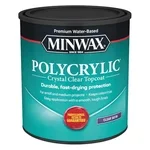 |
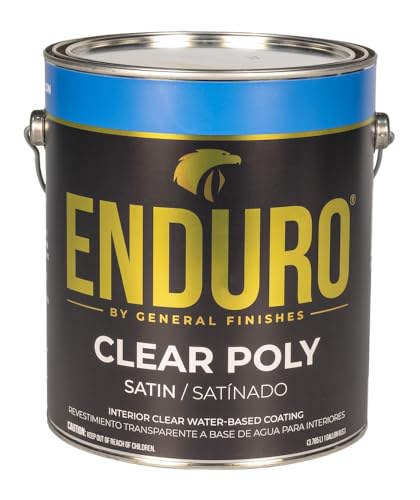
Minwax Polycrylic Protective Finish, Satin – $22.79 A water-based topcoat built around exactly the low-odor, fast-recoat properties this article is about.
|
How Long Does the Smell Actually Last?
Most water-based polyurethanes are dry to the touch within 30 to 60 minutes and ready for a second coat in about 2 hours – that fast recoat window is one of the main reasons people choose them over oil-based poly in the first place. The noticeable smell tracks closely with that drying process: it’s strongest in the first hour or two while the water and ammonia are evaporating, then drops off sharply, and in a room with decent airflow it’s usually undetectable within 24 to 48 hours.
That’s different from full cure, which is when the finish reaches its maximum hardness and chemical resistance. Full cure on a water-based poly typically takes 7 to 30 days depending on the product, temperature, and humidity – but by that point there’s essentially no odor left at all. You don’t need to wait for full cure to stop smelling it; you just need to wait out that first day or two of active drying.
Water-Based vs. Oil-Based Poly: Why the Smell Is So Different
Oil-based polyurethane is dissolved in mineral spirits, a genuine solvent that has to evaporate out of the finish as it cures. That’s what produces the strong, lingering odor oil-based poly is known for – and it doesn’t clear a room in a day. Depending on ventilation, an oil-based poly smell can stay noticeable for several days to over a week, and it carries a much higher VOC (volatile organic compound) load in the process. Water-based poly’s lower VOC content is exactly why its odor is milder and clears faster – there’s simply less solvent to off-gas in the first place.
If you’re still deciding between the two more broadly – durability, sheen options, how each holds up on floors versus furniture – that’s a bigger comparison than this odor-focused guide covers. Our full poly finish breakdown walks through the types, application methods, and durability differences in more depth.
Here’s roughly how the odor and drying timeline compares between the two, based on typical manufacturer specs and normal room ventilation:
| Timeline | Water-Based Poly | Oil-Based Poly |
|---|---|---|
| Dry to the touch | 30-60 minutes | 6-8 hours |
| Ready to recoat | ~2 hours | 24 hours |
| Noticeable odor mostly gone | 24-48 hours | Several days to over a week |
| Full chemical cure | 7-30 days | 30 days or longer |
Exact numbers vary by brand and formula – some water-based finishes use a bit more coalescing agent or ammonia stabilizer than others, which can make one product’s initial smell slightly stronger than another’s even though both clear up in roughly the same day or two. Reading the can’s own recoat window is a decent proxy: a finish that recoats faster is also usually the one whose smell clears fastest, since both are driven by the same water-evaporation process.
Does the Smell Come Back When You Apply a Second Coat?
Yes, briefly – each coat goes through the same short evaporation process, so you’ll notice the same mild smell again for the hour or so it takes that coat to dry. It doesn’t compound or get stronger with each additional coat; it’s the same brief, mild odor repeating, not building up. Keeping the same ventilation setup going between coats (rather than closing everything back up once the first coat looks dry) keeps each round just as short as the first.
Ventilation Tips to Cut the Smell (and Curing Time) Even Further
Good airflow does double duty with water-based poly: it clears the smell faster and helps the finish cure more evenly. A few things that actually make a difference:
- Cross-ventilate, don’t just crack a window. Open a window on each end of the room, or point a box fan out an open window to actively pull air (and odor) outside rather than just letting it drift.
- Keep the room between about 65-75°F with moderate humidity. Too cold or too humid slows drying and stretches out how long the smell hangs around; very low humidity and warm air speeds up evaporation.
- Apply thin, even coats. A thick, gloppy coat holds more moisture (and odor) longer than two thin coats will.
- Isolate the room if you can. Closing the door and running a fan in the workspace keeps the smell from spreading through the rest of the house while it’s strongest in that first hour or two.
- Don’t rely on central HVAC alone. Running the AC or furnace fan can actually spread the smell to other rooms instead of removing it – a dedicated exhaust fan or open window in that specific room works better.
Is the Smell Something to Worry About?
For most people working in a normally ventilated room, water-based poly’s odor is a mild nuisance, not a health hazard – its lower VOC content is exactly why it’s the more common recommendation for indoor and occupied-space projects. That said, if you or anyone in the house has asthma, another respiratory sensitivity, or is pregnant, it’s still worth ventilating well and staying out of the room while it’s actively drying, the same precaution you’d take with any wet finish. A dedicated respirator generally isn’t necessary for water-based poly the way it can be for solvent-heavy oil-based products, but if the smell bothers you at all, running a fan costs nothing and works.
Frequently Asked Questions
Does water-based poly smell as strong as oil-based poly?
No. Water-based poly has a much milder odor because it doesn’t rely on a petroleum solvent like oil-based poly does. What smell it does have is a faint ammonia-like or plasticky scent from the resin curing, not the strong paint-thinner smell of oil-based finishes.
How long until the smell is completely gone?
With decent ventilation, the smell is usually undetectable within 24 to 48 hours. The finish itself keeps curing to full hardness for up to a few weeks, but almost all of the odor is gone well before that point.
What does water-based poly actually smell like?
Most people describe it as a faint ammonia-like or slightly plasticky smell, coming from the acrylic resin and coalescing agents in the finish. It’s noticeably different from oil-based poly’s strong solvent smell, and much less intense.
Do I need a respirator to apply water-based poly indoors?
Not usually. Water-based poly’s low VOC content means a respirator generally isn’t necessary the way it can be with oil-based finishes. Good ventilation – an open window and a fan – is normally enough, though anyone with respiratory sensitivities should still ventilate well and avoid the room while it dries.
Bottom Line
Water-based poly does have a smell, but it’s a mild, short-lived one tied to the resin curing, not a solvent fume problem like oil-based poly. Give it good cross-ventilation for the first day and it’ll be gone well before the finish is fully cured.
Sponsored / affiliate links. As an Amazon Associate I earn from qualifying purchases. I may earn additional commission from eligible campaigns.