Does Waterlox Darken Wood? Unveil the Truth!
Yes, Waterlox does darken wood. It enhances the natural color, giving it a richer, deeper appearance.
Waterlox is a popular wood finish known for its durability and aesthetic appeal. Many woodworkers and DIY enthusiasts choose it for its ability to protect while enhancing the wood’s natural beauty. Applying Waterlox creates a warm, lustrous sheen that brings out the grain of the wood.
This finish penetrates deeply, providing a robust protective barrier against moisture and wear. Users often appreciate its ease of application and quick drying time. The darkening effect can vary based on the wood species and the number of coats applied. Understanding how Waterlox interacts with different types of wood helps ensure the desired finish for your project.
Introduction To Waterlox
Waterlox is a popular choice for wood finishing. It enhances the beauty of wood while protecting it. Many users wonder, does it darken wood?
The answer is yes, Waterlox can darken wood slightly. This effect depends on the type of wood and the number of coats applied. Some woods absorb more product, leading to a richer color.
Waterlox is made from natural ingredients, which helps keep wood looking great. It provides a warm, rich finish that many homeowners love. Its popularity comes from its ability to protect while enhancing the grain.
For best results, always test on a small area first. This helps to see how the finish will look on your specific wood type.
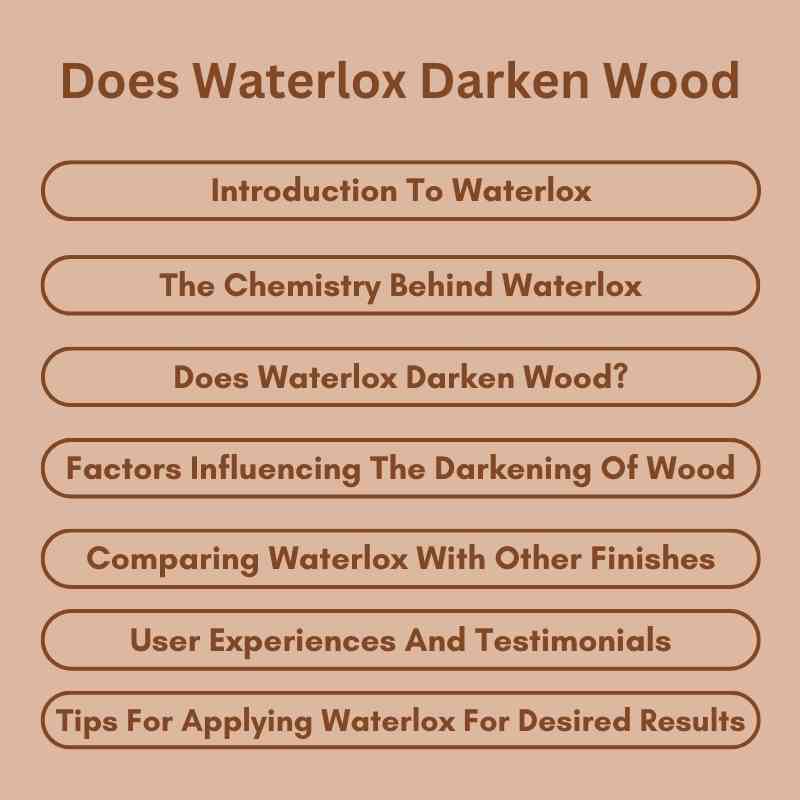
The Chemistry Behind Waterlox
Waterlox uses special ingredients that change how wood looks. Resins and oils work together to create a protective layer. This layer helps preserve the wood’s natural beauty.
The main ingredients are alkyd resin and linseed oil. These help the finish to bond well with wood. They also enhance the wood’s color and grain.
When applied, Waterlox can cause the wood to darken. This darkening effect varies based on the wood type. Softwoods may darken more than hardwoods.
Always test on a small area first. This helps to see how the wood will react. The final result is a beautiful, rich finish.
Does Waterlox Darken Wood?
Waterlox can darken wood when applied. The finish adds depth and richness to the color. Different wood types react uniquely. Some may darken more than others.
Immediate effects show a noticeable change in hue. The wood often appears richer and warmer right after application.
Long-term changes can vary. Over time, the wood may continue to darken slightly. UV exposure and wear can affect the appearance. Regular maintenance helps preserve the original look.
Factors Influencing The Darkening Of Wood
The type of wood plays a big role in darkening. Some woods, like walnut, naturally darken more than others. Softwoods may not show as much change as hardwoods do.
Application techniques can also affect the final color. Applying more coats of Waterlox can lead to a deeper shade. Using a brush may create different results than using a rag.
Environmental conditions greatly influence wood darkening. High humidity can make wood absorb more product. Direct sunlight can also speed up the darkening process.
Comparing Waterlox With Other Finishes
Waterlox is an oil-based finish that can darken wood. It enhances the wood’s natural beauty. Water-based finishes, on the other hand, tend to keep the wood lighter. They do not add much color.
Both finishes offer unique benefits. Oil-based finishes provide a warm tone. They also penetrate deeply into the wood. Water-based finishes dry quickly and are less smelly. They are easier to clean up.
| Feature | Oil-Based | Water-Based |
|---|---|---|
| Color Change | Can darken wood | Minimal color change |
| Drying Time | Longer | Faster |
| Odor | Stronger | Less odor |
| Cleanup | Solvents required | Water cleanup |
User Experiences And Testimonials
Many users have shared their experiences with Waterlox. Some say it darkens wood slightly. Others appreciate the rich color it adds.
Before using Waterlox, many projects appeared dull and lifeless. After applying Waterlox, the wood looks vibrant and warm. Users often share before and after photos to show the change.
Professional results often impress. DIY users notice differences too but may require practice. Skill level can affect the final look.
| User Type | Result |
|---|---|
| Professional | Consistent color and sheen |
| DIY | Varied results, may need adjustments |
Tips For Applying Waterlox For Desired Results
Start with proper preparation before applying Waterlox. Ensure the wood surface is clean and dry. Sand the wood to remove any old finish. This helps the Waterlox penetrate better. Use a tack cloth to remove dust after sanding.
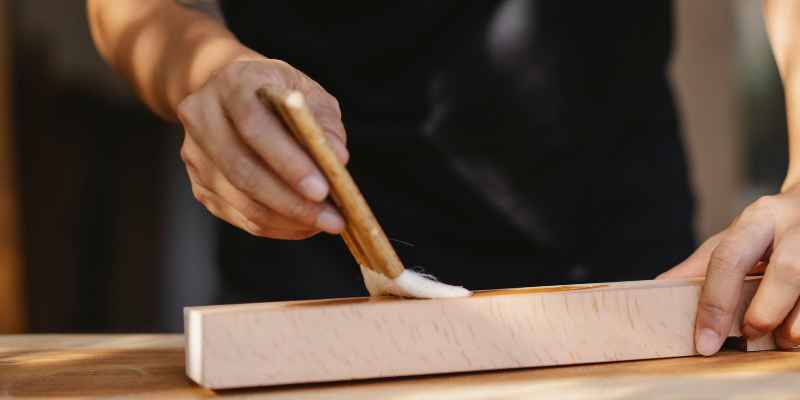
Choose a good application tool. A brush or roller works well for most surfaces. Apply Waterlox in thin layers to avoid pooling. Allow each coat to dry thoroughly before adding another. Lightly sand between coats for a smooth finish.
Test on a small area first. This helps see how the wood reacts. Some woods may darken more than others. Keep an eye on the color change as you apply. Use a consistent technique for the best results.
Frequently Asked Questions
Does Waterlox Make Wood Darker?
Yes, Waterlox can darken wood. It enhances the natural grain and color, often resulting in a richer appearance. The degree of darkening depends on the wood type and the number of coats applied. Always test on a small area to see the effect before full application.
How Does Waterlox Affect Wood Grain?
Waterlox enhances wood grain by adding depth and clarity. The oil penetrates the wood fibers, bringing out the natural patterns. This results in a more vibrant look while also providing protection. Ultimately, it showcases the beauty of the wood while preserving its integrity.
Is Waterlox Safe For Indoor Use?
Yes, Waterlox is safe for indoor use. It has low VOC levels, making it suitable for interior applications. This means it won’t emit harmful fumes after curing. However, ensure proper ventilation during application for optimal safety and comfort.
How Many Coats Of Waterlox Should I Apply?
Typically, three coats of Waterlox are recommended for optimal results. The first coat serves as a primer, while the subsequent coats build depth and protection. Always allow adequate drying time between coats. This ensures a durable finish and enhances the wood’s natural beauty.
Conclusion
Waterlox does darken wood, enhancing its natural beauty. The finish brings out rich tones and adds depth to the grain. This effect varies based on wood type and application method. For best results, test on a small area first. Embrace Waterlox to achieve a stunning, warm finish on your wood projects.