Drywood Termite Vs Subterranean Termite: Key Differences Revealed
Are you worried about termites damaging your home but unsure which type is the real threat? Knowing the difference between drywood termites and subterranean termites can save you time, money, and a lot of stress.
These tiny pests may look similar, but they behave very differently and require different treatments. You’ll discover the key signs to spot each type, how they invade your space, and what you can do to protect your home. Keep reading to make sure you’re not missing the warning signs that could prevent costly damage.
Drywood Termite Traits
Drywood termites have unique traits that set them apart from other termite types. These traits affect their habitat, appearance, and behavior. Understanding these traits helps identify drywood termite problems early. Here is a closer look at their key characteristics.
Habitat And Nesting
Drywood termites live inside dry wood, not in soil. They make their nests within wooden structures. Furniture, beams, and wooden walls are common homes. They do not need contact with the ground. Their colonies are smaller than subterranean termites. They create small holes to push out wood waste.
Physical Features
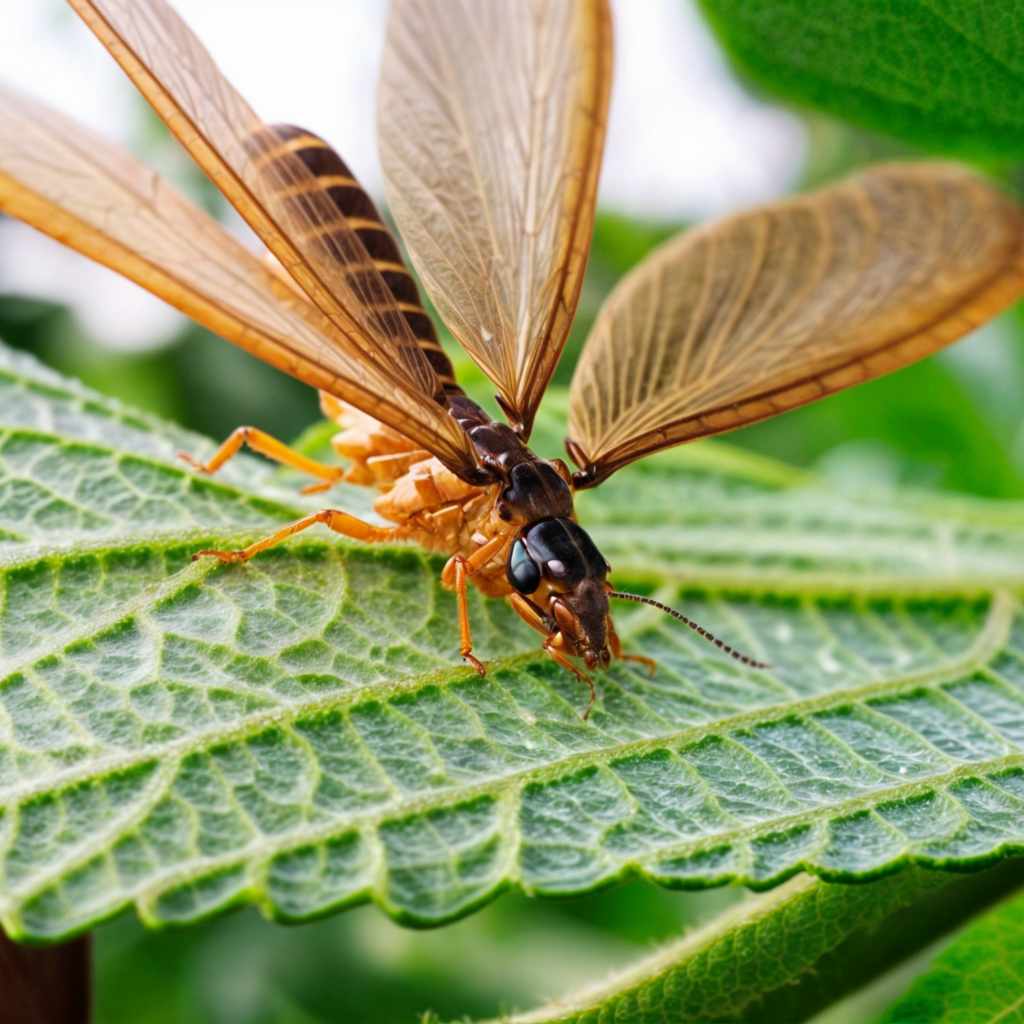
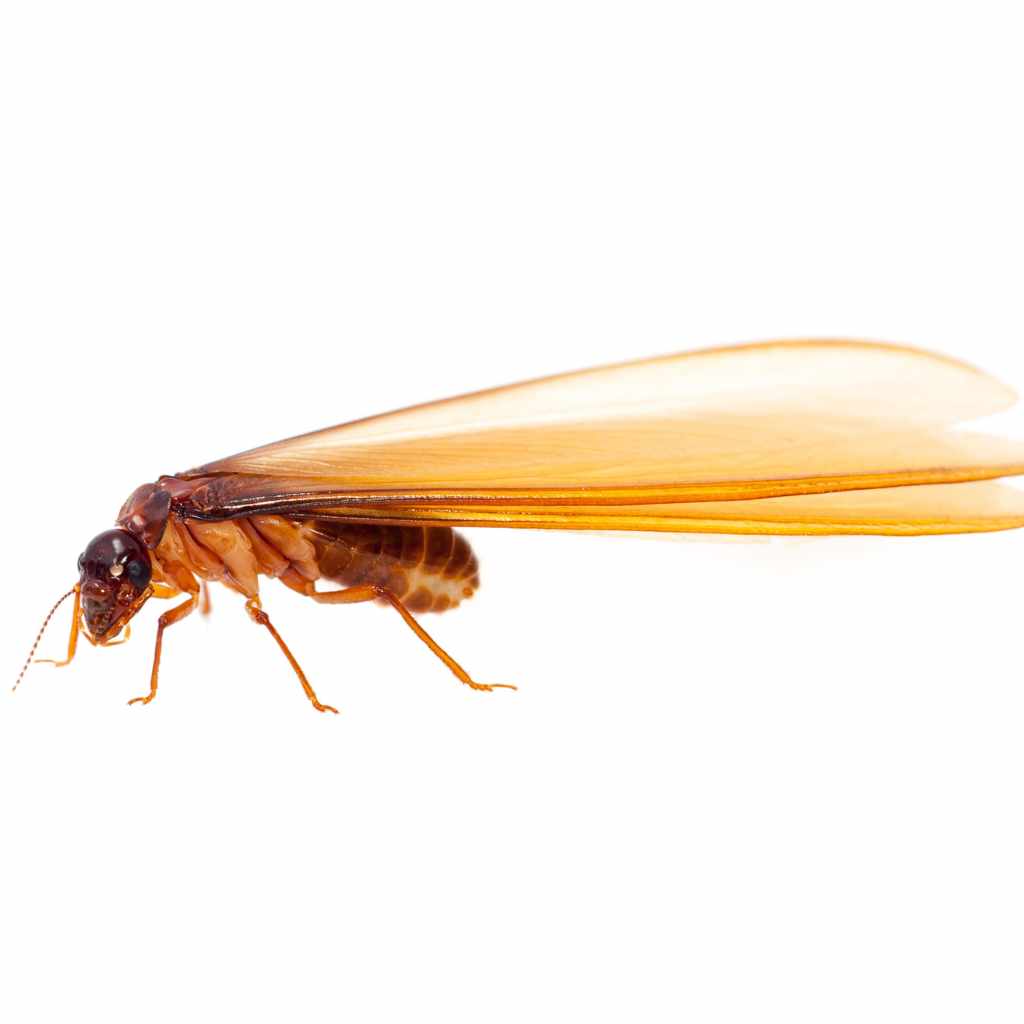
Drywood termites are light brown or yellowish in color. They have straight antennae with 15 to 20 segments. Their wings, when present, are equal in size and have few veins. Soldiers have large, square heads and strong jaws. Workers and soldiers look different in size and shape.
Behavior Patterns
Drywood termites move slowly through wood tunnels. They feed on dry, sound wood, causing damage inside. They produce small, pellet-like droppings outside their nests. They swarm in warm weather to start new colonies. Their activity is quieter than subterranean termites.
Subterranean Termite Traits
Subterranean termites are one of the most common termite types. They cause serious damage to homes and buildings. Understanding their traits helps in identifying and controlling them. These termites live underground and build tunnels to reach wood. Their behavior and physical features are unique compared to other termites.
Habitat And Nesting
Subterranean termites live in moist soil. They need contact with the ground for moisture. Their nests are hidden underground or inside wood near soil. They build mud tubes to protect themselves while traveling. These tubes help them stay safe from dry air and predators.
Physical Features
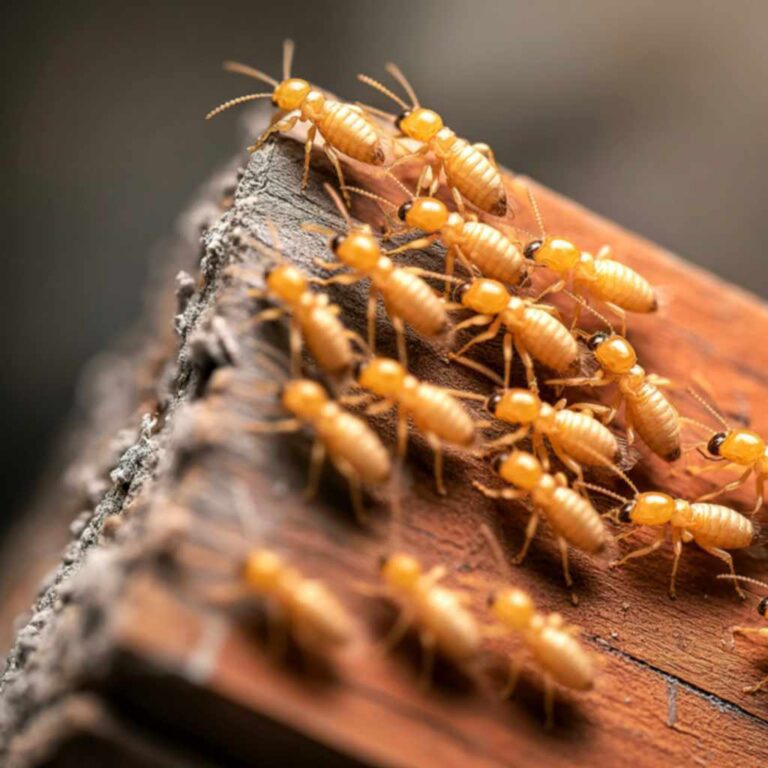
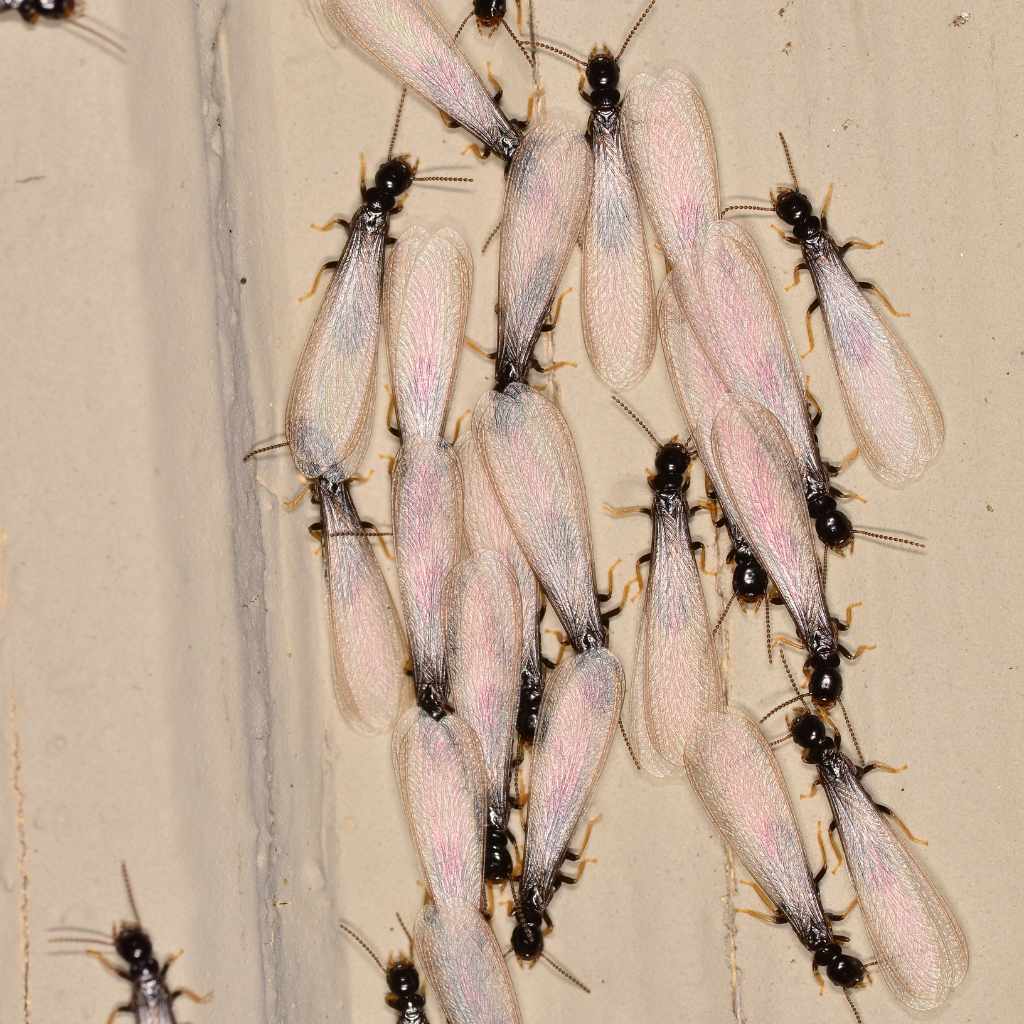
Subterranean termites have soft, pale bodies. Worker termites are about 1/8 inch long. They have straight antennae and no wings. Swarmers, or reproductive termites, have two pairs of wings. These wings are equal in size and shape. Their bodies are usually light brown or dark brown.
Behavior Patterns
These termites are active mainly at night. They eat wood and plant material constantly. Their colonies can grow very large, with millions of termites. They communicate through chemicals called pheromones. Subterranean termites work together to repair damage quickly. They avoid light and prefer dark, damp places.
Damage Patterns
Termites cause serious damage to wooden structures. Understanding damage patterns helps spot infestations early. Drywood and subterranean termites leave different signs behind.
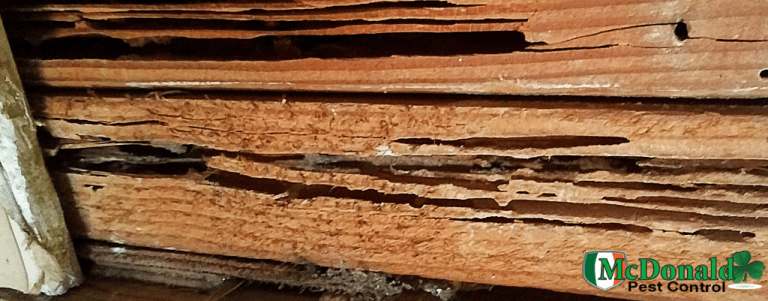
Drywood termites live inside dry wood. They eat the wood from within, creating hollow tunnels. The damage often looks like thin, layered wood. These tunnels weaken the wood over time.
Subterranean termites need contact with soil. They build mud tubes to reach wood. Their damage is usually hidden under the surface. The wood may look blistered or layered.
Signs Of Drywood Termite Damage
Look for small holes on wood surfaces. Tiny piles of wood dust near the holes show activity. The wood may sound hollow when tapped. Drywood termites leave smooth tunnels inside the wood. You might find discarded wings near windows or doors.
Signs Of Subterranean Termite Damage
Check for mud tubes along walls or foundations. The wood may appear cracked or blistered. Tap the wood; it may sound hollow or soft. Subterranean termites eat from the inside out. Look for damaged wood near the ground level.
Detection Methods
Detecting termites early saves your wood from serious damage. Drywood and subterranean termites show different signs. Knowing these signs helps spot the problem quickly. Detection methods vary based on the termite type. This section explains how to identify each type clearly.
Identifying Drywood Termites
Drywood termites live inside dry wood without soil contact. Look for small holes in wooden surfaces. These holes are exit points for termite droppings. You may notice tiny, pellet-like droppings near these holes.
Wood may sound hollow when tapped. The surface might feel rough or blistered. Drywood termites leave no mud tubes. Check furniture, beams, and wooden frames carefully.
Identifying Subterranean Termites
Subterranean termites build mud tubes to reach wood. These tubes protect them from air and predators. Spot these mud tubes on walls, foundations, or wooden structures.
Wood damaged by subterranean termites looks soft and crumbly. You may see tunnels inside wood filled with soil particles. These termites need contact with soil, so check near the ground.
Swarmers or winged termites may appear near windows or lights. Their presence indicates an active colony nearby.
Control And Treatment
Controlling and treating termite infestations requires different methods for drywood and subterranean termites. Each type lives in unique environments, affecting how to handle them. Understanding these differences helps in choosing the right approach.
Handling Drywood Termites
Drywood termites live inside wooden structures. They do not need contact with soil. Treatment often involves localized methods like fumigation or heat treatment. Professionals may use spot treatments with insecticides. Removing infested wood can also be effective. Early detection is key to prevent extensive damage.
Handling Subterranean Termites
Subterranean termites build colonies underground. They need moisture and soil to survive. Treating them usually requires soil treatments with termiticides. Baiting systems help control colonies over time. Barrier treatments prevent termites from entering buildings. Hiring experts ensures proper application and safety.
Preventive Measures
Keep wood and soil separated around your home. Fix leaks and reduce moisture near foundations. Store firewood away from buildings. Regular inspections can catch termites early. Use treated wood for construction. Good ventilation helps keep areas dry and less inviting for termites.
Impact On Structures
Termites cause serious problems for wooden structures. Drywood and subterranean termites attack wood differently. Understanding their impact helps protect homes and buildings.
Severity Of Damage
Drywood termites live inside dry wood. They create small tunnels and chambers. The damage grows slowly but can spread across wood pieces.
Subterranean termites build large colonies underground. They eat wood from the inside out. Their damage is often severe and hidden until it is advanced.
Subterranean termites weaken structures faster due to large numbers and constant feeding. Drywood termites cause damage in isolated spots but still need attention.
Repair Considerations
Repairing damage from drywood termites means replacing affected wood sections. Inspection is easier since damage appears near the surface.
Subterranean termite damage needs more thorough checks. Wood may look fine outside but be hollow inside. Repairs often require more wood replacement and structural work.
Treatment for subterranean termites may include soil barriers or bait systems. Drywood termite treatment targets infested wood directly. Both require professional assessment to ensure full repair.
Cost Differences
Understanding the cost differences between drywood termites and subterranean termites helps homeowners plan better. Each termite type has unique treatment and management needs that affect expenses. These costs vary widely based on infestation size and treatment methods.
Treatment Expenses
Drywood termite treatment usually costs more upfront. The reason is these termites live inside wood, needing special fumigation or heat treatments. These methods require sealing the whole area, which raises prices.
Subterranean termite treatment is often less expensive at first. It involves soil treatments or bait systems around the property. These methods target termites in the ground, which is easier to access.
Long-term Management Costs
Drywood termites rarely need ongoing monitoring after treatment. Once the wood is fumigated, the problem often ends. This lowers long-term costs compared to subterranean termites.
Subterranean termites need regular checks and bait replacements. They build new tunnels and can return if not managed continuously. This makes long-term costs higher for subterranean termite control.
Frequently Asked Questions
What Are The Main Differences Between Drywood And Subterranean Termites?
Drywood termites live inside dry wood without soil contact. Subterranean termites build nests underground and need soil moisture. Drywood termites cause damage within wood, while subterranean termites tunnel extensively through soil and wood. Both species require different treatment methods for effective control.
How Can I Identify Drywood Termite Infestations Early?
Look for tiny holes and dry, powdery frass near wooden structures. Drywood termites leave no mud tubes, unlike subterranean termites. They infest furniture, beams, and dry wood in homes. Early detection helps prevent costly damage and allows targeted treatment.
Why Are Subterranean Termites More Destructive Than Drywood Termites?
Subterranean termites consume wood rapidly and form large colonies underground. They build extensive mud tubes to access wood and moisture. Their hidden nests and aggressive feeding cause severe structural damage. Drywood termites cause localized damage, but subterranean termites affect entire buildings.
Can Treatment Methods Differ For Drywood And Subterranean Termites?
Yes, drywood termites often require localized fumigation or wood treatments. Subterranean termites need soil treatment, baiting, or barrier applications. Understanding the termite type ensures effective control and long-term prevention. Professional inspection helps determine the best treatment.
Conclusion
Drywood and subterranean termites differ in where they live and how they damage wood. Drywood termites live inside dry wood, while subterranean termites need soil contact. Knowing these differences helps you spot signs early. Treating termite problems quickly protects your home and saves money.
Regular inspections and good home care reduce risks. Stay aware and act fast to keep termites away. Simple steps make a big difference in termite control.