Engineered Hardwood vs Solid: Essential Choice
Engineered hardwood flooring offers a budget-friendly, stable, and versatile alternative to solid hardwood, making it an excellent choice for many homeowners. Solid hardwood provides classic beauty and can be refinished multiple times but comes at a higher cost and is more sensitive to humidity. The essential choice depends on your budget, lifestyle, and where you’re installing it.
Choosing the right flooring for your home can feel like a big decision. You want something beautiful, durable, and a good value for your money. Two popular options often come up: engineered hardwood and solid hardwood. They look similar, but they are actually quite different. It’s easy to get confused, and that’s perfectly okay! I’m here to help you understand the nuts and bolts of both so you can make a confident choice for your space. We’ll break down what each one is, their strengths, and where they shine.
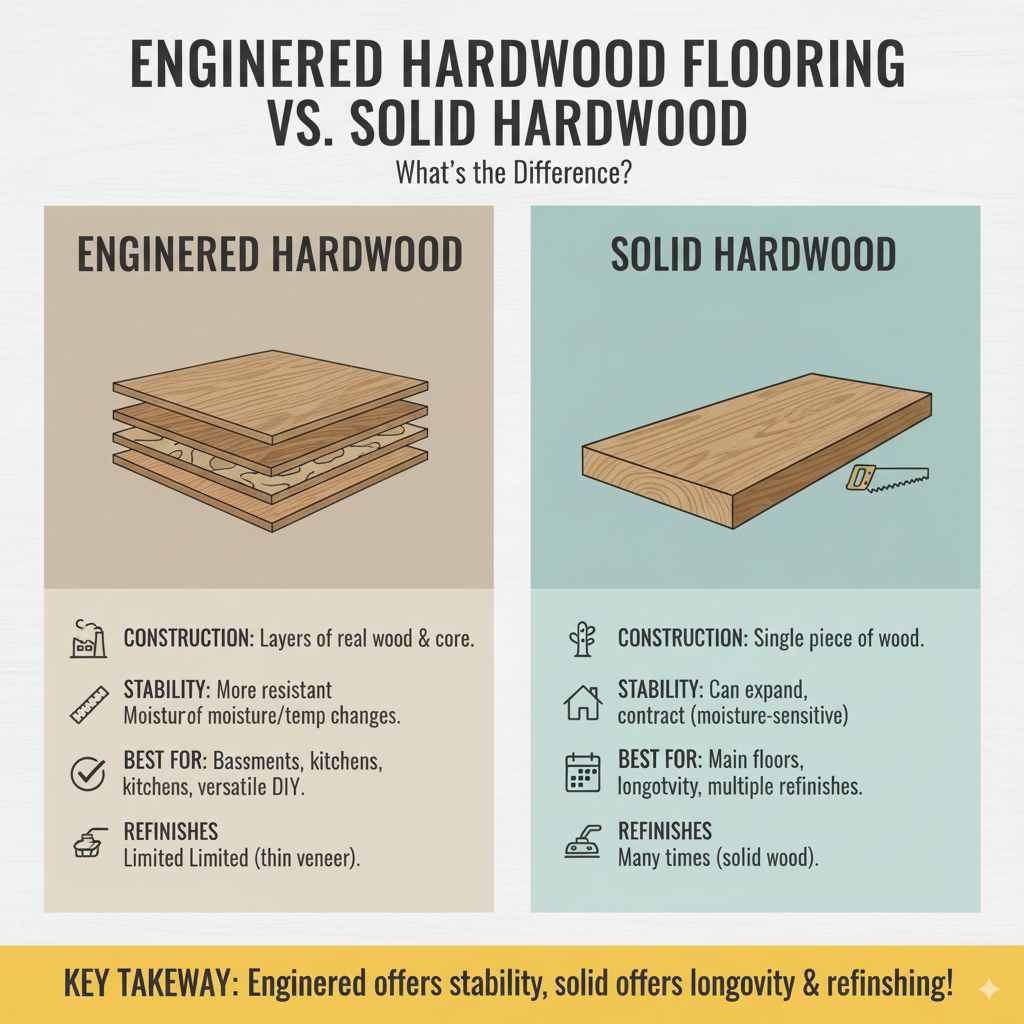
Engineered Hardwood Flooring vs. Solid Hardwood: What’s the Difference?
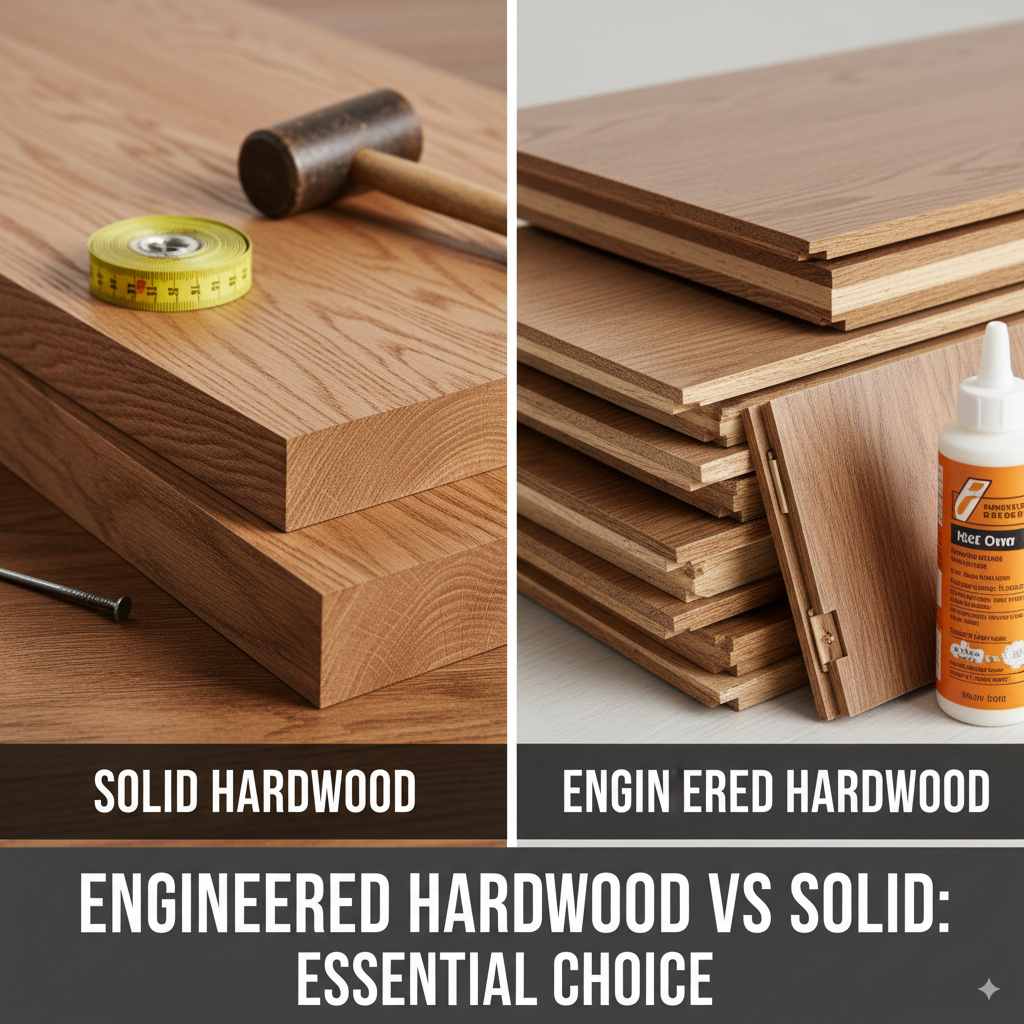
At first glance, engineered hardwood and solid hardwood floors look almost identical. They both usually have a real wood veneer on top. The real difference lies in their construction. Think of it like layers versus a single piece.
What is Engineered Hardwood Flooring?
Imagine a sandwich for your floor! Engineered hardwood is made by layering different materials together. It starts with a core of plywood or high-density fiberboard (HDF). Glued on top of this core is a thin veneer of real hardwood, like oak, maple, or walnut. This top layer is what you see and walk on.
Because of its layered construction, engineered hardwood is more stable and less likely to expand or contract with changes in temperature and humidity compared to solid hardwood. This makes it a fantastic choice for many areas of your home.
What is Solid Hardwood Flooring?
Solid hardwood flooring is exactly what it sounds like: it’s made from a single piece of wood. Each plank is milled from one solid slab of lumber. This is the traditional flooring choice that has graced homes for centuries.
The beauty of solid hardwood is its authentic, natural look and feel. Because it’s solid wood all the way through, it can be sanded down and refinished multiple times over its lifespan. This means you can restore its beauty if it gets scratched or worn.
Key Differences at a Glance
Let’s break down the main distinctions in a simple table. This will give you a quick overview of how they stack up against each other.
| Feature | Engineered Hardwood | Solid Hardwood |
|---|---|---|
| Construction | Layered: Real wood veneer over plywood or HDF core | Single piece of solid wood |
| Stability | Highly stable; resistant to moisture and temperature changes | Less stable; prone to expansion/contraction with humidity |
| Installation | Versatile; can be installed on any level, including basements and over concrete | Best installed on a wooden subfloor; sensitive to moisture |
| Refinishing | Can be refinished 1-3 times, depending on veneer thickness | Can be refinished many times throughout its life |
| Cost (Typical) | Generally more affordable than solid hardwood | Generally more expensive than engineered hardwood |
| Durability | Durable surface; core offers stability | Very durable surface; susceptible to dents/scratches if not cared for |
| Appearance | Real wood look; available in many styles and finishes | Authentic, natural wood beauty; classic appeal |
Pros and Cons: Engineered vs. Solid Hardwood
Every flooring option has its good points and its drawbacks. Understanding these will help you weigh which one is the best fit for your home and your busy life.
Engineered Hardwood: The Good and the Not-So-Good
Pros:
- Excellent Stability: Its layered design makes it much less likely to warp, cup, or crack due to changes in humidity or temperature. This is a huge advantage in many homes.
- Versatile Installation: You can install engineered hardwood on almost any level of your home, including areas prone to moisture like basements or even over concrete subfloors. Many types can also be installed as a floating floor.
- Wider Plank Options: The stability of engineered wood allows for wider planks, which can give a more modern and spacious look to a room.
- Cost-Effective: Generally, engineered hardwood is more affordable than solid hardwood, offering a way to get that real wood look without breaking the bank.
- Eco-Friendly Options: Some engineered products use less premium wood in their construction, making them a more sustainable choice for some consumers.
Cons:
- Limited Refinishing: The thin top layer of real wood means you can only sand and refinish engineered hardwood a limited number of times (usually 1-3, depending on veneer thickness). If the veneer is too thin, it might not be possible to refinish at all.
- Top Layer Matters: If the veneer is very thin, deep scratches or gouges might go through to the core layer, making repairs more difficult than with solid wood.
Solid Hardwood: The Beauty and the Challenges
Pros:
- Timeless Beauty and Value: Solid hardwood is a classic choice that adds significant value and aesthetic appeal to any home. It has a natural warmth and character that is hard to replicate.
- Multiple Refinishing Opportunities: As mentioned, solid hardwood can be sanded and refinished many times. This means you can refresh its look, repair scratches, and extend its life for generations.
- Authentic Feel: There’s a unique, solid feel underfoot that many people love about solid hardwood.
- Variety of Species and Styles: Available in a vast array of wood species, colors, and finishes to match any décor.
Cons:
- Susceptible to Moisture: Solid wood is a natural material that will expand and contract with changes in humidity. This can lead to warping, cupping, or gaps between planks. It’s generally not recommended for basements or bathrooms.
- Installation Limitations: Usually requires installation over a wooden subfloor using nails or staples. It’s not ideal for installation directly over concrete or in very humid environments.
- Higher Cost: Solid hardwood is typically more expensive upfront than engineered hardwood.
- Can Dent and Scratch: While durable, solid wood can be susceptible to dents and scratches from heavy furniture, pet claws, or dropped objects, especially softer wood species.
Where to Install Each Type of Flooring
The location where you want to install your new flooring is a critical factor in deciding between engineered and solid hardwood. Let’s look at some common areas:
Living Room and Bedrooms
These are generally the most stable environments in your home. Both engineered and solid hardwood can be excellent choices here. If budget is a major concern, engineered hardwood offers a great way to get that wood look. If you’re planning to stay in your home for a long time and want the option to completely refresh your floors down the road, solid hardwood is a fantastic long-term investment.
Kitchen
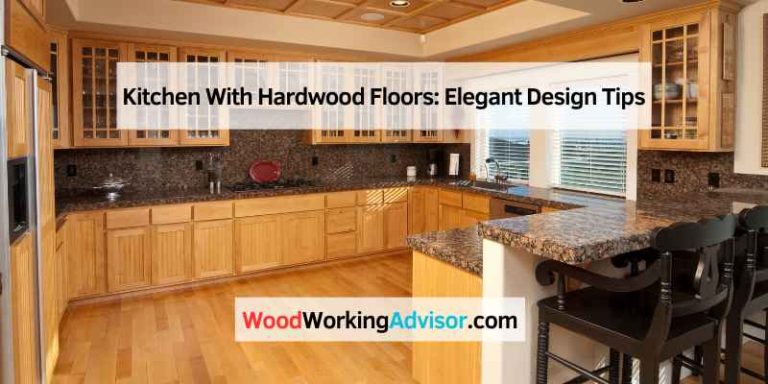
Kitchens can be tricky due to potential spills, drops, and humidity from cooking. Both types can work, but engineered hardwood often has an edge here. Its stability means it’s less likely to be affected by minor spills or changes in kitchen humidity. However, it’s still important to clean up spills promptly with both types of flooring.
For durability in high-traffic areas like kitchens, consider hardwood species known for their hardness, like oak or hickory. The Janka hardness scale can help you understand a wood’s resistance to denting and wear.
Basement
Basements are often prone to higher humidity levels and can be situated over concrete slabs. For this reason, engineered hardwood is almost always the preferred choice. Its stable, layered construction makes it much more resistant to moisture damage and warping than solid hardwood. Solid hardwood is generally not recommended for basement installations unless the homeowner takes extreme measures to control humidity.
Bathrooms and Laundry Rooms
These areas experience the highest levels of moisture. While some engineered hardwoods are marketed for these spaces, it’s still a risky choice for any real wood product. Water damage can cause swelling, buckling, and permanent warping. For bathrooms and laundry rooms, waterproof flooring options like luxury vinyl plank (LVP) or tile are usually safer and more practical choices.
Installation Methods: DIY vs. Professional
The way your new flooring is installed can impact its appearance, durability, and even your budget. Different types of engineered and solid hardwood floors are designed for different installation methods.
Floating Floors
Many engineered hardwood floors are designed to be installed as a “floating floor.” This means the planks are clicked, glued, or stapled together, but not directly attached to the subfloor. A layer of underlayment provides cushioning and a moisture barrier. This is often the most DIY-friendly method.
Key benefits:
- Quicker installation
- Less demanding on the subfloor
- Can be easier for DIYers
You can learn more about proper subfloor preparation from resources like Building Science Information, which emphasizes the importance of a stable foundation for any flooring project.
Nail-Down Installation
This is the traditional method for solid hardwood and some types of engineered hardwood. The planks are mechanically fastened through the tongue of the board into the subfloor using a specialized flooring nailer or staple gun. This creates a very secure and stable floor.
Key benefits:
- Extremely secure and stable
- Ideal for solid hardwood
- Can be used on multiple levels
Glue-Down Installation
Both engineered and solid hardwood can often be installed using a strong flooring adhesive. The planks are adhered directly to the subfloor. This method provides a very solid feel underfoot and can be a good option for certain subfloors, like concrete.
Key benefits:
- Creates a solid feel
- Good for concrete subfloors
- Can help reduce noise
Should You DIY or Hire a Pro?
For beginners, laying a floating engineered hardwood floor is often the most achievable DIY project. It requires careful measuring, cutting, and attention to detail but avoids the specialized tools and techniques needed for nail-down or glue-down installations.
However, if you’re installing solid hardwood, or if you want a nail-down or glue-down installation for engineered hardwood, hiring a professional installer is often the best route to ensure a beautiful, long-lasting result. Improper installation can lead to costly problems down the road.
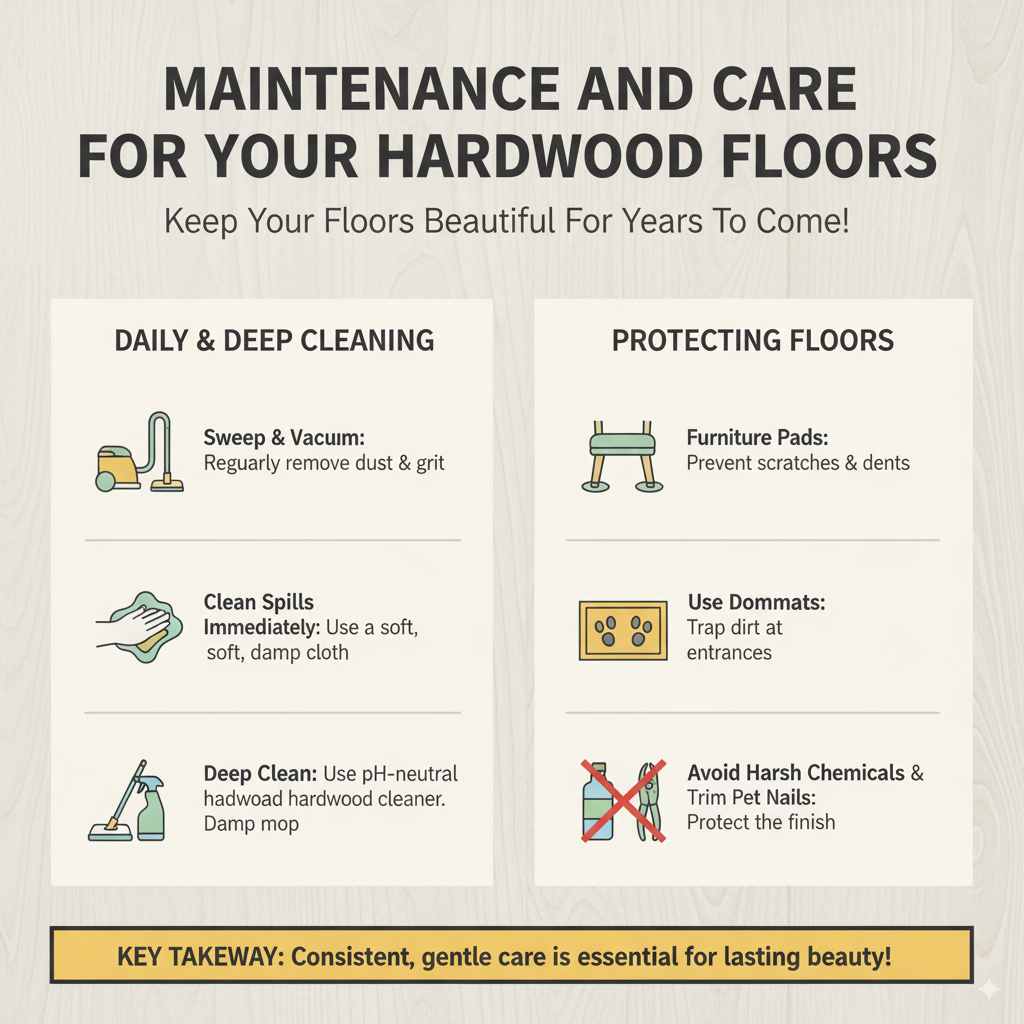
Maintenance and Care for Your Hardwood Floors
No matter which type of hardwood you choose, proper care will keep it looking its best for years to come. The good news is that maintaining both engineered and solid hardwood is generally quite similar.
Daily Cleaning
The most important thing is to keep your floors clean and dry. Sweep or vacuum regularly (using a hard floor attachment, not a beater bar) to remove dust, dirt, and grit that can scratch the surface. For spills, wipe them up immediately with a soft, damp cloth.
Deep Cleaning
When a deeper clean is needed, use a hardwood floor cleaner specifically designed for wood floors. Avoid using excessive water, as this can damage the wood. Always follow the product instructions and consider using a damp mop rather than a wet one. A slightly damp microfiber mop is usually perfect for this.
Protecting Your Floors
- Use furniture pads: Place felt pads on the legs of all furniture to prevent scratches.
- Use doormats: Place mats at all entrances to catch dirt and moisture before it reaches your floors.
- Avoid harsh chemicals: Never use ammonia-based cleaners, steam mops, or abrasive cleaners, as these can damage the finish.
- Manage pet nails: Keep pet nails trimmed to minimize scratches.
- Protect from direct sunlight: Prolonged exposure to direct sunlight can cause fading. Use curtains or blinds.
Frequently Asked Questions (FAQ)
Q1: Can I install engineered hardwood in my bathroom?
While some engineered hardwoods are more moisture-resistant than solid hardwood, they are still real wood products. Bathrooms experience high moisture levels that can lead to swelling, warping, and permanent damage. For bathrooms, it’s generally recommended to opt for waterproof materials like luxury vinyl plank (LVP) or tile.
Q2: How many times can I refinish engineered hardwood?
The number of times you can refinish engineered hardwood depends entirely on the thickness of the real wood veneer on top. A thicker veneer (3mm or more) might allow for 1-3 refinishing sessions. Thinner veneers may not be refinishable at all. Always check the manufacturer’s specifications.
Q3: Is solid hardwood more durable than engineered hardwood?
Both can be very durable. Solid hardwood, being solid wood all the way through, can be sanded down and restored many times, giving it a very long potential lifespan. Engineered hardwood’s durability comes from its stable construction and the quality of its wear layer. Deep scratches or gouges can be more problematic for engineered floors with thin veneers.
Q4: Which is better for a DIY installation: engineered or solid hardwood?
Engineered hardwood, especially types designed for floating installation, is generally much more DIY-friendly than solid hardwood. Solid hardwood typically requires specialized nailing tools and a precise subfloor. If you’re new to flooring, a floating engineered hardwood floor is a great starting point.
Q5: What’s the main advantage of engineered over solid hardwood?
The primary advantage of engineered hardwood is its superior stability. It’s much less susceptible to expansion and contraction from changes in humidity and temperature, making it suitable for more areas of the home (like basements and over concrete) and less prone to warping or gapping.
Q6: Can I install hardwood flooring over existing tile?
For engineered hardwood, yes, you can often install it over existing tile if the tile is on a solid subfloor and is level. It’s usually done as a floating floor. For solid hardwood, the existing tile would typically need to be removed to ensure proper nailing into a wooden subfloor.
Conclusion: Making Your Essential Choice
Deciding between engineered hardwood and solid hardwood ultimately comes down to balancing aesthetics, functionality, and your budget. As your woodworking mentor, I want to empower you to make an informed choice that you’ll be happy with for years to come.
If you’re looking for authentic, timeless beauty and plan to stay in your home for a long time, and your budget allows, solid hardwood is a fantastic, heirloom-quality investment that can be passed down through generations. Its ability to be refinished multiple times means it can always be brought back to its original glory.
However, for many modern homes and lifestyles, engineered hardwood offers a compelling combination of real wood appeal, enhanced stability, and greater installation flexibility. It’s an excellent choice for areas prone to humidity fluctuations, for those looking for a more budget-friendly option, or for DIYers seeking a more manageable installation project. Understanding its layered construction is key to appreciating its strengths.
Remember to consider the specific conditions of the room where you plan to install your flooring, your maintenance tolerance, and your long-term goals. Whichever path you choose, with a little research and careful planning, you can achieve a beautiful, durable, and satisfying hardwood floor for your home. Happy building!