Fixing Scratched Wood Floors: Ultimate Restoration Guide
Scratched wood floors can be a real eyesore, transforming your elegant living space into a source of frustration. You’ve invested time and money into creating a beautiful home, and those unsightly scratches are standing in the way of your perfection.
But don’t worry! There are straightforward solutions that can restore your floors to their original splendor. Imagine walking across your living room, your feet gliding over a smooth, flawless surface. Sounds wonderful, right? You deserve a home that reflects your pride and care.
In this guide, we’ll unravel the secrets to fixing scratched wood floors, helping you bring back their shine and elegance. Get ready to discover easy and effective strategies that will leave your floors looking brand new. Stay with us and say goodbye to those pesky scratches once and for all!
:strip_icc()/BHG-how-to-get-scratches-out-of-wood-floors-03-49486-1-1839929dd43143bba6af589be87fd535.jpg)
Credit: www.bhg.com
Identifying Scratches
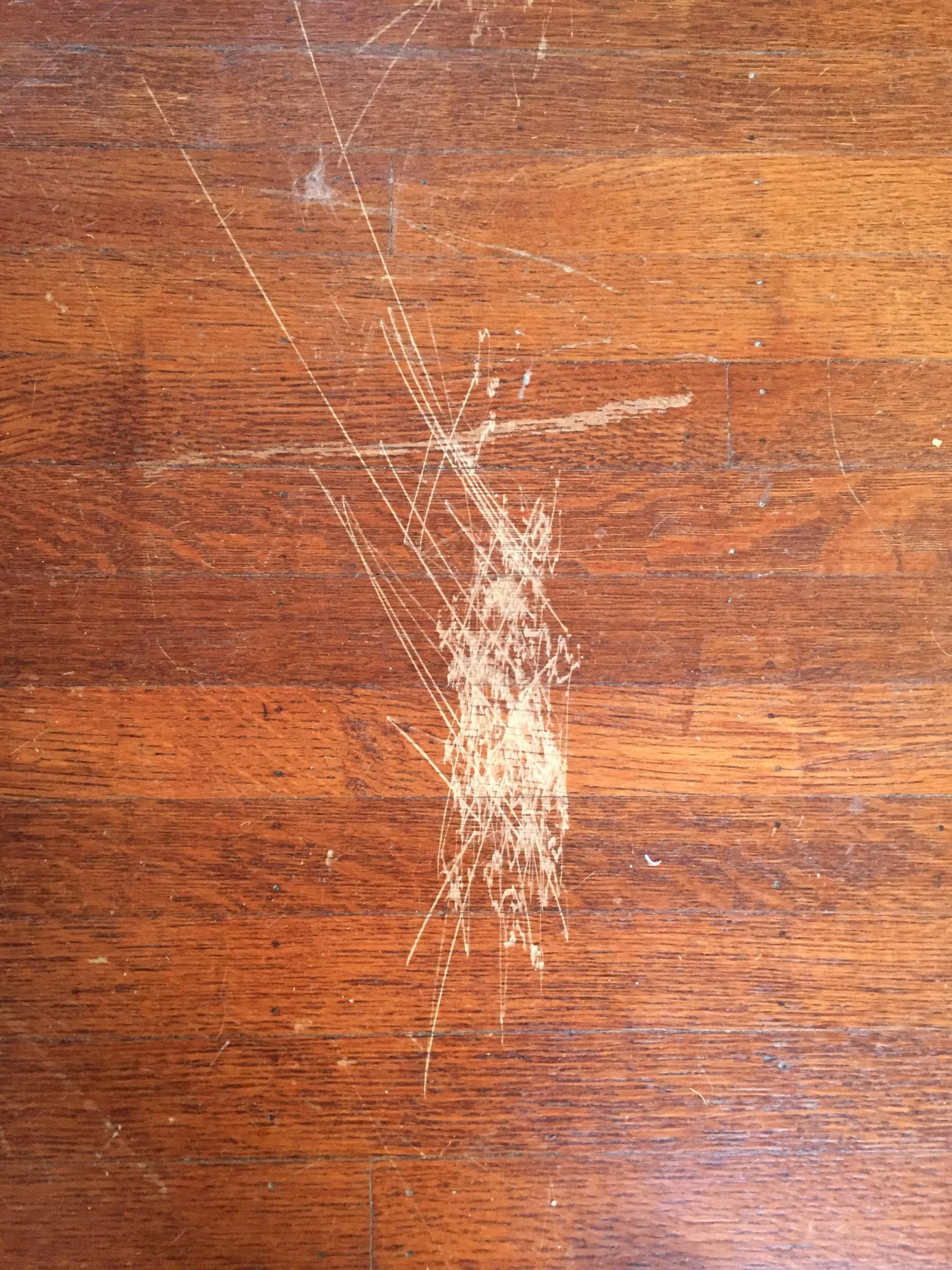
Spotting scratches on wood floors is crucial for maintaining their beauty. Scratches can range from surface-level to deep gouges. Identifying the type and severity helps choose the right repair method.
Types Of Scratches
Scratches on wood floors come in different forms. Light scratches are shallow and easy to fix. These are often surface marks. Deep scratches dig into the wood. These need more care to repair. Gouges are severe and can affect the look and feel of the floor. Understanding the type helps in choosing the right repair method.
Assessing Damage
Look closely at the floor. Light scratches often need simple treatments. Deep scratches require sanding or filling. Gouges might need professional help. It’s important to know the extent of damage. This ensures the right fix is applied. Sometimes, cleaning reveals more than expected. Always check the whole floor area. This helps in spotting all types of damage.
Preparation Steps
Collect all needed tools first. Sandpaper is essential for smoothing. A clean cloth helps in wiping dust. Get some wood filler to fill deep scratches. A putty knife is useful for applying filler. Don’t forget a vacuum to clean debris. Keep a stain or finish for touch-up ready.
Clear the floor of all furniture. Use a vacuum to remove dust. Ensure no dirt remains on the floor. Wipe the area with a damp cloth. Avoid using too much water. Dry it properly to prevent water damage. Inspect the floor for any overlooked dirt.
Filling Minor Scratches
Wood markers are like magic crayons for wood. Choose a color that matches your floor. Gently run the marker over the scratch. Make sure the scratch is fully covered. Wipe away any extra marker with a soft cloth. Let it dry for a few minutes. Now, the scratch should be less visible.
Wax sticks can fill scratches easily. First, clean the area around the scratch. Choose a wax stick that matches the wood color. Rub the wax stick over the scratch. Make sure it fills the scratch completely. Use a plastic card to smooth out the wax. Buff the area with a soft cloth. This should make the scratch hard to see.
Repairing Deep Scratches
First, clean the floor to remove dust. Use a fine-grit sandpaper to lightly sand the scratched area. Sand in the direction of the wood grain. This helps to smooth out the scratch. Be gentle to avoid more damage. Wipe away the dust with a damp cloth. Let it dry completely. Repeat if the scratch is still visible. Sand again until the scratch fades.
Choose a wood filler that matches your floor color. Use a small putty knife to apply the filler. Press it into the scratch. Smooth it out evenly. Let the filler dry as per instructions. Once dry, gently sand the area to make it smooth. Wipe the dust off. Use a matching wood finish to seal it. Let the finish dry completely. Your floor will look much better.
Refinishing The Surface
Picking the correct finish is crucial. Oil-based finishes are long-lasting. They give floors a warm, rich color. Water-based finishes dry faster. They don’t change the wood color much. Wax finishes offer a soft shine. They’re easy to apply. Polyurethane finishes are tough. They resist scratches well. Consider your home’s needs. Choose wisely for the best results.
Applying finishes needs care. Brushes are good for small areas. Rollers cover large spaces quickly. Spray guns offer even coating. They save time. Each tool needs skill. Practice makes perfect. Start with clean floors. Apply in thin layers. Let each layer dry completely. This ensures a smooth finish.
Credit: www.reddit.com
Maintaining Restored Floors
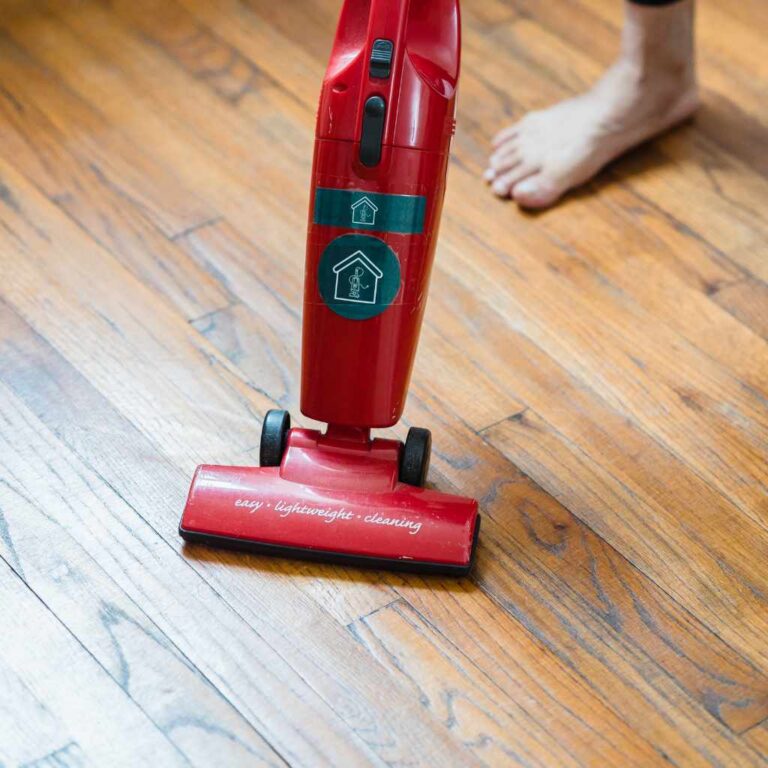
Clean floors gently. Use a soft broom. Dust often. Vacuum weekly. Avoid harsh chemicals. Use mild soap and water. Dry spills quickly. Water can damage wood. Polish floors monthly. Use a soft cloth. Keep floors shiny. Avoid dragging furniture.
Place rugs at entryways. Protect floor from dirt. Use felt pads under furniture. Prevent scratches. Trim pet nails. Avoid sharp objects. Wipe shoes before entering. Keep floors clean. Avoid high heels on floors. These can scratch. Humidity matters. Use a humidifier. Prevent floor damage.
Professional Help
Expert assistance can restore scratched wood floors to their original beauty. Professionals use specialized tools and techniques for lasting results. Enjoy a smooth, polished surface without the hassle of DIY attempts.
When To Call A Professional
Some scratches are too deep to fix alone. Deep gouges need expert tools and skills. Professionals have special products for tough repairs. They can make floors look new again. If scratches cover a large area, call an expert. They have the right equipment to smooth and refinish floors. A professional job can increase home value. Expert helpsaves time and effort. It ensures the best results.
Cost Considerations
Professional services can be costly. Prices vary based on damage size and floor type. It is wise to get multiple quotes before deciding. Compare costs and services offered. Some professionals charge per square foot. Others may have fixed rates for small jobs. Check if the price includes materials and labor. Budget planningis important for big repairs. Quality work often pays off in the long run.

Credit: www.wikihow.com
Frequently Asked Questions
How To Fix Light Scratches On Wood Floors?
To fix light scratches, clean the area first. Use a wood floor cleaner for this purpose. After cleaning, apply a wood floor polish or wax. Buff the area gently using a soft cloth. This will help restore the floor’s shine and reduce the appearance of scratches.
Can I Use Vinegar For Wood Floor Scratches?
Yes, you can use vinegar for minor scratches. Mix equal parts of vinegar and olive oil. Apply the mixture to the scratched area. Let it sit for a few minutes, then buff gently. This method helps reduce scratch visibility and adds shine to the floor.
What Home Remedies Fix Wood Floor Scratches?
Several home remedies can fix scratches on wood floors. Use walnut meat to rub over scratches. A mixture of vinegar and olive oil can also help. Tea bags or coffee grounds can hide scratches in dark wood. Always test remedies on small areas first.
Are Wood Floor Repair Kits Effective?
Yes, wood floor repair kits are effective for scratches. They often include wax sticks or markers. These tools match various wood colors. They are easy to use and offer quick fixes. Follow the instructions for best results. This option is ideal for deep scratches.
Conclusion
Scratched wood floors can be frustrating. But solutions exist. Simple fixes work wonders. You can restore the beauty of your floors. Use easy DIY methods for minor scratches. For deep gouges, seek professional help. Regular maintenance keeps floors looking new.
A well-cared floor adds value to your home. Enjoy smooth, scratch-free surfaces. Protect your investment with simple steps. Wood floors deserve attention and care. Show them love and they last longer. Follow these tips for lasting elegance. Your floors will thank you.
Keep them shining bright.