What’s the Best Way to Clean Dirty Wood Floors?
The best way to clean dirty wood floors is to sweep away loose grit first, then damp-mop with a pH-neutral, wax-free cleaner — never vinegar or a steam mop, which etch the finish and force moisture into the seams. Skipping the dry step is why floors still look dull after mopping; grit under a wet mop head acts like sandpaper. This guide covers finish-safe cleaning ratios, stain-specific fixes for grease, wax, and pet stains, and the tools worth buying.
What You’ll Need
Best Wood Floor Cleaner Pick
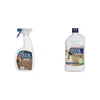
Bona Hardwood Floor Cleaner Spray – 32 fl oz
A pH-neutral, no-rinse spray built for sealed hardwood — the cleaner we reach for on every damp-mop pass in this guide.
- Best for: Everyday damp-mopping on sealed hardwood, engineered wood, and laminate without dulling the finish
- Why we picked it: pH-neutral and wax-free, so it won’t leave the streaky buildup that makes floors look dirty again within days
- Main drawback: The spray bottle empties fast on larger rooms; buy two if you have more than a small kitchen
Compare more wood floor cleaning options
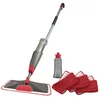 Option 1 Rubbermaid Reveal Spray Mop Kit
|
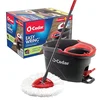 Option 2 O-Cedar EasyWring Spin Mop & Bucket
|
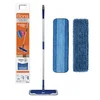 Option 3 Bona Premium Sweep & Clean Mop
|
As an Amazon Associate we earn from qualifying purchases.
Before you start, gather these — most of it is already under the sink:
- A soft-bristle broom, dust mop, or vacuum with a bare-floor setting (never the beater bar)
- A microfiber flat mop or spray mop — not a string mop, which holds too much water
- A pH-neutral wood floor cleaner, or the ingredients for a DIY solution (see the table below)
- Two microfiber cloths — one for rinsing, one for drying
- A soft-bristle brush for grout lines or deep grain (skip anything with metal or hard plastic bristles)
Step 1: Figure Out What Finish Your Floor Has
The cleaning method that works depends entirely on the finish, and using the wrong one is the single biggest reason floors get damaged instead of clean.
- Water-bead test: Drop a few drops of water on the floor. If it beads up for a few minutes, you have a surface finish (polyurethane, urethane, or varnish) — the most common type in homes built or refinished after the 1970s.
- Absorbs quickly: If the water soaks in within a minute, you likely have a penetrating oil or wax finish, common in older homes and some solid-hardwood refinishes.
- Sheen check: High-gloss or satin sheen almost always means surface finish. A low, matte look that shows the wood grain more than the shine points to oil or wax.
Surface-finished floors (the majority) can handle a damp mop with the right cleaner. Oil or wax finishes need products made for that finish specifically — a standard hardwood cleaner can strip the wax and leave patchy, dull spots. If you’re not sure which you have, our wood care and maintenance guide has a longer breakdown by flooring type.
Daily and Weekly Maintenance (What Actually Keeps Floors From Getting Dirty)
Most of what makes a wood floor look “dirty” is loose grit grinding into the finish before it ever gets mopped. Dry-mop, sweep, or vacuum on the hard-floor setting every 2–3 days in high-traffic rooms, weekly everywhere else. This one habit prevents more scratching than any cleaner can fix afterward.
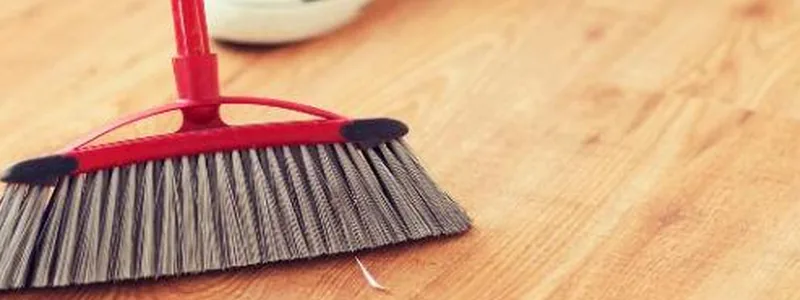
Wipe up spills the moment you see them — standing liquid is what pushes moisture into the seams between boards and causes cupping or graying over time. For floors that see pets or kids, a same-day wipe with a barely damp cloth beats a weekly deep clean every time.
How to Deep Clean Really Dirty Wood Floors (Step-by-Step)
This is the process for floors that need more than a quick pass — visible grime, dull patches, or a floor that hasn’t been deep-cleaned in months.
- Do a full dry pass: Vacuum on the hard-floor setting (beater bar off) or dust-mop the entire room. Any grit left behind will scratch the finish once the mop is wet.
- Spot-test your cleaner: Apply a small amount in a closet corner or under a rug, wait 2–3 minutes, and check for discoloration before using it on the whole floor.
- Mix your solution: Use the ratio table below, matched to your floor’s finish from Step 1.
- Mop in 3-foot sections: Work in the direction of the wood grain. Wring the mop until it’s damp, not dripping — you should not see standing liquid on the floor at any point.
- Rinse and dry as you go: Go back over each section with a mop wrung out in clean water, then dry immediately with a microfiber towel so no moisture sits in the seams.
- Buff stubborn dull spots: A dry microfiber cloth worked over matte, hazy patches after the floor is fully dry often restores sheen without any extra product.
Cleaning Solution Ratios, Compared
| Solution | Ratio | Safe on Finish? | Dry Time |
|---|---|---|---|
| Mild dish soap + water | ¼ cup soap per 1 gal warm water | Yes — surface finish only | 10–15 min |
| Isopropyl alcohol + water | 1 cup 70% isopropyl per 1 gal water | Yes — most sealed finishes | 5–10 min (fastest) |
| pH-neutral commercial cleaner | Per label, usually no dilution | Yes — all finish types | 5–15 min |
| White vinegar + water | Avoid on finished wood | No — dulls polyurethane, breaks down wax over time | — |
For the full walkthrough on floors that need extra care around edges and trim, see our complete deep-clean guide for hardwood floors. If your floor has a polyurethane topcoat specifically, our polyurethane floor cleaning guide covers the exact products that won’t haze that finish.
Removing Specific Stains and Stuck-On Grime
General mopping won’t touch these — each needs a targeted approach.
- Dried food or sticky spots: Lay a damp cloth over the spot for a few minutes to soften it, then scrape gently with a plastic putty knife held flat — never a metal scraper, which will gouge the finish.
- Grease or oil stains: Mix 2 tablespoons of trisodium phosphate (TSP) into 1 gallon of warm water, apply with a cloth, then rinse thoroughly. TSP cuts grease that soap alone won’t touch.
- Wax or gum: Hold an ice cube in a plastic bag against the spot until it hardens, then gently pop it off with a plastic scraper. Heat makes wax spread; cold makes it brittle and easy to lift.
- Ink, water rings, or pet stains: Rub gently with a cloth dampened in the isopropyl alcohol solution from the table above, working from the outside of the stain inward so it doesn’t spread.
- Scuff marks: Rub with a clean tennis ball on the end of a broom handle — it removes rubber scuffs without scratching the finish the way an abrasive pad would.
Mistakes That Make Wood Floors Look Worse
- Using a steam mop. Steam forces moisture directly into the seams between boards, which causes cupping and can void a manufacturer’s warranty outright.
- Soaking the mop instead of wringing it. Standing water is the fastest way to warp boards or cloud a finish from underneath.
- Cleaning with vinegar or ammonia-based glass cleaner. Both are acidic or alkaline enough to slowly dull polyurethane and break down wax finishes with repeated use.
- Skipping the dry sweep before mopping. This is the single most common reason floors look streaky or dull right after cleaning — you’re just dragging grit around in a wet slurry.
- Waxing over a polyurethane finish. Wax doesn’t bond to polyurethane; it sits on top as a hazy film that’s difficult to strip back off.
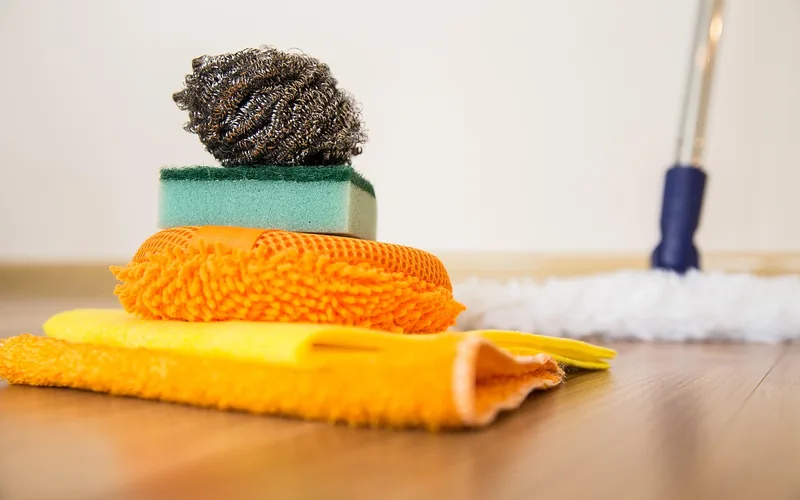
- Scrubbing with steel wool or an abrasive pad. Both leave fine scratches that catch dirt and make the floor look dirty again faster than before.
In 12+ years of working on wood floors, the mistake I see most often is someone reaching for vinegar because they read it’s “natural.” On a polyurethane-finished floor, that acid works like a very slow paint stripper — you won’t see the damage for months, but the finish dulls unevenly wherever the solution sat longest.
— Md Meraj, Woodworking Advisor
Frequently Asked Questions
Why are my wood floors still dirty after mopping?
Usually it’s a residue problem, not a dirt problem. Wax-based or oil-soap cleaners leave a thin film that grabs new dust within a day or two, making the floor look dirty again almost immediately. Switch to a pH-neutral, no-residue cleaner and rinse with a second pass of clean water.
Can I use vinegar to clean wood floors?
Not on a finished or sealed floor. Vinegar’s acid slowly breaks down polyurethane and other surface finishes with repeated use, leaving a dull, cloudy look over time. It’s only appropriate, heavily diluted, on unsealed or oiled wood — and even then, a pH-neutral cleaner is the safer choice.
How do I get ground-in dirt out of hardwood floors?
Ground-in grime sitting in the wood grain usually needs the isopropyl alcohol solution (1 cup 70% isopropyl per gallon of water) worked in with a soft microfiber pad, followed immediately by a clean-water rinse pass so no alcohol residue is left behind.
Can you use a steam mop on wood floors?
No. Steam forces moisture into the seams between boards, which causes cupping, warping, and finish damage that isn’t always visible right away. Most hardwood manufacturers explicitly exclude steam-mop damage from their warranties.
How often should I deep clean wood floors?
Damp-mop high-traffic areas one to two times a month, and do a full deep clean of the entire floor every one to two months — more often in homes with pets or kids. Daily dry-sweeping in between is what actually keeps that schedule realistic.
For ongoing care beyond cleaning — humidity control, scratch repair, and refinishing timelines — see the full wood care and maintenance guide, or browse our broom picks for hardwood floors if daily dry-sweeping is the step you keep skipping.
Conclusion
Identify your floor’s finish, dry-sweep before every mop, and stick to a pH-neutral cleaner wrung out to damp — that combination fixes dirty wood floors more reliably than any single product. Save the deep-clean steps and stain fixes above for the floors that need them, and lean on daily dry maintenance to keep from needing them as often.
Sponsored / affiliate links. As an Amazon Associate I earn from qualifying purchases. I may earn additional commission from eligible campaigns.