Are Steam Mops Safe for Hardwood Floors? Why Experts Say No
Steam mops are not safe for hardwood floors – the National Wood Flooring Association (NWFA) and World Floor Covering Association both warn that 212°F steam vapor breaks down polyurethane finish and drives moisture into the wood grain, even on floors marketed as “sealed.” One pass can cause cupping, a cloudy white finish, or warped boards that cost hundreds of dollars to refinish.
This guide covers exactly why steam damages hardwood, the NWFA-approved cleaning methods that actually work, and which tools are safe to reach for instead.
Why Steam Mops Damage Hardwood Floors
Best NWFA-Safe Mop Pick
 |
Bona Hardwood Floor Premium Spray Mop – $41.97 A pH-neutral, quick-dry spray mop built specifically for polyurethane-finished hardwood – the microfiber pad and metered spray avoid the pooled water and heat that make steam mops risky on wood.
|
A steam mop forces water vapor out at roughly 212°F (100°C). Wood is hygroscopic – it absorbs moisture from the air and its surroundings – so that concentrated heat and humidity gets driven straight through hairline gaps in the finish and into the wood fibers below. Once moisture is inside the board, it can’t evaporate as fast as it went in.
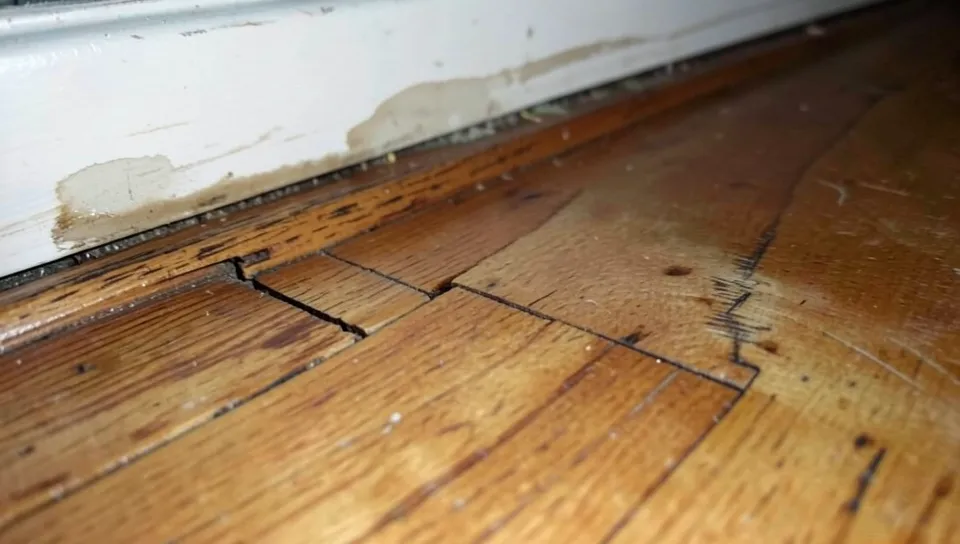
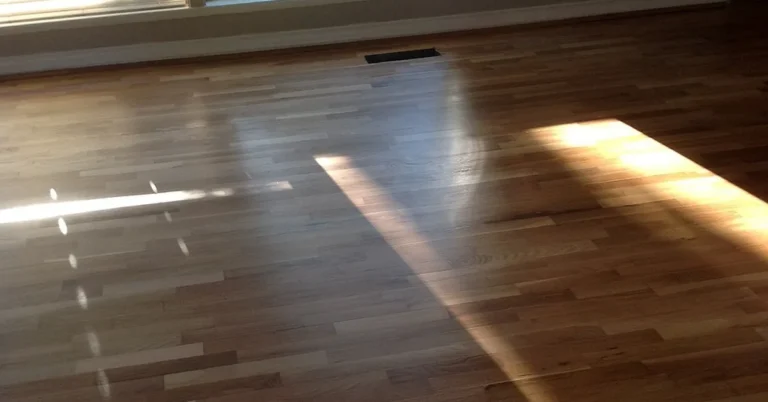
The result shows up in three ways: the finish clouds or turns white as moisture gets trapped under the topcoat, the board edges cup upward as the top of the board swells faster than the bottom, and in severe or repeated cases, boards separate at the seams. Shine and gloss take the first hit; structural cupping follows with repeated use.
📊 The NWFA lists steam cleaners among the cleaning methods that void most manufacturer finish warranties on solid and engineered hardwood. — Source: National Wood Flooring Association
NWFA-Approved Ways to Clean Hardwood Instead
Skip steam entirely and follow the same maintenance order the NWFA recommends to flooring installers:
- Dry sweep or dust daily: remove grit before it gets ground into the finish underfoot.
- Vacuum weekly with a bare-floor or soft-brush head: a beater-bar vacuum head made for carpet can scratch a wood finish.
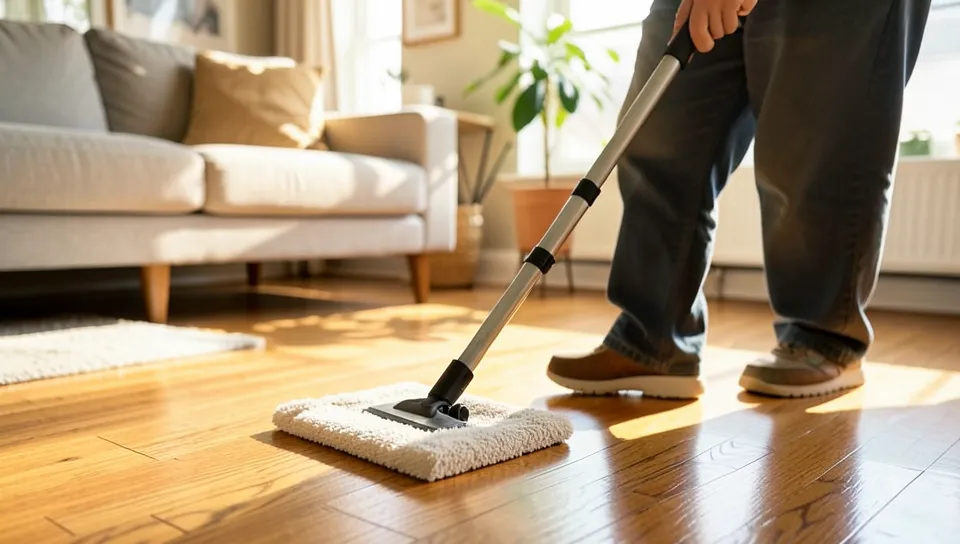
- Damp-mop only, never wet-mop: use a well-wrung microfiber mop with a pH-neutral hardwood cleaner, then let the floor air-dry within a couple of minutes.
- Wipe spills immediately: standing liquid is the other major cause of cupping besides steam.
- Re-coat or refinish on the manufacturer’s schedule: a fresh topcoat is what actually keeps moisture out – not the cleaning method.
Steam Mops vs. Traditional Mopping: What Actually Works
Steam mops win on sanitizing power for tile and sealed concrete, where standing moisture isn’t absorbed into the substrate. On hardwood, that same feature becomes the liability – the wood has nowhere to send the extra moisture except into itself.
| Method | Effect on Hardwood Finish | Best For |
|---|---|---|
| Steam mop | Forces moisture through the finish; can cup or cloud boards | Tile, sealed concrete – not hardwood |
| Well-wrung damp microfiber mop | Minimal moisture contact, evaporates in minutes | Weekly hardwood maintenance |
| Dry microfiber or dust mop | No moisture risk at all | Daily grit and dust removal |
| pH-neutral spray mop system | Metered spray keeps water volume low | Sealed hardwood needing a deeper clean |
Already Used a Steam Mop on Your Floor? Do This Next
If you already ran a steam mop over hardwood once, don’t panic – a single short pass rarely causes lasting damage. Open a window or run a fan over the area to speed evaporation, and avoid walking on it with wet socks or bare feet for a few hours. Check back in 48 hours: if the sheen looks uneven or slightly cloudy, that’s surface moisture trapped under the topcoat and it often clears on its own within a week. If a board visibly cups or the finish stays cloudy past a week, that’s moisture that reached the wood itself, and it needs a professional assessment before it spreads.
“The floors we see damaged worst aren’t from one bad afternoon with a steam mop – they’re from a weekly habit. By the time cupping is visible, the moisture cycle has usually repeated a dozen times.”
Building Your Full Wood Floor Care Routine
Steam-mop avoidance is one piece of a larger maintenance routine. See the full wood care and maintenance guide for humidity control, scratch prevention, and refinishing timelines, or the wood flooring guide for how different finishes (oil, wax, polyurethane) change what cleaning methods are safe.
Frequently Asked Questions
Should you use a steam mop on hardwood floors?
No. The NWFA and World Floor Covering Association both warn against it because the heat and moisture can break down the finish and warp the wood underneath, even on sealed floors.
Is steam mopping safe for engineered hardwood?
No, and the risk is often worse – engineered hardwood has a thinner real-wood wear layer over plywood, so trapped moisture reaches the glue lines and core faster than in solid hardwood.
Does using a steam mop void my flooring warranty?
Often, yes. Most hardwood finish warranties explicitly exclude steam cleaning as an approved maintenance method, so damage from a steam mop typically isn’t covered.
What’s the best way to clean hardwood floors?
Sweep or dry-mop daily, vacuum weekly with a bare-floor head, and damp-mop with a well-wrung microfiber mop and a pH-neutral hardwood cleaner only when needed.
When should you never use a steam mop?
Never use one on hardwood, laminate, or engineered wood floors of any finish type – the moisture risk applies whether the floor is glossy, matte, oiled, or waxed.
Conclusion
Steam mops trade short-term convenience for long-term finish and structural risk on hardwood. Stick to the NWFA’s own maintenance order – dry, vacuum, damp-mop with the right product – and your floor’s finish will outlast any steam mop’s warranty.
Sponsored / affiliate links. As an Amazon Associate I earn from qualifying purchases. I may earn additional commission from eligible campaigns.