Hardwood vs LVP Cost: Essential Price Guide
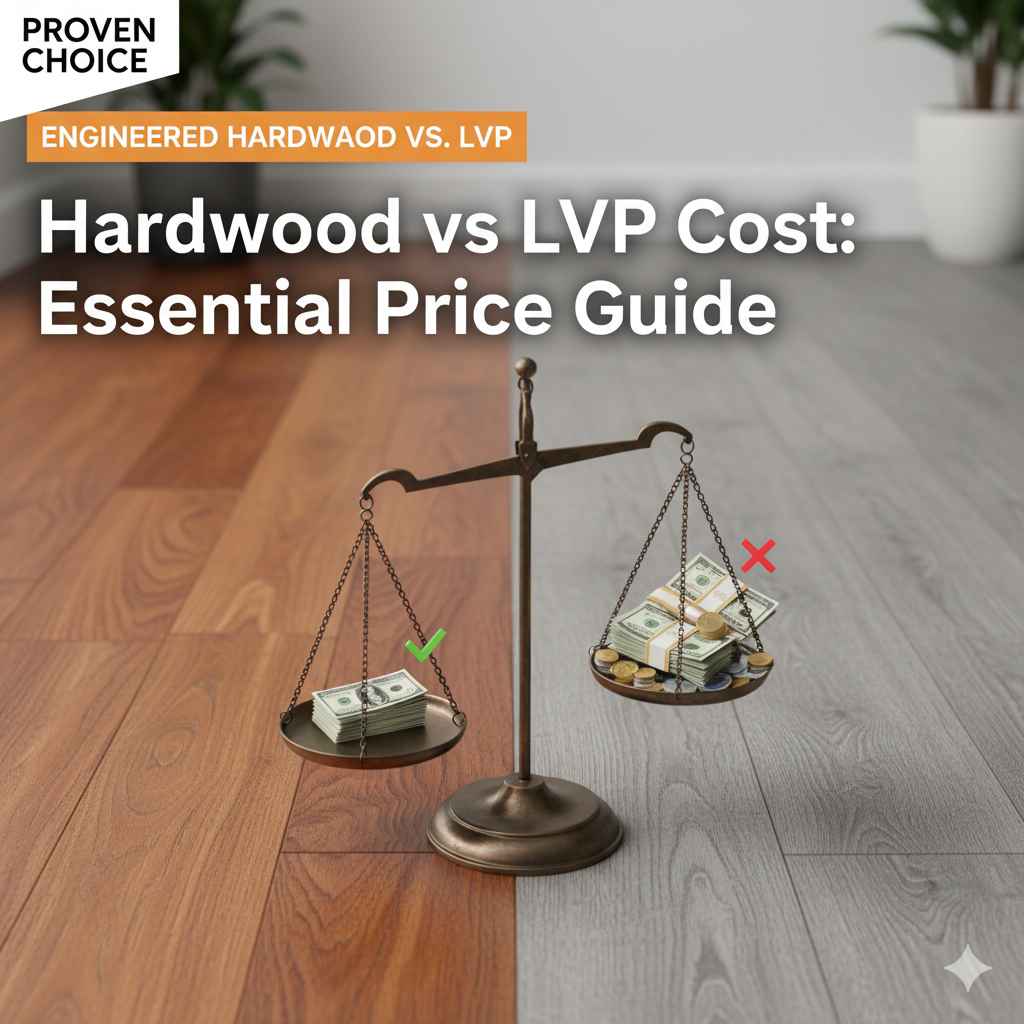
Choosing between hardwood and Luxury Vinyl Plank (LVP) flooring involves understanding their price points. Generally, hardwood is a more significant upfront investment, ranging from $6 to $12+ per square foot installed, while LVP is more budget-friendly, typically costing $2 to $8 per square foot installed. Your final choice depends on your budget, desired aesthetic, and long-term value.
Deciding on new flooring can feel like a big puzzle, especially when you’re looking at two very popular options: beautiful hardwood and durable Luxury Vinyl Plank (LVP). Many homeowners wonder, “Which one will be kinder to my wallet?” It’s a common question, and one that can leave you feeling a bit overwhelmed. But don’t worry! I’m here to break down the costs of hardwood and LVP in a way that’s easy to understand. We’ll look at not just the price tag, but also what you get for your money. Let’s get your floors looking fantastic without breaking the bank!
Understanding Flooring Costs: More Than Just the Material
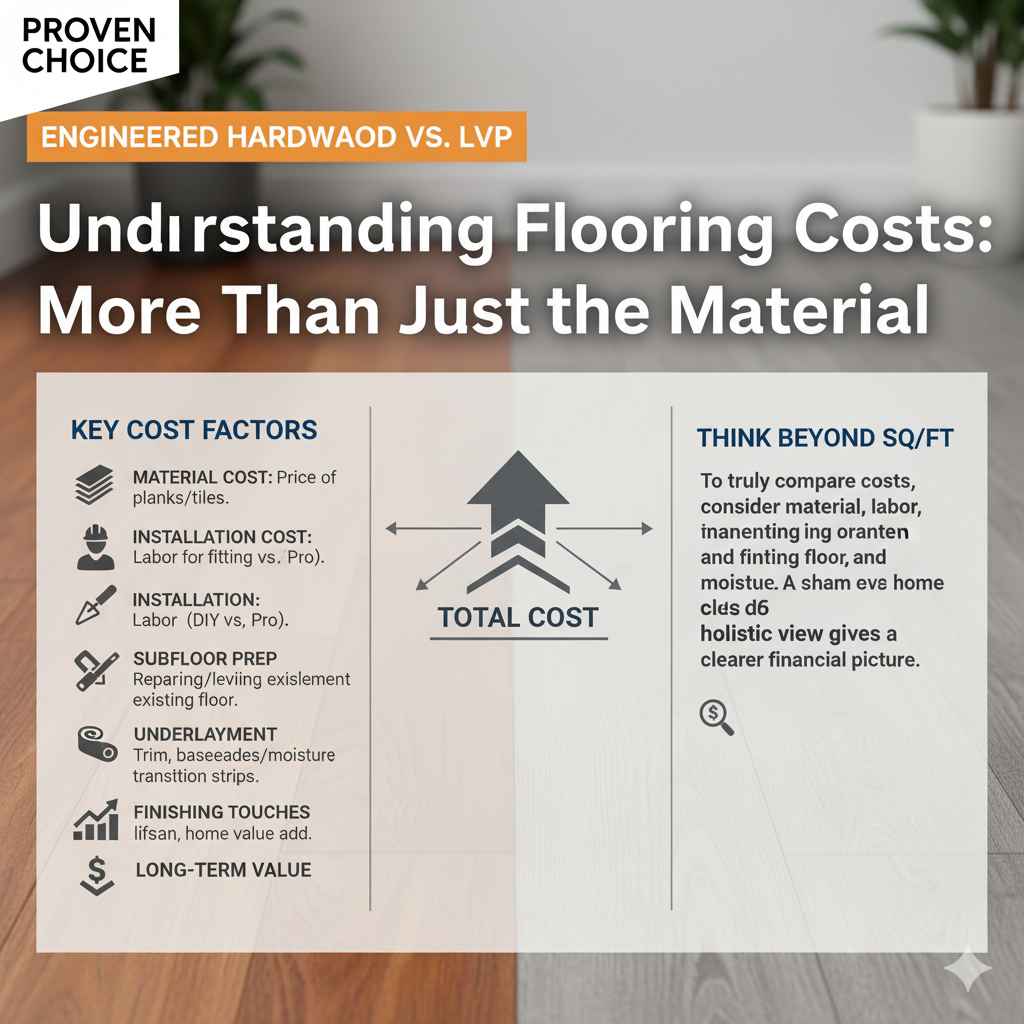
When we talk about the cost of flooring, it’s easy to just focus on the price per square foot of the material itself. But that’s only part of the story! To really compare hardwood vs LVP cost, we need to think about a few key things:
- Material Cost: This is the price of the actual flooring planks or tiles.
- Installation Cost: This covers the labor to put the new floor down. Sometimes, you can save money by doing this yourself (DIY), but professional installation is often recommended for a flawless finish.
- Subfloor Preparation: Your existing floor’s condition matters. You might need to repair or level the subfloor before new flooring can go down, which adds to the cost.
- Underlayment: Some flooring types require a special layer underneath for cushioning, sound dampening, or moisture protection.
- Finishing Touches: Don’t forget about things like trim, baseboards, and transition strips, which are necessary for a complete look.
- Long-Term Value: While the upfront cost is important, consider how long the flooring will last and if it adds value to your home.
By looking at all these factors, we get a much clearer picture of the true cost of upgrading your floors.
The Cost of Hardwood Flooring: Classic Beauty Comes at a Price
Hardwood floors have been a symbol of quality and elegance for generations. They bring a natural warmth and unique character to any home that’s hard to replicate. But this timeless appeal usually comes with a higher price tag.
Hardwood Material Costs
The price of hardwood planks can vary widely based on the type of wood, its grade, and the width of the planks. Here’s a general idea:
- Softwoods (like Pine): These are typically less expensive, ranging from $3 to $6 per square foot. They are easier to scratch, though, which is something to consider for busy homes.
- Hardwoods (like Oak, Maple, Walnut): These are the most common choices and usually cost between $5 to $12 per square foot. Oak is a popular, durable, and mid-range option.
- Exotic Hardwoods (like Teak, Brazilian Cherry): These can be significantly more expensive, starting at $8 and going up to $15 or even more per square foot.
- Engineered Hardwood: This option has a real wood veneer on top of layers of plywood. It’s often slightly less expensive than solid hardwood, typically $4 to $10 per square foot, and is more stable in areas with high humidity.
Hardwood Installation Costs
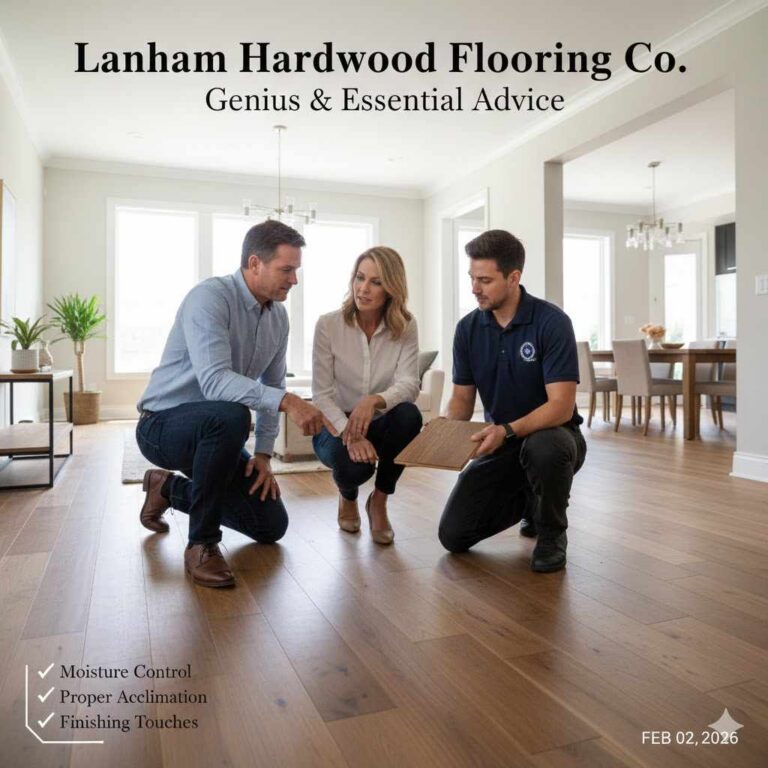
Installation is where the cost of hardwood can really add up. Professional installation is highly recommended to ensure the planks are laid correctly, acclimated properly, and finished beautifully. The cost for professional installation of hardwood floors typically ranges from $4 to $10 per square foot. This includes the labor, the use of specialized tools, and the time it takes for a seasoned professional to do the job right.
Factors Influencing Hardwood Cost
- Type of Wood: As mentioned, different species have different price points.
- Solid vs. Engineered: Solid hardwood is generally more expensive than engineered hardwood.
- Plank Width: Wider planks can sometimes cost more.
- Finish: Pre-finished floors tend to be more expensive upfront than unfinished floors that need to be sanded and finished on-site, but on-site finishing can be more labor-intensive.
- Installation Complexity: Intricate patterns or working around many obstacles will increase labor costs.
- Subfloor Condition: If your subfloor needs significant repair or leveling, expect additional costs.
For solid hardwood flooring, including materials and professional installation, homeowners can expect to spend anywhere from $9 to $22+ per square foot.
The Cost of Luxury Vinyl Plank (LVP) Flooring: Value and Versatility
Luxury Vinyl Plank (LVP) flooring has exploded in popularity, and for good reason! It offers a stunning aesthetic resemblance to natural materials like wood and stone, but with much greater durability and a more accessible price point. It’s a fantastic option for budget-conscious homeowners who don’t want to compromise on style.
LVP Material Costs
LVP is sold in planks or tiles and comes in a wide range of styles and quality levels. The price per square foot for LVP material typically falls between $2 and $7. High-end LVP with exceptional detail, thicker wear layers, and advanced waterproofing features will be at the higher end of this range.
- Basic LVP: You might find some simpler options for as low as $1 to $2 per square foot, but these often have thinner wear layers and less realistic designs.
- Mid-Range LVP: Most popular choices fall between $2.50 and $4.50 per square foot. This category offers a great balance of quality, durability, and visual appeal.
- Premium LVP: For the most realistic look, superior durability, and advanced features like embossing that mimics natural textures, expect to pay $4.50 and up, sometimes reaching $7 per square foot or more.
LVP Installation Costs
One of the biggest advantages of LVP is its installation flexibility, which can often lead to lower installation costs. Many LVP products feature a click-lock system, making them suitable for DIY installation. If you opt for professional installation:
- DIY Installation: If you’re comfortable with basic DIY tasks, you can save significantly on labor. The tools needed are usually quite basic (tape measure, utility knife, spacers, tapping block).
- Professional Installation: For LVP, professional installation typically ranges from $2 to $5 per square foot. This is considerably less than hardwood installation, especially for click-lock systems. Some LVP products can also be glued down, which might have a slightly different labor cost.
Factors Influencing LVP Cost
- Wear Layer Thickness: Look for a wear layer of at least 6 mil (0.15 mm) for light residential use, 12 mil (0.30 mm) for moderate to heavy residential use, and 20 mil (0.50 mm) or more for commercial settings. A thicker wear layer generally means a higher cost but better longevity.
- Core Construction: Options include standard vinyl, SPC (Stone Plastic Composite), and WPC (Wood Plastic Composite). SPC and WPC cores offer superior stability, water resistance, and durability, and are usually at the higher end of the LVP price spectrum.
- Waterproofing Features: Fully waterproof LVP, especially with features like cork backing for added sound and thermal insulation, will command a higher price.
- Embossing and Design Quality: Highly realistic textures and detailed prints cost more.
- Installation Method: Click-lock is often cheaper to install than glue-down, and DIY saves the most.
Including materials and professional installation, LVP flooring typically costs between $4 and $12 per square foot.
Hardwood vs. LVP Cost Comparison Table
To make things super clear, let’s put the typical costs side-by-side. Remember, these are estimates, and your actual costs may vary based on your location, the specific products you choose, and any unique challenges with your project.
| Flooring Type | Material Cost (per sq ft) | Installation Cost (per sq ft) | Total Estimated Cost (per sq ft, professionally installed) | Key Considerations |
|---|---|---|---|---|
| Solid Hardwood | $5 – $12+ | $4 – $10+ | $9 – $22+ | Timeless appeal, adds significant home value, requires careful maintenance, sensitive to moisture. |
| Engineered Hardwood | $4 – $10 | $4 – $8 | $8 – $18 | Real wood surface, more stable in varying humidity than solid hardwood, can be sanded and refinished (depending on veneer thickness). |
| Luxury Vinyl Plank (LVP) | $2 – $7 | $2 – $5 (can be DIY) | $4 – $12 | Highly durable, waterproof/water-resistant, budget-friendly, wide range of realistic styles, easier to maintain, can be DIY friendly. |
As you can see, LVP offers a more budget-friendly entry point. However, the significant long-term value, aesthetic appeal, and potential for increased home resale value often make premium hardwood a worthwhile investment for many homeowners.
DIY vs. Professional Installation: Boosting Your Savings
One of the simplest ways to control your flooring project’s cost is by tackling the installation yourself. This is where LVP often shines for DIY enthusiasts!
DIY Hardwood Installation
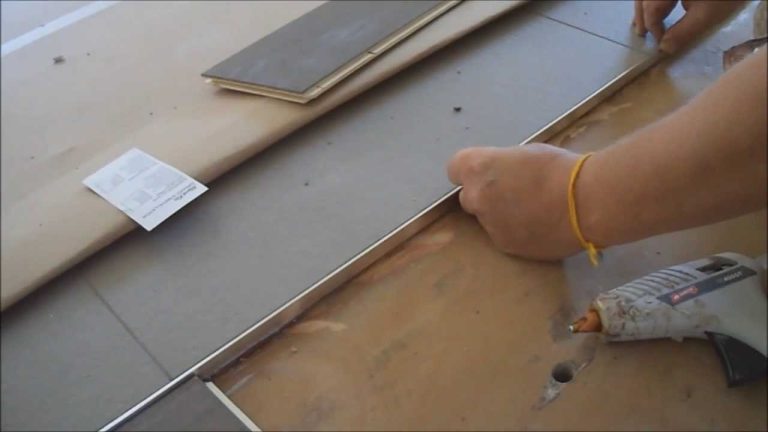
Installing solid hardwood flooring is a challenging project that requires specialized tools (like a flooring nailer), precision, and a good understanding of how wood behaves. It’s generally not recommended for beginners. If you choose to DIY, be prepared for a steep learning curve and potential for costly mistakes. The cost savings on labor might not be worth the risk for a beginner.
DIY LVP Installation
Many LVP products are designed with interlocking systems that allow for straightforward click-and-lock installation. This makes LVP an excellent candidate for DIY projects. You’ll need basic tools and careful measurement, but the process is much more forgiving than hardwood. For LVP, DIY installation can easily save you $2 to $5 per square foot in labor costs alone!
When to Hire a Professional
I always tell my beginner woodworkers, “Know your limits, but don’t be afraid to try!” For LVP, trying it yourself can be incredibly rewarding. But for hardwood, especially solid hardwood, I strongly suggest bringing in a pro. They have the experience to handle any tricky spots, like doorways or irregular room shapes, and ensure your beautiful wood floor is laid perfectly. A mistake with hardwood can be much more expensive to fix than with LVP.
– Md Meraj, Woodworking Mentor
Consider professional installation for:
- Hardwood Flooring: To ensure a perfect, long-lasting finish and avoid costly errors.
- Complex Layouts: Rooms with many angles, curves, or built-in features.
- Very High-End Materials: When precision is paramount to achieve the desired aesthetic with expensive wood or stone.
- If You Lack Time or Confidence: Sometimes, paying for installation is worth the peace of mind and saved time.
A good installer can also advise on subfloor preparation and ensure all materials meet manufacturer specifications, potentially safeguarding your warranty.
Hidden Costs and Long-Term Value
Beyond the initial price of materials and labor, always consider the hidden costs and the long-term value each flooring type offers.
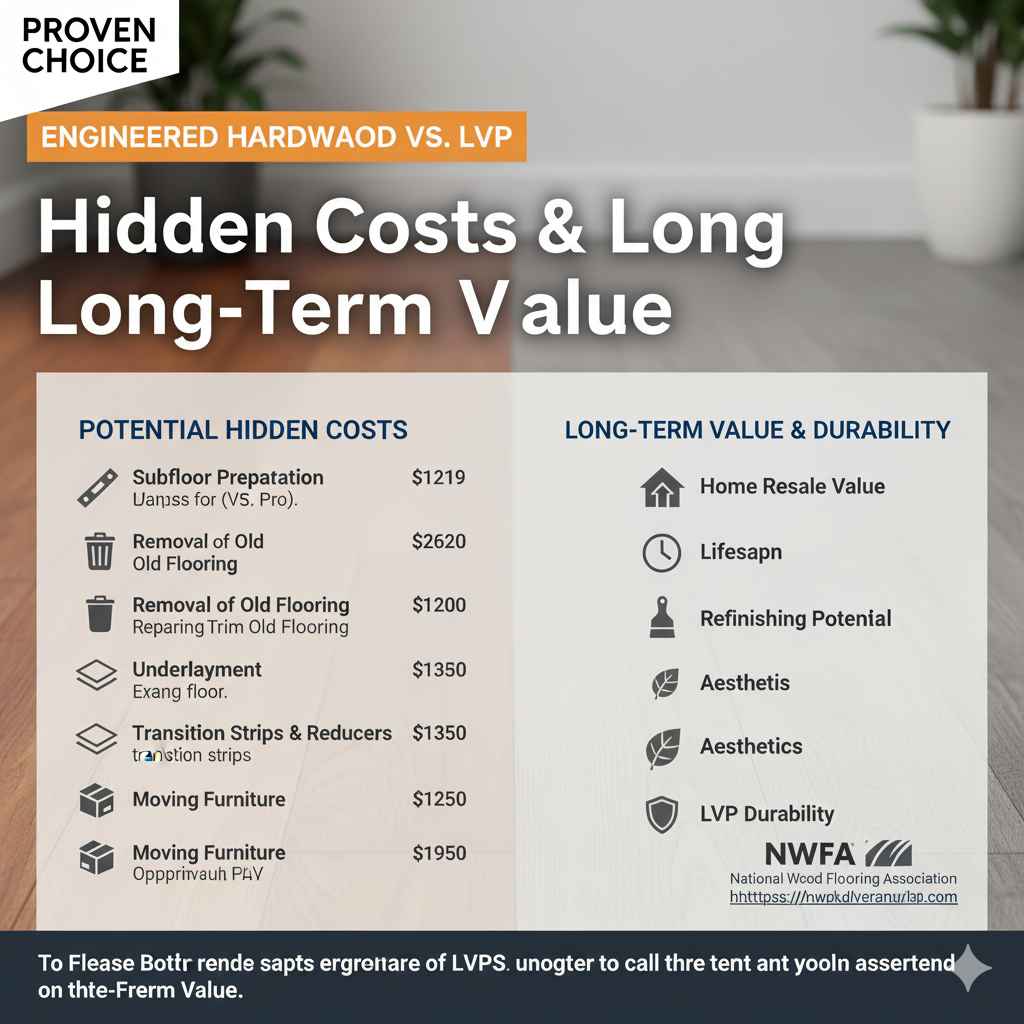
Potential Hidden Costs
- Subfloor Preparation: Uneven or damaged subfloors might require leveling, patching, or even replacement, adding $1-$5+ per square foot.
- Removal of Old Flooring: If you’re replacing existing carpet, tile, linoleum, or hardwood, factor in disposal fees, which can range from $0.50 to $2.00 per square foot.
- Underlayment: While some LVP has integrated underlayment, others, or certain hardwood installations, may require a separate underlayment layer ($0.20 – $1.00 per sq ft).
- Transition Strips and Reducers: You’ll need these to create smooth transitions between different flooring types or at doorways, costing roughly $20-$50 per strip depending on the material.
- Moving Furniture: If you can’t move heavy furniture yourself, hiring movers adds to the expense.
Long-Term Value and Durability
This is where the hardwood vs LVP cost discussion gets interesting. While LVP may have a lower upfront cost, hardwood offers unique long-term benefits:
- Home Resale Value: Hardwood floors are a significant selling point and can increase your home’s market value. Many buyers see them as a desirable upgrade.
- Lifespan: Solid hardwood floors can last for a century or more with proper care and occasional refinishing. Even engineered hardwood can be refinished once or twice.
- Refinishing Potential: The ability to sand down and refinish hardwood floors to remove scratches and wear means they can be renewed, extending their lifespan indefinitely.
- Aesthetics: The natural beauty, grain variations, and depth of real wood are often unmatched.
LVP is very durable and water-resistant, making it excellent for high-traffic areas and moisture-prone rooms like kitchens and bathrooms. However, LVP cannot be refinished. If it gets deeply scratched or damaged, individual planks usually need to be replaced. Its average lifespan is typically 10-25 years, depending on quality and wear.
The National Wood Flooring Association (NWFA) provides excellent resources on the lifecycle and value of wood flooring. You can explore their site for in-depth information on installation, maintenance, and the environmental impact of wood – all factors that contribute to its long-term value: National Wood Flooring Association.
Making the Right Choice for Your Budget and Lifestyle
So, how do you decide? It’s a balance of your budget, your lifestyle, and what you want from your floors.
When Hardwood Might Be Your Best Bet:
- You have a higher budget for upfront costs.
- You’re looking to maximize your home’s resale value.
- You prioritize natural beauty and timeless elegance.
- You’re willing to invest in proper maintenance to ensure longevity.
- You want a floor that can be renewed and last for generations.
When LVP Might Be Your Best Bet:
- You have a tighter budget and are looking for the best value for money.
- You need a highly durable and water-resistant flooring solution, especially for kitchens, bathrooms, or basements.
- You have pets or children and need something that can withstand spills and high traffic.
- You’re comfortable with DIY projects to save on installation costs.
- You want a wide variety of styles and quick installation.
Ultimately, both hardwood and LVP are excellent flooring choices that can transform your home. Understanding their cost breakdown, considering installation options, and evaluating their long-term value will empower you to make the best decision for your specific needs and financial plan.
Frequently Asked Questions (FAQ) About Hardwood vs. LVP Costs
Q1: Is hardwood flooring always more expensive than LVP?
Generally, yes, hardwood flooring has a higher upfront material and installation cost compared to most LVP options. However, very high-end, specialized LVP can sometimes approach the lower end of premium hardwood pricing.
Q2: Can LVP really look as good as hardwood?
Modern LVP technology has advanced significantly. Many LVP products offer incredibly realistic wood grain patterns, textures, and colors that are difficult for the untrained eye to distinguish from real hardwood. Premium LVP often offers better realism than budget hardwood.
Q3: How much more is professional installation for hardwood compared to LVP?
Professional installation for hardwood typically costs $4-$10 per square foot, while for LVP, it’s usually $2-$5 per square foot. This is because hardwood installation is more labor-intensive and requires specialized tools and expertise. LVP’s click-lock systems are often faster and easier to install.