Hemlock Vs Pine Wood: Janka Hardness & Real Cost Compared
Eastern hemlock is about 30% harder than eastern white pine (500 lbf vs 380 lbf Janka hardness) and resists warping better, but pine is easier to cut, plane, and sand. Both woods are rated low to moderate for rot resistance, so neither survives ground contact or direct weather exposure without a sealer or pressure treatment — a mistake that rots untreated hemlock decking within a few seasons. This guide compares real hardness numbers, decay resistance data, workability, and cost so you can pick the right board for your project.
Quick Answer
Pick hemlock for framing, joinery, and interior trim where its extra hardness and warp resistance matter. Pick pine for furniture, shelving, and DIY projects where easy cutting and lower cost matter more. Neither wood should touch soil or sit exposed to weather without a sealer — both are rated low-to-moderate for decay resistance.
Hemlock Vs Pine at a Glance
The table below lines up the two woods on the properties that actually change a woodworking outcome: hardness, rot resistance, workability, and price. Numbers come from wood-database.com’s lumber profiles, not marketing copy.
| Property | Eastern Hemlock | Eastern White Pine |
|---|---|---|
| Janka hardness | 500 lbf (2,220 N) | 380 lbf (1,690 N) |
| Density (dry) | 28 lbs/ft³ | 25 lbs/ft³ |
| Rot/decay resistance | Non-durable, susceptible to insects | Moderate to low |
| Workability | Splinters easily, planes poorly | Easy with hand or power tools |
| Typical cost | Moderate, often pricier than pine | Moderate, usually the cheaper option |
| Best for | Framing, joinery, load-bearing trim | Furniture, shelving, interior millwork |
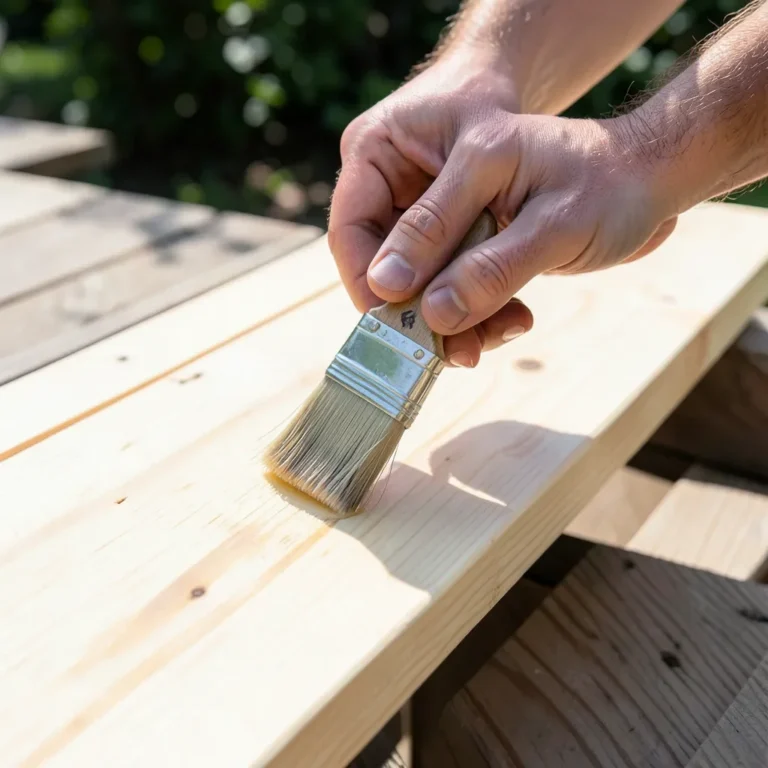
Whichever wood you choose, the decay-resistance numbers above mean an outdoor build needs a real sealer, not just a coat of paint. Here’s a wood sealer that fits either species.
Best Wood Sealer Pick
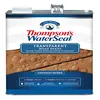 |
Thompson’s WaterSeal Transparent Wood Sealer – $25.28 A transparent, barely-tinted sealer built for exactly the low decay-resistance gap this guide covers — rated for 4 years on decks and 5 years on fences and siding.
|
As an Amazon Associate we earn from qualifying purchases.
Janka Hardness: Which Wood Is Actually Harder?
Janka hardness is the standard test that measures how much force it takes to press a steel ball halfway into a wood sample — it is the number that tells you how well a wood resists dents and scratches. Eastern hemlock rates 500 lbf, roughly 32% higher than eastern white pine’s 380 lbf. That gap matters for stair treads, workbenches, and anywhere a board takes daily foot traffic or impact.
Neither species qualifies as a hardwood despite the naming confusion some buyers run into — both hemlock and pine are softwoods botanically (conifers), and hemlock specifically is not a hardwood even though its Janka number beats several true hardwoods sold for flooring. Janka hardness is a density measurement, not a botanical classification.
📊 Eastern hemlock: 500 lbf Janka hardness vs. eastern white pine: 380 lbf — Source: Wood Database, Eastern Hemlock profile
Rot and Decay Resistance: What the Data Actually Shows
A common claim floating around woodworking forums is that hemlock is naturally rot-resistant and ideal for outdoor use. The lumber-grading data says otherwise: eastern hemlock is rated non-durable for decay resistance and is also susceptible to insect attack, according to wood-database’s species profile. Eastern white pine fares only slightly better, rated moderate to low. In practice, that means an untreated hemlock deck board sitting in ground contact or standing water can start rotting within one to two seasons in a humid climate.
This is the single biggest information gap in most hemlock-vs-pine comparisons: neither wood is a substitute for pressure-treated lumber or cedar in ground-contact applications. If your project touches soil, sits within a few inches of grade, or holds standing water, use pressure-treated lumber instead and reserve hemlock or pine for above-grade framing, fences, and siding sealed per the product box above. For a deeper look at which softwoods genuinely resist decay outdoors, see our guide on whether hemlock is rot resistant.
Workability: Cutting, Sanding, and Finishing
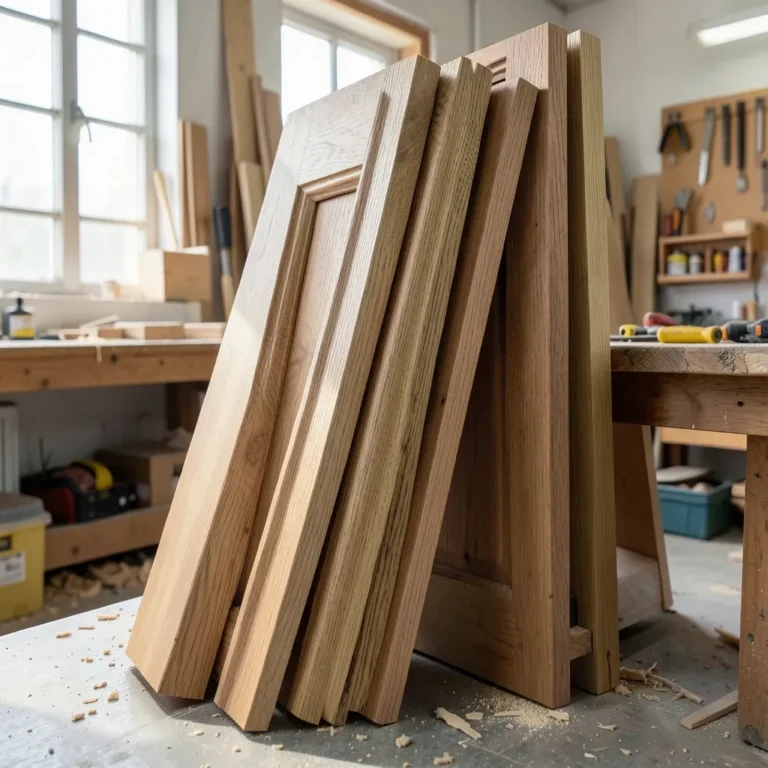
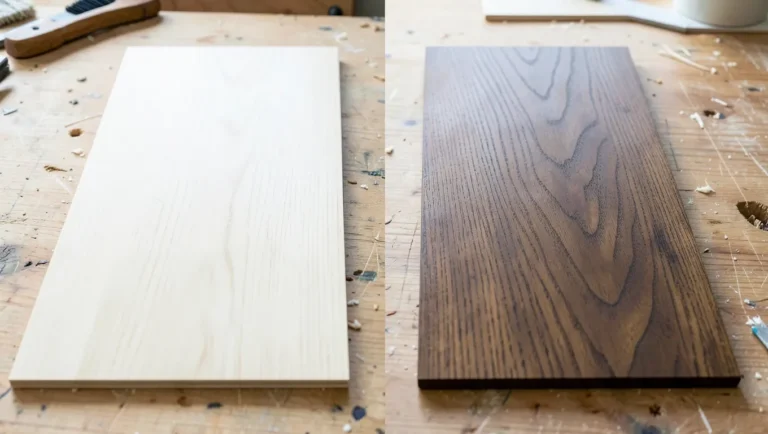
Pine is the easier wood to work by almost every measure. It cuts cleanly with hand or power tools, planes smoothly, and sands to an even surface. Hemlock is harder on tools and technique: it tends to splinter easily while being worked and planes poorly, and the contrast between its early-wood and late-wood grain can leave an uneven surface after sanding if you rush it. Both species glue, stain, and finish well once they’re smooth.
If you’re new to working softwoods, start with pine for practice cuts and joinery, then move to hemlock once you’re comfortable — sharp blades and slower feed rates cut down on hemlock’s splintering considerably.
Cost Comparison
Pine is usually the cheaper option at the lumberyard — it grows faster, is more widely plantation-farmed, and is stocked in more dimensions at big-box stores. Hemlock commands a moderate premium in most regions because it’s harvested in smaller volumes and often sold through specialty or regional yards rather than national chains. Exact pricing swings by region and grade, so call two local yards for current board-foot pricing before budgeting a project — national averages are a poor guide for either species.
Best Uses for Hemlock Wood
Hemlock’s combination of hardness and resistance to warping makes it a common choice for structural framing, timber-frame construction, and window/door trim where boards need to stay straight over time. Its fine, even grain also takes paint and stain cleanly, which is why it shows up in interior mouldings and cabinetry. Sealed and maintained, it also works for fences and siding — just not ground-contact posts.
Best Uses for Pine Wood
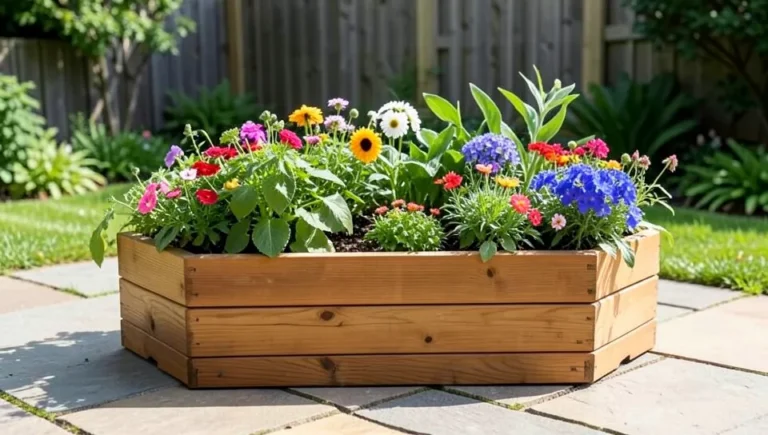
Pine is the default choice for furniture, shelving, interior trim, and most beginner DIY projects because it’s inexpensive, widely available, and forgiving to cut and shape. Its visible knots read as rustic character in farmhouse-style furniture, though they are also the weak points where a board is most likely to crack under stress. Sealed pine also holds up fine for above-grade decking, fences, and garden boxes.
Environmental Impact and Sustainability
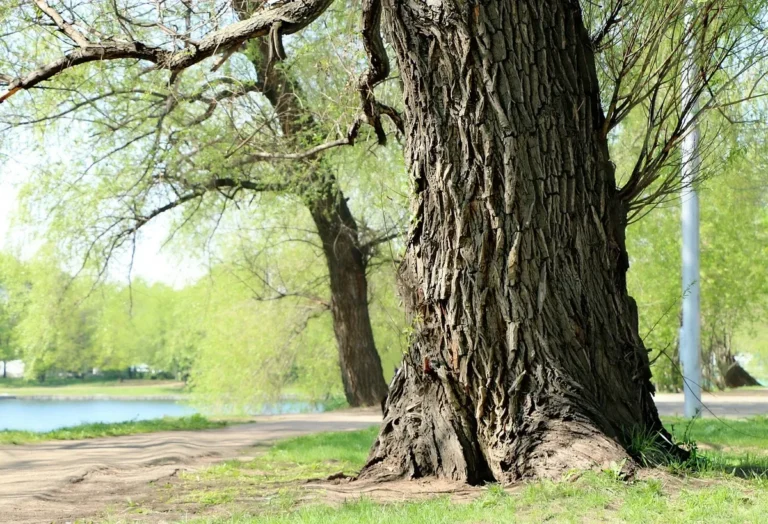
Both species are fast-growing conifers commonly harvested from managed North American forests, which keeps replanting cycles short compared to slow-growing hardwoods. Pine in particular is grown extensively on dedicated plantations. Eastern hemlock carries an added conservation note: the species is listed by the IUCN as near-threatened and faces pressure from the hemlock woolly adelgid, an invasive insect that has damaged hemlock stands across the eastern U.S. — worth knowing if sourcing regionally-grown, pest-free stock matters to your project.
Frequently Asked Questions
Is hemlock or pine harder?
Hemlock is harder. Eastern hemlock rates 500 lbf on the Janka hardness scale versus 380 lbf for eastern white pine, a difference of about 32%. That makes hemlock more dent- and scratch-resistant for flooring, stair treads, or workbench tops.
Is hemlock wood good for outdoor use?
Only with a sealer or pressure treatment. Eastern hemlock is rated non-durable for decay resistance and is susceptible to insect attack, so untreated boards in ground contact or standing water can rot within one to two seasons. Sealed and kept above grade, it holds up fine for fences, siding, and trim.
What is hemlock wood best used for?
Hemlock is best used for structural framing, timber framing, window and door trim, and interior mouldings, where its hardness and resistance to warping matter most. It is also used for crates, pallets, and boxes in construction supply chains.
Is hemlock more expensive than pine?
Usually, yes. Pine is more widely plantation-grown and stocked at big-box retailers, which keeps its price lower. Hemlock is harvested in smaller volumes and often sold through regional yards, so it typically carries a moderate price premium. Exact pricing varies by region and grade.
Does hemlock or pine splinter more easily when cut?
Hemlock splinters more easily. Wood-density data shows hemlock tends to splinter during machining and can plane unevenly due to the contrast between its early-wood and late-wood grain. Pine cuts and planes more cleanly with both hand and power tools.
Can hemlock and pine be stained the same way?
Yes, both species glue, stain, and finish well once sanded smooth. The main difference is appearance: pine’s knots absorb stain unevenly and can look blotchy, while hemlock’s fine, uniform grain takes stain more evenly across the board.
Conclusion
Choose hemlock when a project needs extra hardness, warp resistance, or a fine uniform grain for framing and trim. Choose pine when cost and easy workability matter more, like furniture, shelving, and beginner projects. Whichever you pick, plan on a real sealer for anything that goes outdoors — the decay-resistance numbers rule out relying on either species alone. Browse our other wood species guides to compare hemlock and pine against cedar, fir, and other common softwoods.
Sponsored / affiliate links. As an Amazon Associate I earn from qualifying purchases. I may earn additional commission from eligible campaigns.