Hitachi Miter Saw Stands: Why They’re Now Sold as Metabo HPT
Hitachi’s power tool division was renamed Metabo HPT back in 2018, so if you’re shopping for a “Hitachi miter saw stand” today, current retail listings are branded Metabo HPT, not Hitachi – and that matters for compatibility, because the model numbers and mounting hardware carried over unchanged through the rename. An older Hitachi UU240F or UU610 stand still fits current Hitachi/Metabo HPT saws exactly the same way a new Metabo HPT stand does.
Below is what actually changed with the rebrand, which stands (old or new-branded) fit which saws, and why a universal quick-release stand is often the more practical buy than hunting for an official-branded one that may be discontinued.
Hitachi Is Now Metabo HPT: What That Means for Buying a Stand
Best Universal Stand (Fits Hitachi/Metabo HPT)
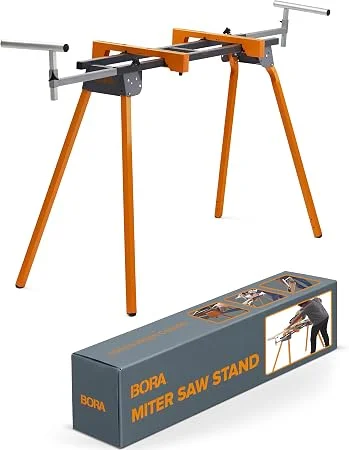 |
BORA Portamate PM-4000 Miter Saw Stand – $86.39 A quick-release universal stand that mounts virtually any 10-12 inch miter saw, including current and older Hitachi/Metabo HPT models, with 500-lb capacity and 114 inches of fold-out material support.
|
In 2018, Hitachi’s power tool division rebranded to Metabo HPT after its parent company acquired the Metabo brand. Beyond the name and logo, almost nothing about the tools themselves changed: model numbers stayed the same, and Hitachi accessories, batteries, and stands remained interchangeable with the newly-branded Metabo HPT lineup. That’s the practical takeaway for stand-shopping today – a used or old-stock Hitachi-branded stand (like the UU240F or UU610) will mount a current Metabo HPT miter saw exactly as well as a new Metabo HPT-branded stand will, because they’re the same engineering under a different name.
This also explains why searches for “Hitachi miter saw stand” often turn up thin results or discontinued listings: retailers have shifted their active listings to the Metabo HPT name, and older Hitachi-branded stock isn’t being restocked. If you own an actual Hitachi-badged saw, search “Metabo HPT miter saw stand” alongside “Hitachi” to see the full current catalog rather than just the shrinking pool of old-branded listings.
Dedicated Stand vs. Universal Stand
A stand made specifically for a given saw (dedicated mount points, matched height, sometimes an integrated fence) fits that one saw with zero adjustment. A universal stand uses a quick-release clamp or bracket system that adapts to a wide range of saw base shapes, at the cost of a slightly less snug, saw-specific fit. For most buyers the tradeoff favors universal: dedicated Hitachi/Metabo HPT stands are a shrinking and sometimes discontinued category, while a well-reviewed universal stand mounts your current saw today and still works if you switch brands later. See our folding miter saw stand guide for a brand-by-brand comparison of current universal options.
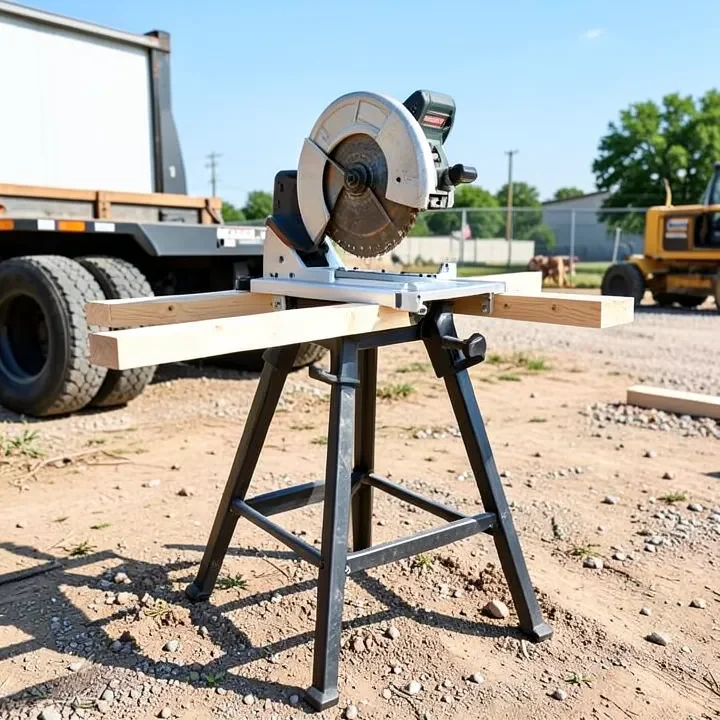
What to Check Before Buying Any Miter Saw Stand
Whether you’re buying an old-stock Hitachi stand or a current universal one, the same four checks apply:
- Weight rating vs. your saw’s actual weight. A 12-inch sliding compound miter saw can weigh 45-55 lbs on its own, before adding material. Check the stand’s rated capacity against your saw’s actual weight plus whatever you’ll be cutting, not just the saw alone.
- Mount type. Bolt-on brackets are saw-specific and rock-solid once installed; quick-release clamp systems adapt to more saws but rely on the clamp staying tight under vibration – check it periodically if you go this route.
- Material support length. The stand’s fold-out arms or roller supports need to actually reach the length of stock you typically cut; a stand rated for “114 inches of support” only helps if both extension arms are actually deployed and leveled.
- Working height. Set up so the saw table sits roughly at your waist – too low and you’re hunching over every cut, too high and you lose control pushing the saw through thicker stock.
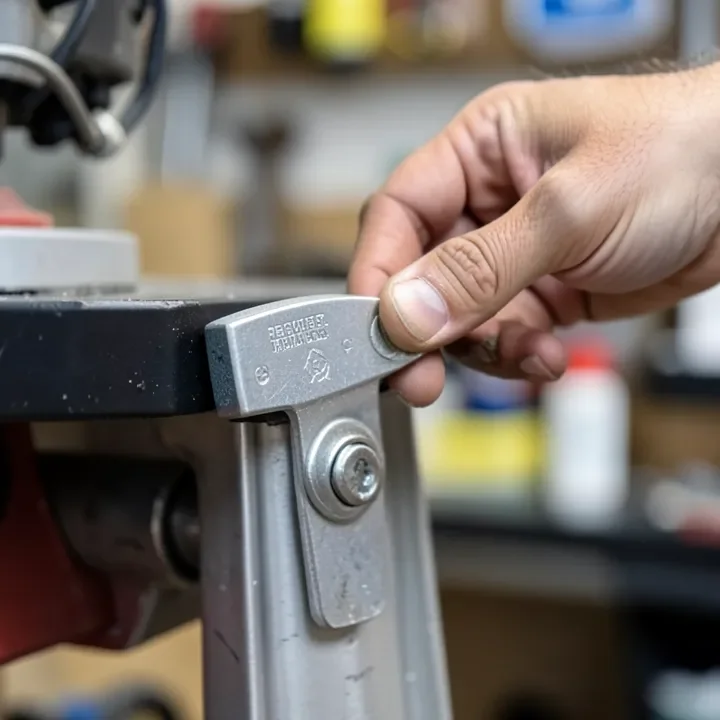
Setting Up and Maintaining the Stand
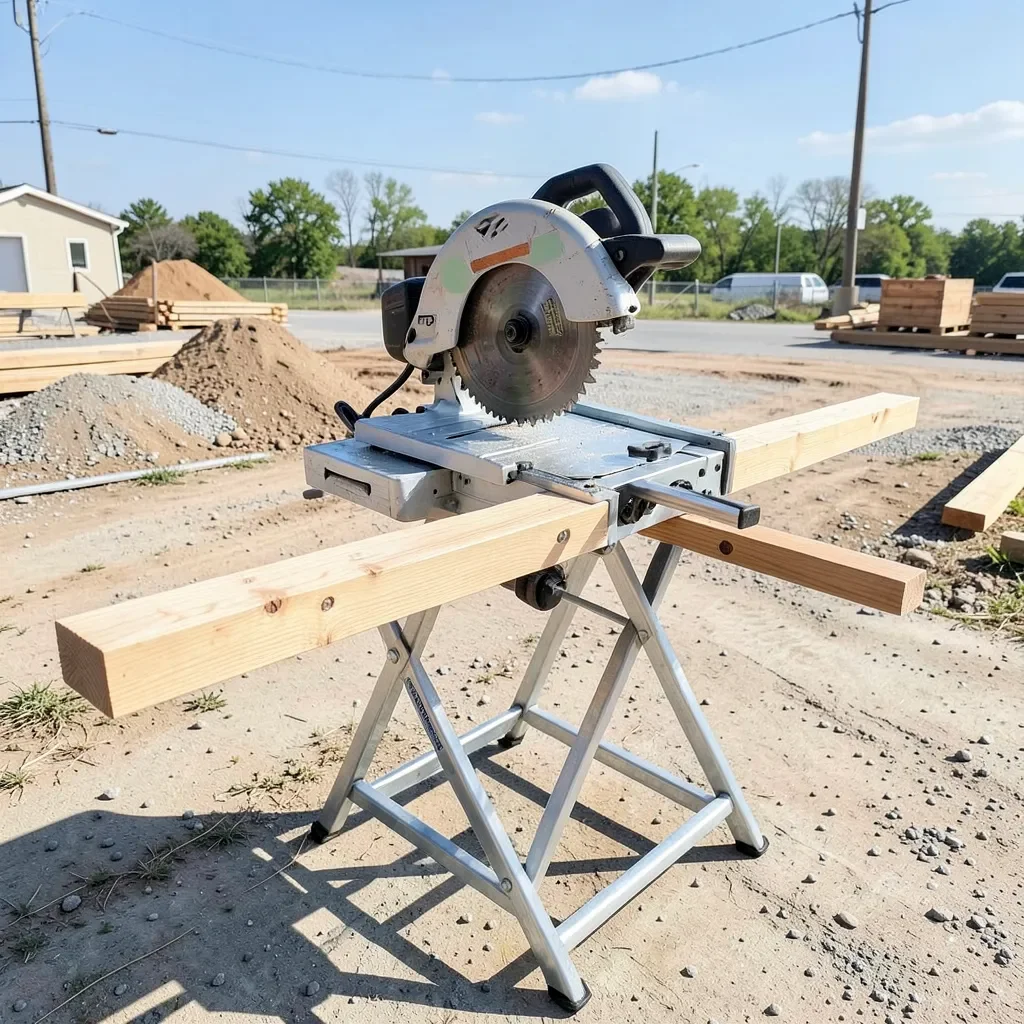
Unfold the legs and lock every leg brace before mounting the saw, not after – a stand that racks sideways while you’re attaching a 50-lb saw is a real tip-over risk. Extend and level both material support arms before making a test cut, since a support arm even slightly out of level will tip long stock and throw off your cut angle. Once it’s set up, run a scrap cut and check the stand for any flex or rock at the base before trusting it with a real workpiece.
For upkeep, wipe down the folding joints and locking pins after outdoor or job-site use, since grit in a folding hinge is the most common reason a stand starts to feel loose or hard to fold. A drop of light machine oil on the pivot points once or twice a season keeps them moving freely without attracting sawdust the way a heavier grease would. Store the stand folded and off the ground if possible; a stand left standing outdoors or on a damp shop floor is the fastest way to rust the leg tubing from the inside out.
Frequently Asked Questions
Is Hitachi the same as Metabo HPT?
Yes. Hitachi’s power tool division renamed itself Metabo HPT in 2018 after its parent company acquired Metabo. Model numbers and accessory compatibility, including miter saw stands, carried over unchanged, so Hitachi-branded and Metabo HPT-branded stands from the same model line are interchangeable.
Can I use any miter saw stand with my saw?
Most universal stands with quick-release clamps or brackets fit a wide range of miter saw bases regardless of brand, as long as the stand’s weight rating covers your saw. A saw-specific bolt-on stand fits its matched model more snugly but won’t transfer to a different saw brand later.
How tall should a miter saw stand be?
Set the stand so the saw’s table sits roughly level with your waist. This height lets you see the cut line clearly and control the saw without hunching over or reaching up, which improves both comfort and cut accuracy.
Do I need a dedicated stand, or can I use a table?
A flat, sturdy table works for occasional use, but a dedicated stand adds material support arms for long stock, a consistent working height, and portability that a table doesn’t offer. For regular use, especially with longer boards, a stand meaningfully improves both safety and cut accuracy.
Sponsored / affiliate links. As an Amazon Associate I earn from qualifying purchases. I may earn additional commission from eligible campaigns.