SKIL 10-Inch Miter Saw (MS6305-00): Specs, Setup, and Cuts
The SKIL MS6305-00 is a 10-inch dual bevel sliding compound miter saw with a 15-Amp motor that crosscuts lumber up to 2×12 at 90 degrees and 2×8 at 45 degrees. At 48.8 lbs, it’s a full-size benchtop saw, not the lightweight model some retail copy implies — plan for a stand or a two-hand carry, not a one-hand jobsite grab. This guide covers its real specs, setup, blade choice, and the cuts it’s built for.
Quick Answer
The SKIL 10″ dual bevel sliding miter saw (MS6305-00) is a 15-Amp, 4,800 RPM saw that bevels 45° left/right plus a 48° positive stop, miters 50° each direction with 11 stop positions, and its LED Shadow Line casts the blade’s outline onto the workpiece instead of a true laser dot. At 48.8 lbs, it’s best suited to a home shop bench or stand rather than daily jobsite transport.
Key Specs
The Saw This Guide Covers
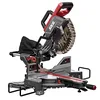
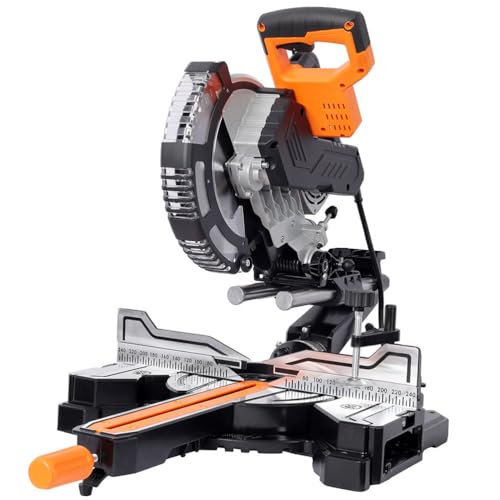
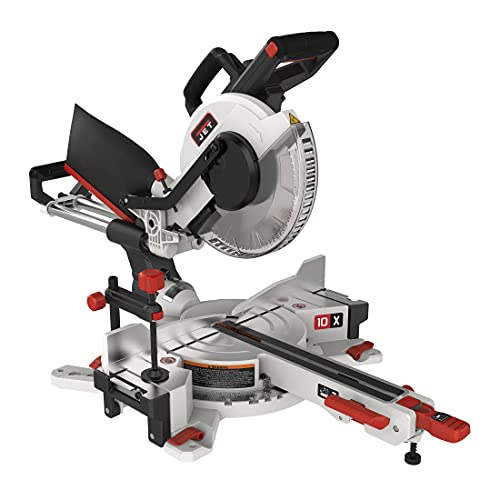
SKIL 10″ Dual Bevel Sliding Compound Miter Saw (MS6305-00) – $279.00
The exact model this guide’s specs, setup steps, and FAQ are based on — 15-Amp motor, dual bevel, LED Shadow Line, and tall sliding fences for base and crown molding.
- Best for: Framing, trim, baseboards, and crown molding at a home workbench
- Why we picked it: Real dual-bevel range plus tall sliding fences most 10″ saws in this price range skip
- Main drawback: At 48.8 lbs it’s not a saw you want to carry between jobsites daily
As an Amazon Associate we earn from qualifying purchases.
| Spec | Value |
|---|---|
| Blade diameter | 10 in. (5/8 in. arbor) |
| Motor | 15-Amp, 4,800 RPM |
| Crosscut capacity | 2×12 at 90°, 2×8 at 45° |
| Bevel range | 45° left/right, plus 48° positive stop |
| Miter range | 50° left/right, 11 positive stop positions |
| Molding capacity | 4-1/2 in. base molding vertical, 6-1/4 in. crown molding vertically nested |
| Weight | 48.8 lbs |
| Guide system | LED Shadow Line (casts blade shadow, not a laser beam) |
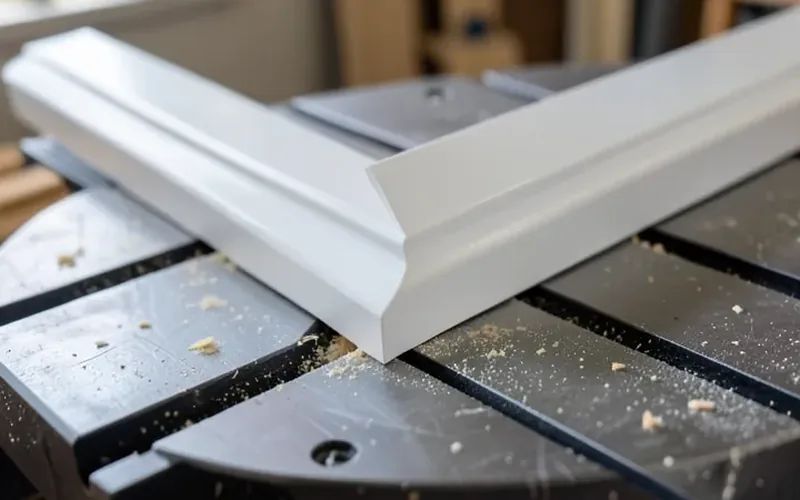
That molding capacity and dual-bevel range make this saw well-suited to crown molding and baseboard work without re-clamping the material for every angle change.
Types of Cuts It Makes
| Cut Type | Angle Adjustment | Typical Use |
|---|---|---|
| Miter cut | Horizontal (up to 50° either side) | Frames, corners |
| Bevel cut | Vertical (up to 45°, 48° stop) | Edges, decorative finishes |
| Compound cut | Both axes at once | Crown molding, complex trim |
Setup and Assembly
- Unbox and inspect: check for shipping damage and confirm the blade guard, table extensions, dust bag, and blade wrench are all included.
- Attach the table extensions with the provided screws to support long workpieces.
- Confirm the blade guard moves freely and returns to the closed position on its own.
- Check the fence and table for square against the blade before making your first cut — factory settings can shift slightly in shipping.
- Mount to a stand or workbench if you’ll be moving the saw between projects — at 48.8 lbs, a stand with wheels is worth the cost.
📊 Miter/chop saws accounted for roughly 7,640 of the power-saw blade-contact injuries in one CPSC national estimate — Source: U.S. Consumer Product Safety Commission
Safety Measures
- Wear safety glasses, hearing protection, and a dust mask every time the saw runs.
- Keep hands at least a fist-width from the blade path on both sides of the cut.
- Let the blade reach full speed before it contacts the workpiece, and let it stop spinning before lifting it back up.
- Clamp or firmly hold short offcuts — never hold small pieces in a way that puts fingers in the blade’s path.
Blade Selection
| Blade Type | Best For | Teeth Count |
|---|---|---|
| Crosscut blade | Cutting across the grain | 60-80 |
| Combination blade | General-purpose cuts | 40-50 |
| Fine-finish blade | Trim and molding, minimal tear-out | 80-100 |
Maintenance
- Unplug the saw and brush out sawdust after every use, especially around the blade guard’s pivot.
- Wipe the slide rails clean and apply a light machine oil every few months to keep the sliding action smooth.
- Replace the blade when cuts start burning the wood, take visibly more effort, or the teeth show chips — a dull blade is also less safe, since it forces more feed pressure.
What is the SKIL 10″ miter saw used for?
The SKIL MS6305-00 is designed for crosscuts, miter cuts, and compound cuts in wood — framing, trim, baseboards, and crown molding are its most common uses for both DIY and professional work.
Does the SKIL 10″ miter saw have a laser guide?
No — it uses an LED Shadow Line system that casts the blade’s shadow onto the workpiece to show where the cut will land, rather than projecting a laser beam or dot.
Is the SKIL 10″ miter saw lightweight?
Not especially — it weighs 48.8 lbs, which is on the heavier side for a 10-inch miter saw. It’s built to sit on a bench or stand rather than travel to a jobsite daily.
What features does the SKIL 10″ miter saw have?
Dual-bevel capability (45° each side, plus a 48° stop), an LED Shadow Line, 11 positive miter stops up to 50° each direction, and tall sliding fences that support base and crown molding vertically.
Conclusion
The SKIL MS6305-00 is a capable dual-bevel miter saw for framing, trim, and molding work, with real crosscut capacity and a shadow-line guide rather than a laser. Just don’t expect a lightweight jobsite saw — at 48.8 lbs, it’s built for a stationary bench or stand.
Sponsored / affiliate links. As an Amazon Associate I earn from qualifying purchases. I may earn additional commission from eligible campaigns.