Homemade Paint Stripper: Effective and Eco-Friendly Solutions
Stripping paint can be tricky. Store-bought strippers often contain harsh chemicals.
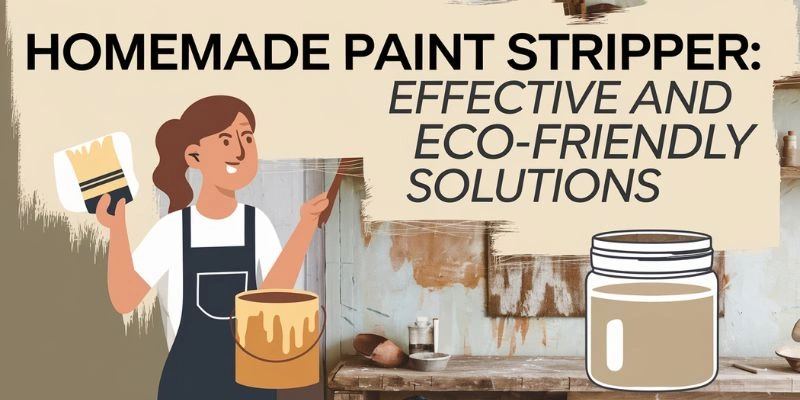
Homemade paint strippers offer a safer, eco-friendly alternative. Imagine removing old paint without inhaling toxic fumes. With simple ingredients, you can create effective paint removers right at home. Homemade paint strippers are not only safer but also affordable. They use everyday items you might already have.
This means less waste and more savings. Plus, you control the ingredients. No more worrying about what’s in your paint remover. It’s perfect for DIY enthusiasts. You can tackle furniture, walls, or any painted surface with ease. Ready to learn more? Let’s dive into the world of homemade paint strippers. Discover how easy and effective they can be.
Introduction To Homemade Paint Strippers
Removing paint can be a tough job. Many commercial paint strippers contain harsh chemicals. These can harm your skin and the environment. Homemade paint strippers offer a safer alternative. They are often made from common household items. Plus, they are usually cheaper.
Benefits Of Homemade Solutions
Homemade paint strippers have many advantages. First, they are safer. You avoid using harsh chemicals. This reduces health risks. Second, they are eco-friendly. Most ingredients are biodegradable. Third, they are cost-effective. You can make them from items you already have.
Homemade solutions are also easy to customize. You can adjust the recipe to fit your needs. This flexibility is a huge benefit. You can create a solution that works best for your project.
Common Uses
Homemade paint strippers can be used on many surfaces. They work well on wood. You can strip old paint from furniture. They are also good for metal. This includes items like hardware or tools.
These solutions can also help with small projects. For example, you can use them to remove paint from doorknobs. They are ideal for detailed work. Homemade paint strippers can also be used for art projects. You can clean paint from brushes and palettes.
Ingredients For DIY Paint Strippers
Creating a homemade paint stripper can be a cost-effective and eco-friendly option. Many commercial paint strippers contain harsh chemicals. Making your own allows you to control the ingredients and ensure safety. Let’s dive into the options available.
Natural Ingredients
Natural ingredients can be gentle yet effective for paint removal. One popular choice is vinegar. Its acidic nature helps break down paint. Another useful ingredient is baking soda. It can soften the paint, making it easier to scrape off. Citrus-based solvents, like lemon juice, also work. They contain natural acids that dissolve paint.
Olive oil and essential oils can be added to your mixture. These oils help lubricate the surface and ease paint removal. They are safe to use and leave a pleasant scent.
Chemical-free Options
For a completely chemical-free paint stripper, consider using mechanical methods. Sanding is effective and avoids chemicals. Use sandpaper or a sanding block to remove paint layers. Another option is a heat gun. It softens the paint, making it easier to scrape off. Always use these tools with caution.
Another chemical-free method is using a mixture of flour and water. This paste can be applied to painted surfaces. Once it dries, it can be peeled off, taking the paint with it. This method is safe and easy to clean up.
In summary, homemade paint strippers can be safe and effective. Using natural ingredients and chemical-free methods can help you achieve great results without harsh chemicals. Try these options for your next paint removal project.
Safety Precautions
Using a homemade paint stripper can be effective and eco-friendly. Yet, safety should always be the top priority. Handling chemicals, even natural ones, requires care. Taking the right precautions can prevent accidents and health risks. Below are some essential safety measures to keep in mind.
Protective Gear
Always wear gloves to protect your skin. Chemical burns are painful and dangerous. Use safety glasses to guard your eyes. Splashes can happen unexpectedly. A long-sleeve shirt and pants offer extra protection. This minimizes skin exposure.
Ventilation Tips
Work in a well-ventilated area. Fumes from paint strippers can be harmful. Open windows and doors to create airflow. Use fans to help circulate air. This reduces the risk of inhaling toxic fumes. If possible, work outside. Fresh air is the best ventilation.
Simple Recipes
Creating your own paint stripper at home is easier than you think. Simple ingredients from your kitchen can effectively remove paint without harsh chemicals. Here are two easy recipes to try.
Vinegar-based Stripper
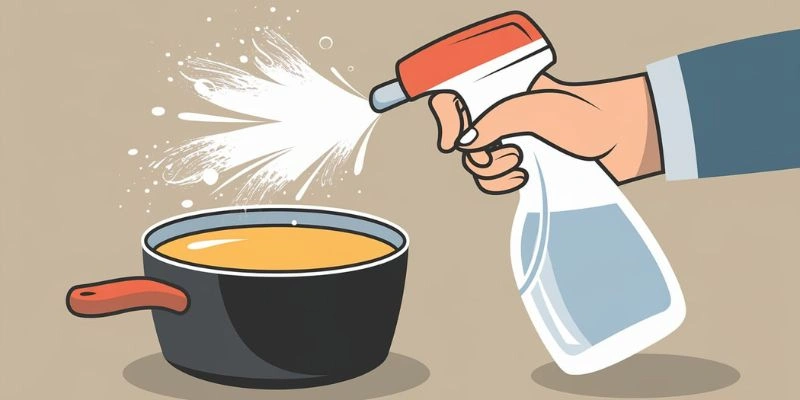
Vinegar is a versatile household item. It works wonders as a paint stripper. To make a vinegar-based stripper, heat a cup of white vinegar until hot. Use a brush to apply the hot vinegar to the painted surface. Let it sit for 15 minutes. The paint will start to bubble and loosen. Use a scraper to remove the loosened paint. Wipe the surface with a damp cloth to clean up any residue.
Baking Soda And Water Mix
Baking soda is another effective and safe paint remover. Mix half a cup of baking soda with a cup of water. Stir until it forms a paste. Apply the paste to the painted area with a brush. Let it sit for about 30 minutes. The paint will soften and peel off easily. Scrape the paint off with a putty knife. Rinse the surface with water to remove any leftover paste.
Application Techniques
Applying homemade paint stripper requires some skill and the right tools. Proper application ensures effective paint removal and a smooth surface. Follow these steps for a hassle-free experience.
Tools Needed
Gather the necessary tools before starting the project. Here is a list:
- Paintbrush or roller
- Protective gloves
- Safety goggles
- Plastic scraper or putty knife
- Old rags or cloths
- Bucket of water
- Drop cloth or plastic sheeting
Step-by-step Guide
Follow these steps for applying homemade paint stripper:
- Prepare the area. Lay down a drop cloth or plastic sheeting.
- Wear protective gloves and safety goggles to protect your skin and eyes.
- Use a paintbrush or roller to apply the paint stripper evenly. Cover the entire surface.
- Wait for the recommended time. Refer to your homemade stripper instructions.
- Check the paint. It should start to bubble or wrinkle.
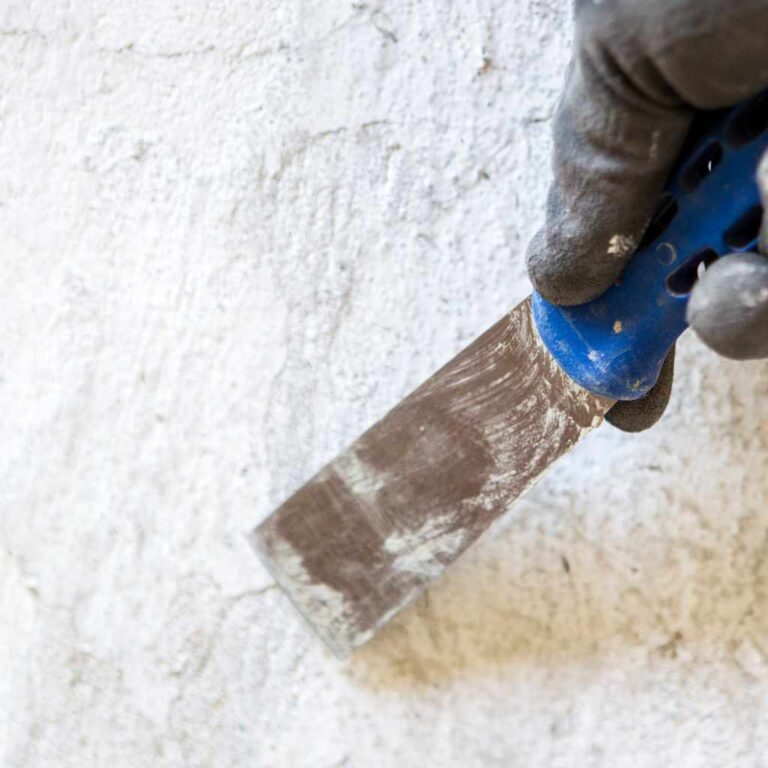
- Use a plastic scraper or putty knife to remove the loosened paint. Work gently to avoid damaging the surface.
- Wipe the surface with a damp cloth. Remove any residue.
- Rinse the surface with clean water. Let it dry completely before any further treatment.
These steps will help you achieve a clean, paint-free surface. With the right tools and careful application, homemade paint stripping can be easy and effective.
Removing Paint From Different Surfaces
Removing paint from different surfaces becomes easy with a homemade paint stripper. Mix baking soda and water for a natural solution. This method works well on wood, metal, and concrete.
Removing paint from various surfaces can be challenging. Each material requires a unique approach. Homemade paint strippers can be effective. They are also eco-friendly and budget-friendly.
Wood Surfaces
Wood is delicate. Using the right paint stripper is crucial. A mixture of baking soda and water works well. Apply the paste to the painted wood. Let it sit for 15 minutes. Scrape off the paint gently with a plastic scraper.
Vinegar is another option. Heat the vinegar until warm. Apply it to the painted surface. Wait for the paint to bubble. Scrape it off carefully. Sand the wood lightly to finish.
Metal Surfaces
Metal surfaces are less fragile. Homemade paint strippers are still effective. Try a mixture of baking soda and water. Apply the paste to the metal. Let it sit for 30 minutes. Scrub the paint off with a stiff brush.
You can also use a mix of vinegar and water. Soak a cloth in the mixture. Place the cloth on the painted metal. Wait for the paint to soften. Scrape it off with a metal scraper.
Always wear protective gloves. Ensure good ventilation. Test a small area first. This ensures the solution does not damage the surface.
Eco-friendly Disposal
Proper disposal of homemade paint stripper is crucial for the environment. Eco-friendly disposal ensures harmful chemicals do not contaminate the soil or water. It’s not just about disposing of the liquid; residue and materials need proper handling too. Here’s how to do it responsibly.
Disposing Of Residue
Residue from paint strippers can be toxic. Use absorbent materials like sawdust to soak up any liquid residue. Place the soaked material in a sealed, plastic bag. Label the bag as hazardous waste. Take it to a local hazardous waste facility. Never pour residue down the drain or on the ground.
Recycling Tips
Some materials can be recycled after using homemade paint strippers. Separate reusable materials from non-reusable ones. Metal and glass containers can often be recycled. Rinse these containers thoroughly before recycling. Check your local recycling guidelines for specific instructions. Always handle materials with care to prevent contamination.
Comparing To Commercial Products
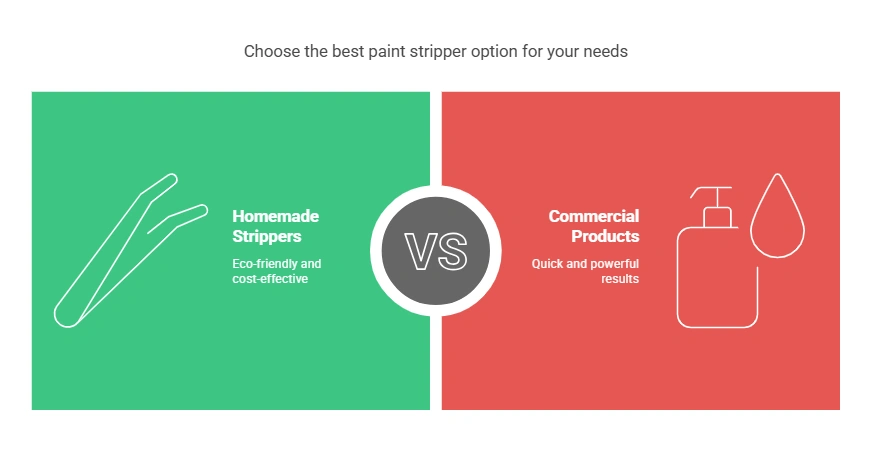
When it comes to stripping paint, you have two main choices: homemade paint strippers or commercial products. How do these options stack up against each other? Let’s dive into the details to find out. We’ll look at cost effectiveness, the health and environmental impact, and more.
Cost Effectiveness
One of the first things to consider is the cost. Commercial paint strippers can be quite expensive. They often come in small quantities, and you might need multiple containers to finish a big project.
On the other hand, homemade paint strippers are usually made from ingredients you already have at home. Things like baking soda, vinegar, and lemon juice are common household items. Here’s a quick comparison:
| Type | Cost | Availability |
|---|---|---|
| Commercial Paint Stripper | High | Specialty Stores |
| Homemade Paint Stripper | Low | Grocery Stores |
So, if you’re looking to save money, a homemade solution might be your best bet.
Health And Environmental Impact
Another important factor is the health and environmental impact. Many commercial paint strippers contain harsh chemicals. These can be dangerous to inhale and harmful to your skin. Plus, they can negatively affect the environment.
Homemade paint strippers, however, are often made from natural ingredients. They are less likely to cause health issues and are more environmentally friendly. Consider this:
- Commercial Products: Often contain toxic chemicals like methylene chloride.
- Homemade Solutions: Use safer ingredients like vinegar and baking soda.
Do you really want to expose yourself and the environment to harmful substances when a safer, more natural option is available?
In conclusion, when comparing homemade paint strippers to commercial products, it’s clear that homemade options can be more cost-effective and safer for both your health and the environment. So, why not give it a try and see the results for yourself? You might be surprised at how effective these DIY solutions can be!
Frequently Asked Questions
What Household Items Can Remove Paint?
You can remove paint using vinegar, baking soda, rubbing alcohol, or a mixture of dish soap and warm water.
What Is An Alternative To A Paint Striper?
A heat gun is a great alternative to a paint stripper. You can also use a paint scraper or sanding.
Does Baking Soda And Vinegar Remove Paint?
Yes, baking soda and vinegar can remove paint. They create a chemical reaction that helps to loosen the paint.
What Is The Quickest Way To Strip Paint?
Use a paint stripper or heat gun to quickly strip paint. Scrape off the softened paint. Always wear protective gear.
Conclusion
Creating a homemade paint stripper can save money and reduce chemicals. It’s easy and effective for various paint removal projects. Always use protective gear to ensure safety. Test a small area first to avoid damage. Enjoy the satisfaction of a successful DIY project.
Happy stripping!