Best Way to Remove Paint: Check for Lead First, Then Pick a Method
Before you reach for a heat gun or sandpaper, do one thing first: figure out if the paint could be lead-based. If your home or the piece you’re working on predates 1978, that single check changes which methods are actually safe to use — and it’s the step most “best way to remove paint” guides skip entirely.
Step 1: Check for Lead Paint Before You Choose a Method
Best Low-Fume Chemical Stripper
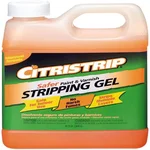 |
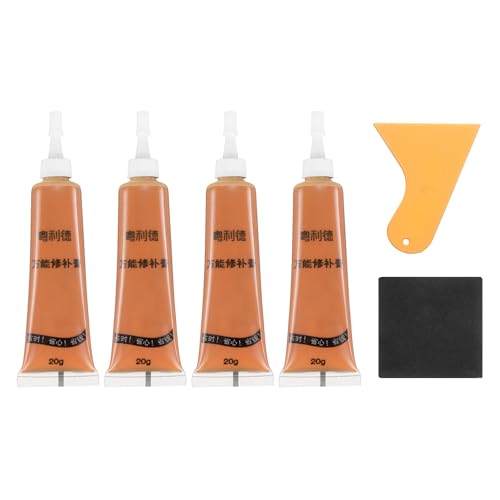
Citristrip Paint & Varnish Stripping Gel – $26.96 A gel stripper with no methylene chloride and low fumes, safe for indoor use on wood, metal, and masonry.
|
Homes and furniture painted before 1978 (when the U.S. banned lead in residential paint) may have lead-based paint under newer coats, even if the top layer looks modern. A $10-15 lead test kit from a hardware store gives you a fast answer before you start. This isn’t optional caution — it changes your method options:
- If lead is present: The EPA’s Renovation, Repair, and Painting (RRP) rule prohibits open-flame torching and heat guns above 1100°F on lead paint, and dry sanding or dry scraping without containment is also restricted, because both methods create fine lead dust or fumes that are hazardous to breathe. A chemical stripper used with proper containment and cleanup, or hiring an RRP-certified contractor for large jobs, is the safer route.
- If it tests negative: Heat guns, sanding, and chemical strippers are all reasonable options, and you can pick based on the surface and how much paint you’re removing.
If you’re specifically working on wood and want the full method-by-method breakdown with wait times, see our dedicated guide to removing paint from wood. This page covers the general comparison across wood, metal, walls, and masonry.
Comparing the Four Real Methods
| Method | Best Surfaces | Speed | Key Caution |
|---|---|---|---|
| Chemical stripper | Wood, metal, masonry | Moderate (10 min-several hrs dwell time) | Ventilate well; some formulas are caustic and need neutralizing after use |
| Heat gun | Wood, metal | Fast | Never above 1100°F on suspected lead paint; can scorch wood or melt plastic trim if held too close |
| Sanding | Wood, small areas/edges | Slow but precise | Never dry-sand suspected lead paint; always wear a respirator rated for fine dust |
| Plant-based/citrus stripper | Wood, plaster, indoor use | Slow (longer dwell time) | Gentler and lower-fume, but generally needs more patience for thick paint layers |
Preparing the Surface and Workspace
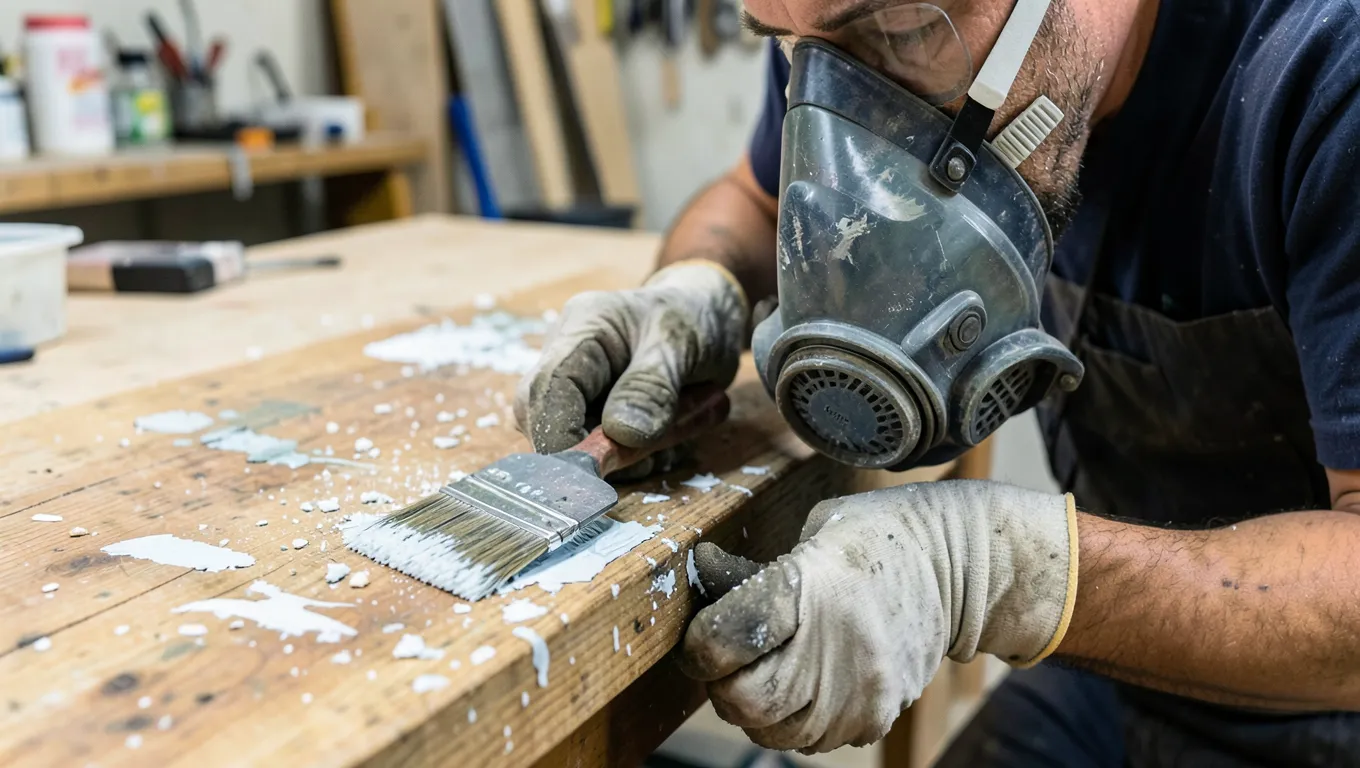
Clean the surface of dust and grease with mild soap and water, and let it dry fully — grime on the surface keeps strippers from contacting the paint evenly. Cover floors and nearby furniture with drop cloths, and tape off edges you want to protect. Wear gloves and eye protection for any method, and add a properly rated respirator (not just a dust mask) any time you’re sanding or working with strong chemical fumes.
Using a Chemical Stripper
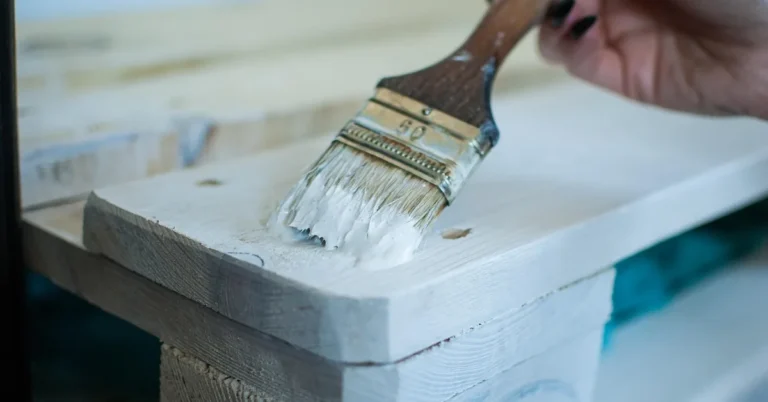
Apply an even coat with a brush, thick enough to stay wet for the full dwell time on the label (usually 10 minutes to a few hours depending on the product and paint thickness). Work in small sections. Once the paint bubbles or wrinkles, lift it with a plastic scraper to avoid gouging the surface underneath. Neutralize or clean the surface afterward per the product’s instructions before repainting or refinishing.
Working specifically on painted kitchen or bathroom cabinets? See our step-by-step guide to stripping cabinet paint without sanding for cabinet-specific dwell times and a walkthrough of the citrus-gel method.
Using a Heat Gun
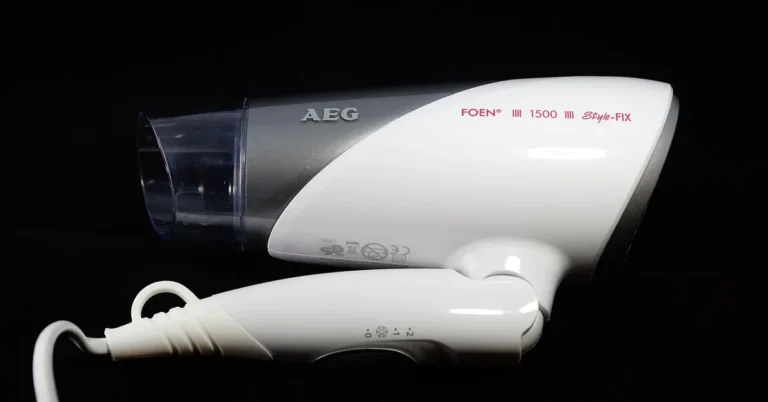
Hold the gun a few inches from the surface and keep it moving — stopping in one spot is how wood scorches or metal discolors. Once the paint bubbles, follow directly behind with a scraper while it’s still soft. Test your heat setting on a hidden spot first, and remember the 1100°F lead-paint limit from Step 1 if you haven’t confirmed the paint is lead-free.
Sanding and Scraping by Hand
Best for small areas, edges, and detail work where a chemical or heat method would be overkill. Start with coarse grit to remove thick paint, then move to fine grit for a smooth finish, sanding with the wood grain where applicable. For scraping, hold a sharp putty knife or scraper at a low angle to peel paint without gouging the material underneath. Both methods create dust or chips — work outside or with a dust collector when possible, and always wear a respirator, not just a paper mask, when sanding painted surfaces of unknown age.
After the Paint Is Off: Preparing to Refinish
Wipe away dust and residue with a damp cloth, then let the surface dry completely. Fill any cracks, gouges, or holes with an appropriate filler and let it cure before a final light sanding. Apply a primer suited to the material before repainting or refinishing — skipping primer on bare wood or metal is a common reason new paint fails to bond well.
Common Mistakes
- Skipping the lead check on anything painted before 1978, then dry-sanding or high-heat stripping it.
- Rushing a chemical stripper’s dwell time — scraping too early just smears half-softened paint instead of lifting it cleanly.
- Using a paper dust mask instead of a real respirator when sanding painted surfaces, especially older ones.
- Skipping the small test patch before treating the whole surface, which is how strippers or heat end up damaging wood or melting trim you didn’t mean to touch.
Frequently Asked Questions
What’s the Safest Way to Remove Paint That Might Contain Lead?
Test first with a $10-15 lead test kit. If it’s positive, avoid open-flame torching, heat guns above 1100°F, and dry sanding or scraping without containment — the EPA’s RRP rule restricts these because they release lead dust or fumes. A chemical stripper with proper containment and cleanup, or an RRP-certified contractor for larger jobs, is the safer path.
How Can I Remove Paint Without Harsh Chemicals?
Heat guns and manual sanding both work without chemical strippers. Heat guns soften paint for scraping; sanding removes it through abrasion. Both create their own hazards (burns, dust) so use proper protection either way, and remember the lead-paint precautions above if the paint’s age is unknown.
Which Method Works Best on Metal?
A chemical stripper formulated for metal is usually most effective, since it penetrates tough layers without the scorching risk a heat gun carries on thin metal. Work in a ventilated area and follow up with a metal cleaner to restore the surface afterward.
Do Vinegar or Baking Soda Actually Remove Paint?
They can help loosen very thin, old, chalky paint on small areas, but they’re much slower and less reliable than a real stripper or heat gun on typical paint layers. Treat them as a light-duty option for delicate surfaces, not a general-purpose method for a full paint removal job.
Sponsored / affiliate links. As an Amazon Associate I earn from qualifying purchases. I may earn additional commission from eligible campaigns.