Hot Glue Stick Types: High-Temp vs Low-Temp (+ Best Picks)
High-temp hot glue sticks melt near 380°F and bond wood, metal, and ceramic; low-temp sticks run around 250°F for foam, fabric, and other heat-sensitive materials — grabbing the wrong one is the top reason a hot-glued joint fails within a day. This guide covers which stick type fits common craft and repair materials, how all-purpose sticks compare to specialty ones, and which sticks actually hold.
High-Temp vs. Low-Temp Glue Sticks: Which Do You Need?
Best All-Purpose Hot Glue Stick Pick
Surebonder Full Size Hot Glue Sticks 50-Pack – $6.68
Multi-temp (works in both 230°F low and 380°F high-temp guns) and rated for wood, fabric, plastic, and ceramic — matches the all-purpose category covered above.
- Best for: General crafting, repairs, and mixed-material projects
- Why we picked it: Works in both low and high-temp guns, so one pack covers most household projects
- Main drawback: Not a specialty formula — a dedicated fabric or plastic stick will still outperform it on those specific materials
Compare more hot glue stick options
 Option 1 Gorilla Full Size Sticks (20-Ct) – $9.47
|
 Option 2 AdTech 10" Full-Size (24-Ct) – $8.47
|
 Option 3 Surebonder Mini-Size, All-Purpose – $4.37
|
As an Amazon Associate we earn from qualifying purchases.
High-temp glue sticks melt at roughly 350–400°F and are the right call for wood, metal, ceramic, and any bond that needs to survive heat or humidity — outdoor decorations, wood jigs, and repairs that take load. Low-temp glue sticks melt around 250°F and are the safer choice for foam, fabric, thin plastic, and anything that could warp, melt, or scorch under a hotter nozzle.
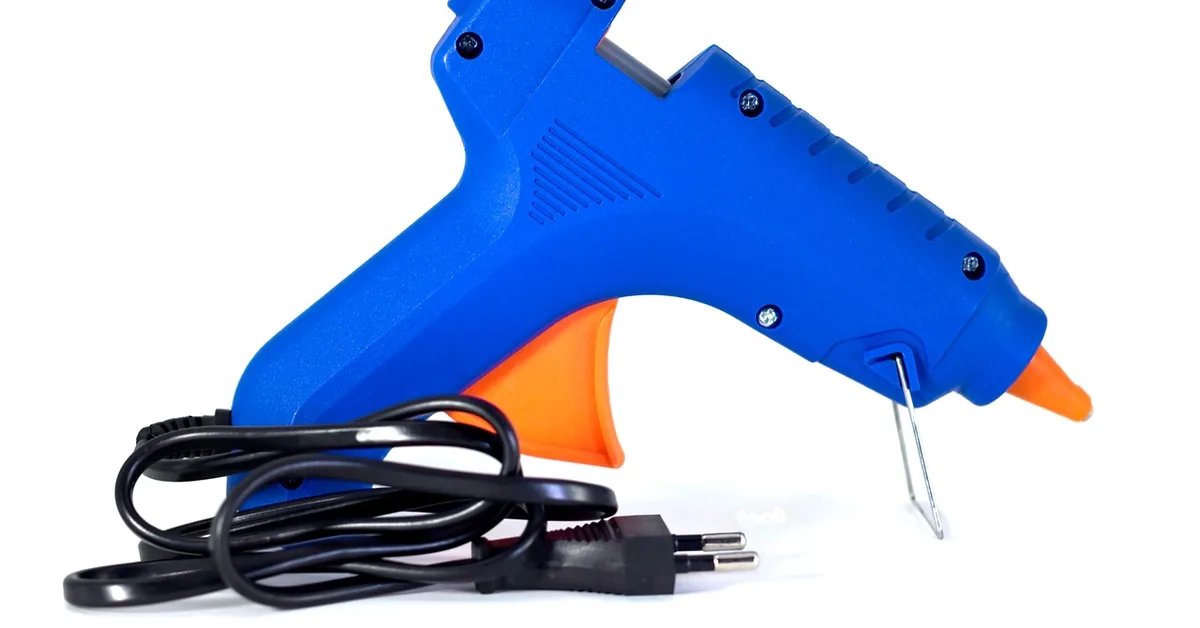
Most craft-store hot glue guns are fixed to one temperature, so the glue gun itself — not just the stick you buy — usually decides which type you can use. Dual-temperature and variable-temperature guns can run either type, which is why the sticks are labeled by temperature rather than by brand.
“Our team defaults to low-temp sticks on anything with a factory finish — paint, laminate, or powder coat. High-temp glue can leave a faint witness mark on those surfaces if it’s not wiped off within a few seconds of cooling.”
Types of Glue Sticks by Material
All-purpose glue sticks handle most craft and repair jobs — paper, cardboard, fabric, and light wood. Specialty sticks exist because a generic formula doesn’t grip every surface equally well: wood glue sticks are formulated for better penetration into grain, fabric glue sticks stay flexible after cooling so seams don’t crack, and plastic-bonding sticks use a different resin blend for smooth, low-porosity surfaces that all-purpose glue tends to peel off of. For a full breakdown of when hot glue is (and isn’t) strong enough for a wood project, see our guide on using a hot glue gun on wood. For comparisons with other adhesive types, browse our full wood glue and adhesives guide.
| Material | Best Glue Stick Type | Why |
|---|---|---|
| Wood | High-temp, wood-formula or all-purpose | Deeper penetration into grain, stronger structural hold |
| Fabric | Low-temp, fabric-formula | Stays flexible after cooling, won’t scorch fibers |
| Foam | Low-temp only | High-temp glue melts and collapses foam on contact |
| Plastic | Specialty plastic-bonding stick | Formulated resin grips low-porosity surfaces |
| Metal / Ceramic | High-temp, all-purpose | Needs a hotter, harder-setting bond for weight-bearing use |
Glue Stick Size and Compatibility
Beyond temperature and material, glue sticks also come in two diameters that are not interchangeable: full-size (0.43in / 11mm) for standard and high-output guns, and mini (0.27in / 7mm) for compact and craft guns. Forcing the wrong diameter into a gun jams the feed chamber or leaves the stick un-melted. For the full size chart in inches and millimeters and how to match a stick to your specific gun, see our glue gun stick sizes guide.
How to Apply Hot Glue Without Stringy Trails
- Clean both surfaces: Wipe away dust, oil, or sawdust so the glue bonds to the material, not to debris.
- Apply a thin, even bead: Keep the gun moving at a steady pace — a thick blob takes longer to set and is more likely to string.
- Press and hold: Push the pieces together firmly for 10–30 seconds until the glue grabs.
- Pull away cleanly: Lift the nozzle straight up right after applying, rather than dragging it sideways, to avoid trailing strings.
- Let it cure fully: The bond sets in under a minute but reaches full strength after a few minutes — avoid stressing the joint until then.
Hot Glue Gun Safety Tips
Hot glue guns can cause real burns — the nozzle and melted glue both stay hot well after the trigger is released. Keep the gun pointed away from your body and use a heat-safe mat or scrap surface underneath. Wear thin gloves for extended sessions, and always supervise children using a glue gun rather than handing it over unattended.
For storage, unplug the gun and let it cool completely before putting it away. Keep spare glue sticks in a dry, air-tight container out of direct sunlight — UV exposure and moisture are what cause sticks to yellow or foam when melted later.
Maintaining and Troubleshooting Your Glue Gun
Unplug the gun before cleaning, then wipe the exterior with a damp cloth. Clean the nozzle with a cotton swab dipped in rubbing alcohol to remove hardened glue buildup, and check the stick feed channel for blockages if the trigger feels stiff.
If the gun won’t heat, check that it’s fully seated in the outlet. If glue won’t flow, the stick may be the wrong diameter for the feed channel — see the size section above. Dripping from the nozzle between uses usually means hardened residue is keeping the internal valve from sealing; a full nozzle cleaning with alcohol typically fixes it.
Creative Uses for Glue Sticks Beyond Bonding
Colored and glitter glue sticks add visual detail to cards, gift wrap, and kids’ school projects. Melted glue can also be poured into a small silicone mold to make DIY wax-seal-style stamps for envelopes and invitations, and mixing colors while the glue is still liquid creates marbled or layered effects for 3D craft pieces. For more inspiration, browse our full list of hot glue gun craft ideas.
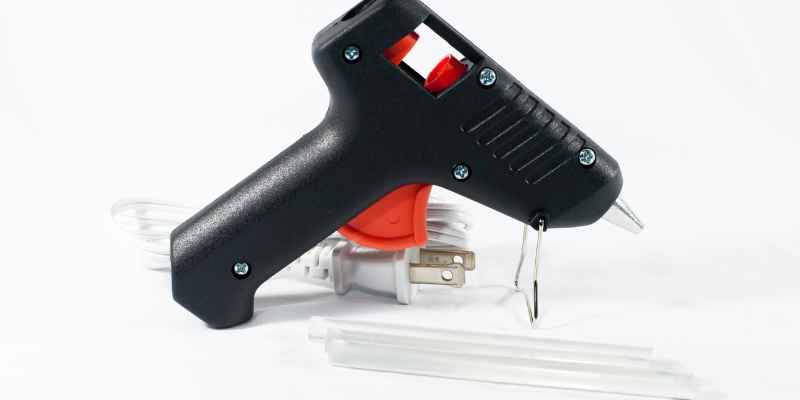
Frequently Asked Questions
What Are Hot Glue Gun Glue Sticks Made Of?
Hot glue sticks are made from thermoplastic polymers, usually ethylene-vinyl acetate (EVA) blends, that melt when heated and re-solidify as they cool. This is what lets the same stick be melted, applied, and re-hardened without any chemical curing step, unlike wood glue or epoxy.
Can I Use Any Glue Stick In My Hot Glue Gun?
No. Your glue gun’s temperature rating and its feed-chamber diameter both have to match the stick. A low-temp gun won’t fully melt a high-temp stick, and a full-size stick physically won’t fit a mini gun’s chamber. Check your gun’s manual or label for both specs before buying sticks.
How Long Does Hot Glue Take To Dry?
Hot glue grabs within 10 to 30 seconds and reaches full bond strength within a few minutes. Hold the pieces together for the first 30 seconds at minimum, and avoid putting stress on the joint until it’s had a few minutes to fully cure.
Are Hot Glue Sticks Waterproof?
Most hot glue sticks are water-resistant, not fully waterproof. They tolerate brief moisture exposure but can soften or lose grip under prolonged water contact. For outdoor projects or anything submerged, use a dedicated waterproof adhesive like marine epoxy instead.
Do Hot Glue Sticks Expire Or Go Bad?
Not in the way liquid glue does. Manufacturers typically list a 12–24 month shelf life, but hot glue sticks stored dry and out of direct sunlight commonly still work fine after several years. The main risk with old sticks is cosmetic: they can yellow slightly or absorb moisture, which causes foaming or sputtering when melted.
Do Both Sizes Of Glue Stick Fit In A Mini Glue Gun?
No. Mini glue guns are built for the 0.27in (7mm) diameter only. A full-size 0.43in (11mm) stick will jam the feed chamber rather than feed through it. See our glue stick size chart for exact measurements before buying.
Conclusion
Matching glue stick to material and gun temperature — not brand — is what determines whether a hot-glued joint holds. Use high-temp, all-purpose sticks like Surebonder or Gorilla for wood, metal, and general repairs; switch to low-temp or specialty sticks for foam, fabric, and delicate plastics; and always confirm your gun’s diameter before buying a multi-pack.
Sponsored / affiliate links. As an Amazon Associate I earn from qualifying purchases. I may earn additional commission from eligible campaigns.