Do Glue Sticks Go Bad?
Glue sticks don’t “go bad” the way food does, but the adhesive inside them does degrade over time – it oxidizes, dries out, and can lose enough tack to fail on a project you’re counting on. There are actually two different products people mean by “glue stick”: the twist-up craft glue stick (like the kind used for paper and school projects) and the solid hot glue stick used in a glue gun. Both degrade, but differently, and knowing which one you have changes how you test it.
Craft Glue Sticks vs. Hot Glue Sticks
Best Hot Glue Sticks for Woodworking
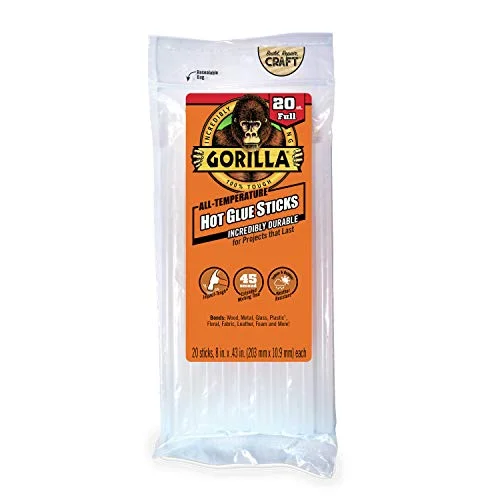 |
Gorilla Hot Glue Sticks, Full Size, 20-Count Rated for both high and low-temp glue guns, with strong enough bond for wood, not just paper crafts.
|
A twist-up craft glue stick is a solid, waxy adhesive (usually PVA-based) applied by rubbing it directly on paper or cardboard – it stays workable at room temperature. A hot glue stick is a solid cylinder of EVA (ethylene-vinyl acetate) plastic that only becomes adhesive when melted in a glue gun. They fail in different ways: craft sticks dry out and crumble in the tube, while hot glue sticks can discolor, become brittle, or absorb moisture that causes popping and bubbling when melted.
How Long Do They Actually Last?
| Type | Typical Shelf Life (unopened) | Typical Shelf Life (opened) |
|---|---|---|
| Craft glue stick (twist-up) | 2-3 years | 1-2 years, faster if the cap is left off |
| Hot glue stick (EVA) | 3-5+ years | Effectively unlimited if kept dry – degradation is driven by moisture and UV, not time alone |
Neither type has a hard expiration the way food does. What actually determines whether a glue stick still works is how it was stored, not the number on a “best by” date – a hot glue stick kept dry and sealed for a decade will often still melt and bond fine, while one left in a humid garage for six months may already be compromised.
Signs a Glue Stick Has Gone Bad
- Discoloration. Fresh hot glue is clear or milky-white; a yellow or amber tint means the EVA has started to oxidize, similar to how old plastic yellows with UV exposure.
- Brittleness or cracking. A hot glue stick that snaps cleanly instead of bending slightly has dried out and may jam in the gun or melt unevenly.
- Popping or bubbling when melted. This means the stick absorbed moisture – the bond will be weaker and more brittle once it cools.
- Crumbling craft glue. A twist-up stick that flakes or crumbles instead of gliding smoothly has dried out past usable.
- No tack after cooling. If a hot glue bond doesn’t grab within a few seconds, or a craft glue spot doesn’t hold paper together, the adhesive has failed regardless of how it looks.
Proper Storage
- Store both types in a cool, dry place away from direct sunlight – heat and UV are the two biggest accelerants for degradation.
- Keep hot glue sticks in their original packaging or a sealed bag; moisture absorption is the single most common cause of a “bad” stick.
- Never leave glue sticks in a hot car or garage that swings through temperature extremes – repeated heat cycling breaks down the adhesive faster than steady storage at any single temperature.
- Keep the cap tightly closed on craft sticks immediately after each use – air exposure is what dries them out, not just time.
Quick Test Before You Commit to a Project
- Melt a small amount of hot glue on scrap material, or rub a craft stick on a scrap of paper.
- Check the color – clear/white for hot glue, consistent color for craft glue, with no yellowing.
- Press the two pieces together and wait the normal set time (10-30 seconds for hot glue, a minute or two for craft glue).
- Try to peel them apart. If the bond holds or the paper tears before the glue releases, the stick is still good.
Low-Temp vs. High-Temp Glue Guns: Does It Matter for Wood?
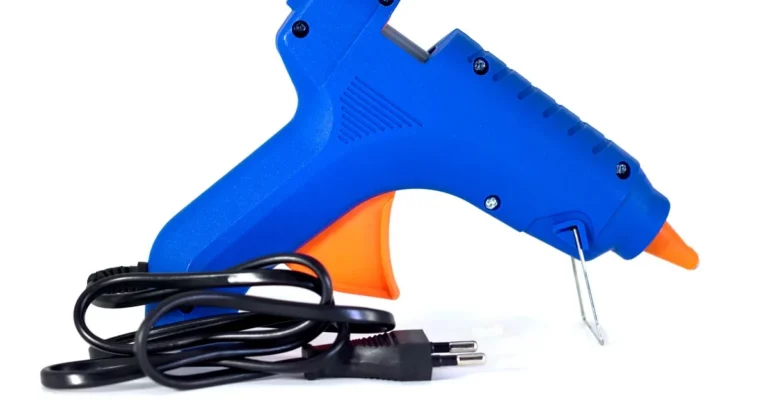
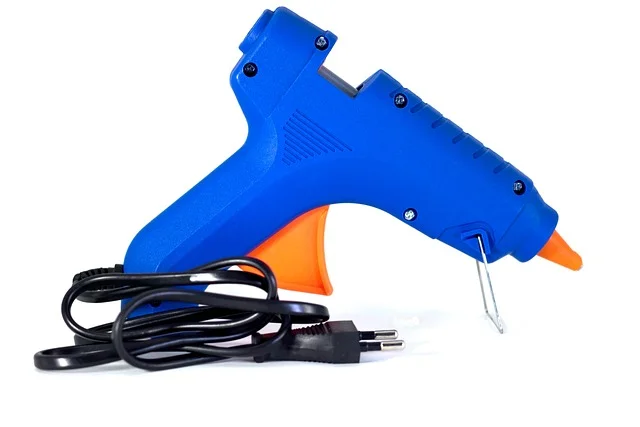
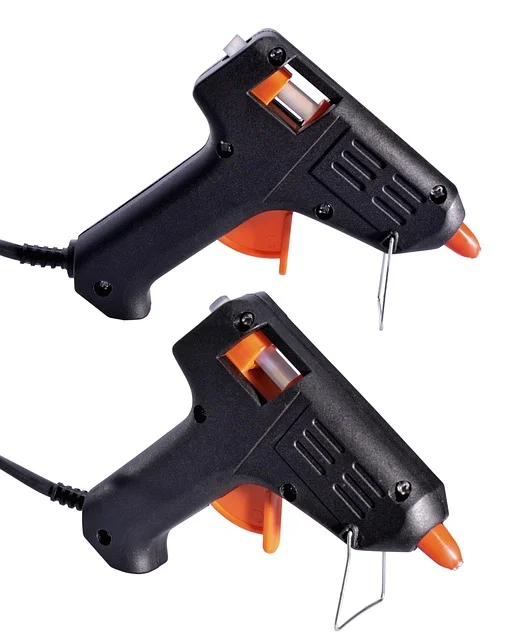
Low-temp guns melt glue around 250°F and are meant for delicate materials like foam, fabric, and thin plastics that would warp or melt under more heat. High-temp guns run around 380°F and bond much better to wood, since the hotter glue penetrates the wood grain slightly before setting, giving a stronger mechanical grip. Most full-size hot glue sticks, including the Gorilla sticks above, are rated for both gun types, but a dedicated high-temp gun will give a noticeably stronger bond on bare wood than the same stick run through a low-temp gun.
Practical Uses for Hot Glue in Woodworking
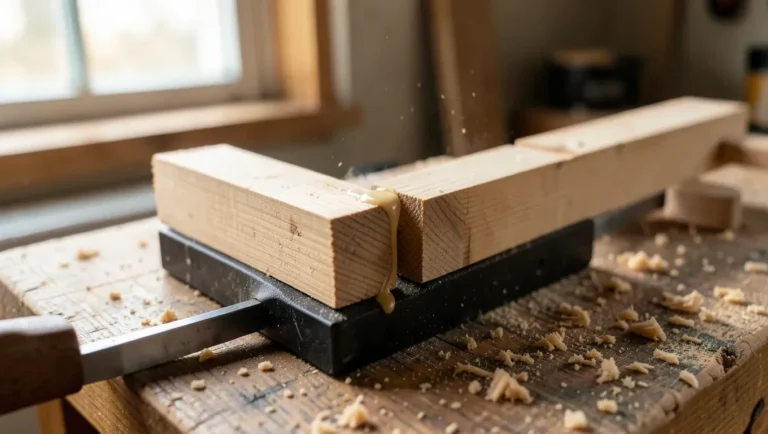
Hot glue isn’t a substitute for wood glue on structural joints, but it earns its place in the shop for a few specific jobs. It’s the fastest way to tack a jig or template in place for a one-off cut, since it releases cleanly with a chisel or heat gun afterward without damaging the workpiece. Woodworkers also use it to temporarily hold small parts during finishing or clamping, secure veneer edges before trimming, and fill small gaps or knots in a pinch when a color-matched wood filler isn’t on hand. The bond is genuinely strong in shear (sideways) but weak in peel (pulling apart), so it works well for holding things flat against a surface and poorly for anything that gets pulled or twisted. This is also why hot glue makes a good “third hand” for holding two pieces steady while a slower-curing wood glue sets in the actual joint underneath – the hot glue holds position, the wood glue does the permanent bonding.
Disposal and Environmental Notes
EVA-based hot glue sticks and most craft glue sticks are not recyclable through standard curbside programs – the adhesive itself is a thermoplastic, but it’s not sorted or processed by residential recycling facilities, so both types go in regular trash. A few glue stick brands (mostly European) now offer refillable dispensers with paper-wrapped glue cores to cut down on plastic tube waste, and some hot glue formulations marketed as “eco” use a higher percentage of bio-based EVA, though the environmental difference in landfill is minor either way. The more practical impact is simply buying only what you’ll use within a couple of years and storing it properly, since a dried-out or degraded stick that gets thrown away unused is the real waste, not the plastic packaging itself.
How to Remove Hot Glue Without Damaging Wood
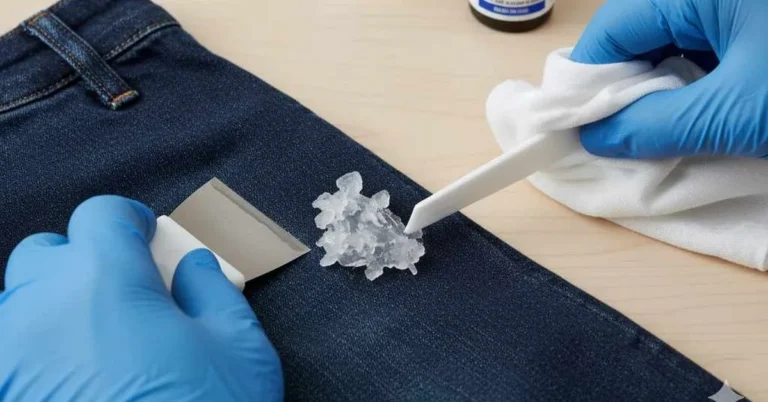
Once hot glue cools, it releases from wood more easily than most people expect. Warm the glued area with a heat gun on low or a hair dryer for 20-30 seconds to soften it, then slide a plastic putty knife or old gift card under the edge and lift – a metal scraper risks gouging the wood surface. For any residue left behind, rubbing alcohol on a cloth will dissolve the last of the EVA without affecting most finishes, though it’s worth testing on a hidden spot first if the piece has a delicate or oil-based finish. Acetone works faster than rubbing alcohol on stubborn residue, but it will strip lacquer and some paints, so reserve it for bare or unfinished wood only. Avoid pulling on cooled glue without warming it first; a fully hardened bond is more likely to tear wood fibers than release cleanly.
Frequently Asked Questions
Do glue sticks expire?
Not in the food-expiration sense, but the adhesive degrades over time through oxidation and moisture absorption. A “best by” date is a manufacturer estimate, not a hard cutoff – storage conditions matter more than the date itself.
How long do glue sticks last?
Craft glue sticks typically last 1-3 years depending on whether they’re opened; hot glue sticks can last 3-5+ years if kept dry, since moisture and heat cycling – not age alone – are what actually break them down.
How do I store glue sticks properly?
Keep them in a cool, dry, dark place. Reseal craft glue stick caps immediately after use, and keep hot glue sticks in a sealed bag or their original packaging to block humidity.
Can old glue sticks be revived?
A dried-out craft glue stick generally can’t be revived. A hot glue stick that’s just discolored (not brittle or crumbling) will often still melt and bond fine – the color change alone doesn’t always mean the adhesive has failed, so it’s worth testing on scrap before discarding.
Conclusion
Glue sticks degrade from moisture, heat, and air exposure – not from a calendar date. Store them dry and sealed, test on scrap before an important project, and don’t assume a stick is dead just because it’s a few years old or slightly discolored — a quick test on scrap costs thirty seconds and saves a ruined project.
Sponsored / affiliate links. As an Amazon Associate I earn from qualifying purchases. I may earn additional commission from eligible campaigns.