How Can You Tell If Wood is Mahogany: Uncover Signs!
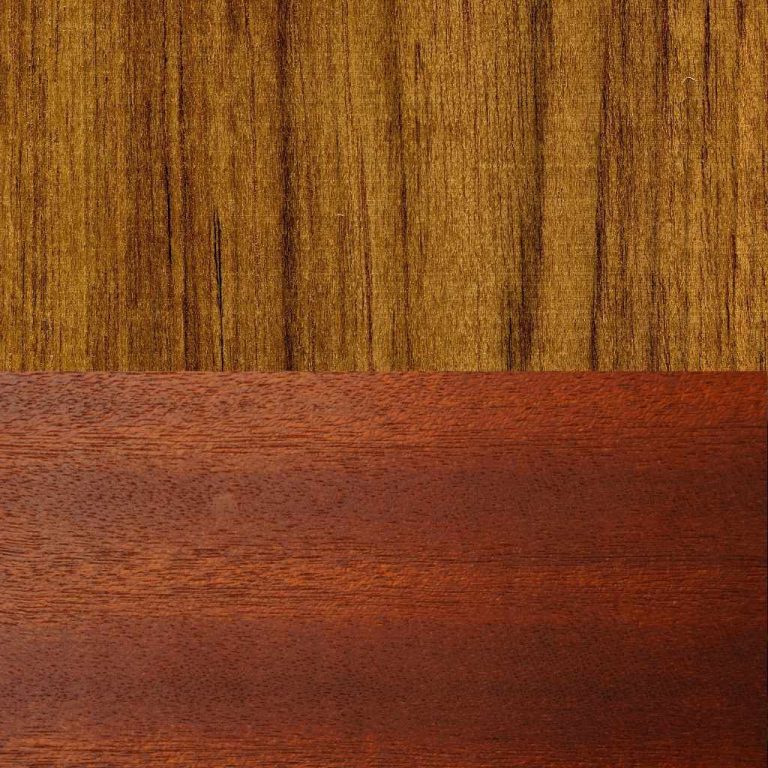
To determine if wood is mahogany, check its rich reddish-brown color and fine, straight grain. Genuine mahogany has a distinctive aroma that sets it apart from other woods.
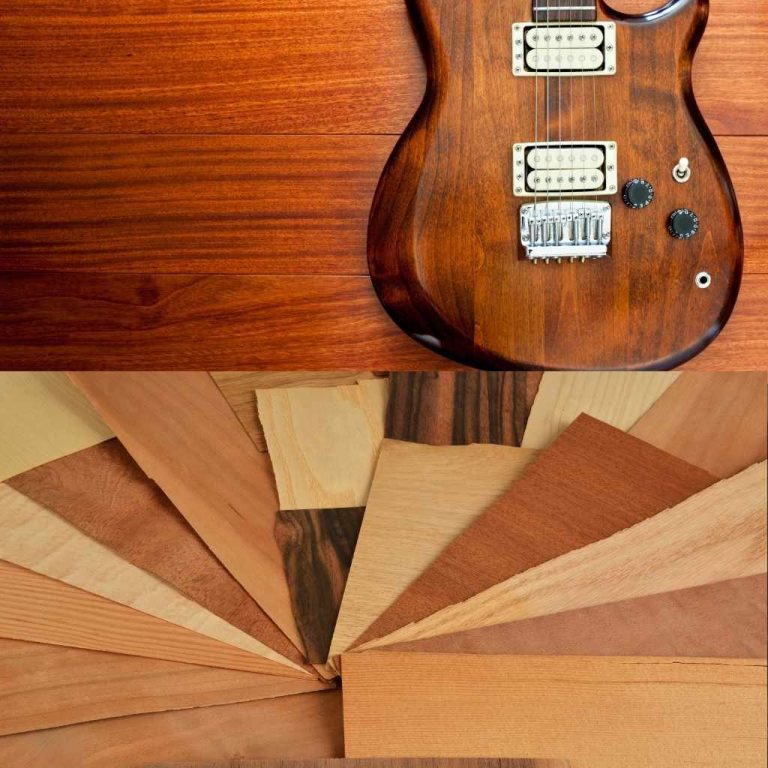
Mahogany is a highly sought-after hardwood known for its durability and beauty. Often used in fine furniture and cabinetry, it offers a warm, luxurious appearance. The wood originates primarily from Central and South America, making it a valuable resource. Recognizing mahogany can be crucial for both buyers and sellers in woodworking and furniture industries.
Its unique characteristics not only contribute to its aesthetic appeal but also enhance its longevity and resistance to wear. Familiarity with mahogany’s traits helps in making informed decisions for any woodworking project.
The Allure Of Mahogany
Mahogany is more than just a type of wood. It has a rich legacy. Known for its stunning beauty and durability, mahogany captivates woodworkers and homeowners alike. The deep, reddish-brown color adds warmth to any space. This wood brings a touch of elegance to furniture and decor.
Rich History
Mahogany has a fascinating past. It has been prized for centuries. Here are some key points about its history:
- Used by ancient civilizations like the Maya.
- Popular in the 18th century for fine furniture.
- Often associated with luxury and craftsmanship.
- Harvested mainly in tropical regions.
Craftsmen have honed their skills with mahogany over generations. Its use in shipbuilding and cabinetry showcases its strength.
Unique Characteristics
Mahogany features several unique traits. Identifying it can be simple. Here are some characteristics to note:
| Characteristic | Description |
|---|---|
| Color | Rich reddish-brown that deepens over time. |
| Grain | Straight, fine grain with occasional waves. |
| Weight | Heavy and dense, providing durability. |
| Smell | Distinctive, sweet aroma when cut. |
Mahogany is resistant to moisture. It does not warp easily. This makes it perfect for humid environments.
Its natural luster enhances any finish applied. Mahogany’s beauty and strength make it a top choice.
Identifying True Mahogany
Identifying true mahogany is essential for quality woodworking. Knowing how to recognize this prized wood helps ensure authenticity. Here are key factors to determine if wood is genuine mahogany.
Species Authenticity
True mahogany belongs to the Swietenia genus. Several species exist, but two are most common:
- Swietenia macrophylla – Also known as Honduras mahogany.
- Swietenia mahagoni – Known as Cuban mahogany.
Look for these characteristics to confirm species:
| Characteristic | Honduras Mahogany | Cuban Mahogany |
|---|---|---|
| Color | Reddish-brown | Dark reddish-brown |
| Grain | Straight, interlocked | Fine, even |
| Texture | Smooth | Fine and silky |
Geographical Origins
Geographical origin affects mahogany’s quality. True mahogany primarily grows in:
- Central America
- South America
- The Caribbean
Check for the following:
- Wood sourced from reputable suppliers.
- Certification indicating sustainable practices.
- Documentation confirming geographic origin.
Understanding these aspects helps verify if wood is true mahogany. Make informed choices for your woodworking projects.
Wood Grain And Texture
Identifying mahogany wood requires attention to its unique grain and texture. These features make mahogany easily recognizable. Understanding the grain patterns and texture variations helps distinguish it from other woods.
Grain Patterns
Mahogany has distinct grain patterns. Its grains are usually straight or slightly wavy. Here are some key characteristics:
- Color: Rich reddish-brown hue.
- Grain: Often features a fine, even texture.
- Variation: Can show interlocking patterns.
Some mahogany pieces may display a striped effect. This adds to its aesthetic appeal. Look for these patterns to confirm its authenticity.
Texture Variations
The texture of mahogany can vary significantly. It generally feels smooth and silky. Consider these points:
| Texture Type | Description |
|---|---|
| Fine Texture | Feels smooth and soft to touch. |
| Coarse Texture | Rougher feel, may have visible grain. |
Mahogany’s smoothness makes it ideal for furniture. It takes stains and finishes very well. Always check for a consistent texture across the surface.
Color Indicators
Color is a key factor in identifying mahogany wood. Understanding its natural hues and age-related changes helps in accurate identification.
Natural Hues
Mahogany exhibits a range of beautiful colors. Here are some common hues:
- Rich Red-Brown: The classic color of new mahogany.
- Golden Brown: Some pieces may show a lighter tone.
- Dark Brown: Older mahogany can deepen over time.
Inspect the grain patterns as well. Mahogany often has a straight grain. It may also have a slight wave or curl.
As mahogany ages, its color may change. Here are some age-related color indicators:
| Age of Wood | Typical Color |
|---|---|
| New | Rich Red-Brown |
| 5-10 Years | Golden Brown |
| 20+ Years | Dark Brown |
Exposure to light and air can also alter its shade. Mahogany tends to darken naturally over time.
Density And Hardness
Understanding the density and hardness of wood helps identify mahogany. Mahogany is known for its strength and durability. These traits make it popular for furniture and woodworking.
Weight Considerations
Mahogany has a medium to high density. Its weight can be a key indicator. Here are some important points:
- Mahogany typically weighs between 30 to 50 pounds per cubic foot.
- Heavier wood suggests higher density, a characteristic of mahogany.
- Compare weights with known mahogany samples for accuracy.
Hardness Tests
Testing hardness can confirm if wood is mahogany. The Janka hardness test is commonly used. This test measures how resistant wood is to denting.
| Wood Type | Janka Hardness (LBF) |
|---|---|
| Mahogany | 800 – 900 |
| Oak | 1200 – 1300 |
| Pine | 690 |
Performing a hardness test helps compare mahogany with other woods. A score between 800 to 900 lbf indicates mahogany. Use this method to verify wood type easily.
Reactions To Chemicals
Identifying mahogany wood can be tricky. One effective method is through chemical reactions. Certain chemicals react uniquely with mahogany. These reactions help you confirm its identity.
Common Chemical Tests
Several tests can help identify mahogany. Here are some common ones:
- Alcohol Test: Apply denatured alcohol. Mahogany shows a reddish-brown color.
- Formalin Test: Use formalin on a small wood sample. Mahogany turns dark brown.
- Chlorinated Solvent Test: Apply a chlorinated solvent. Look for a change in color.
Interpreting Results
Understanding the results is crucial. Here’s how to interpret each test:
| Test | Expected Reaction | Indication |
|---|---|---|
| Alcohol Test | Reddish-brown color | Positive for mahogany |
| Formalin Test | Dark brown color | Positive for mahogany |
| Chlorinated Solvent Test | Color change | Possible mahogany |
Always conduct tests on a small piece of wood. This prevents damage to larger items. Different woods may react similarly. Confirm results before making any decisions.
Workability And Finishing
Understanding how to work with mahogany is essential for woodworkers. Its unique properties affect both cutting and finishing. Knowing these traits helps achieve the best results in your projects.
Ease Of Cutting
Mahogany is known for its excellent workability. It cuts smoothly and cleanly. Here are some points to consider:
- Tools: Use sharp saws and blades.
- Grain: The straight grain allows for easy cutting.
- Resistance: It resists chipping and splintering.
This wood is suitable for both hand and power tools. Crafting furniture becomes enjoyable due to its manageable nature.
Finishing Qualities
Mahogany finishes beautifully. It takes stains and varnishes well. Here are some finishing qualities to note:
| Finishing Type | Effect on Mahogany |
|---|---|
| Stains | Enhances rich color and grain patterns |
| Varnish | Provides a glossy, protective layer |
| Oil | Deepens color and adds warmth |
Choosing the right finish is crucial. It highlights the natural beauty of mahogany. Proper preparation ensures a smooth application. Sanding before finishing enhances the final look.
Faux Mahogany: Spotting The Fakes
Identifying real mahogany can be tricky. Many products mimic its look. Knowing how to spot these fakes is essential. This section helps you discern authentic mahogany from its imitations.
Common Imitations
Several woods mimic mahogany’s rich appearance. Here are some common imitations:
- Cherry: Has a reddish hue but is lighter.
- Birch: Often stained to look like mahogany.
- Poplar: A cheap alternative often used in furniture.
- Red Oak: Features prominent grain patterns unlike mahogany.
| Wood Type | Appearance | Texture |
|---|---|---|
| Cherry | Reddish, smooth finish | Soft, fine texture |
| Birch | Light with reddish stains | Smooth, consistent |
| Poplar | Greenish or yellowish | Soft, easy to work with |
| Red Oak | Dark with visible grain | Coarse, rough feel |
Avoiding Deception
To avoid buying fake mahogany, consider these tips:
- Check the grain: Real mahogany has a fine, straight grain.
- Inspect the color: Authentic mahogany features deep, rich tones.
- Feel the texture: Genuine mahogany feels smooth and warm.
- Smell the wood: Mahogany has a distinct aroma when cut.
- Ask for certification: Look for proof of authenticity.
These steps help ensure you get real mahogany. Avoid disappointment with your purchase.
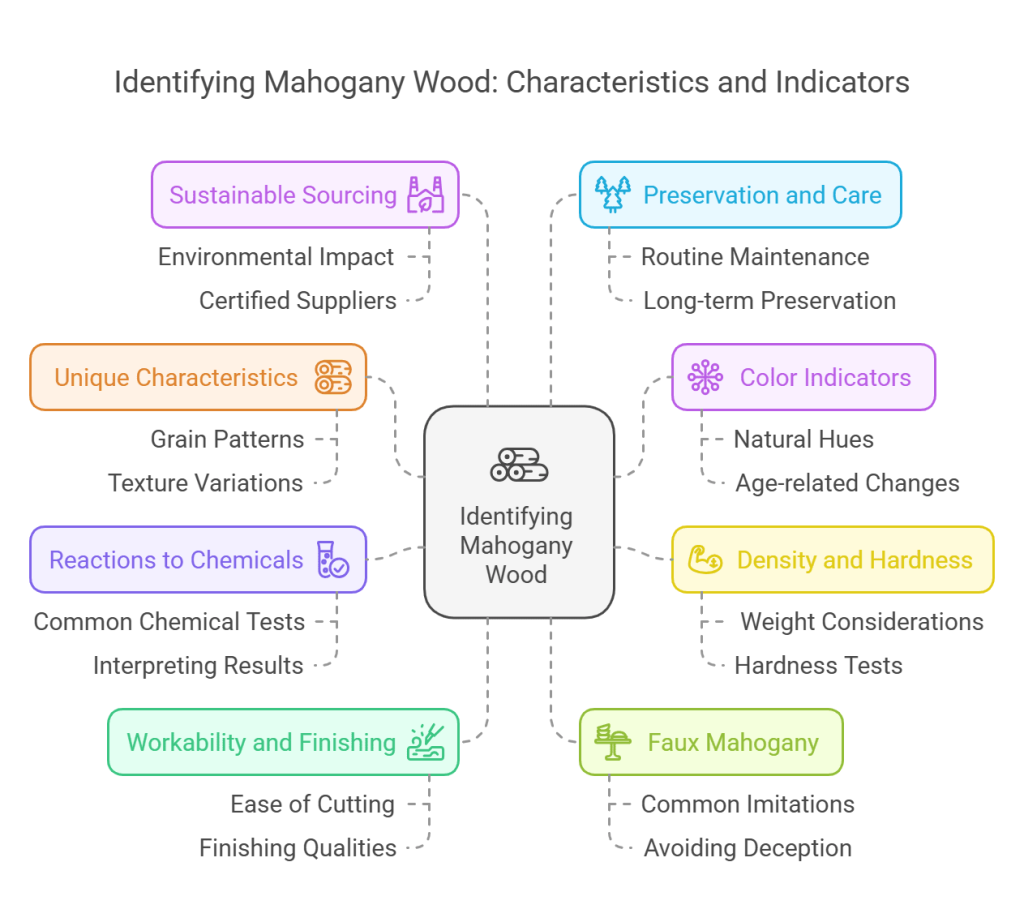
The Importance Of Sustainable Sourcing
Sustainable sourcing is crucial for protecting our forests. Choosing wood, especially mahogany, responsibly helps maintain biodiversity. It ensures that future generations enjoy these natural resources.
Many mahogany trees are endangered. Unsustainable logging harms ecosystems. Protecting these trees benefits wildlife and communities. Responsible sourcing promotes ethical practices in the wood industry.
Environmental Impact
The environmental impact of wood sourcing is significant. Unsustainable practices lead to:
- Deforestation: Loss of trees disrupts habitats.
- Soil Erosion: Fewer trees lead to soil loss.
- Climate Change: Trees absorb carbon dioxide.
Choosing sustainably sourced mahogany helps mitigate these issues. It supports forest regeneration and keeps ecosystems healthy.
Certified Suppliers
Buying from certified suppliers ensures responsible sourcing. Look for certifications like:
| Certification | Description |
|---|---|
| FSC | Forest Stewardship Council: Promotes sustainable forestry. |
| PEFC | Programme for the Endorsement of Forest Certification: Ensures sustainable practices. |
These certifications guarantee that mahogany comes from responsibly managed forests. Choose suppliers committed to sustainability.
Preservation And Care For Mahogany Wood
Mahogany wood is famous for its beauty and durability. Proper care keeps it looking great for years. Following specific preservation techniques ensures your mahogany remains a stunning feature in your home.
Routine Maintenance
Routine maintenance is crucial for mahogany wood. Simple tasks can enhance its longevity. Here are some key steps:
- Dust Regularly: Use a soft cloth to remove dust.
- Avoid Moisture: Keep the wood dry to prevent warping.
- Use Furniture Polish: Apply a suitable polish every few months.
These practices help maintain the wood’s natural shine and color. Always test new products on a small area first.
Long-term Preservation
Long-term preservation requires more in-depth care. Follow these guidelines to protect your mahogany:
| Action | Frequency |
|---|---|
| Apply Wood Conditioner | Every 6 months |
| Check for Scratches | Monthly |
| Refinish the Surface | Every 2-3 years |
Using these methods helps prevent damage. Store mahogany in a stable environment, away from direct sunlight. This protects its rich color and texture.
Frequently Asked Questions
How Can I Identify Mahogany Wood?
To identify mahogany wood, look for its rich reddish-brown color and fine grain. Genuine mahogany has a straight, uniform pattern. It’s also known for its durability and resistance to warping. Additionally, mahogany tends to have a sweet, distinctive aroma when cut.
What Are The Characteristics Of Mahogany?
Mahogany is prized for its deep, warm color and smooth texture. It features a straight grain and may have some dark streaks. This wood is strong yet lightweight, making it ideal for furniture. Its resistance to moisture also enhances its durability, making it a popular choice for various applications.
Is Mahogany Wood Expensive?
Yes, mahogany wood is generally considered expensive. Its high cost is due to its rarity and desirable properties. Sustainable sourcing has also affected its price. While it can be pricey, investing in genuine mahogany often pays off in quality and longevity.
Where Does Mahogany Wood Come From?
Mahogany wood primarily comes from tropical regions of Central and South America. The most well-known species are Swietenia macrophylla and Swietenia mahagoni. These trees thrive in humid environments and are harvested responsibly to ensure sustainability. Understanding its origin can help in identifying authentic mahogany.
Conclusion
Identifying mahogany wood can enhance your woodworking projects. Remember to check the color, grain patterns, and weight. Using these tips will help you distinguish mahogany from other woods. With practice, you’ll gain confidence in your ability to identify this beautiful material.
Enjoy your woodworking journey!