Mahogany Wood Dowels: Sizes (1/4″–1″), Strength & Best Uses
Mahogany dowel rods run from 1/4″ up to 1″ in diameter and carry roughly 800–900 lbf of Janka hardness – strong enough for load-bearing furniture joinery, not just craft sticks. Undersized dowels or the wrong glue snap at the joint under stress, especially in chairs and table legs. This guide covers the exact sizes to buy for each project, how mahogany compares to oak and poplar for strength, and the drilling, gluing, and finishing steps that keep a dowel joint from failing.
What Sizes Do Mahogany Wood Dowels Come In?
Mahogany dowel rods are commonly sold in six diameters – 1/4″, 3/8″, 1/2″, 5/8″, 3/4″, and 1″ – in stock lengths of 12″, 24″, 36″, and 48″. The diameter you need depends on the joint’s load, not just the size of the hole you can drill.
| Diameter | Best For | Typical Length |
|---|---|---|
| 1/4″ | Shelf pins, small craft joints, alignment pegs | 12″–36″ |
| 3/8″ | Cabinet doors, drawer boxes, light joinery | 24″–36″ |
| 1/2″ | Chair rails, face-frame joints, general furniture | 36″ |
| 5/8″ | Table aprons, mid-weight structural joints | 36″ |
| 3/4″ | Table legs, bed rails, heavy assembly | 36″–48″ |
| 1″ | Load-bearing posts, large structural pegs | 36″–48″ |
One detail most retailers don’t mention: a “3/8-inch” dowel is rarely a true 0.375″. Most kiln-dried hardwood dowels run 0.005″–0.015″ undersized so they slide into a matching drill bit hole without swelling the joint apart once glue is added. If you’re using a doweling jig with bushings sized to nominal dimensions, dry-fit one dowel before drilling a full set – a batch that’s on the loose end of that tolerance needs a thicker glue (see the installation steps below) to fill the gap.
Best Mahogany Dowel Rod Pick
 |
Mahogany Wooden Dowel Rods, 3/4 x 12 Inches, Sanded Smooth Genuine kiln-dried mahogany, pre-sanded and ready to cut to length for table-leg and structural joinery projects.
|
As an Amazon Associate we earn from qualifying purchases.
How Strong Are Mahogany Dowels Compared to Other Woods?
Mahogany is a medium-hard hardwood – strong enough for structural dowel joints but softer than red oak, so it won’t hold up to the same repeated racking stress in a heavy dining chair without reinforcement.
| Wood | Janka Hardness (lbf) | Best Use for Dowels |
|---|---|---|
| Red Oak | ~1,290 | High-stress structural joints, chair stretchers |
| Mahogany | ~800–900 | Furniture joinery, table legs, decorative pegs |
| Poplar | ~540 | Light-duty joints, hidden interior joinery |
| Pine | ~380–420 | Craft projects only, not structural joints |
For a mahogany chair or table leg that takes constant weight and racking, mahogany’s hardness is adequate as long as the joint is glued correctly and the hole isn’t oversized – the glue bond, not the dowel’s raw hardness, is usually what fails first.
How to Install Mahogany Dowels for a Joint That Won’t Fail
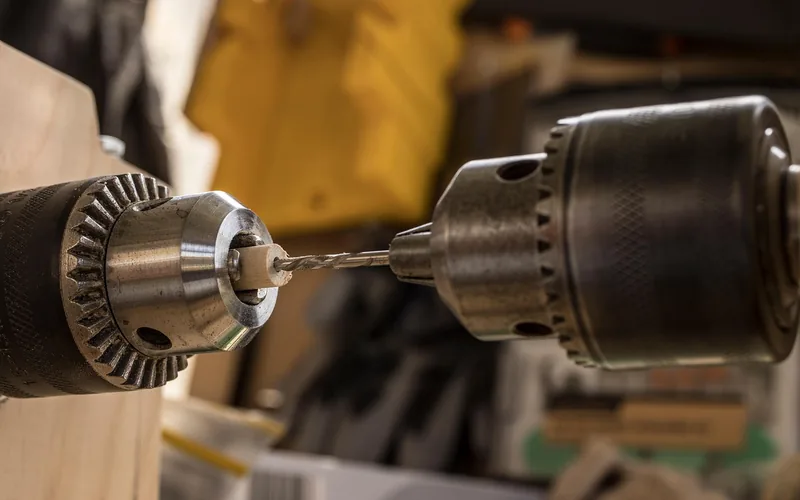
- Match the bit to the dowel, not the label: drill test holes in scrap first – use the bit that gives a snug push-fit, since actual dowel diameter runs slightly under the printed size.
- Mark depth with tape: wrap a strip of tape around the bit at a depth 1/16″ deeper than the dowel will sit, so trapped glue and air have somewhere to go.
- Cut a glue relief groove: run a shallow groove or a few knife scores down the dowel’s length so excess glue can escape instead of hydraulic-locking the joint.
- Use PVA wood glue, not epoxy: a standard yellow or white PVA glue (like Titebond) grips end grain and long grain evenly; epoxy is overkill and harder to clean up squeeze-out.
- Clamp for the full cure time: most PVA glues need 20–30 minutes of clamp pressure and 24 hours before the joint takes full load – rushing this is the single most common reason a “solid” dowel joint fails within the first month of use.
The relief groove matters more than most guides admit: without one, a snug dowel in a blind hole can hydraulically lock on trapped glue before it seats fully, leaving a joint that looks tight but never actually pulled together. A quick visual check after clamping – the two mating surfaces should close with no visible gap and a thin, even bead of squeeze-out – tells you the joint seated correctly before the glue sets.
Best Finish for Mahogany Dowels
| Finish Type | Dry Time | Best For |
|---|---|---|
| Oil-based stain | 6–8 hrs between coats | Deepening mahogany’s natural reddish-brown tone |
| Tung or Danish oil | 4–6 hrs, several thin coats | Natural look, hand-rubbed finish on exposed dowel ends |
| Water-based polyurethane | 2–3 hrs, dries fast | Clear protective topcoat with minimal color shift |
| Oil-based polyurethane | 8–12 hrs | Maximum durability on high-wear joints and legs |
Sand to 220-grit before finishing – mahogany’s tight grain telegraphs any leftover 120-grit scratch marks straight through a stain. Wipe with a tack cloth, not a damp rag, since raising the grain with water before an oil-based stain causes a slightly fuzzy surface.
Mahogany Dowels vs. Dowel Pins vs. Biscuit Joints
A plain dowel rod cut to length isn’t the only way to join mahogany – pre-grooved dowel pins and biscuit joinery solve the same problem differently, and picking the wrong one costs you either strength or setup time.
| Method | Setup Tools | Best For | Drawback |
|---|---|---|---|
| Cut mahogany dowel rod | Drill, dowel jig | Custom lengths, matching wood species for visible joints | Manual grooving needed for glue relief |
| Pre-grooved dowel pins | Drill, dowel jig | Fast production joinery, consistent glue relief built in | Usually sold in birch or beech, not mahogany, so color won’t match exposed ends |
| Biscuit joint | Biscuit joiner | Panel glue-ups, cabinet carcasses, alignment over strength | Weaker than a dowel in a high-stress structural joint like a chair rail |
If the dowel end will be visible – a through-tenon-style accent on a table leg, for example – a cut mahogany rod is the only option that matches the surrounding wood’s color and grain. For hidden structural joints where speed matters more than appearance, pre-grooved birch dowel pins work fine and save the step of cutting your own relief groove.
Buying Mahogany Dowels: What to Check Before You Order
Not every dowel labeled “mahogany” is genuine Honduran or Cuban mahogany – some budget listings use Philippine mahogany (a different, unrelated species group) or a stained substitute wood. Before ordering, check for these details, and see our full mahogany grades and buying guide for pricing by board foot:
- Species named specifically: listings that say “genuine mahogany” or name Swietenia macrophylla are more reliable than ones that just say “mahogany-style” or “mahogany finish.”
- Straight, tight grain with no visible knots: genuine mahogany has a fine, straight-to-slightly-interlocked grain – heavy knots or a coarse, open grain usually signal a different species.
- Consistent diameter along the full length: a dowel that tapers or varies by more than about 1/32″ end to end will bind in a jig bushing and is a sign of poor milling.
- Kiln-dried, not air-dried: kiln-dried stock is less likely to warp or shrink after you’ve already drilled and glued a joint.
Common Mistakes When Working With Mahogany Dowels
- Drilling an oversized hole “for an easier fit”: this is the top cause of a loose, rattling joint – a dowel should require light mallet pressure to seat, not drop in freely.
- Mixing dowel stock from two different suppliers in one project: “3/8-inch” varies enough between manufacturers that a batch from one brand may not match holes drilled for another – buy all dowels for a project from the same source.
- Skipping the glue relief groove: a smooth dowel driven into a tight blind hole traps glue and can hydraulically split the surrounding wood before it ever seats fully.
- Cutting dowels flush before the glue cures: trimming a proud dowel end with a flush-cut saw while the glue is still wet can shift it in the hole; wait for a full cure first.
Frequently Asked Questions
What are mahogany wood dowels used for?
Mahogany dowels are used for furniture joinery – table legs, chair rails, cabinet doors – as well as decorative pegs and craft projects. Their strength and fine, tight grain make them suitable for both structural joints and visible decorative accents.
What size dowel should I use for a furniture joint?
Use 3/8″–1/2″ for cabinet and drawer joinery, 1/2″–5/8″ for chair rails and general furniture, and 3/4″ or larger for table legs and other load-bearing assemblies. Always dry-fit before committing to a full batch of holes.
How strong is mahogany compared to oak for dowels?
Mahogany runs about 800–900 lbf on the Janka hardness scale versus roughly 1,290 lbf for red oak, so oak resists denting and repeated stress slightly better. For most furniture joinery, mahogany’s hardness is more than adequate as long as the glue-up is done correctly.
Can I stain or paint mahogany dowels?
Yes. Mahogany’s tight, straight grain takes oil-based stain evenly with minimal blotching. Sand to 220-grit first, then apply stain or oil finish and let each coat cure fully before adding a protective topcoat.
Conclusion
Mahogany dowels earn their place in furniture joinery when the size matches the load, the hole is drilled to the dowel’s actual diameter rather than its nominal label, and the glue-up gets a full cure before the joint takes weight. Pick the diameter from the size chart above, add a relief groove before gluing, and finish with an oil-based stain to bring out mahogany’s natural reddish-brown grain.
Sponsored / affiliate links. As an Amazon Associate I earn from qualifying purchases. I may earn additional commission from eligible campaigns.
 PATIKIL 5/8 x 8 Inch Wooden Dowel Rod, 30 Pcs Wood Dowels Unfinished Round Wood Sticks Precut Wooden Rods for Craft DIY Projects Home Decor, Natural Color
 PATIKIL 3/4 x 8 Inch Wooden Dowel Rod, 8 Pcs Wood Dowels Unfinished Round Wood Sticks Precut Wooden Rods for Craft DIY Projects Home Decor, Natural Color