How Do Cedar Trees Release Pollen? The Real Trigger Explained
Male cedar and juniper trees release pollen when their small brown cones dry out and physically curl open, usually in the hours right after a cold front pushes through with dry, gusty wind. In central Texas, this happens almost entirely from December through February – most “cedar” doing this is actually Ashe juniper, a different genus from true cedar trees entirely.
The “Cedar” in Cedar Fever Isn’t Really Cedar
BEST FOR OUTDOOR POLLEN SEASON
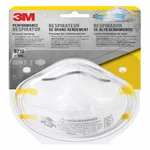 |
3M N95 Respirator 8210 – $6.98 The same NIOSH-rated N95 filtration woodworkers already use for sanding dust also blocks the airborne cedar/juniper pollen grains behind cedar fever – a dual-purpose mask worth keeping in the shop during pollen season.
|
What most people call a “cedar tree” causing winter allergies in Texas is Juniperus ashei, or Ashe juniper – a true juniper, not a member of the Cedrus genus that includes actual cedars like Lebanon or Atlas cedar. Eastern redcedar (Juniperus virginiana), common further east and north, is also a juniper despite the name. The mix-up dates back to early American settlers who used “cedar” loosely for any aromatic evergreen conifer, and it stuck. Genetically, these junipers are more closely related to cypress trees than to genuine cedar.
Only Male Trees Release Pollen
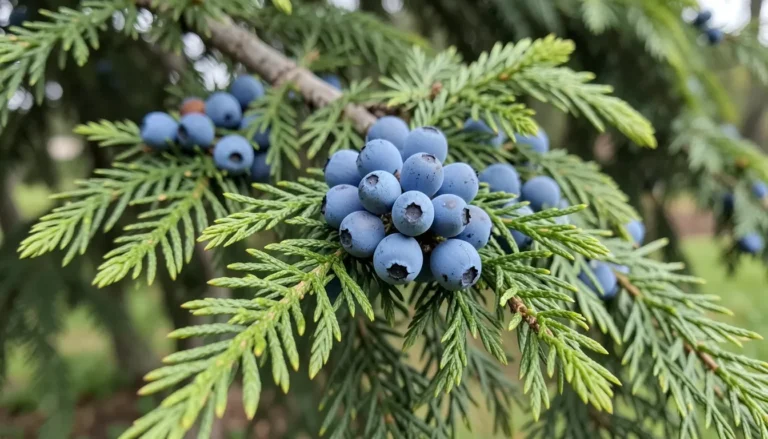
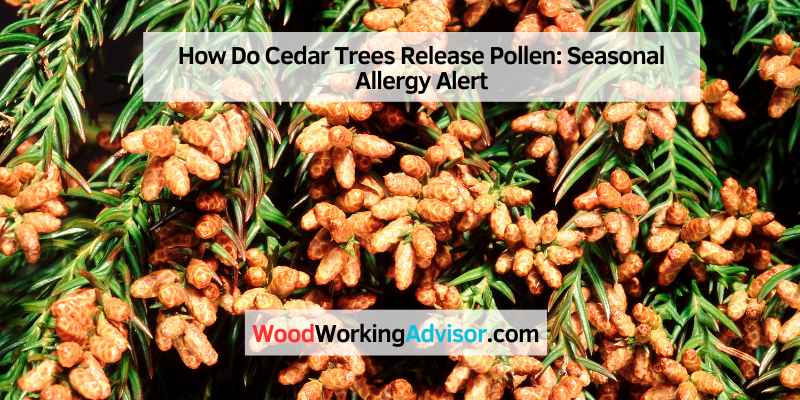
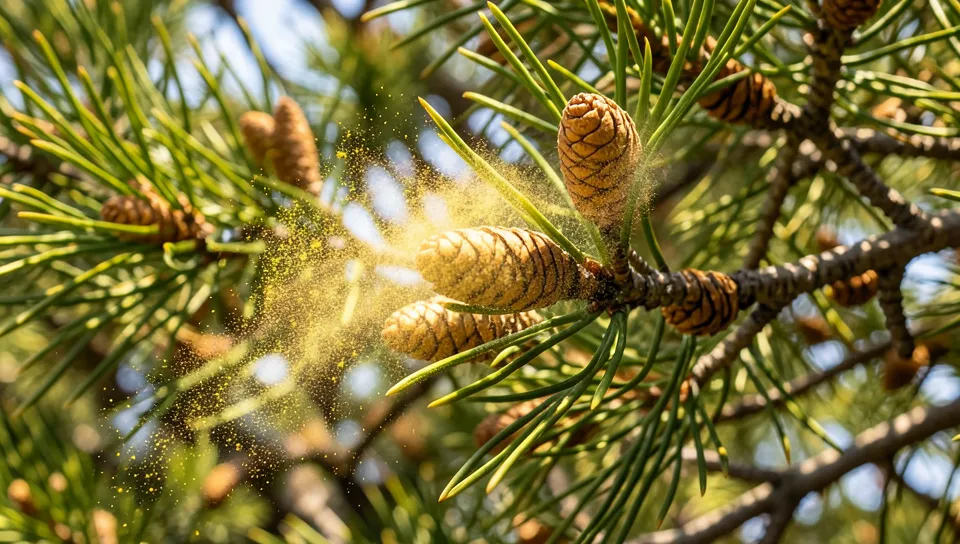
Ashe juniper is dioecious, meaning individual trees are either entirely male or entirely female – unlike most trees, which carry both male and female reproductive structures on the same plant. Male trees grow small, tan-to-golden cones at their branch tips that look almost like tiny flower buds; these are the structures that dry out and release pollen. Female trees instead grow small, waxy blue-green cones (often mistaken for berries), which never produce pollen at all – they’re the ones that catch pollen drifting from male trees nearby. If you want to identify which specific trees on your property are contributing to your symptoms, checking for the golden male cones in late fall is the way to do it before pollen season starts.
What Actually Triggers a Release
The male cones need to dry out to release their pollen, so the trigger isn’t cold itself – it’s the drop in humidity and rise in wind that typically follows a cold front’s passage. As the front pushes through, the drier air shrinks the cone scales, they curl back, and wind knocks the loosened pollen free in visible tan or yellow clouds that can be dense enough to see from a distance. Calm, humid, or rainy days produce far less airborne pollen even during peak season, since moisture keeps the cones closed and any released pollen tends to fall out of the air or wash out with rain rather than staying airborne.
Once airborne, cedar and juniper pollen grains are small and light enough to travel long distances on wind currents – documented cases have tracked Texas cedar pollen drifting hundreds of miles from its source. That’s part of why symptoms can flare even for people who don’t live anywhere near a dense stand of juniper.
Season and Timing
Ashe juniper’s pollen season runs primarily from December through February in central Texas, with activity often peaking in January – a distinctly different calendar from the spring tree-pollen season (oak, elm, pecan) that follows a few months later and from summer grass pollen. Within a pollination day, counts are typically highest from morning through midday as the sun-warmed air dries the cones further, tapering off later in the afternoon and overnight. For managing symptoms rather than the botany behind them, our guide to recognizing cedar fever symptoms and our cedar fever relief guide cover what to do once exposure has already happened.
Reducing Exposure
- Check local pollen counts the morning after a cold front and limit outdoor time during forecasted high-count windows.
- Keep windows closed and run HVAC on recirculate rather than fresh-air intake during peak weeks.
- Wear an N95-rated mask for yard work or outdoor woodworking on high-count days – the same filtration rating that blocks fine sanding dust also blocks pollen grains.
- Change clothes and rinse off after extended time outdoors, since pollen clings to hair and fabric and keeps triggering symptoms indoors otherwise.
Frequently Asked Questions
Is cedar fever caused by a true cedar tree?
No. What’s commonly called “cedar” in Texas is actually Ashe juniper (Juniperus ashei), a true juniper rather than a member of the Cedrus genus that includes real cedar trees. The naming mix-up goes back to early settlers using “cedar” loosely for aromatic evergreens.
Do all cedar and juniper trees release pollen?
No. Ashe juniper is dioecious, meaning individual trees are either male or female. Only male trees, identifiable by small golden-tan cones at their branch tips, release pollen. Female trees grow waxy blue-green cones and never produce pollen.
What weather triggers cedar pollen release?
The drop in humidity and rise in wind that typically follows a cold front dries out the male cones until they curl open, and wind then carries the released pollen into the air. Calm, humid, or rainy conditions produce far less airborne pollen even during peak season.
Bottom Line
Cedar pollen release comes down to biology and weather: only male juniper trees produce it, and a cold front’s dry, gusty air is what physically triggers their cones to open. Knowing that lets you predict high-pollen days from the weather forecast alone and take precautions – masking up, closing windows, limiting outdoor time – before symptoms hit rather than after.
Sponsored / affiliate links. As an Amazon Associate I earn from qualifying purchases. I may earn additional commission from eligible campaigns.