How Do You Dissolve Super Glue? Essential Guide
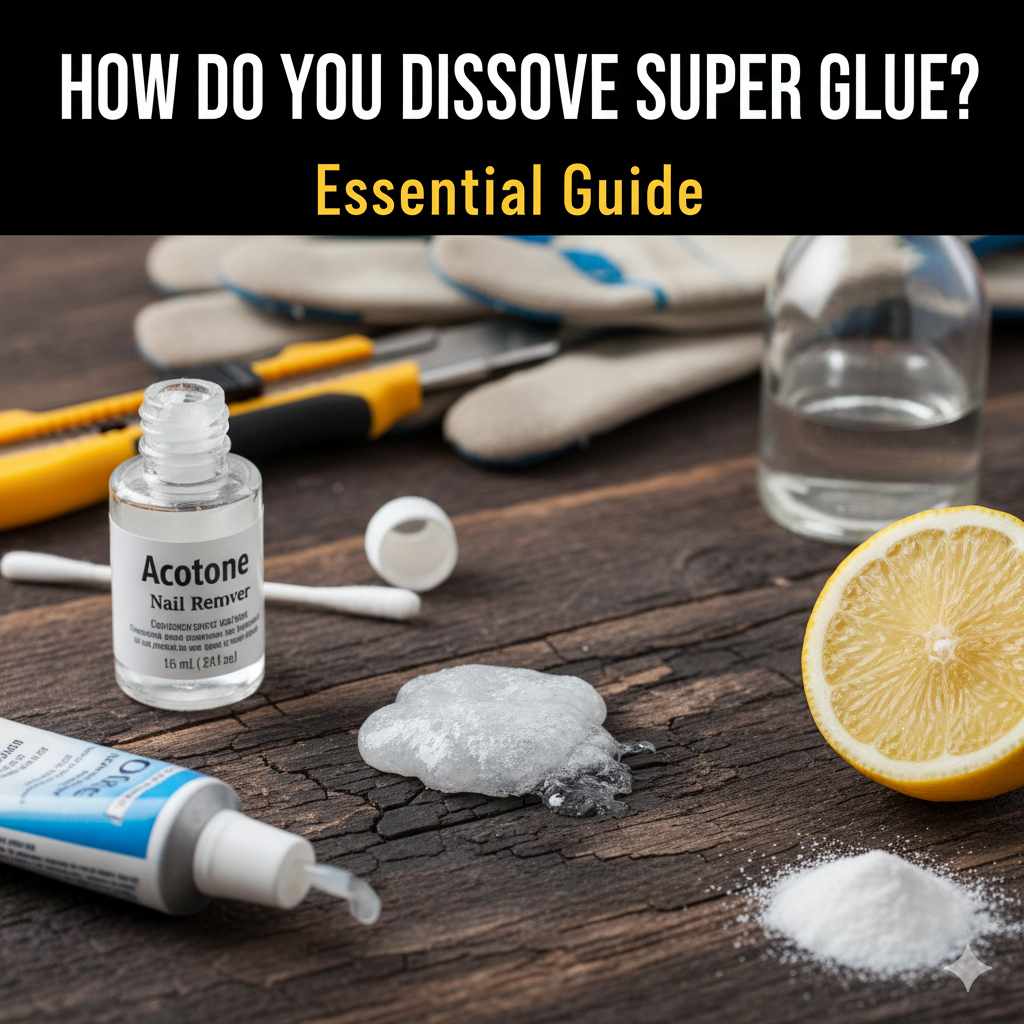
To dissolve super glue, use acetone-based nail polish remover, rubbing alcohol, or specialized super glue removers. Gently apply the solvent, let it soak, and then carefully wipe or scrape away the softened glue. Always test in an inconspicuous area first and prioritize safety.
Hey there, fellow woodworkers and DIY enthusiasts! Md Meraj here. We’ve all been there – a tiny drip of super glue lands where it shouldn’t, or perhaps you’ve got some stubborn residue left behind from a recent project. It can be frustrating, right? Super glue, also known as cyanoacrylate, is incredibly strong when it bonds, but that same strength makes quick cleanups a common headache. Don’t worry, though! With a few simple tricks and the right approach, you can tackle those super glue mishaps without damaging your projects or your hands.
In this guide, I’ll walk you through some effective methods to safely dissolve super glue. We’ll cover what you can use, how to use it, and important safety tips to keep you and your creations safe. Let’s get those surfaces clean and smooth again!
When Super Glue Goes Rogue: Common Scenarios
Super glue is a fantastic tool for quick fixes and strong bonds in woodworking, crafting, and around the house. However, its rapid setting and powerful adhesion mean that a moment’s distraction can lead to a less-than-perfect outcome. Here are some situations where you might find yourself needing to dissolve super glue:
- Accidental Spills: A tiny drop lands on your workbench, a finished surface, or even your tools.
- Skin Bonding: Accidentally gluing your fingers together is a classic (and startling!) super glue incident.
- Residue on Tools: Glue can harden on the jaws of pliers, scissors, or other tools, hindering their effectiveness.
- Surface Contamination: Unwanted glue marks on plastic, metal, or even certain types of finished wood.
- Mistakes in Assembly: You realize two pieces aren’t aligned correctly after the glue has set.
The good news is that most common super glue issues are fixable. The key is to act promptly and use the right method for the material you’re working with.
Understanding Super Glue and Dissolving Agents
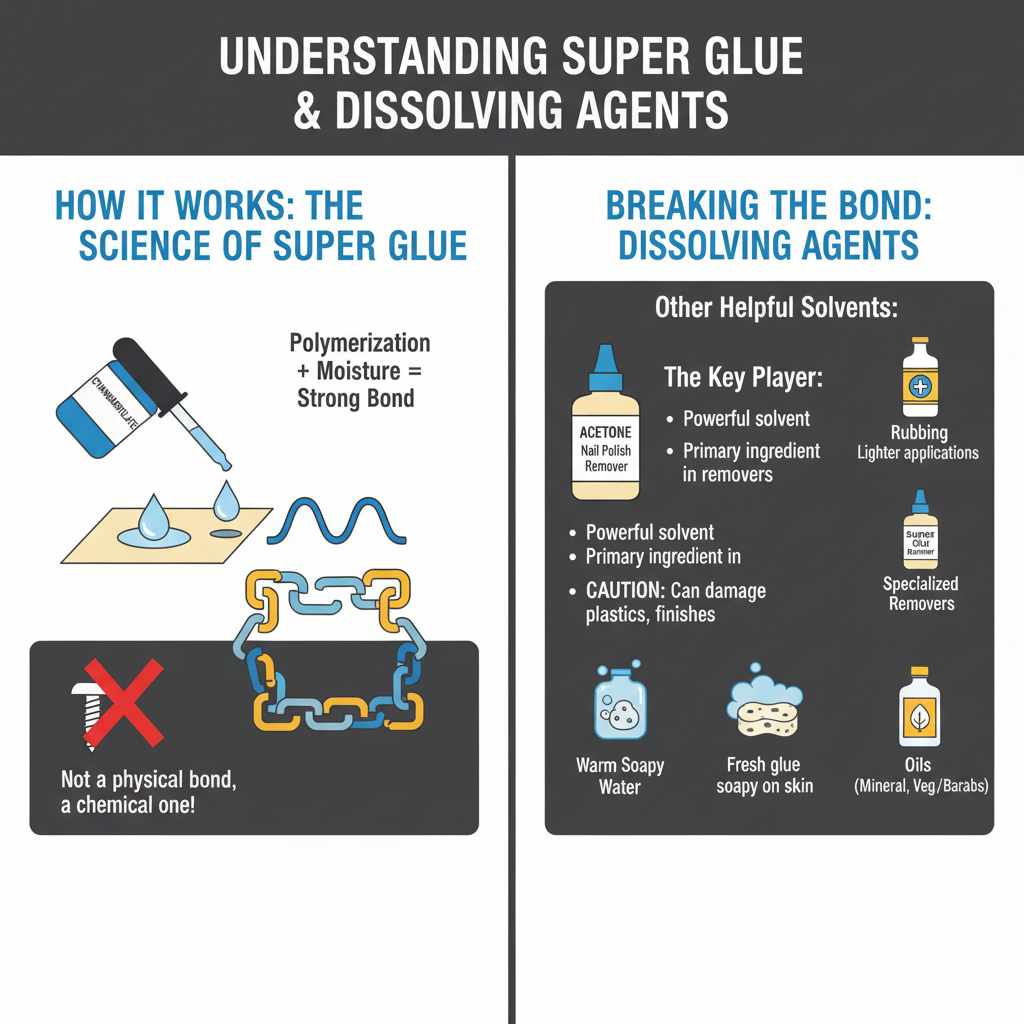
Super glue, or cyanoacrylate, works by undergoing a rapid polymerization reaction when exposed to moisture. This creates a strong, rigid bond. To break this bond, you need a chemical that can interfere with this polymerization or break down the hardened adhesive.
The most common and effective solvents for super glue are based on acetone. However, not all materials can safely handle acetone. It’s also important to note that while “super glue removers” are available, they often contain similar active ingredients to common household items.
The Key Player: Acetone
Acetone is a powerful solvent that can effectively break down the polymer chains in super glue. It’s the primary ingredient in many nail polish removers and is also used industrially for cleaning and degreasing. Be mindful that acetone can damage or discolor certain plastics, finishes, and even some types of wood.
Other Helpful Solvents
Beyond acetone, other substances can help soften or dissolve super glue, especially for more delicate situations:
- Rubbing Alcohol (Isopropyl Alcohol): Less aggressive than acetone, it can work on lighter glue applications or as a first step.
- Specialized Super Glue Removers: These are commercially available products specifically formulated to dissolve cyanoacrylate. They often contain a blend of solvents and may be gentler or more targeted than pure acetone. You can find good options at most hardware stores or online.
- Warm Soapy Water: For very fresh, uncured glue, or as a gentle initial treatment on skin, this can sometimes help.
- Oils (Mineral Oil, Vegetable Oil, Baby Oil): These can help loosen the bond, particularly on skin, by reducing friction and slowly working under the glue.
How to Dissolve Super Glue: Step-by-Step Guides
The method you choose will depend on where the glue is and what material it’s stuck to. Always start with the gentlest method that might work. Before applying any solvent to a visible surface, test it on a small, inconspicuous area to ensure it doesn’t cause damage.
Method 1: Using Acetone (Nail Polish Remover)
This is often the most effective method for stubborn glue on hard surfaces like countertops, tools, or non-delicate plastics. Always ensure good ventilation when using acetone.
- Assess the Surface: Is it a material that can withstand acetone? (e.g., Glass, metal, finished laminate. Avoid on painted surfaces, some plastics like polycarbonate or ABS, and delicate wood finishes without testing.)
- Gather Supplies:
- Acetone-based nail polish remover (check the label!) or pure acetone.
- Cotton balls, swabs, or a clean cloth.
- A soft brush or plastic scraper (like a credit card edge).
- Water and mild soap for cleanup.
- Gloves (optional, but recommended for prolonged contact).
- Apply the Acetone: Dampen a cotton ball or cloth with acetone. Do not soak it.
- Dab the Glue: Gently dab the acetone onto the super glue. Avoid spreading it to surrounding areas if possible.
- Let it Soak: Allow the acetone to sit on the glue for a few minutes. You should see the glue start to soften or turn milky.
- Gently Scrape/Wipe: Use the edge of a plastic scraper or a damp cloth to gently lift or wipe away the softened glue. For hardened glue, you might need to apply more acetone and repeat the soaking process. Use a soft brush to scrub away residue.
- Clean Up: Once the glue is removed, wipe the area with a cloth dampened with water and a little mild soap to remove any acetone residue. Dry thoroughly.
Method 2: Using Rubbing Alcohol
Rubbing alcohol is a gentler alternative for less severe glue spots or on materials that might be sensitive to acetone. It might take longer to work than acetone.
- Choose your Alcohol: Use isopropyl alcohol with at least 70% concentration.
- Gather Supplies:
- Rubbing alcohol.
- Cotton balls, swabs, or a clean cloth.
- Soft brush or plastic scraper.
- Water and mild soap.
- Apply the Alcohol: Dampen a cotton ball or cloth with rubbing alcohol.
- Dab and Wait: Apply to the super glue and let it soak for 5-10 minutes. You may need to reapply.
- Gentle Removal: Gently wipe or scrape the softened glue away. This method works best on fresh or thin layers of glue.
- Final Clean: Wash the area with soap and water and dry.
Method 3: Using Specialized Super Glue Removers
These products are designed specifically for cyanoacrylate and can be effective and sometimes less harsh than pure acetone. Always follow the manufacturer’s instructions.
- Purchase a Remover: Look for products labeled “Super Glue Remover” or “Cyanoacrylate Debonder” at hardware stores or craft shops. Brands like Loctite, Gorilla Glue, and Starbond offer these. For more information on safe and effective adhesive removal, check out resources from the National Park Service on adhesive use and removal.
- Read Instructions: The packaging will have specific directions.
- Apply: Typically, you apply the liquid to the glue using a brush or dropper.
- Wait: Allow the recommended dwell time for the remover to break down the adhesive.
- Remove: Wipe, scrape, or brush away the dissolved glue as instructed.
- Clean: Rinse the area with water and soap if recommended, and dry.
Method 4: For Skin Contact
This is a common and often alarming situation. Your skin might feel tight and stuck. The goal is gentle loosening, not forceful separation.
- Don’t Panic! Your skin sheds cells, and the glue will come off naturally over time. The goal is to speed this up gently.
- Soak in Warm Soapy Water: Submerge the affected area in warm, soapy water for several minutes. Gently wiggle the stuck skin.
- Apply Oil: If soaking doesn’t work, try applying a generous amount of vegetable oil, baby oil, or mineral oil to the bonded area. Gently massage the oil into the skin, working it under the edges of the glue.
- Gently Peel: Once the glue starts to soften, gently try to peel or roll the skin apart. Do NOT pull or force it, as this can tear your skin.
- Use Acetone (with Caution): If other methods fail and it’s essential to remove the glue immediately, you can try dabbing acetone-based nail polish remover onto the bonded skin area with a cotton swab. This can dry out your skin and may cause irritation, so use sparingly and wash thoroughly afterward. Do not use pure acetone on your skin.
- Follow Up: Apply a moisturizer to your skin after the glue is removed to combat dryness. If you experience significant irritation or pain, consult a doctor.
For more on skin-safe practices with adhesives, the Poison Control website offers helpful advice on accidental exposures.
Important Safety Considerations
Working with any chemical, even common household items, requires care. Super glue solvents are no exception.
- Ventilation is Key: Always use acetone and other strong solvents in a well-ventilated area. Open windows or work outdoors to avoid inhaling fumes, which can be harmful.
- Protect Your Skin: Wear gloves, especially when using acetone or working for extended periods. Acetone can dry out and irritate your skin.
- Eye Protection: If there’s a risk of splashing, wear safety glasses.
- Flammability: Acetone and rubbing alcohol are flammable. Keep them away from open flames, sparks, and heat sources.
- Material Compatibility: Always test solvents in an inconspicuous area first. Some solvents can damage or discolor plastics, finishes, painted surfaces, and certain types of wood.
- Keep Out of Reach: Store solvents and super glue removers safely away from children and pets.
Dissolving Super Glue on Different Materials
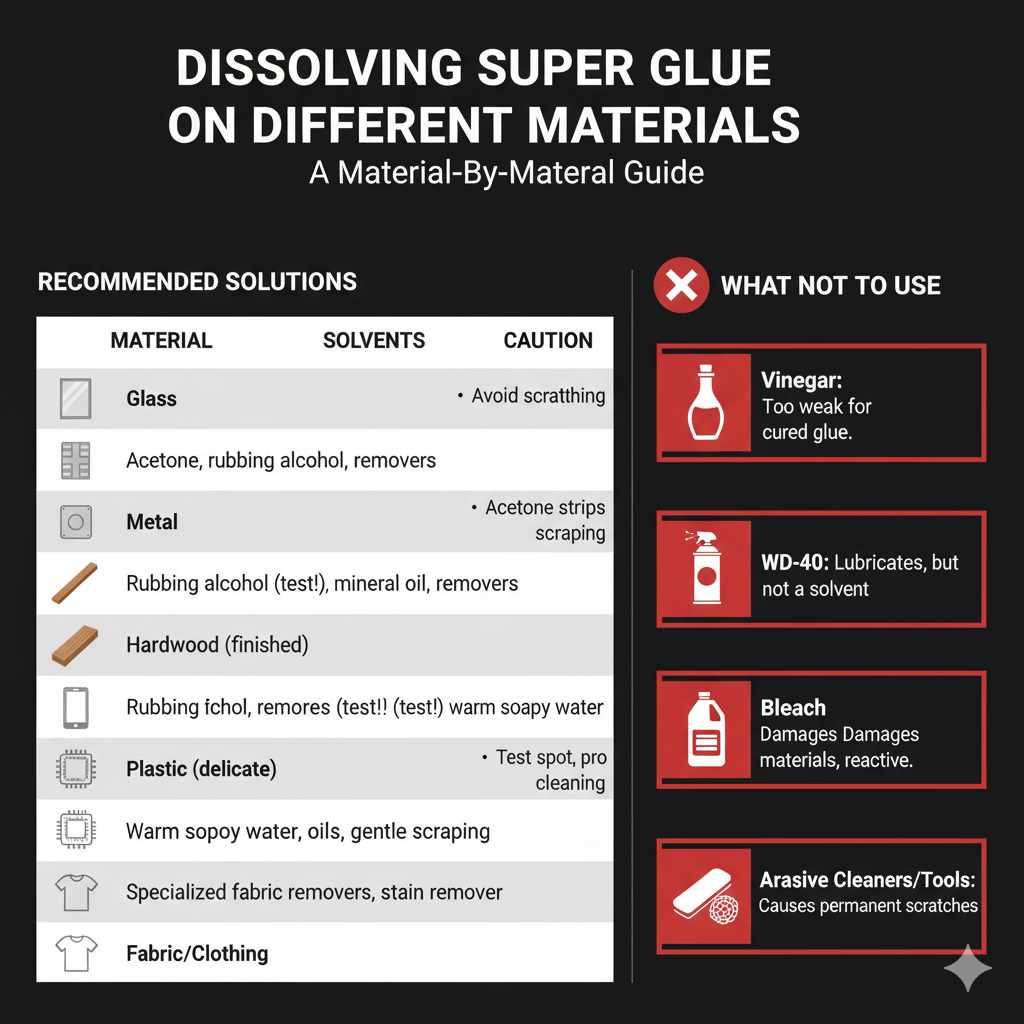
The material you need to clean the glue from significantly impacts the best removal method. Here’s a quick guide:
| Material | Recommended Solvents | Caution Areas |
|---|---|---|
| Glass | Acetone, rubbing alcohol, specialized removers. | Ensure no scratches during scraping. |
| Metal | Acetone, rubbing alcohol, specialized removers. | Very durable, but avoid abrasive scraping. |
| Hardwood (finished) | Rubbing alcohol (test first!), mineral oil (for fresh glue), specialized removers (test first!). | Acetone can strip finishes. Avoid excessive rubbing. |
| Plastic (hard, e.g., Polypropylene, HDPE) | Rubbing alcohol, specialized removers (test first!), warm soapy water (for fresh glue). | Acetone can melt, craze, or fog many common plastics (ABS, PVC, Polystyrene). Test small areas. |
| Plastic (delicate, e.g., some electronic casings) | Warm soapy water, oils, gentle scraping. Avoid solvents. | Extremely sensitive to most solvents. Proceed with extreme caution. |
| Fabric/Clothing | Specialized removers designed for fabric. Pre-treat with stain remover. | Test in an inconspicuous spot. May require professional cleaning for delicate fabrics. |
What NOT to Use
Some common household items are not suitable for dissolving super glue and could cause more harm than good:
- Vinegar: While acidic, it’s generally not strong enough to tackle hardened super glue effectively. It might soften very fresh glue, but not much more.
- WD-40: While a great penetrant and lubricant, WD-40 is not an effective solvent for cured super glue. It might help loosen it slightly, but it won’t dissolve it.
- Bleach: Bleach is a disinfectant and whitener; it’s not a solvent for adhesives. It can damage materials and is reactive with other chemicals.
- Abrasive Cleaners/Tools: While scraping might be part of the process, using steel wool, sandpaper, or harsh abrasive cleaners can permanently scratch or damage surfaces, which is often worse than the glue itself.
FAQs: Your Super Glue Dissolving Questions Answered
Q1: How quickly can I remove super glue?
The sooner you can address the super glue spill or bond, the easier it will be to remove. Fresh glue is much easier to wipe away than hardened glue. If it’s on your skin, try immediate soaking.
Q2: Will acetone damage my finished wood project?
Yes, acetone can definitely damage or strip wood finishes. Always test acetone in a hidden spot first. If it damages the finish, you might need to try a gentler solvent like rubbing alcohol or consult a furniture restoration expert.
Q3: My fingers are glued together! What’s the safest way to unstick them?
Don’t panic! The best method is to soak your fingers in warm, soapy water. Gently try to roll or peel the skin apart. If that doesn’t work, try applying vegetable oil or baby oil around the bonded area and gently massaging it. Avoid pulling forcefully, which can tear the skin. Acetone-based nail polish remover can be used sparingly with a cotton swab on the bonded skin, but it can cause dryness and irritation – wash thoroughly afterward.
Q4: Can I use super glue remover on fabric?
Yes, but be very careful. Specialized fabric stain removers or specific “super glue removers” designed for fabric can work. Always test in an inconspicuous area of the garment first, as some solvents can discolor or damage certain types of fabric. For delicate fabrics, professional cleaning might be the safest bet.
Q5: What if I accidentally glued magnets together?
Magnets can be tricky due to their strong pull. If you’ve accidentally glued magnets together, especially their faces, try applying a thin blade or solvent (like acetone, if safe for the magnet’s coating and surrounding material) between them to break the bond. Sometimes, gently wiggling or sliding them apart is the best approach, but be cautious not to chip the magnets.
Q6: Are there any DIY hacks for removing super glue that don’t involve chemicals?
For very fresh, uncured glue, sometimes a bit of elbow grease and a gentle scraping tool (like a plastic card) can work. On skin, warm soapy water and oils are the best non-chemical methods. For hardened glue on non-delicate surfaces, chemical solvents are usually the most effective. Remember, what works as a “hack” often relies on the same principles as commercial solvents.
Conclusion
Dealing with super glue mishaps doesn’t have to be a stressful experience. By having a few reliable methods and the right supplies on hand, you can confidently tackle those accidental drips and stubborn bonds. Remember to always prioritize safety – good ventilation, protective gloves, and testing solvents on inconspicuous areas are crucial steps.
Whether it’s a stray drop on your workbench, a fused pair of fingers, or residue on a tool, the techniques we’ve covered—using acetone, rubbing alcohol, specialized removers, and gentle methods for skin—will help you restore your projects and tools to their former glory. With a little patience and the right approach, you can easily conquer those super glue challenges. Happy crafting, and keep those projects looking sharp!