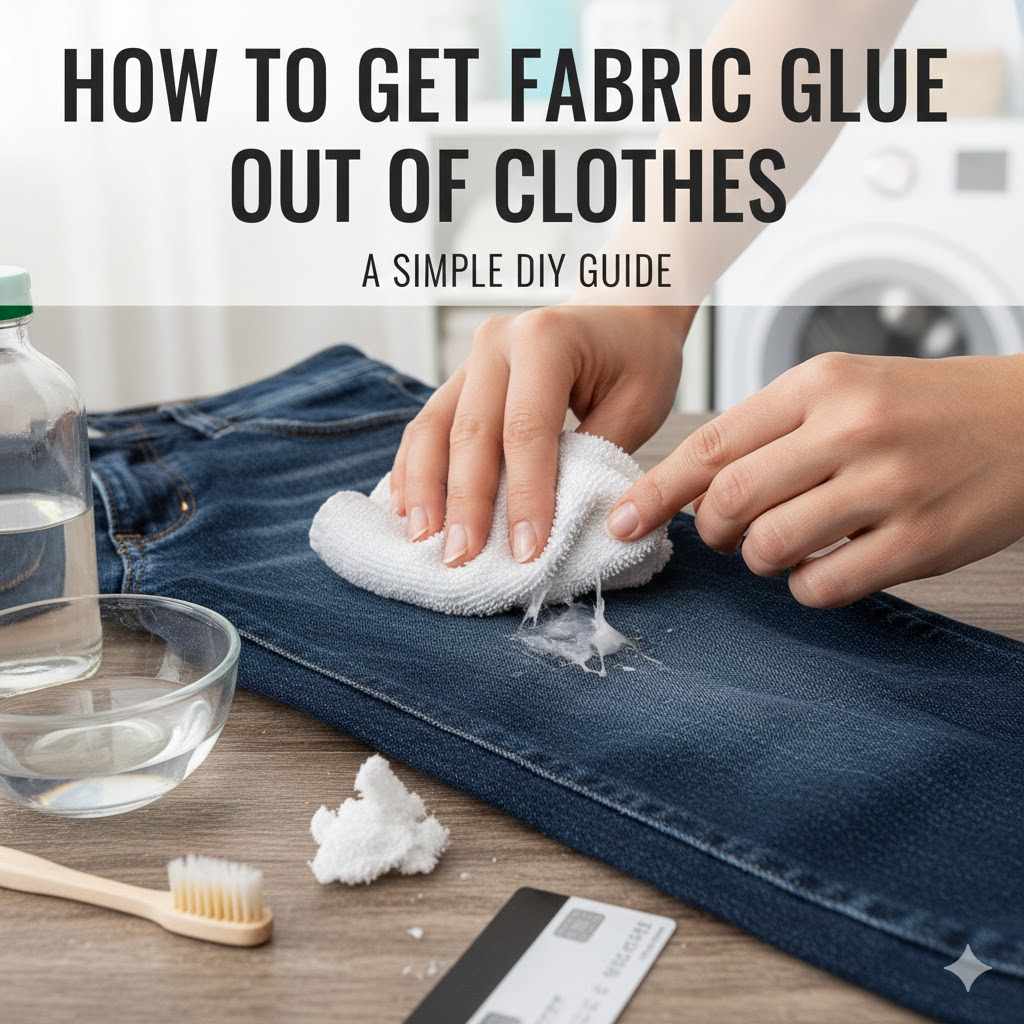
How Do You Get Fabric Glue Out Of Clothes: A Simple DIY Guide
To get fabric glue out of clothes, first scrape off any excess dried glue. Next, apply a solvent like rubbing alcohol or acetone to a cotton ball and dab the stain. Let it sit for a few minutes to dissolve the glue, then gently scrub the area. Finally, pre-treat with stain remover and wash the garment as usual.
Hello friends, Md Meraj here! In our workshops, little mishaps are part of the process. A stray saw cut, a crooked nail, or in this case, a drip of fabric glue where it doesn’t belong. It happens to the best of us during a creative project. But don’t you worry. A glue spot on your favorite shirt doesn’t mean it’s ruined.
Just like sanding a rough edge on a piece of wood, removing fabric glue just takes a little patience and the right technique. I’m here to walk you through the simple, proven steps to fix it. We’ll get that garment back to looking great in no time. Let’s get started!
Getting a dollop of fabric glue on your clothes can feel like a disaster, but it’s a common and fixable problem. The key is to understand what you’re working with and to follow a few easy steps. We’ll break it down so you can tackle this with confidence.
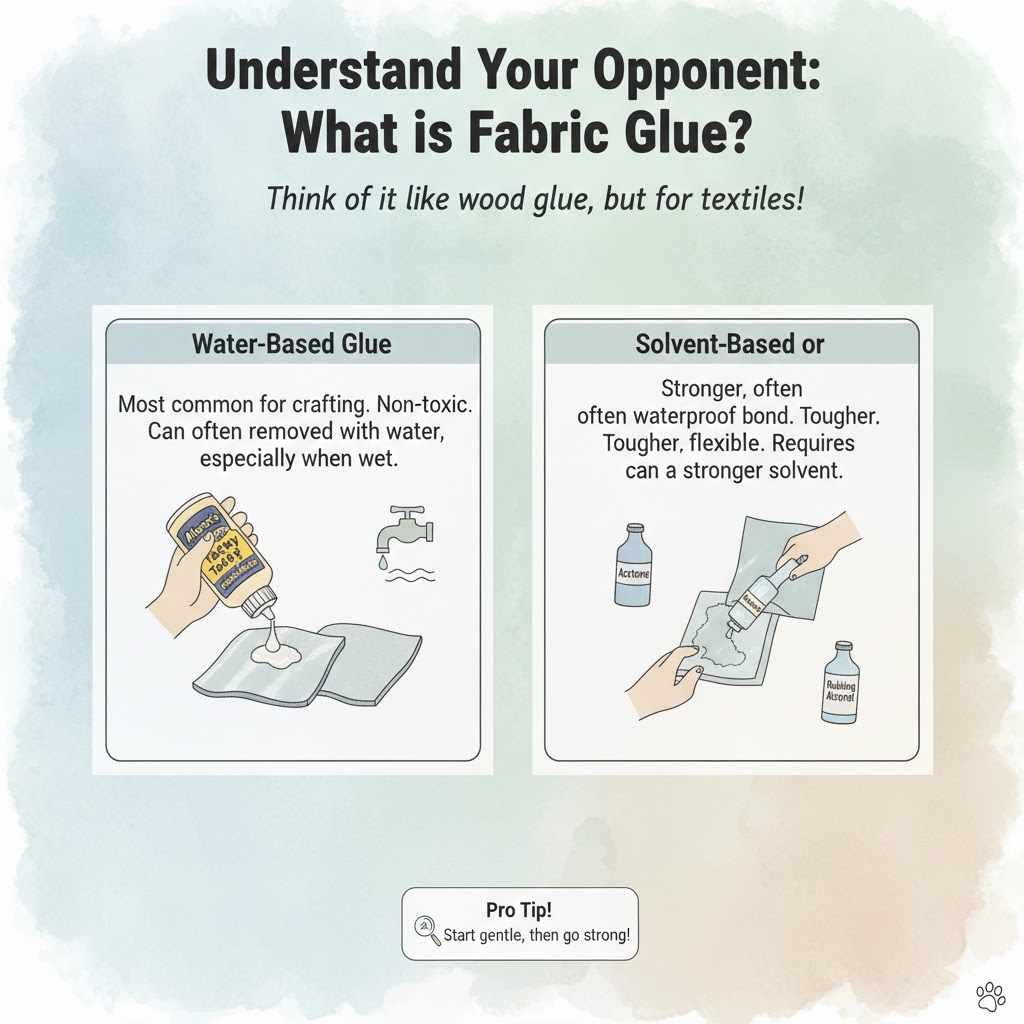
First, Understand Your Opponent: What is Fabric Glue?
Before we jump into removing it, it helps to know what fabric glue is. Think of it like wood glue, but for textiles. There are generally two types you’ll encounter:
- Water-Based Glue: This is the most common type for general crafting. It’s usually non-toxic and can often be removed with water, especially when it’s still wet. Think of brands like Aleene’s Original Tacky Glue.
- Solvent-Based or Permanent Glue: This type creates a much stronger, often waterproof bond. It’s tougher to remove and requires a stronger solvent, like acetone or alcohol.
Knowing which type you used can guide your approach. If you’re not sure, it’s always best to start with the gentlest method first.
Safety First: A Quick Workshop Briefing
Even simple fixes require a little bit of caution. Before you start, please keep these safety tips in mind. They’re just as important in the laundry room as they are in the woodshop.
- Good Ventilation: If you use solvents like acetone or rubbing alcohol, make sure you’re in a well-ventilated area. Open a window or turn on a fan.
- Protect Your Hands: Solvents can be drying to your skin. Consider wearing a pair of rubber gloves.
- Test on a Hidden Spot: This is the golden rule! Before applying anything to the stain, test it on an inside seam or a hidden part of the fabric to make sure it doesn’t cause discoloration.
- Read the Garment Label: Your clothing’s care label has vital information. It will tell you what the fabric is made of and how it should be washed. Always check it first.
Gather Your Simple Toolkit
You probably already have everything you need right at home. No special equipment required. Here’s a quick list:
- A dull knife, spoon, or old credit card
- Cotton balls or a clean white cloth
- Rubbing alcohol (isopropyl alcohol) or acetone (fingernail polish remover)
- A soft-bristled brush (like an old toothbrush)
- Liquid laundry detergent or stain remover
- Access to a sink and washing machine
Step-by-Step: The Proven Method to Remove Fabric Glue
Alright, let’s get that glue out. Follow these steps carefully, and you’ll have that piece of clothing looking good as new.
Step 1: Scrape Off the Excess Glue
Whether the glue is wet or dry, your first move is to remove as much of it as possible from the surface.
For dried glue, use a dull knife, the edge of a spoon, or an old credit card to gently scrape or flake off the hardened glue. Be careful not to pull or tear the fabric. You just want to lift off the chunky parts sitting on top of the fibers.
For wet glue, use your scraper to lift the blob of glue off the fabric. Try not to smear it, as this will only push it deeper into the fibers and make the stain bigger.
Step 2: Choose and Test Your Solvent
The solvent is what will break down the remaining glue. The key is to choose the right one for your fabric. I always start with the gentlest option and work my way up.
| Solvent | Best for Fabrics | How to Use It |
|---|---|---|
| Warm Water & Soap | Cotton, linen, and durable synthetics (for water-based glues) | Soak the stained area in warm, soapy water for 15-20 minutes. |
| Rubbing Alcohol | Most cottons, denims, and many synthetic fabrics. | Dab onto the stain with a cotton ball. It’s less harsh than acetone. |
| Acetone (Nail Polish Remover) | Natural fibers like cotton and denim. Avoid on acetate or modacrylic fabrics as it can dissolve them. | Dab onto the stain carefully. It is very effective but strong. |
Before you go all-in, perform a patch test. Apply a tiny amount of your chosen solvent to an inconspicuous area, like an inner seam. Wait a few minutes and check for any color change or damage. If it looks okay, you’re good to proceed.
Step 3: Apply the Solvent to the Glue Stain
Once you’ve confirmed your solvent is safe for the fabric, it’s time to apply it.
- Place a clean, folded white cloth or a few paper towels behind the stain. This will prevent the glue and solvent from bleeding through to the other side of the garment.
- Soak a cotton ball or the corner of a clean white cloth in the solvent.
- Gently dab the solvent onto the glue stain. Don’t rub or scrub aggressively at this point. The goal is to saturate the glue so the solvent can start breaking it down.
- You should see the glue begin to soften and dissolve. Continue dabbing, using fresh parts of your cloth as the glue transfers to it.
Step 4: Gently Agitate and Lift the Glue
After letting the solvent sit for a few minutes, it’s time to help it along. Use a soft-bristled toothbrush to gently scrub the area in a circular motion. This will help loosen the glue from the fabric fibers.
You can also use your dull scraper tool again to gently pick at the softened glue. Be patient here. You may need to apply more solvent and repeat the dabbing and gentle scrubbing process a few times for stubborn, set-in stains.
Step 5: Pre-Treat and Wash the Garment
Once you’ve removed all visible traces of the glue, it’s time to wash away any remaining residue. Apply a small amount of liquid laundry detergent or a stain pre-treater directly to the affected area. Gently rub it in with your fingers.
Then, wash the garment as you normally would, following the instructions on the care label. Using the warmest water that is safe for the fabric can help ensure all the solvent and glue residue is washed away. For guidance on safe chemical use at home, you can refer to resources like the U.S. Environmental Protection Agency’s Safer Choice program, which helps identify products with safer chemical ingredients.
Step 6: Air-Dry and Inspect
This is a critical final step! Do not put the clothing in the dryer until you are absolutely certain the stain is gone. The high heat of a dryer can permanently set any remaining stain, making it nearly impossible to remove.
Let the garment air-dry completely. Once it’s dry, inspect the area in good light. If the stain is gone, you’re all done! If you can still see a faint spot or feel a stiff residue, simply repeat the process from Step 3. Sometimes, a stubborn glue stain needs a second round of treatment.
Handling Different Fabric Types
Just like you’d use different sandpaper for different woods, you should use different approaches for different fabrics. Here’s a quick guide:
For Sturdy Fabrics (Cotton, Denim, Canvas)
These fabrics are tough and can generally handle solvents like rubbing alcohol or acetone well. You can be a little more vigorous with your gentle scrubbing. Just remember to always patch-test first, especially on dark-colored denim that might lose some dye.
For Synthetic Fabrics (Polyester, Nylon, Spandex)
Synthetics can be sensitive to strong chemicals. Rubbing alcohol is often a safer choice than pure acetone for these materials. Always perform a meticulous patch test, as acetone can sometimes damage or even melt certain synthetic fibers.
For Delicate Fabrics (Silk, Wool, Lace)
For these materials, I strongly advise against using harsh solvents. Start with the gentlest method: soaking in cool water with a tiny bit of mild detergent. If that doesn’t work, consider taking the item to a professional dry cleaner. It’s better to be safe than sorry with your favorite delicate garments. A great resource for fabric care is often found on educational sites, such as this fabric care guide from Texas A&M AgriLife Extension.
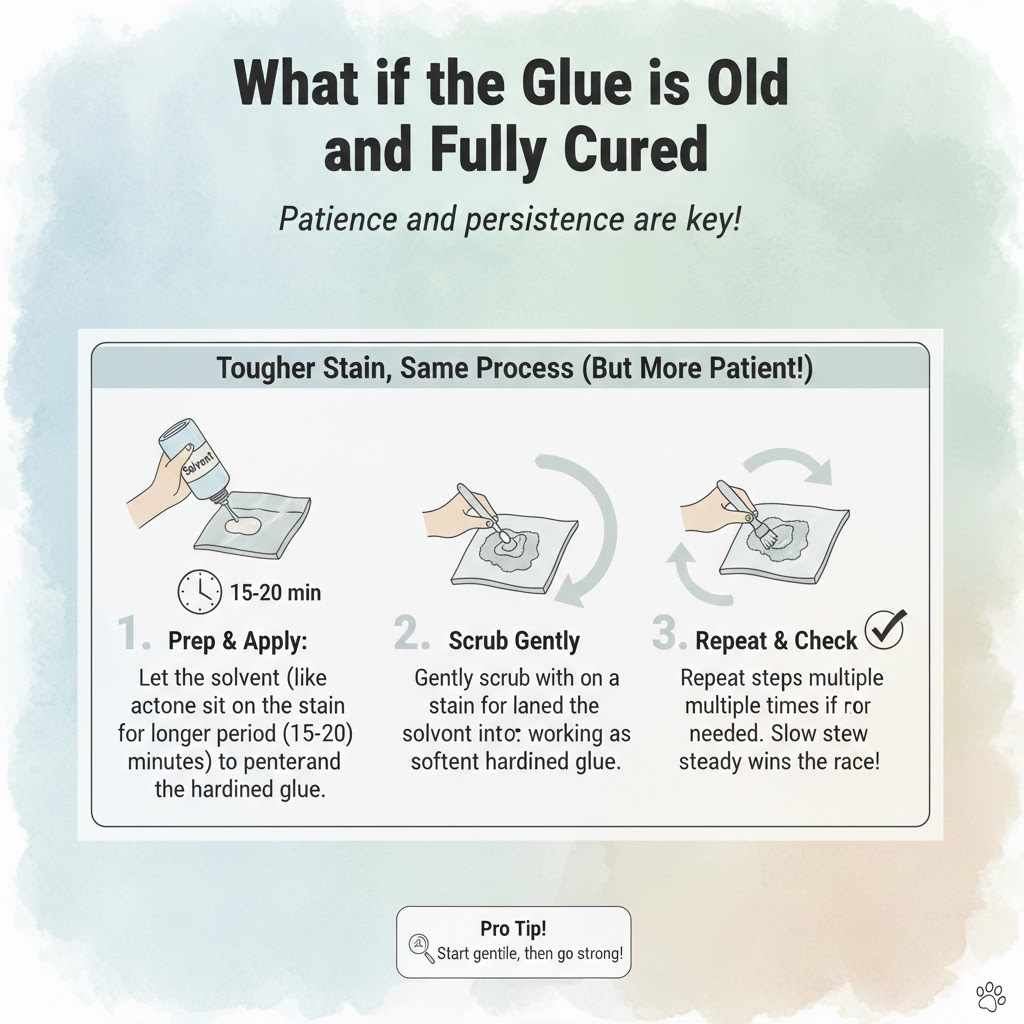
What if the Glue is Old and Fully Cured?
Don’t lose hope! An old, dried glue stain is tougher but not impossible to remove. The process is the same, but you’ll need more patience. You may have to let the solvent sit on the stain for a longer period—perhaps 15-20 minutes—to give it time to penetrate and soften the hardened glue. Repeat the application and gentle scrubbing steps multiple times if needed. Slow and steady wins the race here.
Frequently Asked Questions (FAQ)
Can I use vinegar to remove fabric glue?
Yes, for some water-based glues, a solution of equal parts white vinegar and water can work. Soak the stain for 15-20 minutes and then gently scrub. It’s a great, gentle option to try first on sturdy fabrics like cotton.
Will acetone damage all clothes?
No, but it can damage some. Acetone is generally safe for natural fibers like cotton, linen, and wool. However, it can melt or dissolve fabrics like acetate, triacetate, and modacrylic. This is why a patch test on a hidden seam is absolutely essential!
What is the easiest way to remove wet fabric glue?
Act fast! Scrape off as much excess glue as you can with a spoon or dull knife without spreading it. Then, immediately flush the area from the back with cold water to push the glue out of the fibers. Apply a pre-treater and wash as usual.
Should I use heat, like a hairdryer or iron, to remove fabric glue?
I would advise against it. While heat can soften some glues, it can also cause the glue to melt deeper into the fabric fibers, making it permanent. It’s best to stick with solvents and cold or warm water washing.
Will fabric glue just come out in the wash?
Sometimes, a very small spot of water-based glue might wash out, but most fabric glues are designed to be water-resistant or waterproof. Simply washing it without pre-treatment will likely not remove the stain and may even set it.
How do you get permanent fabric glue out of clothes?
Permanent fabric glue requires a strong solvent. Start with rubbing alcohol, and if that doesn’t work, carefully try acetone (after a successful patch test). The key is patience. You will need to apply the solvent, let it sit, and gently work at the glue multiple times to break it down completely.
Can I use Goo Gone or other commercial removers?
Yes, commercial adhesive removers like Goo Gone can be effective. However, they often have an oily base, which can leave a new stain behind. If you use one, make sure it is safe for fabric and be prepared to treat any oily residue with a good degreasing dish soap or stain remover afterward.
Final Thoughts From the Workshop
There you have it. Removing fabric glue from clothes isn’t a complex project. It’s a simple repair, much like fixing a small dent in a piece of furniture. All it takes is the right approach, a little bit of patience, and the confidence to know you can fix it.
Remember the most important steps: scrape the excess, test your solvent, dab gently, and wash correctly. By following this guide, you can save your favorite clothes from a sticky situation and get back to your creative projects without worry. Keep making, keep doing, and don’t let the little messes slow you down!