How Do You Know If an Ash Tree is Dying: Signs to Watch
Your ash tree has always been a staple in your yard, providing shade and beauty year-round. But lately, you’ve noticed some changes that have you worried.
Is your ash tree dying? Recognizing the signs early can make all the difference in saving your beloved tree. From discolored leaves to brittle branches, understanding what to look for will not only ease your mind but empower you to take action.
Imagine the peace of mind you’ll feel knowing exactly how to assess your tree’s health. Dive in to uncover the secrets of tree diagnostics and discover how you can ensure your ash tree stands tall for years to come.
Identifying Ash Trees
Ash trees have unique features. Their leaves are compound and arranged in pairs. Each leaf has multiple leaflets. The bark is smooth and gray when young. It becomes furrowed as it ages. Branches grow opposite each other. In spring, small greenish flowers bloom. Ash trees produce winged seeds called samaras. These seeds look like paddles.
There are different types of ash trees. The White Ash is popular. It grows tall and strong. The Green Ash is hardy and adaptable. Another type is the Black Ash. It prefers wet areas. The Blue Ash is less common. It has unique squared stems. Each variety has its own special traits.
Credit: www.familyhandyman.com
Common Threats To Ash Trees
The Emerald Ash Borer is a small, green insect. It attacks ash trees quickly. The insect lays eggs inside the bark. Larvae eat the tree from inside. This stops water and nutrients from flowing. Trees become weak and may die.
Fungi can cause ash trees to suffer. Infections start in the roots or leaves. Leaves turn brown or wilt. Fungi spread fast, causing rot. Fungal infections can kill a tree if not treated.
Strong winds, drought, and pollution are stressors for ash trees. Environmental stressors weaken trees. Trees may drop leaves or branches. Stressors make trees more vulnerable to diseases. It is important to protect trees from harsh conditions.
Visible Signs Of A Dying Ash Tree
Leaves on a dying ash tree may change color. Yellowing or browning of leaves is common. Green leaves should be the norm. If leaves look sick, it might mean trouble. Dead patches on leaves are another sign. Leaves might fall off early. Discolored leaves can be a sign of disease or stress. Healthy leaves are bright and firm.
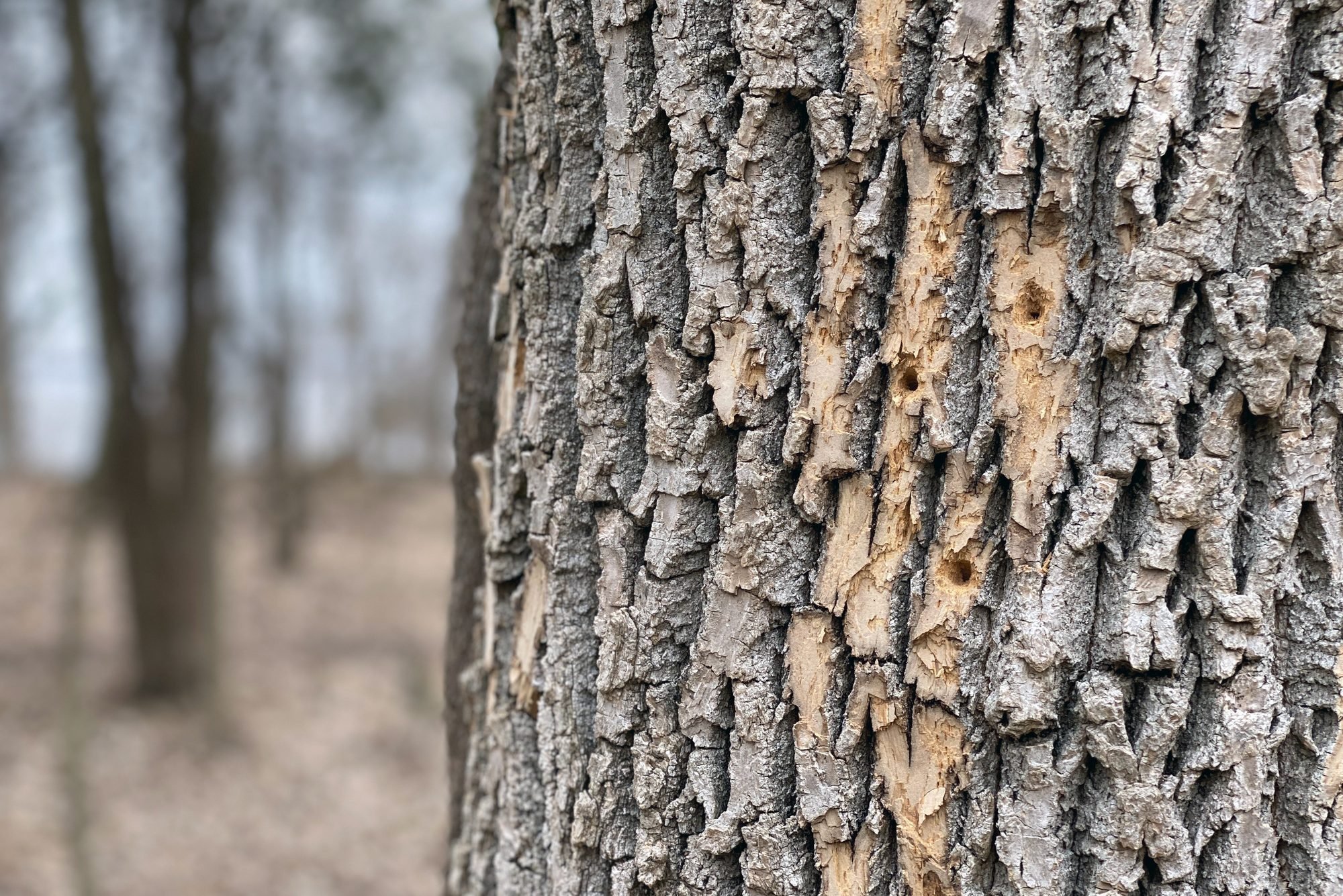
The bark of an ash tree should be strong. Cracks or splits in the bark are bad signs. Bark may start to peel or fall off. This can expose the tree to pests and disease. Missing bark can indicate decay. Healthy bark is smooth and complete. Bark damage is often linked to poor health.
Branches may begin to wither or die back. Dead branches are often brittle. They may snap easily. Branch dieback can affect tree shape. It may lead to fewer leaves. Reduced growth can be a sign of dieback. Healthy branches are flexible and full of leaves.
Inspecting Ash Tree Health
Ash trees can suffer from pests like the emerald ash borer. Look for holes in the bark. These are signs of pest activity. Tiny, D-shaped holes mean pests are present. The tree may also have dead branches. Dead branches are a bad sign.
Leaves tell a lot about tree health. Healthy leaves are green and full. Yellow or brown leaves show problems. Check for holes in the leaves. This can mean pests or disease. Falling leaves out of season is a warning sign.
Bark should be firm and strong. Cracked or peeling bark is not good. It can mean the tree is sick. Check the bark for unusual growths. Look for fungus or mold. These are signs of decay. Bark should be the tree’s protective armor.
Advanced Symptoms Of Decline
The tree’s crown loses leaves. Branches look bare and weak. Fewer leaves show less life. Healthy trees have full crowns. A dying tree shows thin crowns. Leaves become sparse and scattered.
New shoots grow on the trunk. Normal trees sprout at branches. Epicormic sprouts mean stress. The tree fights to survive. Unusual growth points to decline. Sprouts are a cry for help.
Woodpeckers visit more often. They hunt for insects. Dying trees attract more insects. Woodpeckers tap on weak trees. Increased activity signals tree problems. Healthy trees see fewer visits.
Treatment Options For Dying Ash Trees
Applying pesticides can help save your ash tree. These chemicals fight off harmful bugs. The emerald ash borer is a big threat. A professional can apply the right pesticide. This helps keep the tree healthy.
Pruning is cutting away dead branches. This helps the tree grow. Sometimes the whole tree needs removal. It is not safe to leave a dead tree. Professionals can do this safely. Always keep safety in mind.
Good soil and water are key. Healthy soil helps the tree get nutrients. Water should reach the roots. Avoid overwatering. Too much water can harm the tree. Regular care keeps the tree strong.
Preventive Measures
Spotting signs like thinning foliage or brittle branches can indicate a dying ash tree. Regular inspections help identify these symptoms early, allowing for timely intervention. Addressing issues promptly can prevent the spread of disease to other trees.
Regular Monitoring
Check your ash tree often. Look for signs of trouble. Find dead branches. Notice unusual leaf fall. Regular checks catch problems early. Early action can save trees. Watch for pests. Inspect the bark for damage. Healthy trees grow strong.
Promoting Tree Health
Help your tree stay healthy. Water it during dry times. Use mulch to keep moisture. Add fertilizer if needed. Keep the soil rich in nutrients. Trim branches carefully. Remove only what’s necessary. Healthy trees fight diseases better.
Understanding Tree Lifecycle
Know how a tree lives. Trees grow and change over time. Old trees may weaken. Young trees need extra care. Study your tree’s age. Each stage needs different care. Proper care extends tree life. Healthy trees offer shade and beauty.

Credit: www.whitetaillandscapeandtreeservice.com
Frequently Asked Questions
What Does A Sick Ash Tree Look Like?
A sick ash tree shows signs like yellowing leaves, thinning canopy, and bark splitting. You might notice dead branches and D-shaped exit holes from emerald ash borers. Fungal infections can cause dark lesions on leaves. Immediate attention is crucial to prevent further damage.
Can A Dying Ash Tree Be Saved?
A dying ash tree can sometimes be saved with proper treatment. Early intervention is crucial. Use insecticides to combat emerald ash borer infestations. Regular pruning and fertilizing may help improve tree health. Consult a professional arborist for personalized advice and treatment options.
What Are The First Signs Of Ash Dieback?
Ash dieback first shows as leaf wilting and dark lesions on stems. Gradually, branches die back, losing leaves.
What Does Dead Ash Look Like?
Dead ash trees have gray bark, brittle branches, and no leaves. Their surface often appears cracked and dry.
Conclusion
Spotting a dying ash tree isn’t hard with careful observation. Look for signs like leaf loss, brittle branches, or bark splits. These symptoms indicate distress or disease. Early detection helps save the tree or plan removal. Regularly check your ash trees for these warning signs.
Take action promptly to preserve your landscape. Healthy trees enhance your environment and curb potential hazards. Understanding these signs keeps your ash trees thriving. Keep your eye on the health of your ash trees. Your vigilance makes a significant difference.
Stay informed, stay proactive. Your trees will thank you!