Does Cedar Wood Kill Fleas? Here’S What Research Actually Says
It’s that time of year again. You notice a little scratch. Then another.
Before you decide whether cedar is right for your outdoor project, check out our guide on whether cedar attracts or repels bugs — including which insects cedar actually deters and which ones it doesn’t.
Suddenly, your furry friend seems to be in a constant state of itchiness. You’ve tried the usual things, but nothing seems to fully kick those tiny pests out. Then, a suggestion pops up: what about using cedar wood to kill fleas?
You’ve probably heard it before. Cedar chests keep moths away. Maybe cedar shavings are good for pet bedding.
The idea is that cedar has some natural property that fleas just can’t stand. It sounds like a simple, natural solution, right? And who wouldn’t want that for their home and their beloved pets?
But does it actually work? Can simple cedar planks or shavings really be the magic bullet against a flea infestation? The truth might be a bit more complicated than you think.
Let’s dig into what the research says and what you can realistically expect from using cedar wood.
Cedar wood does not effectively kill fleas. While its natural oils might repel some insects, cedar is not a proven flea killer. Relying solely on cedar for flea control is not recommended and can lead to persistent infestations. Effective flea management requires proven methods.
Understanding Fleas and Their Life Cycle
Before we talk about cedar, we need to understand our enemy: the flea. Fleas are tiny, wingless insects. They are parasites.
This means they live on or inside a host. That host is usually a mammal like your dog or cat. Fleas need blood to survive and reproduce.
This is why they are such a nuisance.
A flea’s life isn’t spent just jumping around on your pet. It’s a cycle with distinct stages. There’s the egg, the larva, the pupa, and the adult flea.
This cycle is crucial to understand because different stages are harder to get rid of. And different treatments work better on different stages.
Adult fleas lay eggs on your pet. These eggs are tiny and oval. They often fall off your pet and into carpets, bedding, or furniture.
This is how an infestation spreads in your home. These eggs hatch into flea larvae. Larvae are like tiny worms.
They hate light. They burrow deep into carpets and furniture.
Larvae eat flea dirt. Flea dirt is just dried blood from the adult flea’s meal. It’s disgusting, but it’s real.
After a while, the larvae spin a silk cocoon. This is the pupa stage. Inside the cocoon, the flea develops into an adult.
This pupal stage is very tough. It can last for months.
Adult fleas only emerge from their cocoons when they sense a host nearby. They feel vibrations. They sense heat and carbon dioxide.
This is why you might suddenly see a lot of fleas after a trip or when you first move into a new place. The adults are the ones that bite you and your pets.

What About Cedar? The Science Behind the Scent
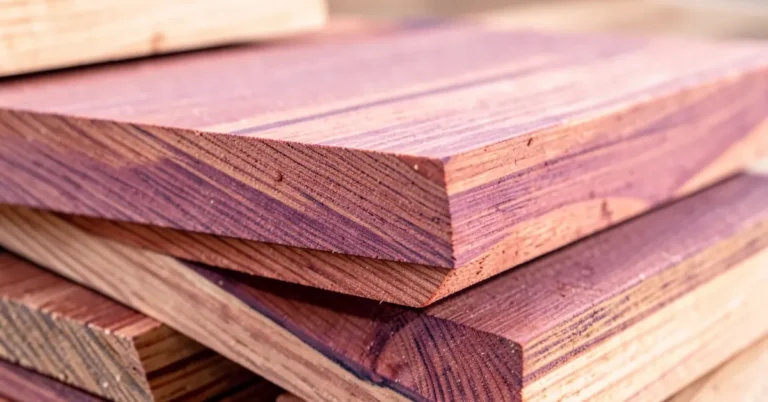
Cedar wood comes from coniferous trees. Different types of cedar exist. The most common are Eastern Red Cedar and Western Red Cedar.
These trees produce oils. These oils have a strong, distinctive smell. People often like this smell.
It reminds them of nature or old-fashioned things.
These natural oils are what give cedar its reputation. They are known to repel some insects. Moths are a prime example.
Many people store woolens in cedar chests. They believe the cedar scent keeps moths from eating their clothes. This is partly true.
The scent can deter moths.
The specific compounds in cedar oil are called terpenes. Examples include thujone and cedrol. These compounds are volatile.
They release into the air. This scent can be irritating or overwhelming to certain small creatures. It can disrupt their senses.
It might make them want to stay away.
So, if cedar can deter moths, can it deter fleas? That’s the big question. Fleas are insects too, just like moths.
They have sensory organs. They react to smells and chemicals in their environment. It makes sense to wonder if the same oils that bother moths would bother fleas.
However, there’s a significant difference between deterring and killing. Moths might fly away from the smell. They might avoid laying eggs where they smell cedar.
But fleas have a different relationship with their hosts. They need to live on animals. They need to bite and feed.
Testing Cedar Wood for Flea Control: What the Research Shows
This is where we need to look at actual studies. People have tested cedar. They’ve tested its oils.
They’ve tested cedar shavings and blocks. The results are often not what people hope for. Many studies focus on cedar oil itself, not just the wood.
One common finding is that cedar oil can have some insecticidal properties. This means it can kill some insects. But usually, this requires concentrated forms of the oil.
It might require direct contact. And the species of insect tested matters a lot. What works on one might not work on another.
When it comes to fleas specifically, the evidence is weak. Some anecdotal reports suggest fleas don’t like cedar. They might avoid areas with a strong cedar smell.
This is the “repellent” effect. But repellency is not the same as killing. A flea might simply move to a less smelly spot on your pet.
More importantly, studies have looked at whether cedar wood or shavings can kill flea eggs, larvae, or adult fleas in the environment. The findings are generally disappointing. Cedar wood alone, placed in a typical home setting, doesn’t reach the concentrations needed to kill fleas.
Think about it this way. If you put a cedar block in your pet’s bed, the smell is strongest near the block. But your pet moves around.
Fleas can hide in places far from the cedar. The scent diffuses. It weakens quickly.
It’s not a consistent, lethal force across the entire environment.
Some research has looked at cedar mulch used in gardens. It might deter some pests in the soil. But this is an outdoor environment.
The conditions are different. And again, it’s more about deterring than killing.
For flea control, we need something that effectively breaks the life cycle. This means killing eggs, larvae, and adults. Cedar just doesn’t seem to do that on its own in a home setting.
It’s not a registered pesticide for fleas. And that’s for a reason.
Cedar Wood vs. Fleas: A Quick Look
What is it? Cedar wood contains natural oils that have a strong scent.
Repels? May repel some insects, like moths and possibly some fleas, due to its scent.
Kills? Evidence is very limited. It is not a reliable flea killer for eggs, larvae, or adult fleas in a home environment.
Why the difference? Repellency means insects avoid an area. Killing means they die. Fleas need to feed on hosts, so avoidance is temporary.
Killing requires a stronger, more direct action.
Real-world use? Often used for its smell and moth-repelling properties, not for pest extermination.
My Personal Experience with Cedar and Pets
I remember a few years back. My dog, Buster, a scruffy terrier mix, started bringing home unwanted guests. I noticed the scratching.
At first, I thought it was dry skin. Then I saw a tiny, dark speck jump off him. Fleas.
Ugh. The sheer annoyance of it hit me like a ton of bricks.
I was determined to go the natural route. I’d read so much about natural remedies. My mind immediately went to cedar.
I had a few cedar planks left over from a DIY project. I thought, “Why not?” I decided to place them around Buster’s favorite napping spots. I even put some in his actual dog bed.
I hoped the scent would create a flea-free zone. I pictured Buster sleeping soundly, undisturbed by those nasty little jumpers. For a few days, I thought it was working.
Buster seemed a little less agitated. I told myself, “See? Cedar works!” I felt a little smug about my natural solution.
Then, one evening, I was petting Buster. I felt it. A tiny tickle.
Then another. I looked down. A flea was doing a merry-go-round on his back.
Right there. Near a big chunk of cedar wood. My smugness evaporated faster than dew on a hot summer day.
It was a moment of realization: cedar alone was not enough.
That was the moment I understood that while cedar might have a pleasant smell and some mild repellent qualities, it’s not a flea killer. It was a hard lesson. It meant going back to the drawing board.
It meant facing the reality that sometimes, the simple natural solution isn’t the most effective one when you’re dealing with a real pest problem.
Why Cedar Might Seem to Work (and Why It Doesn’t)
So, if cedar doesn’t kill fleas, why do some people think it does? There are a few reasons for this common belief.
First, as I mentioned, cedar can have a mild repellent effect. Fleas are sensitive to smells. A strong cedar aroma might make them temporarily uncomfortable.
They might move away from the immediate area where the scent is strongest. This could give the illusion that they are gone.
Second, people often use cedar alongside other flea treatments. They might treat their pet with a flea shampoo or spot-on treatment. Then, they add cedar shavings to the pet’s bed.
The pet treatment is doing the heavy lifting. The cedar gets the credit. This is a common way that ineffective remedies gain a false reputation.
Third, flea life cycles can be tricky. You might have a minor infestation. You use cedar.
A week later, the adult fleas you saw have died off naturally or been killed by grooming. You don’t see any more. You assume the cedar did it.
But you may have missed the eggs and larvae that were developing.
The pupal stage is a big factor here. Flea pupae can lie dormant for a long time. They are protected inside their cocoons.
Cedar scent doesn’t penetrate these cocoons. So, even if adult fleas are repelled, new ones can emerge later. The problem just seems to reappear.
Finally, expectations play a role. If someone is hoping cedar will work, they might overlook evidence to the contrary. They want a simple, natural solution.
They might interpret any small sign of relief as proof that cedar is effective.
Common Myths About Cedar and Fleas
Myth: Cedar oil kills adult fleas on contact.
Reality: While concentrated cedar oil might harm some insects, it’s not proven to be a consistent flea killer in typical home use. It’s more of a repellent.
Myth: Cedar shavings in pet bedding will prevent fleas.
Reality: Cedar can make the area smell nice and might offer minimal deterrence. But it doesn’t penetrate the flea life cycle effectively to prevent or eliminate an infestation.
Myth: Fleas completely avoid cedar wood.
Reality: Some fleas might avoid a very strong scent, but they will likely just move to a different, unscented spot on the pet or in the home.
Myth: Cedar is a safe and effective alternative to chemical flea treatments.
Reality: While natural, cedar is not a proven effective alternative for eliminating fleas. For serious infestations, proven methods are needed.
Real-World Context: Fleas in American Homes
Fleas are a common problem in homes across the United States. Their prevalence can depend on the climate. Warmer, humid regions often see more flea activity year-round.
Colder regions might see fewer fleas in winter, but infestations can still occur indoors where it’s warm.
Pets are the primary hosts. Dogs and cats are susceptible. But fleas can also infest other animals like rabbits, ferrets, and even wild animals that might enter your home.
The fleas then look for new hosts. This is why humans can also get flea bites.
Flea bites on humans are usually small, red, itchy bumps. They often appear in clusters. They are most common on ankles and legs.
This is because humans spend more time on the ground. And fleas jump. They can easily reach these areas.
The environment of your home is where flea infestations truly take hold. Carpets are a favorite hiding place for flea larvae and pupae. Upholstered furniture provides similar hiding spots.
Even small cracks and crevices in flooring can harbor developing fleas. These are places where cedar wood pieces or shavings might not reach.
The behavior of pets also plays a role. Dogs love to explore outside. They can pick up fleas from other animals, from tall grass, or from parks.
Cats that go outdoors are equally at risk. Even indoor-only pets can get fleas if an infested animal visits the home or if fleas are tracked in on shoes.
The materials in our homes matter. Synthetic carpets can hold flea eggs and larvae. Natural fiber rugs can also be a problem.
Pet bedding, blankets, and throw pillows all become potential breeding grounds. This is why a comprehensive approach is needed.
When we talk about flea control, we’re talking about breaking the flea’s life cycle in multiple places. This means treating the pet, treating the home environment, and often, doing it consistently for several weeks. Cedar alone doesn’t offer this comprehensive approach.
What Does This Mean for You? When to Use Cedar (and When Not To)
Given the evidence, what’s the verdict on using cedar wood for flea control? It’s not a magic bullet. It won’t solve an infestation on its own.
When is it okay to use cedar? If you like the smell of cedar, or you want to use it for its moth-repelling qualities in closets or chests, go for it. It can add a pleasant natural aroma to your home.
It can be a nice addition to a pet’s living space for its scent.
However, you should not rely on cedar wood to kill or prevent fleas. If you have an active flea problem, using only cedar is likely to lead to continued frustration. The fleas will persist. Your pet will continue to suffer.
The infestation might even worsen.
It’s important to have realistic expectations. Think of cedar as a nice-smelling natural product, not a powerful insecticide. Its ability to repel fleas is very limited.
Its ability to kill them is practically non-existent in a home setting.
So, when you see signs of fleas—excessive scratching, visible fleas on your pet, or flea dirt—it’s time to look at proven methods. Cedar should not be your primary strategy. It’s like trying to put out a house fire with a garden hose.
It might make a small difference, but it won’t do the job.
Cedar vs. Fleas: What to Expect
Normal Expectation: Pleasant scent, mild potential for deterring some insects.
Concerning Expectation: Believing cedar will eliminate a flea infestation.
Simple Check: Observe your pet closely. Are they still scratching excessively? Do you see fleas, even with cedar present?
If yes, cedar is not working.
When to Worry: If you’ve used cedar for a week or two and flea signs persist or increase, it’s time to use proven methods.
Effective Flea Control: Proven Methods You Can Trust
Since cedar isn’t the answer, what is? Thankfully, there are many effective ways to tackle fleas. These methods are based on science and are proven to break the flea life cycle.
1. Treat Your Pet: This is the first and most crucial step. There are many safe and effective products available.
These include topical treatments (spot-ons), oral medications (chewables), flea shampoos, and flea collars. Talk to your veterinarian. They can recommend the best product for your pet’s age, weight, and health.
- Spot-on treatments: Applied to the skin, usually between the shoulder blades. They kill adult fleas and sometimes disrupt the development of eggs and larvae.
- Oral medications: Given as a pill or chewable treat. They work systemically, killing fleas when they bite.
- Flea shampoos: Kill adult fleas on your pet immediately. However, they offer no long-term protection. They are best used as a first step to quickly reduce flea numbers.
- Flea collars: Some modern collars are very effective and release medication over time. Older types might be less so.
2. Treat Your Home: This is just as important as treating your pet. Adult fleas on your pet are only a small part of the problem.
The eggs, larvae, and pupae are in your environment.
- Vacuuming: This is your best friend. Vacuum carpets, upholstery, under furniture, and pet bedding frequently. The vibrations can encourage pupae to hatch, making them easier to kill with treatments. Dispose of the vacuum bag immediately afterwards, sealing it in a plastic bag before putting it in the outside trash.
- Washing: Wash all pet bedding, blankets, and washable toys in hot water. High heat helps kill flea eggs and larvae.
- Environmental sprays and foggers: These products are designed to kill fleas in your home. Look for products that contain an Insect Growth Regulator (IGR). IGRs prevent flea eggs and larvae from developing into adults, breaking the cycle. Follow the instructions carefully and ensure pets and people are out of the house during treatment and ventilation period.
3. Yard Treatment: If your pet spends time outdoors, fleas can be present in your yard, especially in shady, moist areas. Consider treating your yard.
There are sprays and granules available. Focus on areas where your pet likes to rest.
4. Consistency is Key: Flea control is not a one-time event. You need to be consistent for several weeks, usually 2-3 months, to break the entire life cycle.
New fleas can hatch from pupae for a long time.
5. Consult Your Veterinarian: They are the best resource. They can diagnose the problem accurately.
They can prescribe the most effective and safest treatments for your specific situation. They can also offer advice on preventing future infestations.
Remember, even with cedar, you need these proven methods. Cedar might offer a faint, pleasant smell, but it won’t solve a flea problem. Don’t let the allure of a simple natural fix prevent you from using what actually works.

Frequently Asked Questions About Cedar and Fleas
Can cedar wood chips kill flea larvae?
Is cedar oil safe for pets if they chew on it?
How quickly do fleas reproduce?
What are the signs of a flea infestation in my home?
Can I use cedar shavings as flea repellent for my dog’s outdoor kennel?
Does the smell of cedar eventually go away?
Final Thoughts on Cedar Wood and Flea Control
It’s easy to be drawn to natural solutions for pet care and home issues. Cedar wood offers a pleasant aroma and has some repellent qualities against certain insects. However, when it comes to the persistent problem of fleas, cedar is simply not an effective killer.
Relying on cedar alone to get rid of fleas can lead to prolonged infestations, continued discomfort for your pets, and added stress for you. It’s vital to understand that effective flea control requires proven methods that target all stages of the flea life cycle.
Focus on treatments recommended by your veterinarian for your pets. Implement a thorough cleaning routine for your home. This combination is your best bet for a truly flea-free environment.
While cedar might make your closets smell nice, save it for that purpose and use science-backed methods for your flea problem. If you want to see how the essential-oil form compares, our guide on using cedarwood oil for fleas covers safe dilution and application.
Sponsored / affiliate links. As an Amazon Associate I earn from qualifying purchases. I may earn additional commission from eligible campaigns.