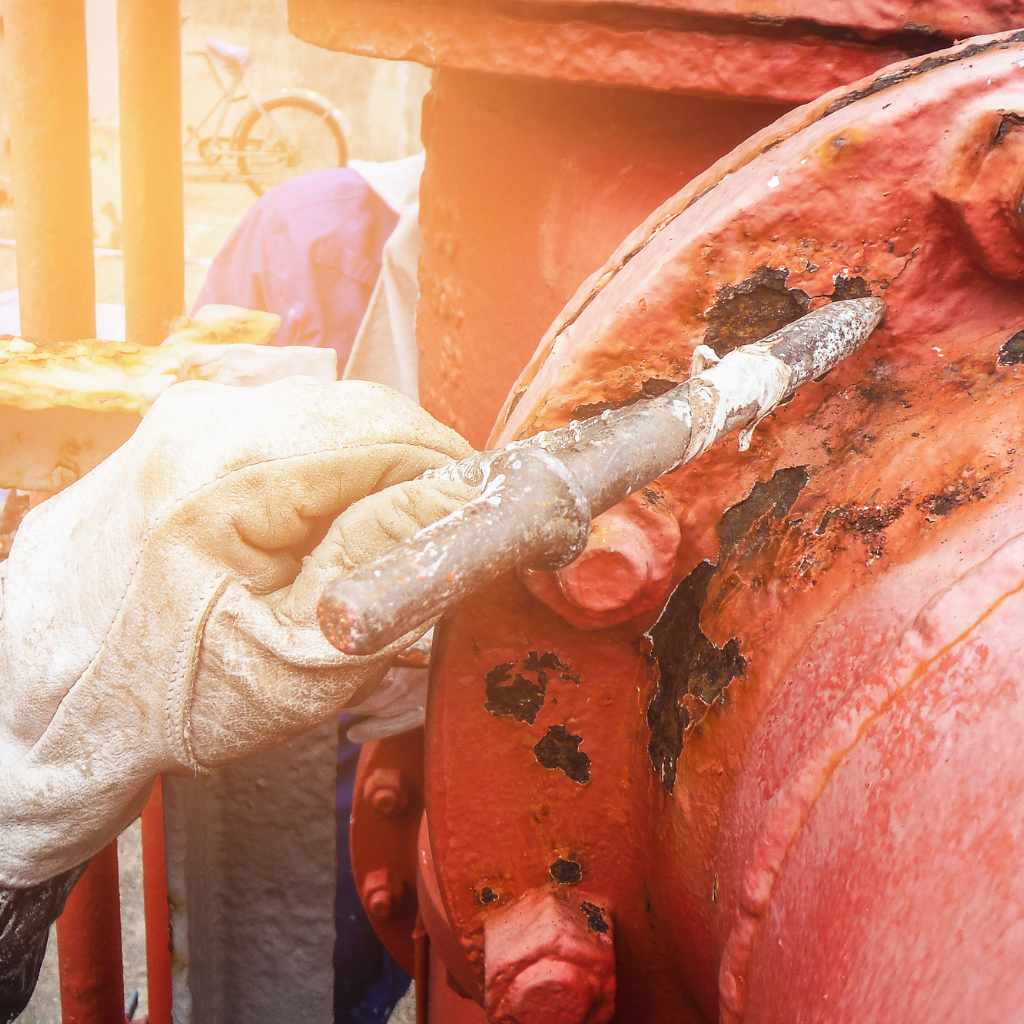
How Do You Remove Rust from Painted Metal: Easy & Effective Tips
Rust on painted metal can be frustrating. It spoils the look of your favorite items and can cause long-term damage if left unchecked.
You might wonder how to get rid of rust without ruining the paint underneath. The good news is, you don’t have to replace or repaint everything to fix this. You’ll discover simple and effective ways to remove rust from painted metal.
By the end, you’ll have the confidence to restore your items and keep them looking great for years to come. Keep reading to learn how to tackle rust the right way.
Causes Of Rust On Painted Metal
Rust appears on painted metal when the protective paint layer breaks or wears out. Metal underneath becomes exposed to air and moisture. This exposure starts a chemical reaction that causes rust. Understanding how rust forms and what triggers it helps protect metal surfaces better.
Paint slows rust but does not stop it completely. Small cracks or chips in paint let moisture reach the metal. Rust can grow under the paint, causing bubbles or flakes. Knowing common causes helps prevent damage and extends metal life.
How Rust Forms
Rust forms when iron reacts with oxygen and water. This reaction creates iron oxide, a reddish-brown substance. It weakens the metal and makes it brittle. Painted metal may hide rust at first, but it spreads beneath the paint. Rust needs three things: metal, moisture, and oxygen.
Common Triggers For Rust
Scratches and chips in paint expose metal to moisture. Water from rain, snow, or humidity starts rust quickly. Salt, especially near the sea or on roads, speeds up rust formation. Dirt and dust hold moisture against the metal surface. Poor paint application or old paint can crack and peel, letting rust form.
Tools And Materials Needed
Removing rust from painted metal needs the right tools and materials. Having everything ready makes the process easier and safer. Some tools help clean rust, while others protect your skin and clothes.
Essential Cleaning Supplies
Start with a wire brush or sandpaper to scrub off loose rust. Use a rust remover solution or white vinegar to treat stubborn spots. A sponge or cloth helps apply liquids and wipe surfaces. Keep a bucket of water nearby for rinsing. Use a primer and paint to cover the cleaned metal and protect it from rust returning.
Protective Gear
Wear gloves to protect your hands from chemicals and sharp edges. Use safety goggles to shield your eyes from dust and splashes. A dust mask helps avoid breathing in rust particles or fumes. Old clothes or a work apron keep your clothing clean. Protecting yourself is key during rust removal.
Preparing The Metal Surface
Preparing the metal surface is a key step to remove rust from painted metal. It helps the rust remover work better. A clean, clear surface stops more damage. Taking time here makes the whole job easier and longer lasting.
Cleaning Dirt And Debris
Start by wiping off dirt and dust with a soft cloth. Use mild soap and water to clean stubborn spots. Rinse well and let the metal dry completely. Dirt can block rust removal products. Clean metal lets treatments reach rust spots fully.
Protecting Surrounding Areas
Cover nearby surfaces with tape or plastic sheets. Paint and rust remover can splash or drip. Protect wood, glass, and plants around the metal. Take care to avoid stains and damage. This keeps your work neat and safe.
Removing Rust Without Damaging Paint
Removing rust from painted metal needs care. Rust can damage metal and paint. You want to clean rust without hurting the paint. Using gentle methods helps keep paint fresh. Choose safe products and soft tools. This protects both metal and paint.
Using Vinegar And Baking Soda
Vinegar is a natural rust remover. Soak a cloth in vinegar and place it on rust. Let it sit for 10 minutes. Then sprinkle baking soda on the area. Baking soda reacts with vinegar to lift rust. Gently wipe with a soft cloth. Rinse with water and dry well. This method cleans rust without harsh chemicals.
Applying Commercial Rust Removers
Pick a rust remover made for painted surfaces. Read the label to ensure it is safe. Apply a small amount on rust spots. Use a soft cloth or brush to spread it. Let it sit for the time shown in instructions. Wipe off with a damp cloth carefully. Avoid scrubbing hard to protect the paint.
Gentle Scrubbing Techniques
Use a soft brush or sponge for scrubbing. Avoid steel wool or rough pads. Light circular motions work best. Test scrubbing on a small hidden area first. This checks if paint stays intact. Stop if paint begins to peel. Repeat with mild cleaners as needed. Patience helps keep paint safe and rust-free.
Treating Stubborn Rust Spots
Stubborn rust spots on painted metal need extra care. These spots often resist regular cleaning and can spread if not treated. Removing rust without damaging the paint is key to keeping metal surfaces strong and looking good. There are two main ways to tackle these tough rust patches effectively.
Sanding Methods
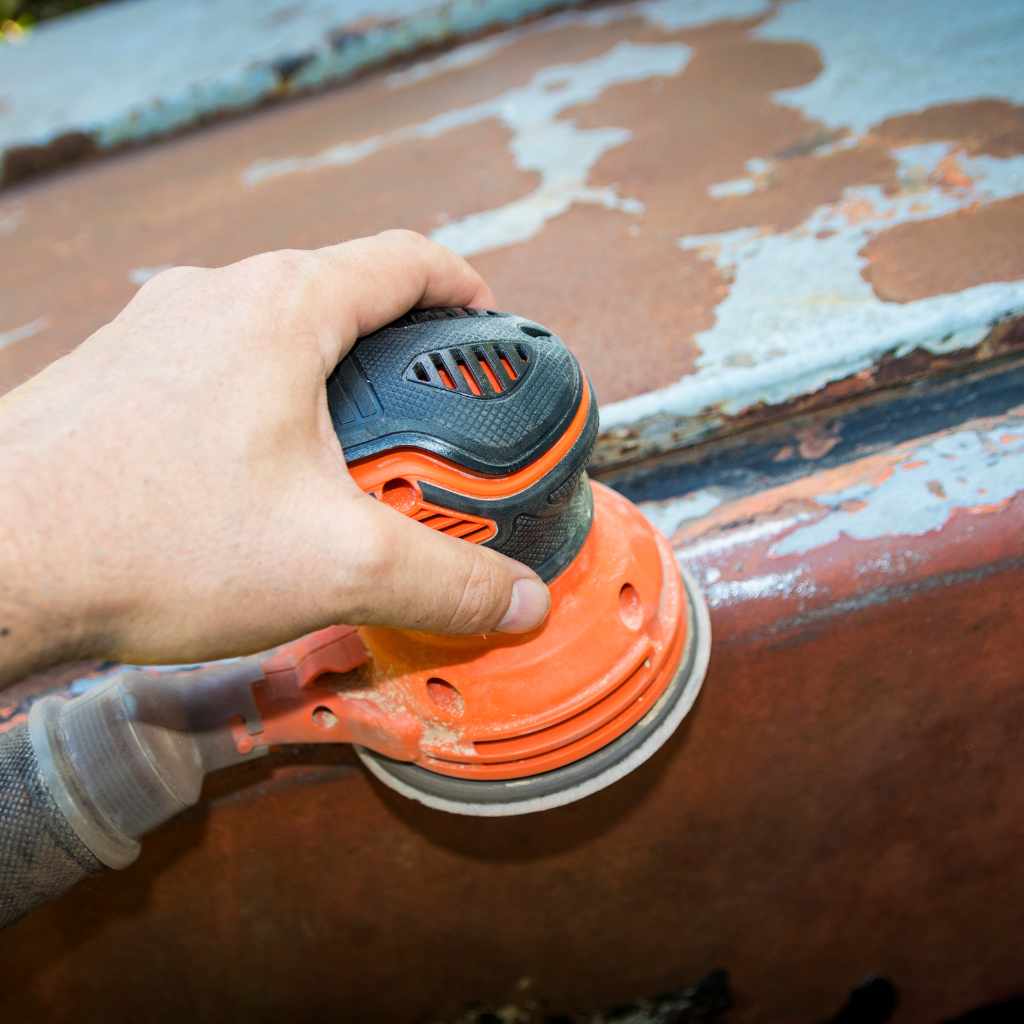
Sanding is a simple and effective way to remove rust from painted metal. Use fine-grit sandpaper to gently rub the rust spot. This removes rust without harming the surrounding paint. Sand in small circles and be careful not to press too hard. After sanding, wipe the area clean with a damp cloth. This prepares the surface for painting or sealing.
Rust Converter Options
Rust converters turn rust into a stable surface that prevents further damage. Apply the converter directly to the rust spot with a brush or cloth. It reacts chemically to stop rust from spreading. After drying, the area can be painted over easily. Rust converters save time and protect metal better than simple cleaning.
Repainting And Sealing
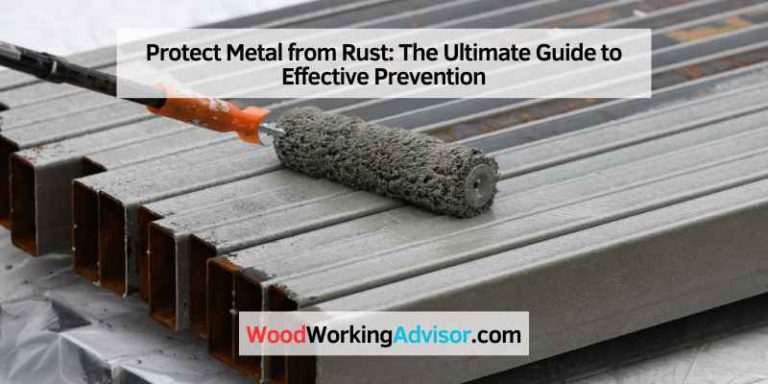
Repainting and sealing painted metal protects it from rust and damage. This step extends the metal’s life and keeps it looking good. Proper painting and sealing stop moisture and air from causing rust again.
Choosing The Right Paint
Pick a paint made for metal surfaces. Look for rust-inhibiting or rust-resistant formulas. These paints create a strong barrier against water and air. Use oil-based or enamel paints for better durability. Avoid regular wall paint as it chips easily on metal.
Choose a color that matches your project. Test the paint on a small area first. Check how well it sticks and covers. Good paint makes the metal smooth and shiny. It helps the metal resist weather and rust.
Applying Rust-resistant Coatings
Use a rust-resistant primer before painting. Primer seals the metal and stops rust from spreading. Apply a thin, even layer and let it dry fully. After the primer, add two or more paint coats.
Consider a clear sealant for extra protection. Sealants block moisture and dirt from touching the metal. Apply sealant carefully and let it dry. This step keeps your metal safe for years.
Preventing Future Rust
Preventing rust on painted metal is key to keeping surfaces strong and looking good. Rust can come back if you do not take steps to stop it early. Simple habits and careful attention help protect your metal items. This section shows how to keep rust away for a long time.
Regular Maintenance Tips
Check painted metal often for small chips or scratches. These spots let rust start under the paint. Clean the surface with mild soap and water. Dry it well to avoid moisture build-up. Use a rust-resistant primer on bare metal parts. Repaint areas that show wear to keep a strong barrier. Keep metal away from standing water. A quick wipe after rain or washing helps a lot.
Environmental Factors To Consider
Metal near water or salt air rusts faster. Indoor metal usually lasts longer. Protect outdoor metal by placing it under cover. Avoid contact with soil or plants that hold moisture. Use covers or tarps in wet weather. Keep metal away from chemicals like fertilizers or cleaning agents. These substances can break down paint and speed rust. Choose paint designed for the environment where the metal stays.
Frequently Asked Questions
How Can I Safely Remove Rust From Painted Metal?
Use a gentle rust remover or white vinegar with a soft cloth. Avoid harsh scrubbing to protect paint. Rinse and dry thoroughly. Apply touch-up paint if needed to prevent further rust.
What Household Items Remove Rust From Painted Metal?
White vinegar, baking soda, and lemon juice work well. Apply, let sit briefly, then gently scrub with a soft cloth. Rinse and dry completely to protect the paint and metal surface.
Can Rust Be Removed Without Damaging Paint?
Yes, use non-abrasive methods like rust remover gels or mild acids. Apply carefully and avoid scrubbing hard. Always test on a small area first to ensure paint stays intact.
How Do I Prevent Rust On Painted Metal Surfaces?
Keep metal dry and clean to prevent rust. Apply a rust-inhibiting primer or sealant after cleaning. Regularly inspect and touch up paint chips to maintain protection.
Conclusion
Rust can damage painted metal if left untreated. Removing rust early keeps metal strong and looking good. Use gentle tools and rust removers to protect the paint. Regular cleaning helps stop rust from coming back. Small steps make a big difference over time.
Keep an eye on metal surfaces to catch rust fast. Taking care of painted metal is simple and worth it. Your metal items will last longer and stay nice. Easy actions now prevent costly repairs later.